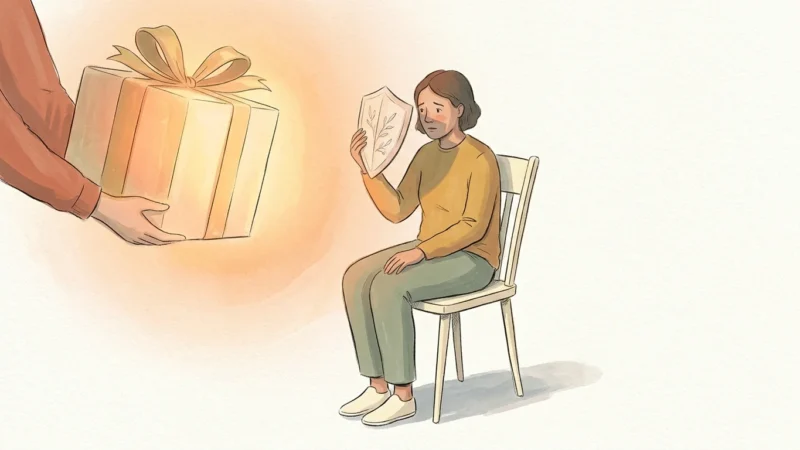
Deep empathy helps you build meaningful bonds and support people through life’s hardest transitions. You can recognize authentic compassion by observing how someone listens and responds during quiet moments.
Many compassionate people traits develop over decades of personal experience, grief, and self-reflection. Learning these behaviors allows you to spot genuine care in others and nurture it within yourself.
This guide outlines ten grounded signs of deep empathy rooted in modern empathy psychology. You will gain practical tools to deepen your connections while protecting your emotional energy.
Understanding Deep Empathy and Emotional Intelligence
Empathy is the capacity to understand and share the feelings of another person. It bridges personal experience and mutual connection.
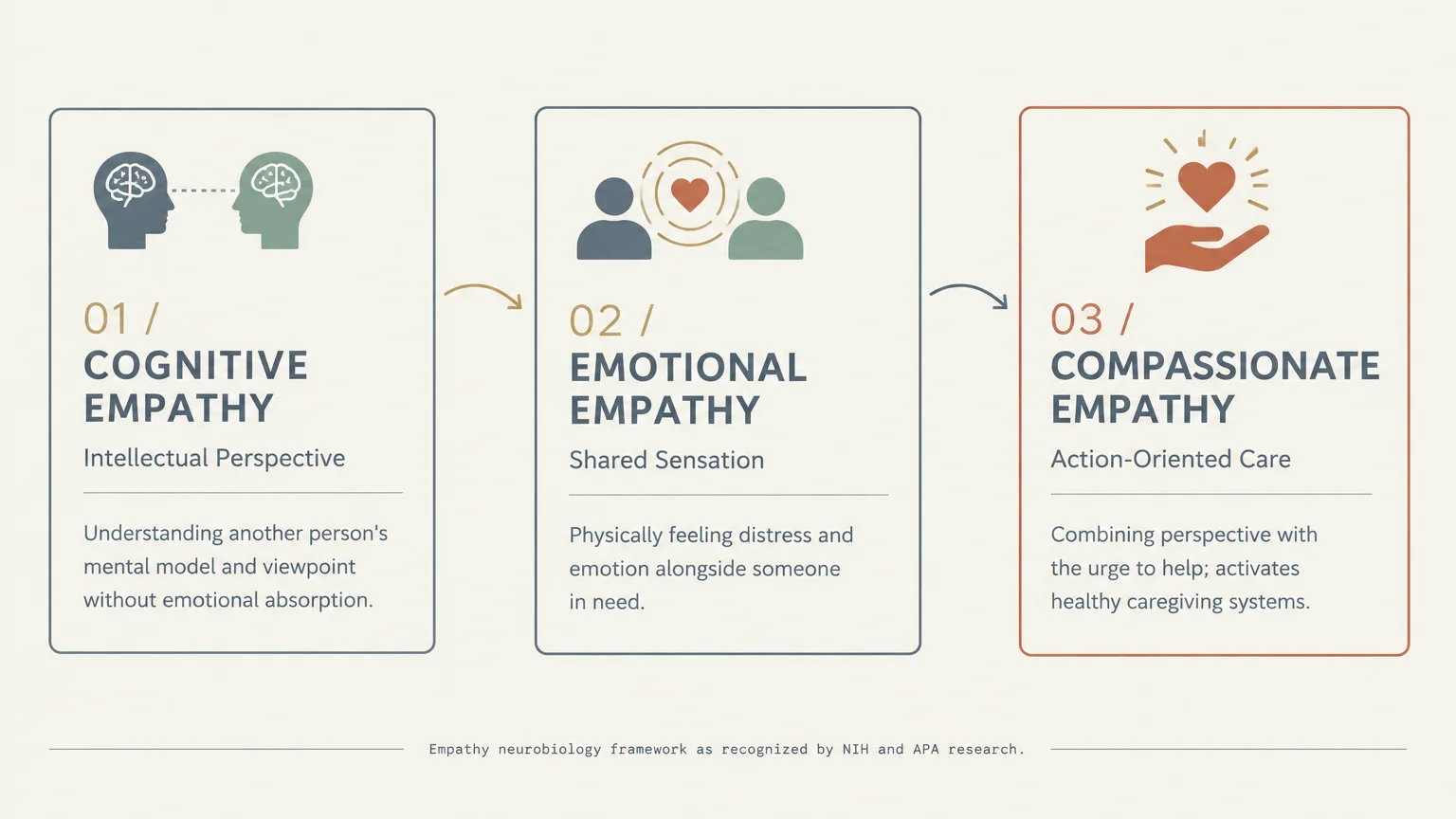
Psychologists divide empathy into three specific forms. These include cognitive empathy, emotional empathy, and compassionate empathy.
Cognitive empathy means understanding someone’s perspective on an intellectual level. Emotional empathy lets you physically feel their feelings alongside them.
Compassionate empathy combines understanding with an urge to help. Research from the NIH shows this balanced response activates healthy caregiving systems in the brain.
The American Psychological Association (APA) studies how emotional intelligence evolves over a lifetime. Maturity and lived experience often expand your capacity for genuine compassion.

10 Behaviors That Show Deep Empathy
Empathetic behaviors are visible actions that reveal inner warmth and care. The following ten signs demonstrate emotional maturity in everyday relationships.
1. Holding Space Without Rushing to Fix
Many people rush to solve problems when a loved one hurts. Empathetic individuals resist this impulse and sit quietly with pain instead.
They create a safe environment where sorrow can exist without judgment. This behavior signals that your feelings are completely acceptable as they are.
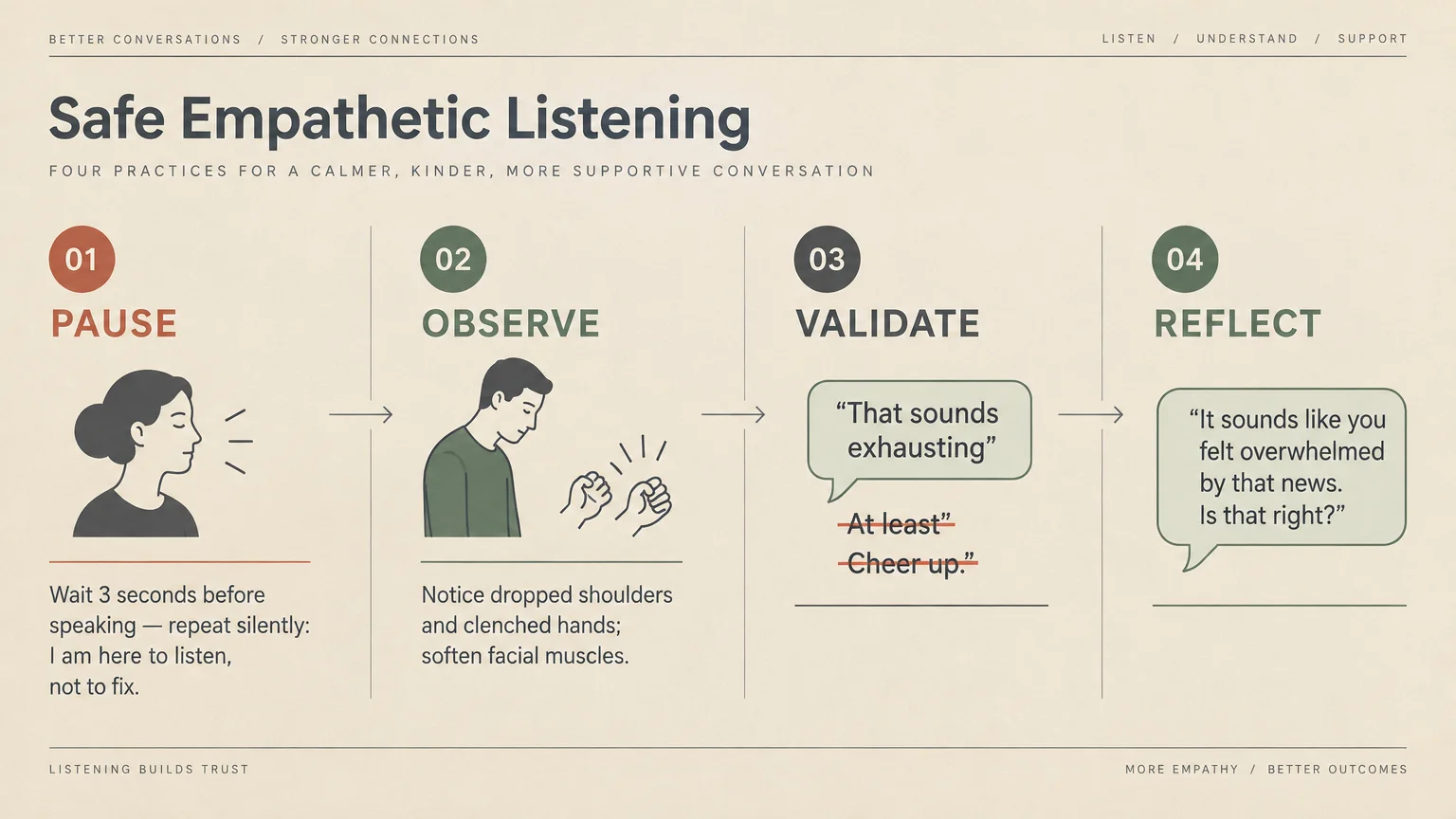
Actionable practice: When a friend shares a struggle, wait three seconds before speaking. Silently repeat the phrase, “I am here to listen, not to fix.”
2. Reading Subtle Nonverbal Signals
Spoken words convey only a small part of human emotion. Empathetic people pay close attention to posture, breathing, and eye contact.
They notice when shoulders drop or hands tighten in tension. This awareness allows them to respond to feelings that stay unspoken.
Actionable practice: Observe physical posture during your next conversation. Soften your own facial muscles to invite relaxation and trust.
3. Validating Feelings Before Offering Solutions
Deep empathy prioritizes emotional validation over quick advice. Validating someone means accepting their emotional reality as understandable.
Dismissing distress with forced optimism often leaves people feeling alienated. True care honors sorrow without demanding an immediate silver lining.
Actionable practice: Use supportive validation phrases like, “That sounds exhausting.” Avoid starting sentences with “At least” or “Cheer up.”
4. Practicing Reflective Listening
Reflective listening involves summarizing the speaker’s core message in your own words. This habit ensures you understand them accurately.
It prevents misunderstandings and confirms that the speaker’s thoughts matter. The other person feels respected and comforted.
Actionable practice: Check your understanding by saying, “It sounds like you felt overwhelmed by that news. Is that right?”
5. Respecting Emotional Boundaries
True empathy never forces someone to share private feelings before they feel ready. Emotionally intelligent people notice resistance and step back gracefully.
They know that healthy boundaries protect trust and personal dignity. Real compassion honors privacy just as much as open sharing.
Safety cue: If someone changes the topic, do not press for details. Respect their right to process events on their own schedule.
6. Sitting Comfortably in Shared Silence
Silence often feels awkward to anxious listeners, but empathetic people welcome it. They do not clutter quiet moments with nervous chatter.
Shared silence gives grieving people room to breathe and reflect. Your calm presence can ground a room better than words.
Actionable practice: Take a slow breath when a conversation pauses. Allow the quiet atmosphere to exist without rushing to fill it.
7. Remembering Meaningful Life Details
Compassionate people traits include remembering small details mentioned weeks earlier. They remember difficult anniversaries, family milestones, and personal fears.
Recalling these moments demonstrates genuine interest rather than superficial manners. It reassures people that they truly matter to you.
Actionable practice: Write short notes in a private calendar after visiting friends. Note important dates so you can send a caring text.
8. Asking Open and Non-Judgmental Questions
Empathy psychology highlights the value of open-ended questions. Closed questions yield short answers, while open questions encourage reflection.
Empathetic communicators avoid interrogations that force people onto the defensive. Their questions gently invite honest storytelling.
Actionable practice: Ask questions that begin with “How” or “What.” For example, ask, “What was the most challenging part of today?”
9. Anticipating Unspoken Practical Needs
Stressed or grieving individuals rarely have the energy to ask for assistance. Empathetic people step in with specific and practical support.
Instead of saying, “Let me know if you need anything,” they take direct action. They drop off dinner or offer a ride to an appointment.
Actionable practice: Offer concrete help with a gracious exit option. Say, “I am heading to the market; may I drop off soup for lunch?”
10. Maintaining Self-Compassion and Rest
You cannot pour comfort from an empty vessel. Lasting empathy requires self-directed grace and routine emotional rest.
Highly empathetic people notice personal fatigue before burnout sets in. They step back so their kindness remains steady and sincere.
Safety cue: Watch for feelings of emotional numbness or irritability. Take solitary quiet time whenever caring for others begins to drain your energy.
Ways to Strengthen Empathetic Behaviors Safely
Nurturing emotional intelligence takes consistent attention and patience. You can develop genuine empathy through no-cost, daily micro-habits.
Here is a gentle seven-day practice plan you can follow in your daily life. Each step focuses on one mindful action.
On Monday, practice uninterrupted listening during one conversation. Notice any internal impulse to interject with your own story.
On Tuesday, observe nonverbal cues in social settings. Pay attention to how people carry tension in their shoulders and hands.
On Wednesday, write a compassionate letter to someone who hurt you. You do not need to send it; simply explore their hidden struggles.
On Thursday, perform a quiet act of service without seeking credit. Leave a thoughtful note or clear a path for a neighbor.
On Friday, welcome shared silence during an interaction. Notice whether the quiet moment brings peace or brief discomfort.
On Saturday, explore mind-body breathing exercises supported by the NCCIH. Calming your nervous system helps you listen with greater patience.
On Sunday, reflect on your week with self-compassion. Forgive yourself for moments where you felt distracted or impatient.
Journaling Prompts for Emotional Growth
Writing helps you explore your emotions without fear of judgment. It gives you space to process social fatigue and personal boundaries.
Set aside ten quiet minutes with a notebook and pen. Explore one of the following prompts each week.
First prompt: Recall a time when someone made you feel deeply seen and heard. What specific behaviors made you feel so safe?
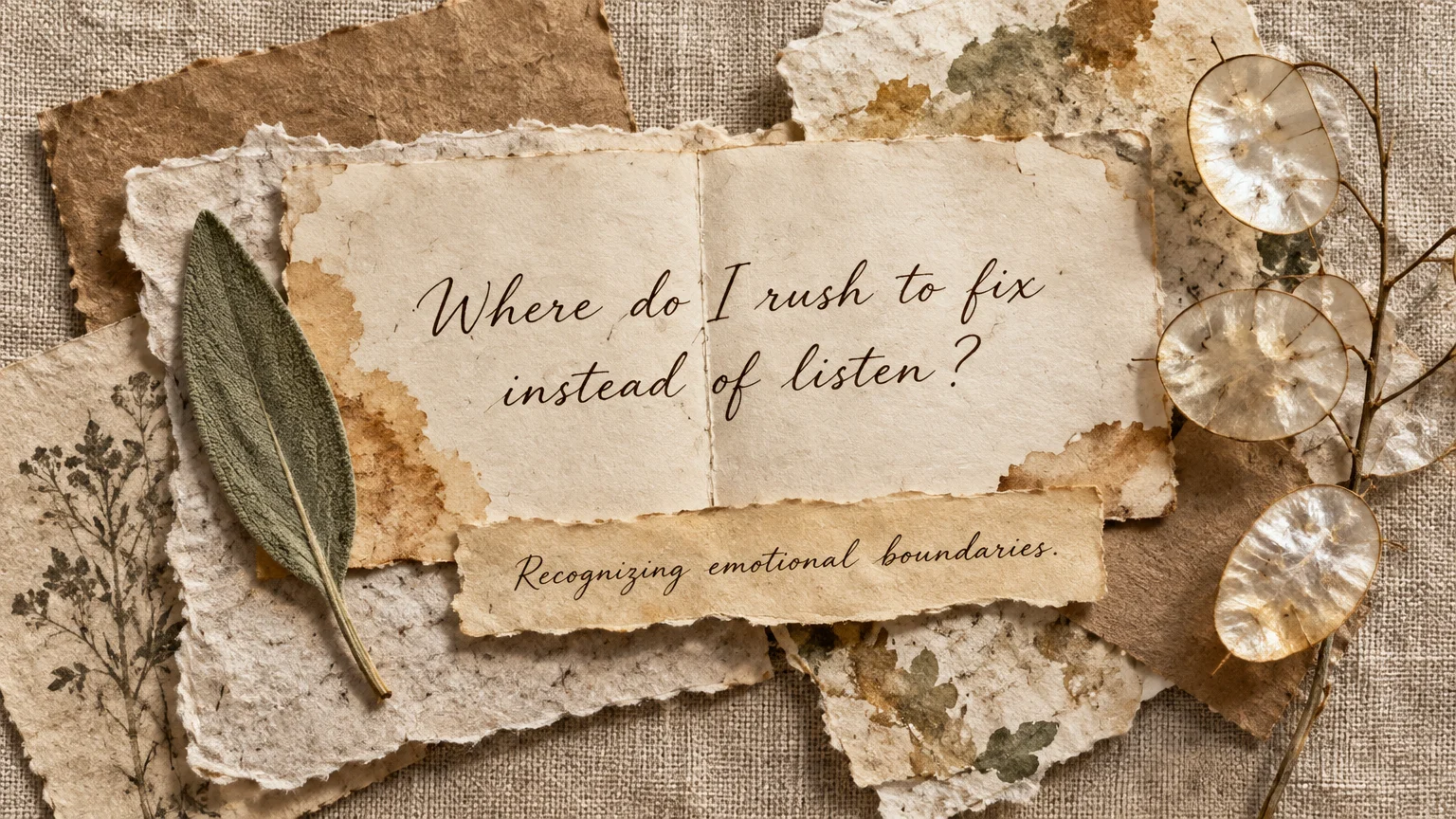
Second prompt: Which emotions in other people cause you the most discomfort? Consider why sorrow or anger tempts you to fix things quickly.
Third prompt: How do you treat yourself when you say the wrong thing? Explore how extending grace to yourself helps you offer grace to others.

Boundaries, Emotional Fatigue, and Safety
Empathy should foster connection without destroying your peace of mind. Without clear boundaries, deep caring can turn into severe compassion fatigue.
Secondary traumatic stress happens when you absorb too much suffering from others. It is especially common among caregivers and thoughtful adults navigating loss.
Protect your emotional wellbeing from manipulative individuals. Be wary of anyone who demands secrecy, asks for urgent money, or uses guilt against you.
Never trust spiritual practitioners or coaches who guarantee emotional cures for large upfront fees. Legitimate support respects your free will and financial safety.
If you feel overwhelmed by sadness or anxiety, reach out for guidance. The SAMHSA network provides confidential mental health resources whenever you need help.
Chronic exhaustion also weakens your emotional capacity. Learn healthy sleep habits through the Sleep Foundation to keep your empathy strong and grounded.

Sample Conversation Opener for Emotional Support
Asking for guidance when you feel overwhelmed can feel daunting. Using a pre-planned script removes anxiety and clarifies your thoughts.
You can use this sample conversation opener with a licensed counselor, doctor, or trusted spiritual leader.
Say to them: “I find myself absorbing the emotional distress of loved ones lately. This pattern leaves me exhausted and anxious.”
Follow with: “I want to remain supportive while establishing healthy emotional limits. Can we discuss strategies to protect my wellbeing?”
This approach highlights your dedication to balance. It invites practical guidance without requiring you to justify your vulnerability.
Frequently Asked Questions
Can you develop deep empathy later in life?
Yes, emotional intelligence continues to develop across your entire lifespan. Mature adults often possess greater empathy due to their rich life experience.
Research on neuroplasticity proves that your brain adapts to intentional habits at any age. Consistent listening practice strengthens empathetic brain circuits over time.
How does empathy differ from sympathy?
Sympathy involves feeling pity for someone from a detached distance. It often keeps an emotional wall between you and the other person.
Empathy involves feeling with someone by sharing in their emotional reality. It conveys human connection and mutual vulnerability rather than pity.
Why does being empathetic cause physical exhaustion?
Your nervous system mirrors the emotional stress of people around you. This natural biological mirroring can trigger physical stress hormones in your body.
Taking quiet breaks throughout the day helps reset your nervous system. Rest is necessary to maintain emotional balance and health.
What should you do when someone rejects your empathy?
Accept their reaction with patience and grace. Some people feel overwhelmed or embarrassed when someone notices their private pain.
Step back gently and keep the door open. Let them know you care and remain available whenever they wish to talk.
Is deep empathy a spiritual quality or a psychological skill?
Many spiritual traditions view deep compassion as a sacred human virtue. Modern empathy psychology also measures it as an emotional intelligence skill.
These two perspectives complement one another naturally. You can celebrate empathy as a spiritual gift while developing it as a practical skill.
Moving Forward With Mindful Connection
Deep empathy does not require dramatic gestures or personal sacrifice. It shines through patient attention, quiet pauses, and sincere emotional validation.
By nurturing these signs of deep empathy, you build trust with friends and family. You also protect your own inner peace and emotional reserves.
This week, pick one empathetic behavior to practice during your daily routines. Focus on pausing before offering advice to someone in distress.
Track your bodily sensations when someone confides in you. Soften your shoulders and breathe slowly whenever you feel tension rising.
Verify your personal boundaries by giving yourself permission to rest when tired. Compassion for others always begins with kindness toward yourself.
Disclaimer: This article provides informational material only and does not constitute medical or psychological advice. If you face severe grief or anxiety, please contact a licensed professional or seek emergency medical help if in crisis.