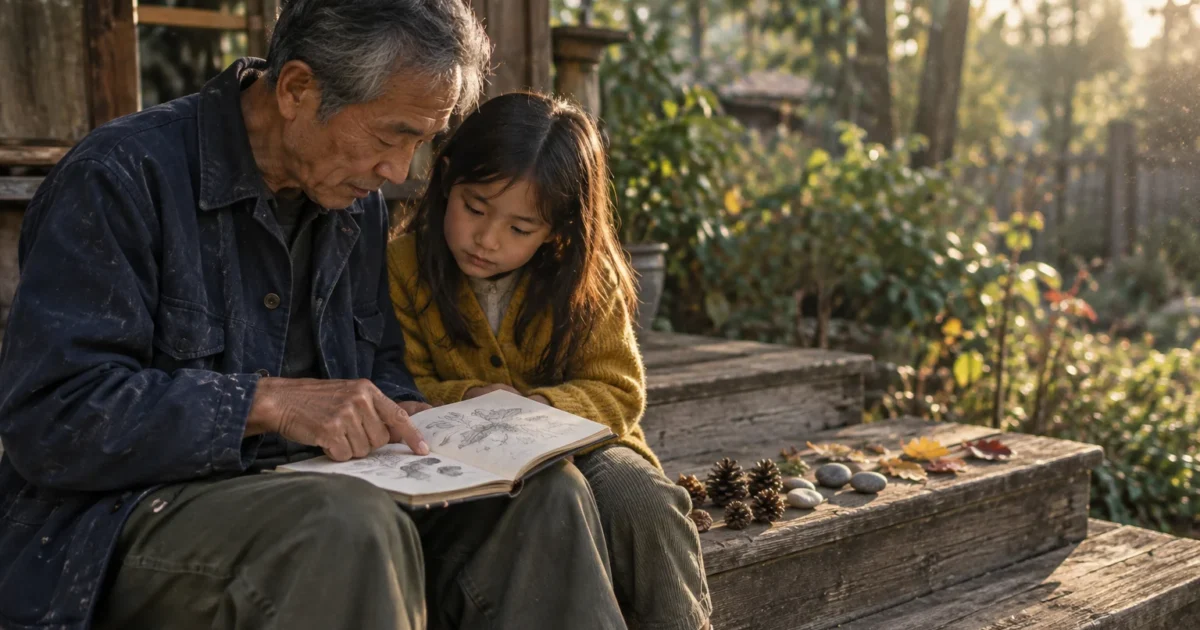
You want your grandchildren to carry lifelong memories of your presence, wisdom, and warmth. Meaningful family rituals anchor young lives and offer emotional security that endures into adulthood.
Lasting grandparent traditions do not require expensive travel, rare talents, or endless physical stamina. They take shape simply when you share quiet focus and listen to a grandchild without distraction.
These eleven grandparenting ideas will help you build enduring connections across generations. You will discover practical ways to nurture these meaningful family rituals in your everyday life starting this week.
The Deep Value of Grandparent Traditions
Psychologists study how early emotional bonds shape human development across the entire lifespan. Meaningful family rituals provide predictable comfort that grounds children during times of stress.
Researchers describe memory salience as the quality that makes certain life events stand out clearly over time. Shared activities stimulate multiple senses, which cements positive memories deeply in young minds.
Children often remember how you made them feel rather than what you bought them. When you offer calm presence, you build a steady emotional haven for your grandchildren.
These shared rituals also bridge generational gaps and reinforce family values. You give grandkids memories that offer continuous reassurance as they navigate an increasingly busy world.
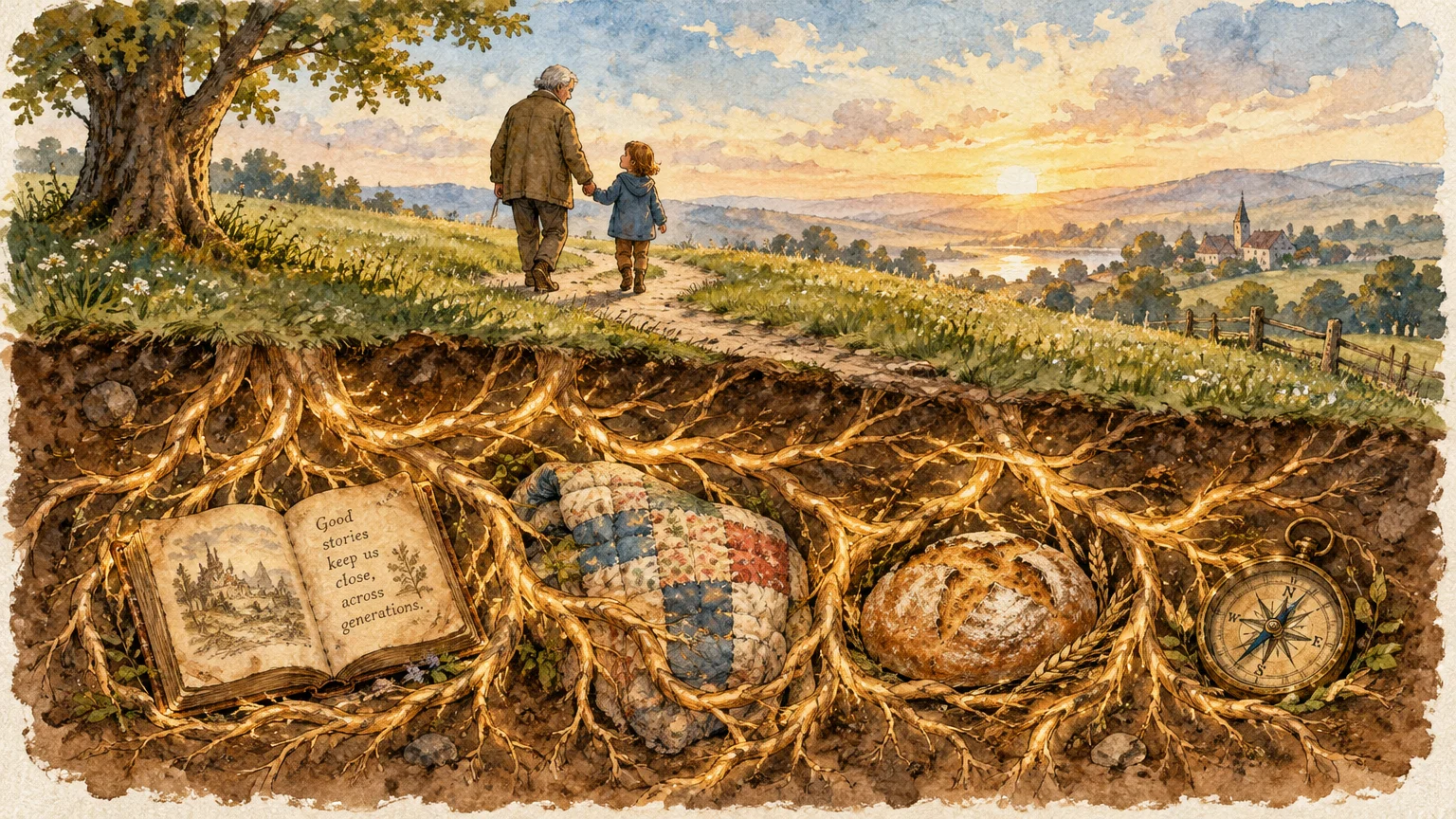
Children thrive when they feel anchored to a broader family story. Knowing where they come from gives them emotional roots during challenging developmental stages.
These rituals also reduce stress for grandparents. Focusing on simple, loving interactions promotes your own mental well-being and sense of purpose.
11 Grandparent Traditions Grandkids Remember for Life
1. The Annual Secret Recipe Day
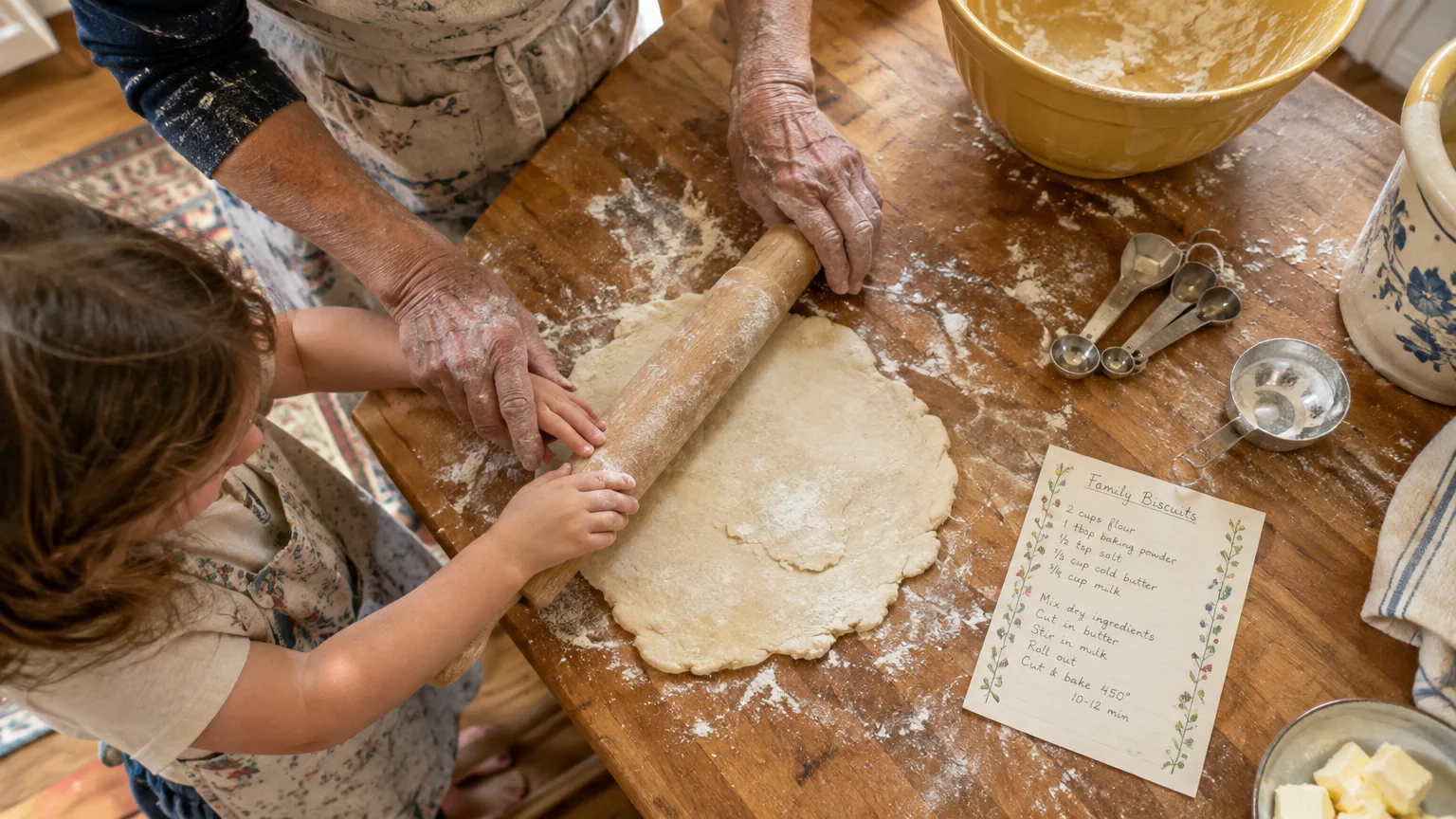
Baking or cooking together turns ordinary kitchen time into a tactile family tradition. Your grandchildren will associate familiar aromas with your home and your loving patience.
Teach them one family meal or simple holiday treat each year. Allow them to stir ingredients, measure spices, and taste the results at every step.
This hands-on work also encourages fine motor skills and sensory exploration. Children gain quiet confidence when they serve food they prepared with their own hands.
Actionable practice: Write out the recipe card by hand and let your grandchild decorate the border with colored pencils.
2. The Mindful Nature Treasure Walk
Take a slow walk through a local park, neighborhood trail, or your own backyard. Children learn mindfulness when they pause to examine pinecones, smooth stones, and unusual leaves.
You do not need to walk far or hike steep trails. The goal is sensory discovery rather than physical exercise or speed.
Encourage your grandchild to touch rough tree bark and listen to birdsong. These sensory details help quiet busy young minds and foster environmental appreciation.
Actionable practice: Keep an outdoor journal where your grandchild sketches one natural object found during each shared walk.
3. Bedtime Audio Letters
Distance or schedule conflicts can make regular visits challenging for busy families. Recording short bedtime audio messages lets your grandchildren hear your calming voice whenever they need reassurance.
You can read a picture book aloud or share a peaceful reflection about your day. These brief audio recordings become treasured family keepsakes that children revisit for years.
Your steady voice provides comfort when a grandchild faces an anxious night or unfamiliar surroundings. It reinforces your loving presence across any physical distance.
Safety cue: Check with the parents first regarding screen-free bedtime hours and preferred digital messaging tools.
4. The Unhurried Story Porch
Dedicate a cozy corner, porch swing, or living room chair exclusively to family storytelling. Children feel deeply anchored when they hear honest tales about their parents growing up.
Share funny mistakes, childhood pets, and life lessons from your own youth. This practice helps children understand their personal roots and fosters healthy identity development.
Grandkids discover that challenges are normal and that people overcome adversity through perseverance. These stories give them emotional blueprints for their own life journeys.
Actionable practice: Ask your grandchild to pick one family photo and tell them the true story behind that exact moment.
5. The Birthday Time Capsule
Celebrate each grandchild’s birthday by saving a few small tokens of their current interests. A shoe box works wonderfully to preserve drawings, ticket stubs, and handwritten notes.
This ritual honors who the child is right now while celebrating their steady growth. You show them that their evolving thoughts and hobbies matter deeply to you.
Reviewing the box in future years creates deep nostalgia and self-awareness. It reminds the growing child of how steadily they have progressed through life.
Actionable practice: Write a one-page letter each birthday noting three specific character strengths you noticed in them this year.
6. The Passing Down of Handcrafts
Knitting, basic woodworking, mending, or gardening teach patience and creative confidence. In our fast digital culture, physical handcrafts give grandchildren a grounding sense of real accomplishment.
Work side by side on small, manageable projects that do not cause frustration. Keep the focus entirely on shared laughter and shared learning rather than polished perfection.
These rhythmic tasks naturally lower anxiety and open up gentle avenues for conversation. Quiet hands often allow hesitant feelings to surface safely.
Actionable practice: Spend fifteen minutes teaching your grandchild one simple stitch, knot, or garden planting technique.
7. The Stargazing Blanket Night
Spread a warm blanket on the grass on a clear summer or autumn evening. Looking into the night sky creates a quiet atmosphere for wonder and spiritual reflection.
You can point out major constellations or simply watch the moon in comfortable silence. Children naturally open up with deep life questions when gazing at the expansive night sky.
This peaceful backdrop makes difficult conversations feel less intimidating for young people. The vastness of space encourages perspective, humility, and awe.
Actionable practice: Lie quietly together for five minutes and name three ambient sounds you hear in the stillness.
8. The Gratitude Garden Bed
Caring for living plants teaches young children gentleness, consistency, and respect for nature. You can plant simple sunflowers, sweet cherry tomatoes, or aromatic herbs in small pots.
Check on the seedlings together during visits and celebrate new green leaves. This shared project offers a tangible metaphor for patience and personal growth.
Gardening demonstrates that care and nurturing yield fruitful results over time. It teaches children to appreciate small daily efforts and natural cycles.
Actionable practice: Dedicate each new sprout to someone your grandchild loves, offering a brief word of blessing as you water it.
9. Rainy Day Living Room Forts
Transform an ordinary rainy afternoon into an imaginative adventure using dining chairs, clothespins, and old bedsheets. Inside the fort, the world slows down and daily worries disappear.
Read books with a small flashlight or enjoy quiet snacks together in your cozy shelter. Grandchildren treasure these whimsical spaces because they represent undivided adult attention.
Simple blanket forts show children that joy comes from creativity rather than costly entertainment. It creates a private sanctuary for laughter and shared secrets.
Safety cue: Ensure furniture anchors securely so heavy objects or tippy tables do not create any tripping hazards.
10. The Wisdom Question Jar
Fill a clean glass jar with handwritten prompts about life, kindness, courage, and feelings. Let your grandchild draw one question to discuss over breakfast or afternoon tea.
Questions like “What made you smile today?” invite honest conversation without feeling like an interrogation. This simple ritual validates their developing inner world and emotions.
Children learn that their opinions and experiences carry genuine weight in the family. This practice builds their confidence and teaches respectful listening skills.
Actionable practice: Write out five open-ended conversation questions tonight using colorful index cards.
11. The Shared Blessing Ritual
End your visits with a predictable gesture of love, such as a special handshake, phrase, or gentle blessing. Consistent departures give children an enduring sense of security and belonging.
You might say, “You are loved, you are capable, and you are always welcome here.” These affirming words echo in a child’s mind long after you say goodbye.
Predictable goodbyes reduce separation anxiety and remind the child that family bonds remain unbroken. They leave your presence knowing their worth is unconditional.
Actionable practice: Create a brief two-sentence farewell phrase that you repeat at the end of every visit.
A Simple Seven-Day Plan to Start Meaningful Rituals
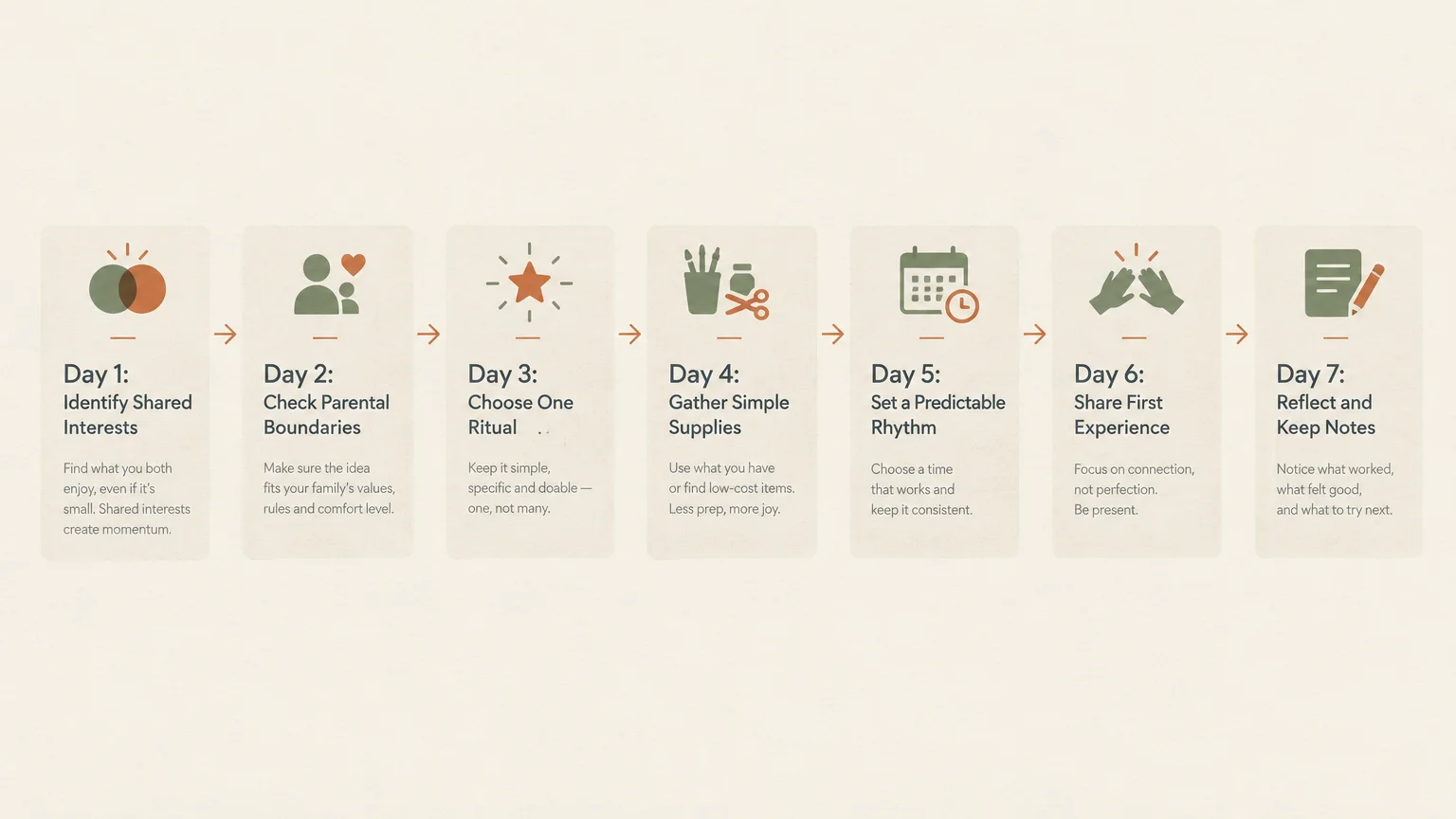
Starting new grandparent traditions does not require sudden overhauls of your family calendar. You can introduce gentle habits gradually over one week to see what fits naturally.
On day one, speak with the parents to discuss ideas and coordinate schedules. On day two, choose one simple ritual that fits your current energy and budget.
On day three, prepare basic supplies like a notebook, seeds, or a recipe card. On day four, invite your grandchild into the plan with gentle enthusiasm.
On day five, host your first ritual session, keeping the activity brief and unhurried. On day six, write a short reflection in your personal journal about what brought you joy.
On day seven, rest and evaluate how the ritual felt for everyone involved. If an activity felt forced, adjust the approach with flexibility and grace.

Navigating Boundaries and Family Dynamics
Healthy grandparenting ideas succeed only when you honor the parenting choices of the adult children. Always consult parents before starting new routines, introducing treats, or planning outings.
Respecting parental rules creates trust and prevents friction inside the wider family system. When parents feel supported, they welcome your grandparent traditions with open arms.
If you feel uncertain, try using a gentle conversation opener. Say: I want to share a simple ritual with the kids, and I want to support your household routine first.
Ask them: What day or activity would work best for your family right now? This question shows respect for their authority while expressing your loving intentions.
Grandparenting also brings emotional tenderness, especially if you carry grief or difficult memories from your own youth. Never use your grandchildren to fill emotional voids or resolve personal loneliness.
Seek personal support from community counselors or pastoral care when processing emotional pain. Healthy adults create safe spaces where grandchildren can simply be children.
Grief and coping resources at the American Psychological Association (APA) and NIH.
Complementary practices via NCCIH.
Mental health support and resources at SAMHSA.
Frequently Asked Questions About Grandparent Traditions
How often should we practice these family traditions?
Consistency matters far more than frequency when building grandkids memories. A predictable monthly or seasonal tradition creates deep security without overwhelming busy family schedules.
What if my grandchildren live far away?
Long-distance grandparenting ideas can still create meaningful family rituals. You can read books together over video calls or mail handwritten letters on the first day of every month.
How do I handle different age groups among grandkids?
Adapt the complexity of the activity while preserving the core ritual. Older grandchildren can teach younger siblings, which builds family unity and personal leadership.
What if a grandchild seems uninterested in a tradition?
Never force participation, as pressure ruins the emotional safety of the ritual. Step back gently, offer quiet companionship, and invite them again when they feel ready.
Can traditions begin when grandchildren are already teenagers?
Teenagers often crave unhurried adult connection more than they admit. Introduce casual traditions like car rides for milkshakes or late-night stargazing that respect their growing autonomy.
Moving Forward with Meaningful Connection
Building grandparent traditions is an act of love that outlives our physical years. The small rituals you share today become the emotional foundation your grandchildren lean on tomorrow.
Take practical action this week by choosing one simple tradition that sparks joy. Schedule a friendly conversation with the parents to confirm their comfort and timing.
Gather any needed supplies quietly without making the preparation stressful or expensive. Focus entirely on being present, listening with patience, and enjoying your grandchild’s company.
Compliance and Editorial Disclaimer
This article is for informational and educational purposes only. It does not provide medical, psychological, financial, or legal advice.
If you experience severe grief, depression, or emotional distress, consult a licensed healthcare professional or trusted counselor. Seek emergency medical care immediately if you face a personal crisis.