
Recognizing that your children may not be your future caregivers preserves your personal autonomy. Planning ahead protects your peace of mind and shields your family from unnecessary strain.
Roughly 70 percent of adults turning 65 will eventually require assistance with daily living. Facing this reality with clear eyes allows you to choose safety over wishful thinking.
Grounded preparation replaces anxiety with quiet confidence. This guide explores the critical warning signs that you cannot rely on kids for care, offering practical alternatives for your future.
The Reality of Modern Family Caregiving
Family dynamics shift across generations. While cultural traditions often assume children will care for aging parents, modern realities make informal caregiving difficult.
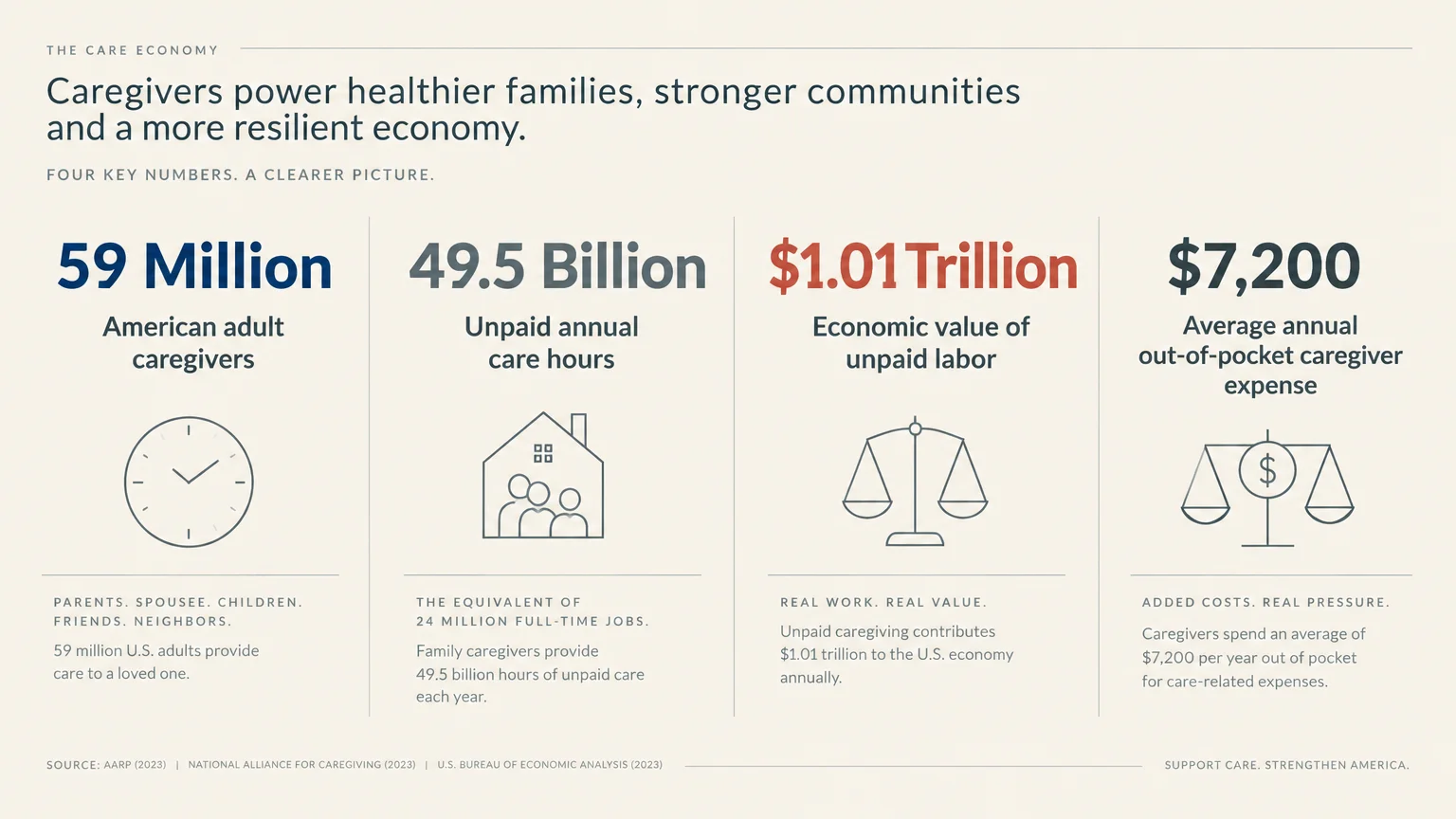
According to research, 59 million American adults provide care to a loved one with complex needs. Over 51 million of those caregivers support someone aged 50 or older.
Unpaid family members provide 49.5 billion hours of care each year. That unpaid labor holds an estimated economic value of $1.01 trillion.
Nearly 1 in 4 family caregivers provides 40 or more hours of care each week. That commitment equals a demanding full-time job on top of existing duties.
Furthermore, nearly 80 percent of family caregivers pay out-of-pocket expenses to help loved ones. These caregivers spend an average of $7,200 per year from their own savings.
These intense financial and logistical demands create significant household pressure. Assessing whether adult children caregiving is realistic for your family protects both your wellbeing and theirs.

10 Warning Signs You Can’t Count on Your Adult Children for Care
Observing your family dynamic objectively requires courage. Look for behavioral patterns rather than relying solely on good intentions.
1. They Avoid Direct Conversations About Aging
Some adult children change the subject whenever you mention future health needs or estate plans. They may laugh nervously or insist that you will live forever.
This avoidance often stems from deep denial or fear of losing you. However, denial prevents practical organization and leaves critical medical decisions unresolved.
If your children refuse to discuss emergency contacts or health directives, they cannot manage complex care duties. Dependable caregiving requires open communication and transparent logistical coordination.
Actionable Practice: Journal about your personal hopes for the future without editing your thoughts. Note the topics that trigger resistance during family dinners.
2. They Face Ongoing Financial Instability
Caregiving carries hidden financial costs that strain vulnerable households. Helping an aging parent often requires unpaid time off work and personal subsidies.
If your child struggles with persistent debt or unstable employment, caregiving could worsen their distress. They cannot reasonably absorb the $7,200 annual expense typical of family caregiving.
Expecting a financially unstable child to assist you places undue stress on both parties. It can also create difficult situations where your resources become intermingled.
Safety Cue: Keep your financial accounts separate and secure. Never use your retirement assets to prop up a struggling adult child at the expense of your own care fund.
3. Heavy Career Demands and Distance Pull Them Away
Modern economic life often requires workers to relocate far from their hometowns. Intense career schedules leave little margin for daily caregiving duties.
An adult child working long hours across the country cannot manage hands-on daily support. Even local children working multiple jobs face severe scheduling hurdles.
Caregiving often demands immediate responses to medical emergencies during ordinary work hours. Children with inflexible professional roles simply lack the required availability.
Actionable Practice: Map your family tree by driving distance and work flexibility. Identify who lives within thirty minutes and who can take unplanned time away from work.
4. Unresolved Historical Grievances and Emotional Friction
Past family trauma rarely disappears when an elder experiences health declines. Caregiving often intensifies dormant resentments between parents and adult children.
If your daily interactions feature passive-aggressive remarks or old grievances, caregiving will heighten that friction. Providing intimate physical support requires patience and mutual respect.
Research suggests that unresolved emotional pain increases caregiver burnout and parental depression. Preserving your dignity requires a peaceful care environment free from lingering hostility.
Safety Cue: Acknowledge persistent emotional distance honestly. For professional support with difficult family transitions, explore resources at the American Psychological Association (APA).
5. They Consistently Minimize Your Physical Needs
Some children dismiss obvious signs of frailty in their parents. They might insist you do not need a cane or downplay a recent fall.
This reaction often reveals confirmation bias, a cognitive pattern where people notice only information confirming their assumptions. They assume you remain vibrant because facing your aging is painful.
When adult children minimize your functional challenges, they will miss critical warning signs. Effective long term care planning requires caregivers who acknowledge your real physical limits.
Actionable Practice: Track your balance, stamina, and daily tasks in a private notebook. Review these objective entries during your regular medical appointments.
6. They Struggle With Addiction or Chaotic Lifestyles
Chronic personal chaos prevents reliable decision-making. If an adult child battles substance use or unstable relationships, they cannot provide safe care.
Vulnerable elders living with unstable relatives face significant risks of unintentional neglect. Medication management and consistent hygiene support demand dependable habits.
Entrusting your daily welfare to someone in active distress compromises your safety. You must seek neutral community alternatives that ensure reliable support.
Safety Cue: If a family member struggles with addiction, you can consult support services through SAMHSA. Protect your medications by keeping them locked in a private safe.
7. Sandwich Generation Demands Deplete Their Energy
Many adult children care for their own growing children while maintaining their careers. These individuals belong to the sandwich generation, pulled between competing responsibilities.
A child balancing school runs and career deadlines possesses little remaining energy. Expecting them to lift you or run your errands can trigger physical exhaustion.
Loving children often want to help, but their time remains structurally limited. Recognizing their existing responsibilities allows you to seek external support without resentment.
Actionable Practice: Observe your child’s weekly routine without judgment. Notice whether they appear tired or rushed during simple social visits.
8. They Offer Vague Promises Without Actionable Steps
Some children make broad claims about moving you into their home someday. Yet they take no concrete steps to prepare their living space or learn about care needs.
Good intentions cannot replace a practical caregiving plan. Custodial care—assistance with daily tasks like dressing and bathing—requires specialized knowledge and accessible physical facilities.
If your child offers grand promises while avoiding paperwork or medical meetings, do not rely on their words. Real care requires formal preparation and clear legal documentation.
Safety Cue: Ask your child to attend one planning meeting with an elder law attorney. Their willingness to schedule and attend reveals their true commitment level.
9. Sibling Resentment Threatens Care Coordination
When multiple adult children argue over who does the most work, care quickly breaks down. Sibling rivalries often resurface around money and daily responsibilities.
One child may shoulder all daily visits while another criticizes decisions from afar. This dynamic creates deep bitterness and leaves the aging parent caught in the middle.
If your children cannot cooperate on simple family tasks, caregiving will spark bitter disputes. Clear elder care options run by objective professionals eliminate sibling competition.
Actionable Practice: Write down your own wishes regarding care proxies and power of attorney. Appoint professionals or decisive individuals who prioritize your wellbeing over family arguments.
10. Your Inner Intuition Senses Resistance
You can often sense subtle hesitation in your child’s voice or body language. They might agree to help but sigh frequently or seem impatient.
Your intuitive perception deserves gentle consideration. While you should not mistake simple tiredness for malice, consistent reluctance signals emotional strain.
Care delivered with visible reluctance erodes your self-esteem and peace of mind. Choosing paid care or community programs preserves warm, loving visits with your child.
Actionable Practice: Practice five minutes of quiet breathing after interacting with your adult children. Notice how your body feels and whether you feel supported or burdensome.

Spiritual Grounding and Emotional Acceptance
Accepting that you can’t rely on kids for care can bring grief. You might feel disappointment or wonder where family expectations went off course.
Grounded spiritual reflection helps process these painful feelings. Viewing the situation with self-compassion shifts your perspective from abandonment to self-empowerment.
Many traditions utilize the gentle Hawaiian practice of Ho’oponopono to release painful attachments. Silently reciting its core phrases brings emotional peace: “I am sorry, please forgive me, thank you, I love you.”
You can direct these phrases toward yourself and your family relationships. Releasing children from expectations frees you to build a proactive, autonomous future.
Holistic wellbeing practices like meditation, gentle stretching, and guided imagery calm the nervous system during major life choices. You can explore evidence on mind-body techniques through NCCIH.
Restful sleep also stabilizes emotional resilience during stressful transitions. Healthy sleep habits and sleep hygiene guidelines can be explored at the Sleep Foundation.

A 7-Day Reflection Plan in Prose
Reclaiming your independence takes deliberate focus over time. This continuous seven-day practice helps you process emotions and develop practical momentum without panic.
On Day 1, focus on honest acknowledgment. Sit in a quiet room for ten minutes and write down your deepest fears regarding future care needs.
On Day 2, practice emotional detachment. Reflect on your adult children as independent adults with distinct limitations rather than as extensions of yourself.
On Day 3, review your personal financial health. Gather bank statements and retirement documents to assess what external resources you can direct toward care.
On Day 4, engage in mindful nature walking. Walk outdoors for fifteen minutes, noticing the changing environment while repeating the affirmation: “I guide my own journey with wisdom.”
On Day 5, research local community resources. Look up your local Area Agency on Aging to discover meal delivery, volunteer drivers, and community centers.
On Day 6, organize your essential paperwork. Place your healthcare proxy, living will, and insurance cards in a labeled binder where emergency responders can find them.
On Day 7, celebrate your self-determination. Treat yourself to a comforting meal or call a trusted friend to celebrate taking proactive ownership of your future.
Understanding Elder Care Options and Associated Costs
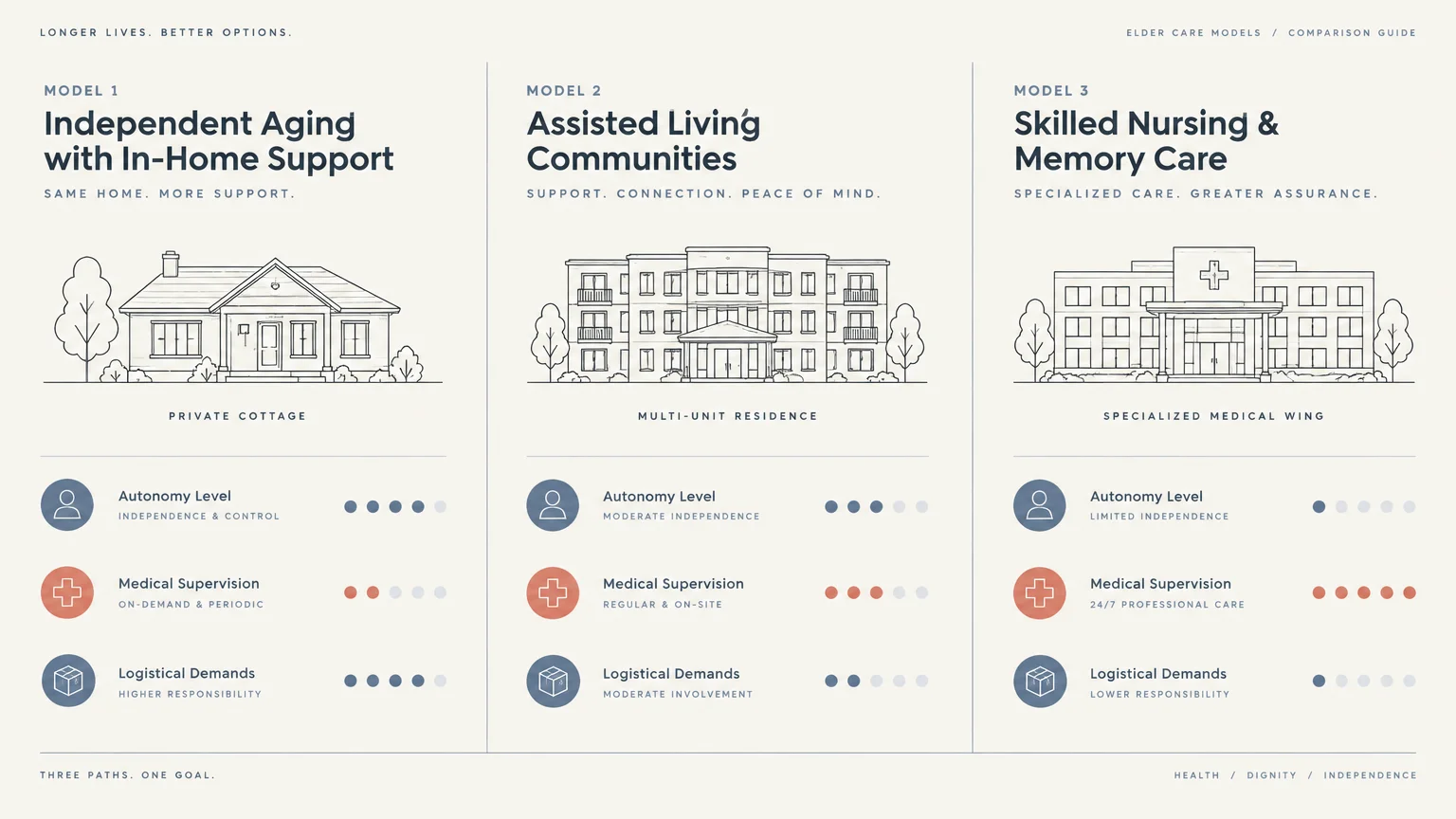
Recognizing the warning signs allows you to explore independent elder care options. Understanding current market costs empowers you to plan realistically for ongoing support.
Standard Medicare does not cover ongoing custodial care. It only pays for short-term, medically necessary skilled nursing or intermittent therapy under strict medical orders.
If you need help with bathing, dressing, or meal preparation, you must pay privately unless you qualify for Medicaid. Consider these verified national median costs when organizing your budget.
In-home non-medical care costs a national median of $35 per hour. Based on 44 hours of care each week, this service totals $80,080 annually.
If you require in-home skilled nursing, private duty nurses cost a national median rate of $90 per hour. Brief clinical home visits average $160 per visit.
Assisted living facilities provide housing, community meals, and personal assistance. A private, one-bedroom unit costs a national median of $74,400 per year, or $6,200 per month.
For more intensive support, adult day health care offers daytime supervision and activities. The national median rate is $95 per day, or roughly $24,700 annually for five days weekly.
Nursing homes deliver around-the-clock medical oversight. A semi-private room costs a median of $114,975 per year, while a private room reaches $129,575 annually.
Reviewing these figures clarifies why relying on children without financial reserves causes strain. Early long term care planning helps you build savings, purchase hybrid insurance, or right-size your home.

Communicating Boundaries and Seeking Guidance
You do not need to deliver a dramatic speech to your family about your decisions. Moving forward with quiet grace protects relationships while establishing healthy personal boundaries.
When adult children offer vague promises, respond with calm clarity. You might say: “I love you, and I value our relationship too much to turn you into my full-time nurse.”
If you need help initiating these family discussions, seek professional mediation. A family counselor, social worker, or trusted faith leader provides a neutral environment for healthy dialogue.
Use this simple script when approaching a professional counselor: “I want to arrange my long-term care plans independently. Can you help me facilitate a gentle conversation with my adult children?”
For comprehensive health and aging information, review public resources provided by the NIH. Reliable medical data keeps your family discussions grounded in verifiable facts.
Stay vigilant against predatory services or high-pressure elder programs. Avoid any agency that demands large upfront non-refundable cash deposits or pressures you to sign contracts without legal review.
Frequently Asked Questions
Does planning for outside care mean my children do not love me?
Not at all. Loving children often lack the financial capacity, emotional stamina, or physical strength to manage complex care demands.
When should I begin long term care planning?
You should begin planning in your fifties or early sixties. Early planning provides better insurance options and allows for deliberate, unhurried decisions.
What is custodial care versus skilled nursing?
Custodial care involves non-medical help with daily living activities like dressing and eating. Skilled nursing involves licensed medical treatment ordered by physicians for specific conditions.
Can I use Medicaid to pay for elder care options?
Medicaid covers long-term care for individuals who meet strict income and asset thresholds. You should consult an elder law attorney to understand your state regulations.
How do I handle the sadness of releasing family expectations?
Give yourself permission to grieve the idealized family dynamic. Focus on the positive reality that professional care preserves affectionate parent-child bonds.
Next Steps for Personal Peace
Stepping forward into your future with autonomy brings immense dignity. You do not have to settle all logistics in a single afternoon.
This week, choose one concrete action step. Schedule an exploratory consultation with an elder law attorney or an accredited financial planner.
Next, visit a nearby independent or assisted living community just to observe the environment. Gathering firsthand observations replaces fear of the unknown with practical insight.
Finally, continue to foster loving social connections beyond your immediate family. Cultivating rich community friendships ensures you remain supported, engaged, and joyful throughout your golden years.
Compliance and Legal Notice
This article is provided for informational and educational purposes only. It does not constitute formal medical, psychological, financial, or legal advice.
If you are struggling with emotional distress, consult a licensed healthcare professional or spiritual advisor. Contact emergency services immediately if you face an urgent health crisis.