You can spot subtle behavioral shifts when a partner secretly fears losing you. Recognizing these protective actions helps you respond with genuine warmth and calm understanding.
Many older adults notice heightened sensitivity after major life changes like retirement, illness, or bereavement. Seeing these unspoken concerns gives you the power to restore shared peace and mutual trust.
This guide outlines ten unmistakable clues that reveal deep devotion beneath relationship insecurity. You will also discover simple, practical steps to nurture emotional safety and mutual trust together starting today.
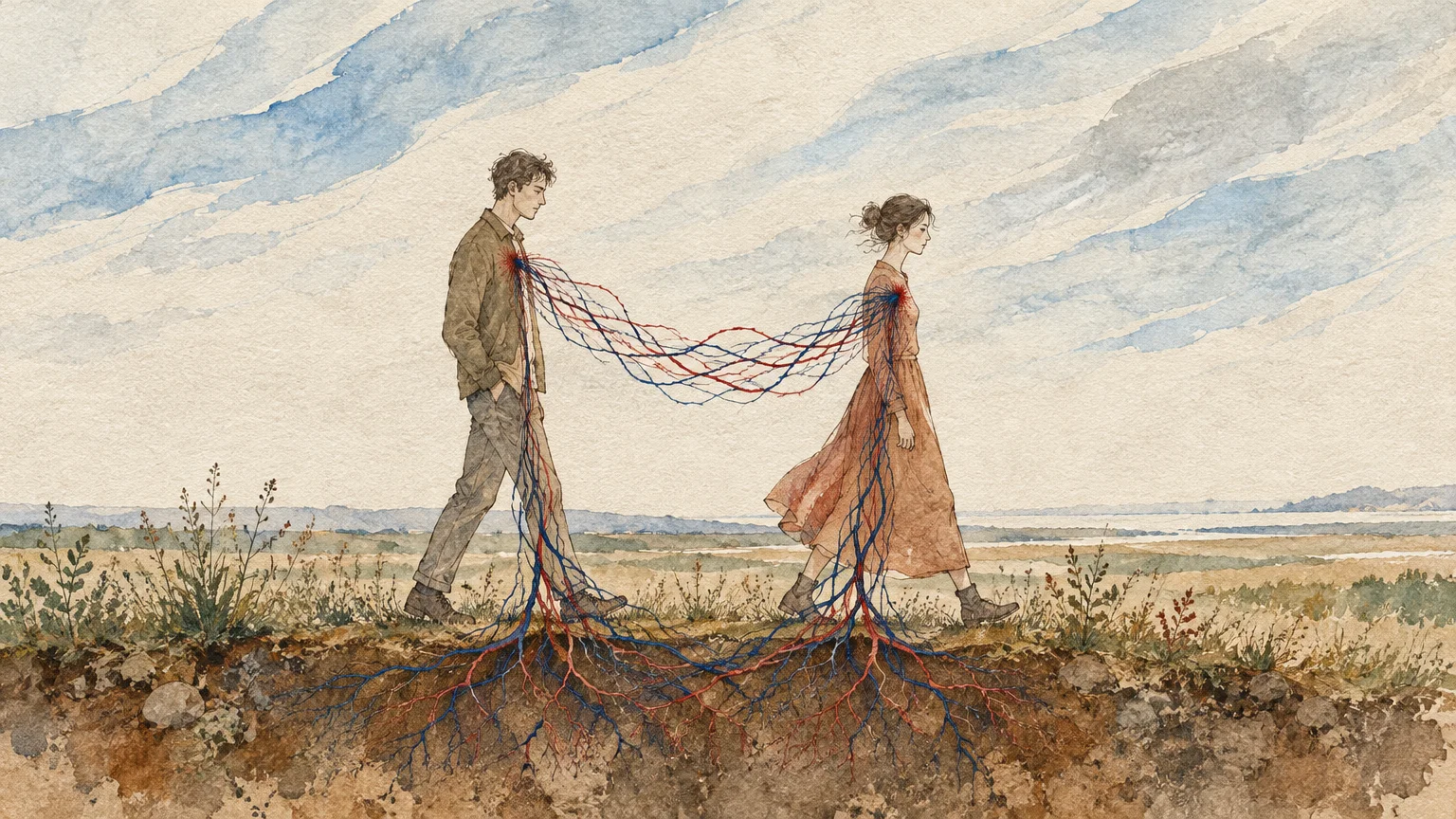
Understanding the Fear of Losing Partner Bonds
Deep relationships naturally foster vulnerability. When you share your life with someone, the thought of separation stirs profound emotional waves.
Psychologists call this experience relationship insecurity. It occurs when a person worries about the stability or permanence of their romantic connection.
Attachment theory explains how past romances shape our adult bonding habits. An anxious attachment style often leads a person to seek constant connection.
Past losses or retirement can easily trigger this fear of losing partner companionship. Your partner may worry about becoming unneeded, lonely, or left behind.
Many people mistake these behaviors for possessiveness. In truth, these actions often stem from deep devotion and protective love.
You can read more about healthy emotional bonding through the American Psychological Association (APA).
10 Clues Your Partner Is Scared of Losing You
1. They Check In Frequently Throughout the Day
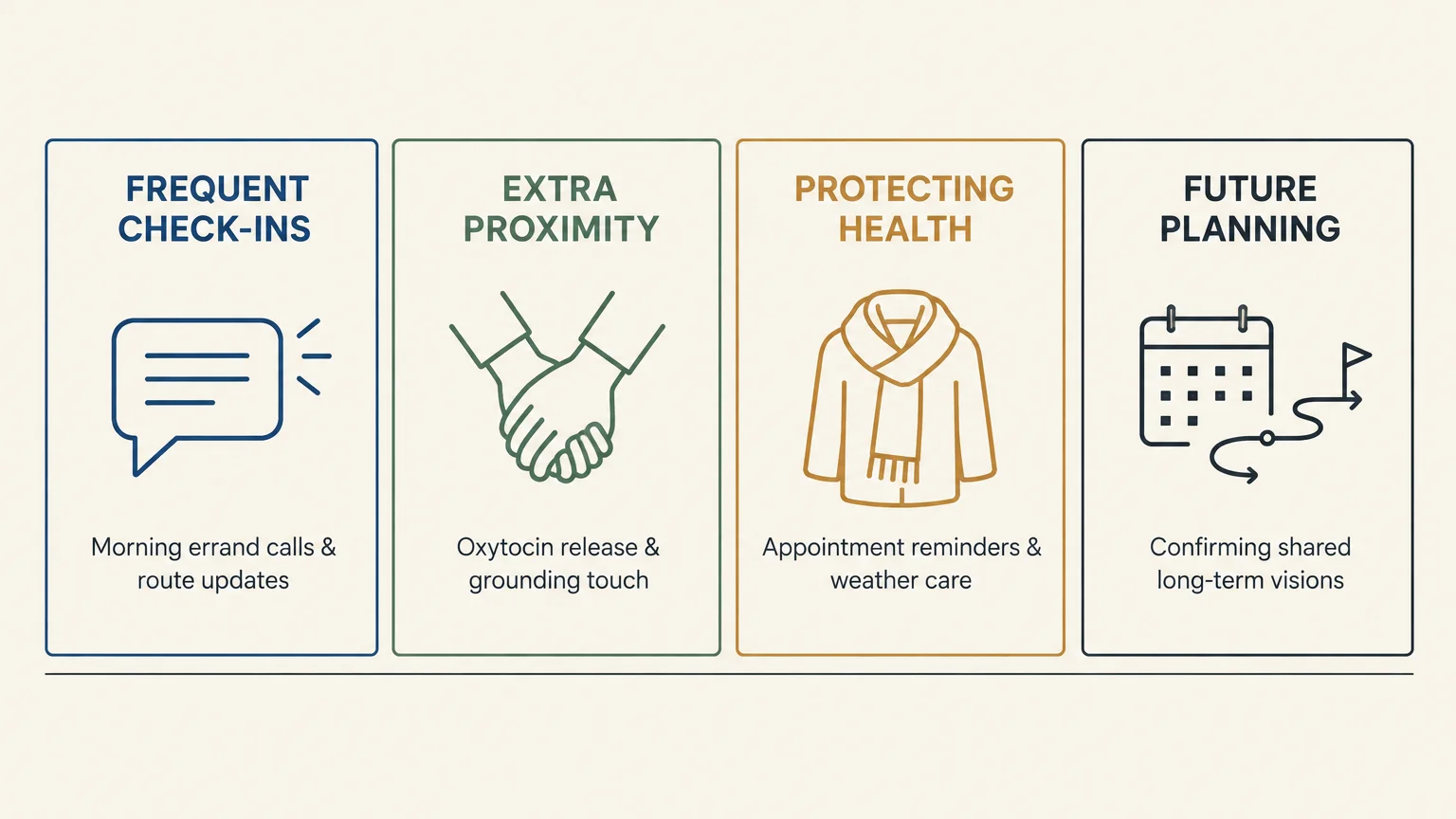
Your partner might call just to hear your voice during your morning errands. They ask about your schedule and verify that you arrived safely at your destinations.
This habit shows a quiet desire to stay connected to your daily rhythm. They feel secure when they know where you are and that you are well.
Try this mindful habit: Send a proactive text before they ask. A simple update like “Running into the market now” provides instant peace.
2. They Seek Extra Physical Proximity
You may notice your partner holding your hand during car rides or leaning against your shoulder on the sofa. They desire comforting physical touch more than usual.
Touch releases oxytocin, a hormone that calms the nervous system and deepens emotional bonds. Your physical proximity reminds your partner that you remain anchored by their side.
Try this simple practice: Offer a warm, ten-second hug each morning. That brief contact grounds your shared energy before the day begins.
3. They Actively Protect Your Health and Comfort
Your partner may remind you to take your medication or schedule routine doctor appointments. They might urge you to wear a jacket whenever the weather turns cool.
This caretaking behavior often reflects subtle fears of illness or mortality. Their attentiveness reveals a protective desire to keep you safe and strong.
Try this mindful check-in: Thank your partner for their thoughtfulness instead of feeling managed. Expressing appreciation honors the tenderness behind their worry.
4. They Bring Up Future Plans Regularly
Your partner might talk constantly about next summer’s garden or a vacation planned two years ahead. They want your explicit agreement on these upcoming visions.
Discussing the future helps fearful partners confirm that you still see them in your horizon. Concrete plans soothe anxiety by reinforcing long-term commitment.
Try this reflective prompt: Write in your private journal about three shared dreams you wish to pursue together over the coming year.
5. They Try to Resolve Arguments Immediately
Does your partner hate going to bed with unresolved tension? They may apologize quickly or seek peace right away after a disagreement.
Conflict feels threatening to someone who fears losing you. They worry that prolonged silence might widen the emotional distance between you.
Safety cue: Never rush past important feelings just to stop conflict. You can offer a soothing pause: “I love you, and I need twenty minutes to think.”
6. They Seek Direct Verbal Reassurance
Your mate might ask casual questions like “Are we okay?” or “Do you still enjoy my company?” These inquiries reveal a search for comfort.
Emotional fatigue or quiet doubts can trigger this need for verbal security. Hearing your sincere affection helps them quiet internal worries.
Try this communication habit: Offer spontaneous compliments once a day. Praising their presence reassures them before doubts have room to grow.
7. They Treasure Keepsakes and Past Milestones
A partner scared of losing you often revisits old photo albums, love letters, or sentimental gifts. They speak fondly of your early romantic memories together.
Reminiscing anchors your partner in the history you built as a team. It reassures them of your enduring connection through changing seasons of life.
Try this shared activity: Spend twenty minutes looking through a photo album together. Celebrating your history validates the depth of your shared journey.
8. They Show Brief Flashes of Insecurity Around Others
Your partner might appear quiet or tense when you make new friends or join new clubs. They may ask detailed questions about your independent social plans.
This mild anxiety rarely stems from anger. Instead, it reflects a fear that new interests might replace your shared bond.
Safety cue: Distinguish gentle insecurity from controlling demands. Reassure their unique place in your heart while maintaining your healthy social independence.
9. They Perform Thoughtful Acts of Service
Your partner may start your car on cold mornings or prepare your favorite tea unexpectedly. They look for small ways to make your daily routine easier.
These acts serve as visible signs your partner loves you deeply. They want to prove their enduring value as an attentive, supportive companion.
Try this response: Notice their effort out loud and offer genuine thanks. Validating their contribution helps them feel cherished and essential.
10. They Openly Confide Their Fear of Loneliness
In quiet moments, your partner may share worries about growing older or facing life alone. They might mention how lost they would feel without you.
Opening up about mortality requires immense vulnerability. When a partner shares these tender thoughts, they trust you with their deepest emotional truth.
Try this supportive response: Listen with empathy without dismissing their feelings. Say: “I hear your heart, and I am grateful for our life together.”
Practical Ways to Build Emotional Safety Together
Addressing relationship insecurity requires patience, gentle honesty, and clear emotional boundaries. You can guide your connection into deeper calm with intentional daily habits.
Begin by acknowledging your partner’s feelings without defensiveness. Validating emotional sensitivity builds a secure foundation for mutual trust.
You can find helpful research on emotional wellness through the NIH.
A Seven-Day Reassurance Practice Plan
You can strengthen your connection through a simple seven-day routine in prose. Follow these focused steps each day to foster calm affection.
On Monday, express specific verbal appreciation for one supportive thing your partner does. On Tuesday, spend fifteen uninterrupted minutes discussing their day without looking at screens.
On Wednesday, offer an unexpected gesture of affection like a morning note or hand squeeze. On Thursday, talk openly about a fun shared goal for the coming weekend.
On Friday, take a calm twenty-minute walk together outdoors in quiet companionship. On Saturday, cook a nourishing meal together while reminiscing about an enjoyable past memory.
On Sunday, check in with an open question about how you both felt supported throughout the week. This steady rhythm builds enduring security over time.
Mindful Grounding and Calming Rituals
Mindful practices help both partners regulate stress and soothe emotional overwhelm. Simple breathing exercises bring the body into a state of calm ease.
Many couples find comfort in traditional Ho’oponopono phrases. Silently repeating “I am sorry, please forgive me, thank you, I love you” restores internal balance.
You can also take a silent nature walk together once a week. Moving through green spaces calms the mind and softens conversational friction.
Reflective Journaling Prompts for Clarity
Writing in a journal helps you process your own feelings about your partner’s anxiety. Take ten minutes in a quiet space to explore these questions.
Ask yourself: What specific actions from my partner make me feel most valued? How can I communicate my own boundaries while still offering compassionate reassurance?
Notice any cognitive tendencies like confirmation bias, where you only see moments of insecurity rather than everyday strength. Writing brings balanced perspective to your thoughts.
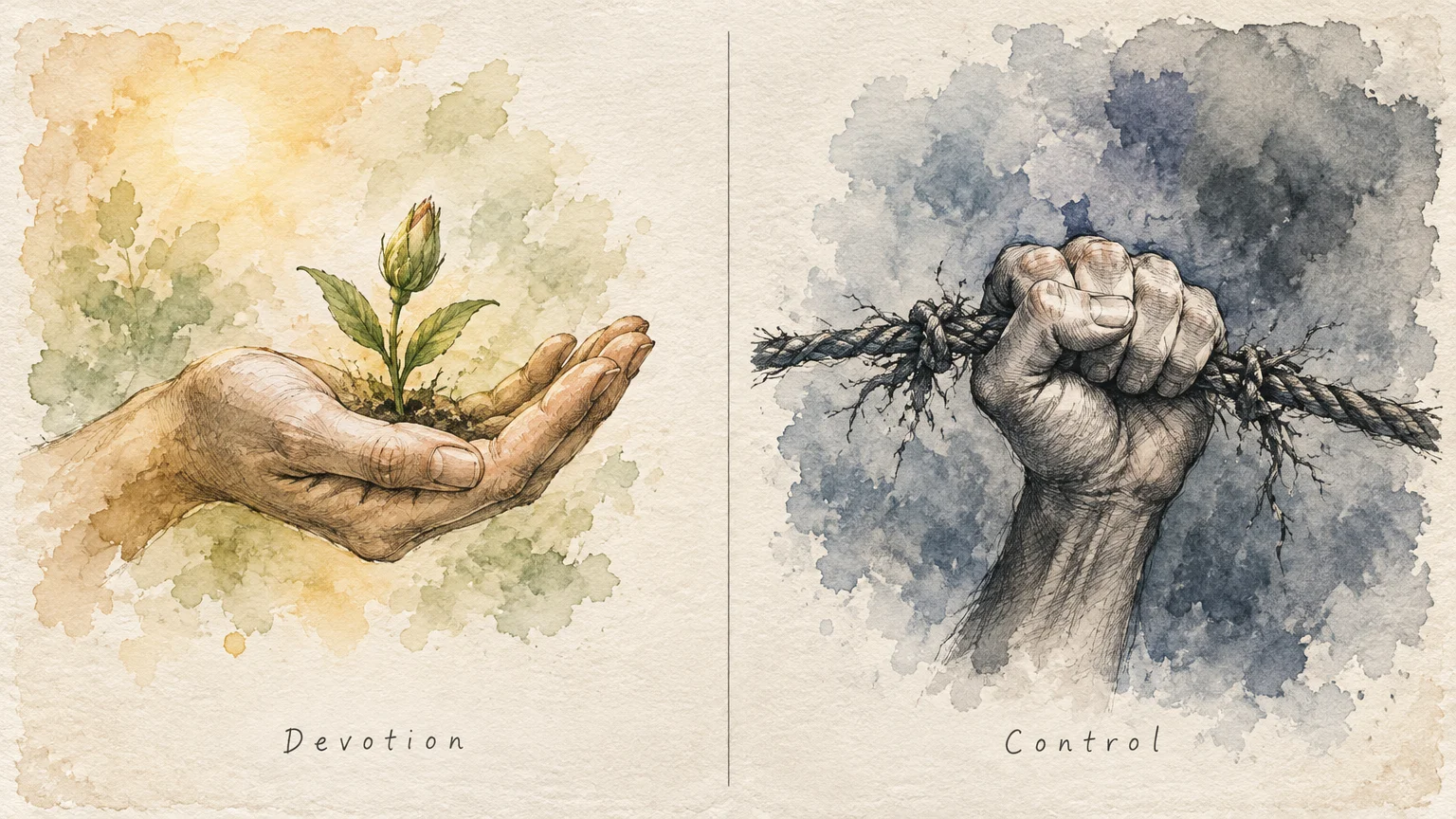
Distinguishing Loving Devotion from Unhealthy Control
It is vital to distinguish healthy attachment from controlling behavior. A caring partner seeks reassurance, while an unhealthy partner demands complete isolation from friends or family.
Watch for red flags such as excessive monitoring of your phone, unreasonable accusations, or emotional guilt trips. Loving connection always respects personal freedom and mutual autonomy.
Healthy relationships require a balance between togetherness and healthy individuality. True love allows both partners to grow as distinct individuals.
If relationship anxiety turns into intimidation or distress, seek guidance from licensed professionals. Mental health resources are available through SAMHSA.
Sample Conversation Opener for Couples
Approaching your partner about relationship insecurity requires soft phrasing. Choose a quiet evening when neither of you feels rushed or tired.
You might say: “I love our life together and appreciate how much you care for our bond. Sometimes I sense you worry about us, and I want to hear what you are feeling.”
If you prefer neutral support, consider speaking with a family therapist or trusted pastoral counselor. A standard sixty-minute counseling session often costs between eighty and one hundred fifty dollars.
Frequently Asked Questions
Why does relationship insecurity appear suddenly in mature partnerships?
Major life transitions like retirement, empty nesting, or physical aging can trigger vulnerability. These shifts alter daily routines and make people contemplate loss more frequently.
How can I reassure my partner without sacrificing my own independence?
Set clear communication rhythms before you engage in independent hobbies or outings. Giving a brief schedule update calms anxiety while preserving your personal freedom.
What is the difference between love and possessiveness?
Loving devotion respects your boundaries and celebrates your happiness. Possessiveness seeks to restrict your choices, monitor your relationships, and dictate your time.
Can mindfulness practices help calm a partner scared of losing you?
Mindful breathing, grounding walks, and guided imagery can calm an overactive nervous system. You can explore evidence-based integrative health resources through NCCIH.
How does past grief impact current relationship security?
Unresolved grief often heightens the fear of future loss. When someone loses a parent, spouse, or friend, they become hyperaware of mortality.
Gentle patience helps a grieving partner heal. Encourage open dialogue about past losses to untangle old sorrow from present security.
Nurturing Lasting Peace in Your Relationship
Recognizing the clues that your partner fears losing you allows you to meet anxiety with compassion. Thoughtful communication and small daily affirmations build a resilient bridge between hearts.
Take concrete steps this week to nurture mutual comfort. Start by choosing one simple appreciation to voice each morning.
Next, establish a predictable daily check-in habit that keeps both of you grounded. Notice how your partner responds when you offer clear reassurance before they ask.
Finally, protect your healthy boundaries with kindness and patience. Loving relationships flourish when both partners feel safe, cherished, and free to grow.
Emotional Wellbeing Disclaimer
This article provides informational perspectives on relationship wellness and is not clinical or psychological advice. If you experience severe distress or relationship conflict, consult a licensed counselor or physician.