Your early routines and childhood habits quietly direct your daily choices today. Recognizing these patterns gives you practical clarity and gentle control over your emotional wellbeing.
Many adults over fifty find deep peace by tracing everyday stress back to early family experiences. This mindful reflection lets you honor old survival skills while releasing burdens that no longer serve you.
Learning how childhood shapes you brings lasting self-compassion. Explore ten common childhood behaviors and practical ways to turn their lasting echoes into present strengths.
Understanding How Childhood Experiences Shape Your Present
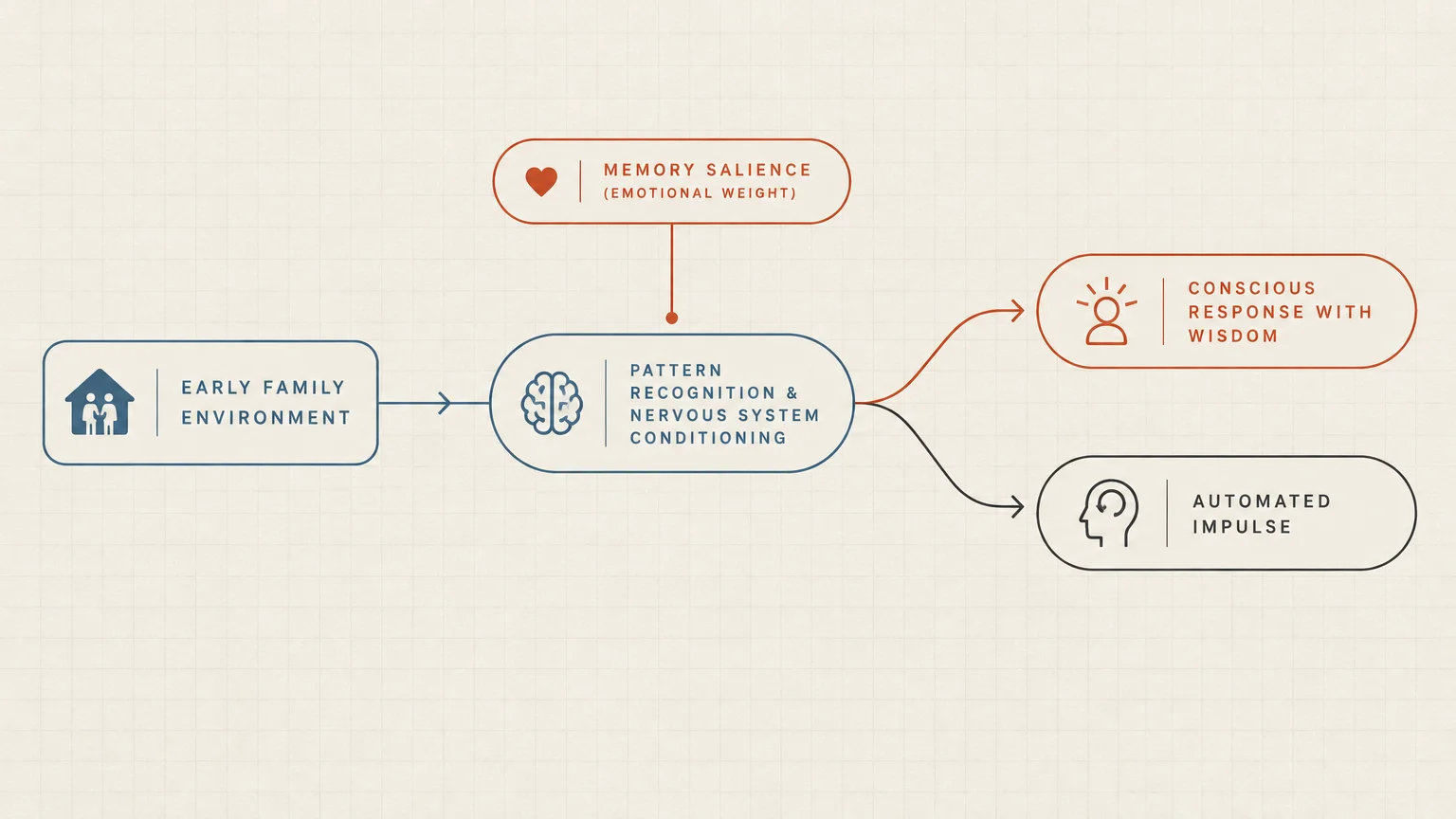
Developmental psychology shows that your early environment builds your foundational nervous system responses. You learned how to interpret safety, belonging, and distress during your earliest years.
The brain relies on pattern recognition and behavioral conditioning to conserve mental energy. This means you repeat childhood habits that once brought you comfort, attention, or physical safety.
Research from the American Psychological Association (APA) highlights how childhood experiences shape lifelong emotional health. Your past choices were creative ways to adapt to your family world.
Memory salience also plays an active role in your daily reactions. Salience describes how your brain highlights memories connected to intense emotional events.
When you face a similar situation today, your nervous system recalls the old reaction. You might feel tense or cautious without understanding the root cause.
Understanding the psychology childhood experiences uncover helps you respond with wisdom rather than impulse. You can keep what supports your life and gently leave the rest behind.

10 Things You Did as a Kid That Influence Your Life Today
Each childhood behavior served a specific purpose when you were growing up. Here is how ten common childhood habits continue to direct your adulthood.
1. Hiding Your Feelings to Keep the Peace
Many children learn to quiet their feelings when their home feels tense or unstable. You might have swallowed your tears to avoid upsetting an overwhelmed parent.
Today, this pattern can show up as conflict avoidance or difficulty expressing personal needs. You may worry that speaking your truth will drive loved ones away.
Try this journaling prompt when you feel hesitant to speak up. Write down: What honest boundary do I need to express for my own peace?
2. Daydreaming and Building Imaginary Worlds
Staring out the classroom window or inventing elaborate stories was a common childhood pastime. This creative play provided a safe mental refuge during lonely or boring afternoons.
In mature adulthood, this habit fuels your imagination and problem-solving abilities. However, it can also tempt you to detach when current realities feel painful or difficult.
Practice a mindful five-minute pause each afternoon. Sit quietly, observe your physical surroundings, and bring your attention back to the present moment.
3. Rushing to Finish Tasks or Chores
Some children hurried through their chores to avoid criticism or earn quick praise. You learned to measure your safety by how fast you could work.
As an adult, this instinct creates a constant sense of time urgency. You may find it difficult to sit quietly without feeling productive.
Adopt a simple sensory slow-down habit this week. Drink a warm cup of herbal tea without checking your phone or planning your day.
4. Collecting Found Objects in Nature
Filling your pockets with smooth stones, acorns, or sea glass was an early act of wonder. These natural treasures offered tactile comfort and a quiet connection to the earth.
That habit often evolves into a deep appreciation for grounding environments today. It reflects an innate drive to find stability in physical spaces.
Take a mindful outdoor walk this week. Pick up one fallen leaf, observe its intricate veins, and notice your breathing slow down.
5. Reading Books Under the Bed Covers
Reading late into the night with a flashlight gave you private autonomy. You built an intimate sanctuary where you controlled what entered your mind.
Today, this tendency can keep you up past midnight seeking quiet time. Sleep researchers call this habit bedtime procrastination.
Protect your evening rest by setting a firm lights-out schedule. Review resting guidelines at the Sleep Foundation to build restorative sleep routines.
6. Performing to Earn Grown-Up Approval
Earning high marks or being the funny kid often helped secure positive attention. You learned early that personal achievement brought warmth and safety.
In adulthood, this conditioning can lead to exhaustion and overwork. You may feel worthy only when you are producing results for others.
Practice a mindful worth check each morning. Remind yourself that your personal value exists because you are here, not because of what you accomplish.
7. Caretaking for Parents or Younger Siblings
Many children were thrust into adult duties before they were emotionally ready. Psychologists call this role reversal parentification.
This early burden often makes you an empathetic and dependable adult friend. Yet it can also cause you to neglect your own health to manage others.
Use this personal boundary check before saying yes to a request. Ask yourself if this problem is yours to solve or if you are rescuing someone.
8. Fearing Mistakes and Chasing Perfection
If a spilled glass of milk brought harsh scolding, you learned to fear errors. You developed perfectionism as a practical shield against emotional distress.
In your mature years, this fear can trigger procrastination or chronic self-doubt. You might hesitate to try new hobbies because you dislike beginner awkwardness.
Speak a compassionate phrase when you make a simple error. Remind yourself aloud that mistakes are natural steps in learning and you are safe.
9. Playing Outdoors Until the Streetlights Came On
Unstructured outdoor play taught you how to navigate physical risk and read social cues. You relied on your instincts and learned to trust your body.
This freedom often instilled a strong sense of personal resilience that remains with you. It reminds you that you can handle unexpected turns in life.
Try a somatic grounding exercise when modern routines feel overwhelming. Step outside, feel the solid ground beneath your shoes, and breathe in fresh air.
10. Creating Secret Forts and Hiding Places
Draping blankets over kitchen chairs gave you a safe world of your own making. You sought a quiet space where you set the physical boundaries.
As an older adult, you likely value personal privacy and a peaceful home sanctuary. Chaos or clutter can make you feel unsettled and emotionally depleted.
Dedicate a cozy corner in your home for silent reflection. Place a comfortable chair and a soft blanket there to honor your lifelong need for sanctuary.

Practical Ways to Reflect on Childhood Memories Safely
Reflecting on your early years can awaken tender feelings. Gentle, no-cost practices allow you to explore your past without feeling overwhelmed.
You can use a simple seven-day practice plan to observe your early instincts. Follow this plan at your own pace without pressure.
On days one and two, write down three childhood habits you still practice today. Notice if those behaviors bring you calm or cause subtle anxiety.
On days three and four, observe your physical body when stress arises. Notice if your shoulders lift or your stomach tightens like they did when you were young.
On days five and six, practice self-forgiveness for old coping habits. Use the simple Ho’oponopono phrases: I am sorry, please forgive me, thank you, I love you.
On day seven, choose one childhood interest to revisit for pure joy. Paint a simple picture, plant flower seeds, or listen to favorite childhood music.
If you prefer structured support, you may consider books or professional therapy. Always check practitioner credentials before paying for guidance or workshops.
A standard therapy session typically costs between one hundred and two hundred dollars. Many community health clinics offer sliding scale fees based on your income.
You can also speak with a trusted counselor or faith leader about early memories. Clear conversation openers make this dialogue easier to begin.
Try this conversation opener: I am noticing childhood habits that affect my current relationships. Can you help me process these early memories safely?
Explore complementary wellbeing practices through the NCCIH. Their guides explain how mindfulness and meditation support physical and emotional health.

Healthy Boundaries and Emotional Safeguards
Revisiting childhood memories can sometimes touch unresolved grief or early trauma. Your emotional safety must always remain your highest priority.
Be cautious of high-pressure wellness programs or unverified life coaches. Walk away if anyone promises instant healing or demands large upfront payments.
Legitimate counselors respect your pace and encourage personal autonomy. They never demand secrecy or isolate you from loved ones.
Never replace necessary medical care or mental health treatments with personal reflection. Mindful practices should complement professional medical support.
If early memories trigger intense distress, reach out for qualified guidance. You can find confidential support and treatment options at SAMHSA.
Find helpful grief and coping resources at the American Psychological Association (APA) and the NIH.
Balancing Scientific Evidence and Personal Meaning
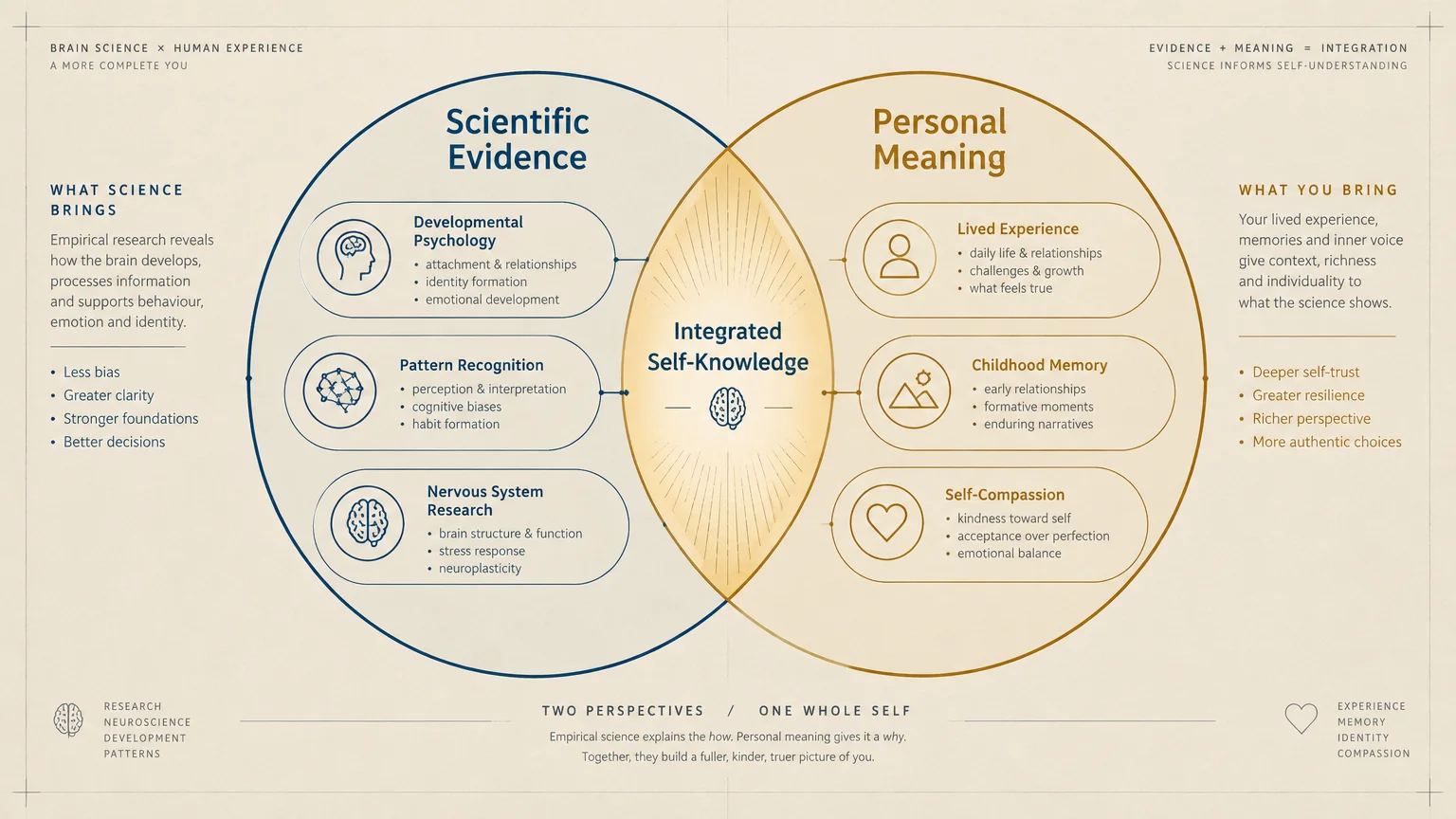
Many people interpret childhood tendencies through a spiritual lens. You might view an early love for nature as a soul calling or life purpose.
Others prefer biological and psychological explanations. Science suggests that your early behaviors were survival strategies shaped by family dynamics.
Both perspectives offer valuable comfort and understanding. You do not have to choose between scientific facts and personal meaning.
Be mindful of confirmation bias as you evaluate your past. Confirmation bias occurs when your brain notices only evidence that confirms your existing beliefs.
If you believe your childhood was entirely difficult, your brain will hide gentle memories. Consciously recall moments of small kindness and safety from your early years.
Frequently Asked Questions
Can childhood habits change after age fifty?
Yes, neuroplasticity allows your brain to form new neural pathways at any age. Consistent, mindful daily habits can rewire lifelong emotional reactions.
How do I know if a childhood memory is accurate?
Human memory is reconstructive rather than an exact recording. While specific details may shift over time, the emotional truth of your experience remains valid.
Is it normal to feel sudden grief when recalling childhood play?
Yes, remembering early innocence can awaken grief for lost years or missed opportunities. Allow these emotions to move through you without judgment.
What is the difference between healthy nostalgia and dwelling on the past?
Healthy nostalgia brings warmth and gratitude for past experiences. Dwelling on the past creates paralysis and prevents you from engaging with your present life.
How does childhood influence adulthood in close relationships?
Early attachment bonds teach you how to trust and communicate with partners. Recognizing childhood influence adulthood helps you build secure and supportive relationships.
Moving Forward With Compassion
Your childhood habits were resourceful ways to navigate a complex world. As an adult, you hold the power to choose which behaviors you carry forward.
Take three practical steps this week to integrate what you have learned. These gentle actions will support your present peace and personal growth.
First, select one childhood behavior from this guide to observe over the next three days. Track when this instinct appears during everyday conversations.
Second, practice one grounding habit whenever you feel childhood stress rising. Step outdoors, breathe deeply, or rest your hand on your heart.
Third, verify your emotional boundaries with family members or friends. Speak your needs clearly, and remember that protecting your peace is healthy.
Disclaimer: This article is for informational purposes only. It does not provide medical, psychological, financial, or legal advice.
If you are struggling with grief or anxiety, please speak with a licensed professional or trusted faith leader. Seek urgent care immediately if you face a crisis.