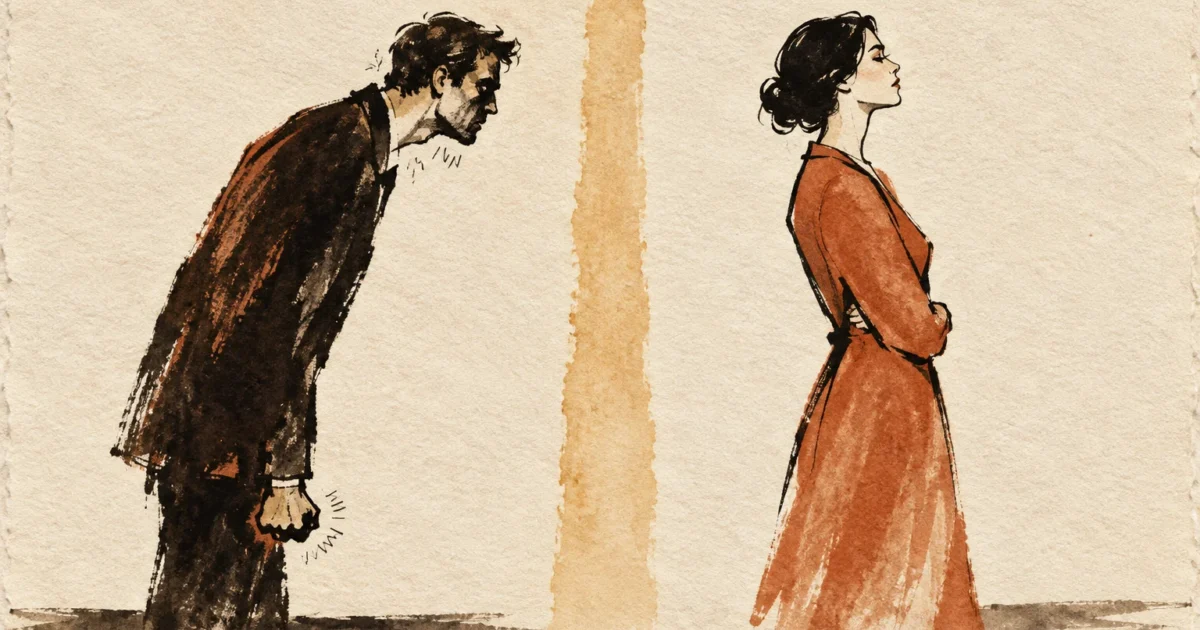
Learning to spot physical signs of hatred protects your emotional wellbeing and daily peace. When you recognize hostile nonverbal cues, you can set healthy personal boundaries with steady confidence.
Deep animosity rarely stays hidden behind polite social manners. The human nervous system triggers involuntary physical reflexes that reveal resentment long before someone speaks an unkind word.
This gentle guide examines ten clear physical reactions linked to hostility. You will discover how to observe these patterns objectively while protecting your personal dignity and calm.
Understanding Body Language and Hostility
Body language reading requires patience and objective observation. Humans constantly broadcast their internal feelings through posture, facial micro-expressions, and subtle physical shifts.
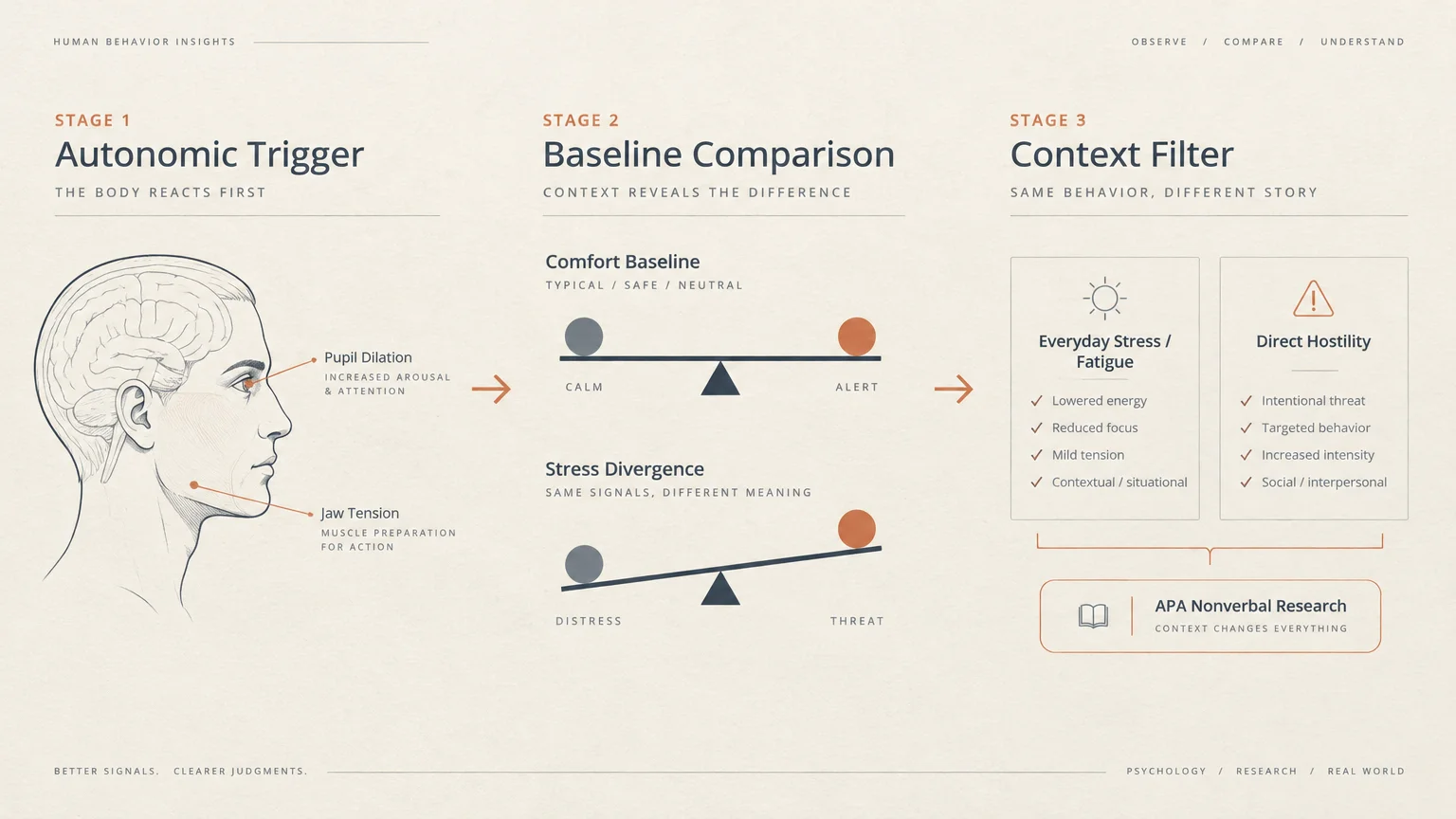
Strong negative emotions activate the autonomic nervous system. This biological system regulates involuntary physical responses like blood flow, muscle tension, and pupil dilation.
When someone feels intense resentment, their body prepares for confrontation or avoidance. These physical reactions happen faster than conscious thoughts can hide them.
You must establish a person’s normal baseline behavior before judging their actions. A baseline is simply how someone acts when they feel safe and comfortable.
Context also matters when you evaluate physical signs of hatred. Everyday stress, physical exhaustion, or social anxiety can easily mimic signs of hostility.
Research from the American Psychological Association (APA) highlights how chronic stress alters nonverbal behavior. Staying objective prevents you from misinterpreting an innocent habit as malice.
10 Physical Reactions That Show Hatred
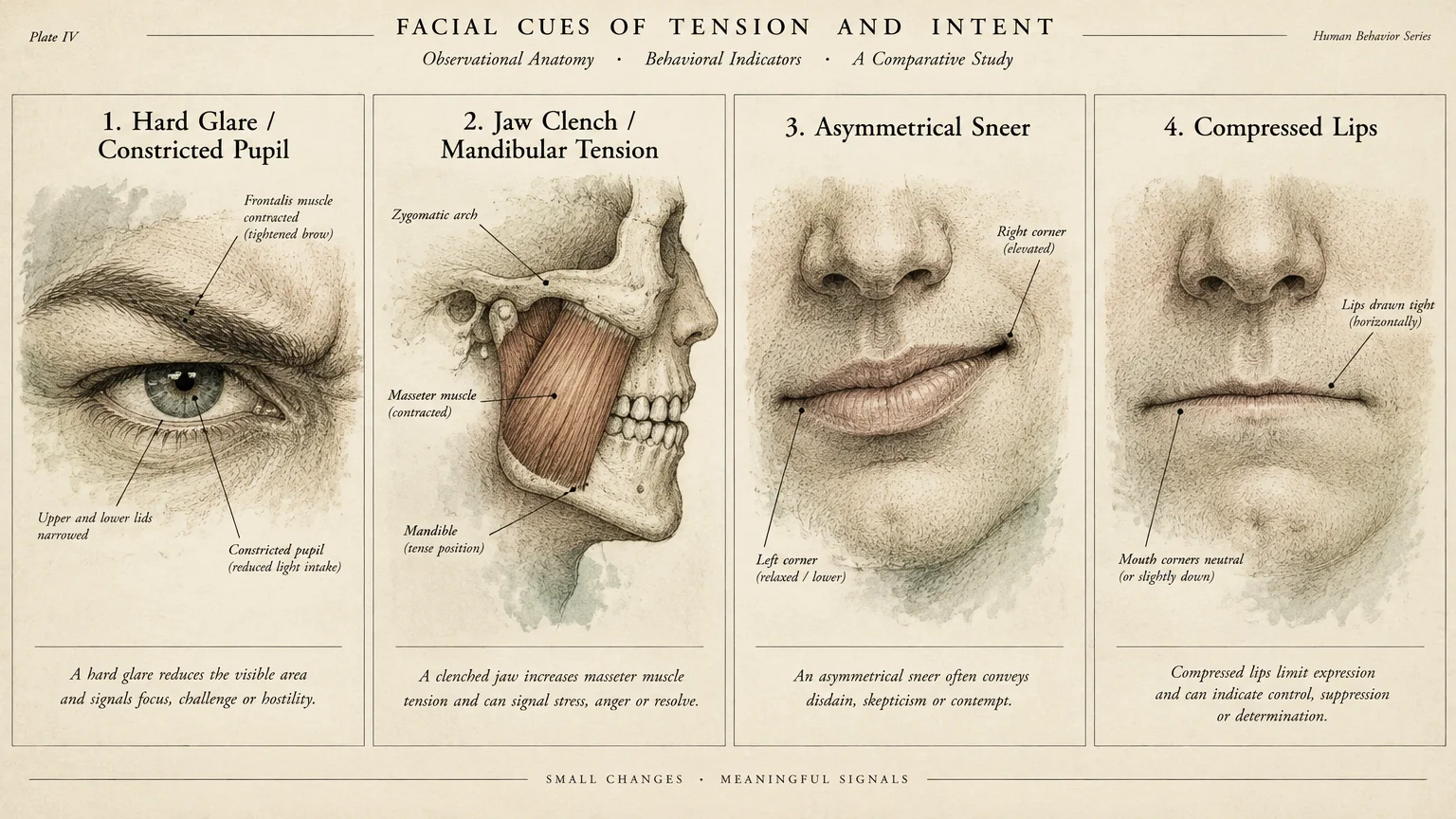
1. The Hard, Prolonged Glare
Intense, unbroken eye contact often signals hostility or a desire for dominance. Unlike a warm gaze, a hateful glare feels cold, rigid, and threatening.
The person may narrow their eyelids while locking their gaze onto your face. Their pupils may also constrict slightly as their brain processes a threat.
Safety Cue: Break direct eye contact smoothly if you sense rising hostility. Shift your gaze toward a neutral object in the room to de-escalate tension safely.
2. Jaw Clenching and Mandibular Tension
Hostility frequently gathers in the jaw muscles. When someone harbors deep resentment, they often grind their teeth or tighten their jaw unconsciously.
You might see the chewing muscles bulge along their jawline during conversations. This tightening reflects suppressed anger and an impulse to bite back harsh words.
Actionable Practice: Notice your own physical response when you spot a clenched jaw. Take three slow belly breaths to ensure you do not absorb their tension.
3. The Asymmetrical Lip Sneer
Contempt is closely related to hatred and displays an unmistakable facial expression. One corner of the mouth pulls upward while the rest of the face remains flat.
This one-sided smirk signals that the person views you as inferior or unworthy. Nonverbal research identifies this sneer as an early indicator of damaged relationships.
Journal Prompt: Write down how another person’s contempt makes your body feel. Naming the physical sensation helps you detach from their negative energy.
4. Compressed, Thinning Lips
When someone suppresses intense bitterness, their lips often press tightly together. The colored border of their lips seems to disappear entirely into a thin line.
This physical reaction shows that the person is actively holding back hostile speech. It signals strong disapproval and an emotional refusal to engage in honest conversation.
Actionable Practice: Pause the discussion if you notice severe lip thinning. Offer a quiet pause rather than demanding an immediate reply.
5. Ventral Denial and Body Angling
People naturally expose their chest and torso to individuals they like and trust. When someone feels animosity toward you, they pivot their upper body away.
This protective movement is known as ventral denial. By turning their heart and stomach away, they guard their vulnerable organs from perceived danger.
Safety Cue: Respect this physical distancing cue without pursuing their attention. Giving the person physical space prevents further emotional friction.
6. Nostril Flaring and Sharp Inhalations
Nostril flaring is an instinctive survival reflex that prepares the body for action. It widens the nasal passages to bring more oxygen into the lungs quickly.
A person harboring intense animosity may flare their nostrils repeatedly during encounters. You may also hear sharp, shallow breaths as their body enters a defensive state.
Mindful Check-in: Place your hand over your heart when you observe agitated breathing. Remind yourself silently that their anger belongs to them, not to you.
7. Clenched Fists and White Knuckles
Hands often expose hidden hostility faster than facial expressions. When a person feels intense hatred, their fingers naturally curl into tight, defensive fists.
You may notice white knuckles, tucked thumbs, or fingernails digging into palms. Even if their arms rest casually, stiff fingers reveal deep emotional resistance.
Actionable Practice: Keep your own hands open and resting gently on your lap. Open body language signals calm assurance and keeps your body relaxed.
8. Rigid Posture and Crossed Limbs
While people often cross their arms for warmth, hostile arm-crossing is remarkably stiff. The person grips their upper arms tightly or hides their hands completely.
They may also cross their legs tightly, creating a physical barrier between you. Their entire posture stiffens to shut you out of their personal space.
Safety Cue: Step back slightly to give the interaction more breathing room. Adding physical distance often softens defensive postures over time.
9. Sudden Facial Flushing or Blanching
Intense hatred triggers sudden changes in cardiovascular blood flow. The autonomic nervous system may flood the face with blood, creating an angry red flush.
Conversely, severe malice can draw blood away from the skin surface, causing sudden paleness. Both physical reactions reflect profound internal emotional disturbance.
Journal Prompt: Describe a time when someone displayed visible physiological distress near you. Reflect on what choices helped you remain centered and composed.
10. Nose Wrinkling and Disgust Displays
Hatred frequently blends with visceral disgust. When this reaction occurs, the bridge of the nose wrinkles, and the upper lip lifts upward.
This primal facial reflex mimics the body’s reaction to tasting bitter food or smelling decay. It reveals that the person rejects your presence on a sensory level.
Actionable Practice: Affirm your self-worth silently whenever someone directs disgust toward you. Remind yourself that their contempt reflects their own internal turmoil.

Cognitive Patterns and Safe Interpretation
Interpreting nonverbal cues requires emotional maturity and careful self-reflection. It is easy to confuse normal fatigue or social awkwardness with genuine hatred.
Psychologists often study memory salience and confirmation bias during interpersonal conflicts. Memory salience means you remember painful interactions far more vividly than neutral ones.
Confirmation bias leads you to search for signs someone hates you to validate your fears. If you expect hostility, your brain will find evidence even where none exists.
Always look for clusters of nonverbal cues rather than relying on a single gesture. A single yawn or crossed arm rarely means someone despises you.
A reliable cluster involves three or more distinct physical reactions happening simultaneously. Observing consistent patterns over several days provides much safer insights.

Grounded Practices to Protect Your Inner Peace
Witnessing signs of body language hatred can leave you feeling drained and anxious. Protecting your wellbeing requires consistent daily routines and mindful self-care.
Mindful habits help regulate your nervous system after tense encounters. You can discover evidence-based complementary wellness practices through the NCCIH to support your daily resilience.
A structured seven-day practice plan helps reset your emotional boundaries. This gentle routine restores your energy and clears lingering tension from difficult interactions.
On day one, practice five minutes of quiet diaphragmatic breathing each morning. Deep belly breathing calms your vagus nerve and anchors your awareness.
On day two, take a silent mindful walk in a local park. Notice the rustle of leaves and feel the solid ground beneath your feet.
On day three, practice the traditional Hawaiian reconciliation method known as Ho’oponopono. Silently repeat phrases of forgiveness and release to clear your mental space.
On day four, write an honest reflection in your private journal about your boundaries. Identify which personal relationships nourish your spirit and which ones deplete you.
On day five, take a restorative break from digital devices and social media. Disconnecting from screens shields your mind from contentious debates and online anger.
On day six, connect with a trusted friend who offers warmth and mutual respect. Uplifting conversations remind you of your inherent value and belonging.
On day seven, spend fifteen minutes resting in peaceful gratitude reflection. Write down three qualities you admire about yourself and your personal resilience.
Navigating Difficult Relationships and Clear Boundaries
Spotting physical signs of hatred does not mean you should start an argument. Your primary focus must always remain your personal dignity, safety, and emotional balance.
Set firm limits on how much time you spend around hostile individuals. You are never obligated to endure subtle cruelty or constant nonverbal aggression.
If tensions persist within a family or workplace, seek guidance from an objective professional. Speaking with a licensed counselor or pastoral leader provides valuable perspective.
You can use this sample conversation opener with a counselor: I notice repeated hostility in an important relationship, and it is draining my peace.
Continue your dialogue with this clear request: I want to develop practical boundary strategies so I can protect my emotional health without causing unnecessary conflict.
When you consult private counselors or mediators, verify their credentials and fee structures beforehand. Reputable professionals clearly state their hourly rates and avoid making unrealistic promises.
If chronic interpersonal stress triggers deep anxiety or sleep disruption, seek clinical support. Explore mental health resources and community guidance through SAMHSA to find local help.

Emotional Safeguards and Red Flags to Avoid
Reading body language requires grounded discernment and common sense. Be cautious of anyone who claims they can read minds or interpret aura colors with certainty.
Avoid commercial services that offer supernatural readings or guarantee relationship fixes. High-pressure sales tactics, mandatory secrecy, and large upfront fees are clear red flags.
Grief and loneliness can make anyone vulnerable to predatory relationship coaches. Protect your emotional safety by relying on licensed therapists and evidence-based support networks.
Never substitute nonverbal interpretations for essential medical or psychiatric care. General health information from the NIH offers reliable, evidence-based guidance for total wellbeing.
Frequently Asked Questions
Can body language reading prove that someone truly hates you?
Nonverbal cues provide helpful clues rather than definitive scientific proof. Physical reactions must always be evaluated alongside spoken words, context, and established baseline behaviors.
What is the healthiest response when someone shows physical hostility?
The best response is maintaining calm composure while giving the person physical space. Avoid arguing or mimicking their aggressive posture, as this only escalates friction.
How do you differentiate between social anxiety and genuine hatred?
Social anxiety typically features nervous self-touching, rapid blinking, and fidgeting behaviors. Hatred manifests through contemptuous sneers, cold stares, and rigid, barrier-forming postures.
Why do people show physical signs of hatred unconsciously?
Intense emotions trigger automatic survival responses through the central nervous system. These biological reactions occur much faster than conscious self-control can hide them.
Can a damaged relationship heal after someone displays deep contempt?
Healing requires honest communication, mutual humility, and sustained effort from both parties. While relationships can repair over time, you cannot force another person to change.
Moving Forward with Wisdom and Grace
Learning to recognize physical reactions of hatred gives you the wisdom to protect your peace. You do not need to absorb other people’s negative emotional states.
This week, begin by observing nonverbal behaviors with quiet, detached curiosity. Notice whether your own body feels relaxed or defensive around specific individuals.
Next, track your observations in a private notebook to identify recurring patterns. Looking at behaviors across several interactions prevents you from reacting on impulse.
Finally, establish clear personal boundaries to safeguard your daily serenity. Surround yourself with kind, supportive people who value and respect your presence.
Disclaimer
This article is for educational and informational purposes only. It does not provide medical, psychological, legal, or licensed mental health advice.
If you are experiencing severe emotional distress or abusive relationships, consult a licensed professional. Seek immediate local support if you feel unsafe or in crisis.