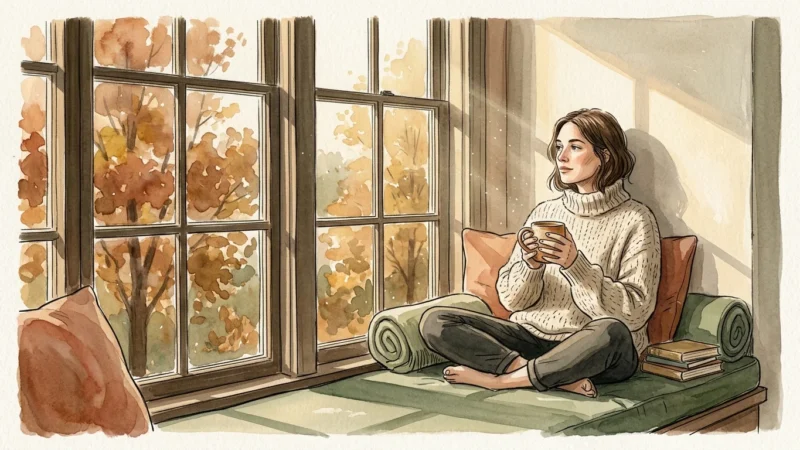
Constant family duties, quiet grief, or major life transitions can slowly erode your vitality. You might wake up one morning and suddenly realize you have stopped taking care of yourself.
Spotting this subtle shift early protects both your physical vitality and emotional peace. Recognizing the pattern helps you reclaim calm energy for the people and passions you hold dear.
This supportive guide outlines seven unmistakable signs of neglecting self care. You will also find grounded self care tips and compassionate steps to rebuild your daily rhythm with confidence.
Understanding the Shift into Self Neglect
Self-neglect rarely happens overnight. It usually arrives quietly after months of putting everyone else first.
You might be caring for an aging partner or grieving a painful loss. Over time, your own basic needs fade into the background.
Aging also brings natural changes in physical mobility and personal roles. A retirement transition or empty nest can leave your daily schedule without clear direction.
Without external commitments, morning routines can unravel quickly. Acknowledging this life stage helps you rebuild purposeful rhythms tailored to your current needs.
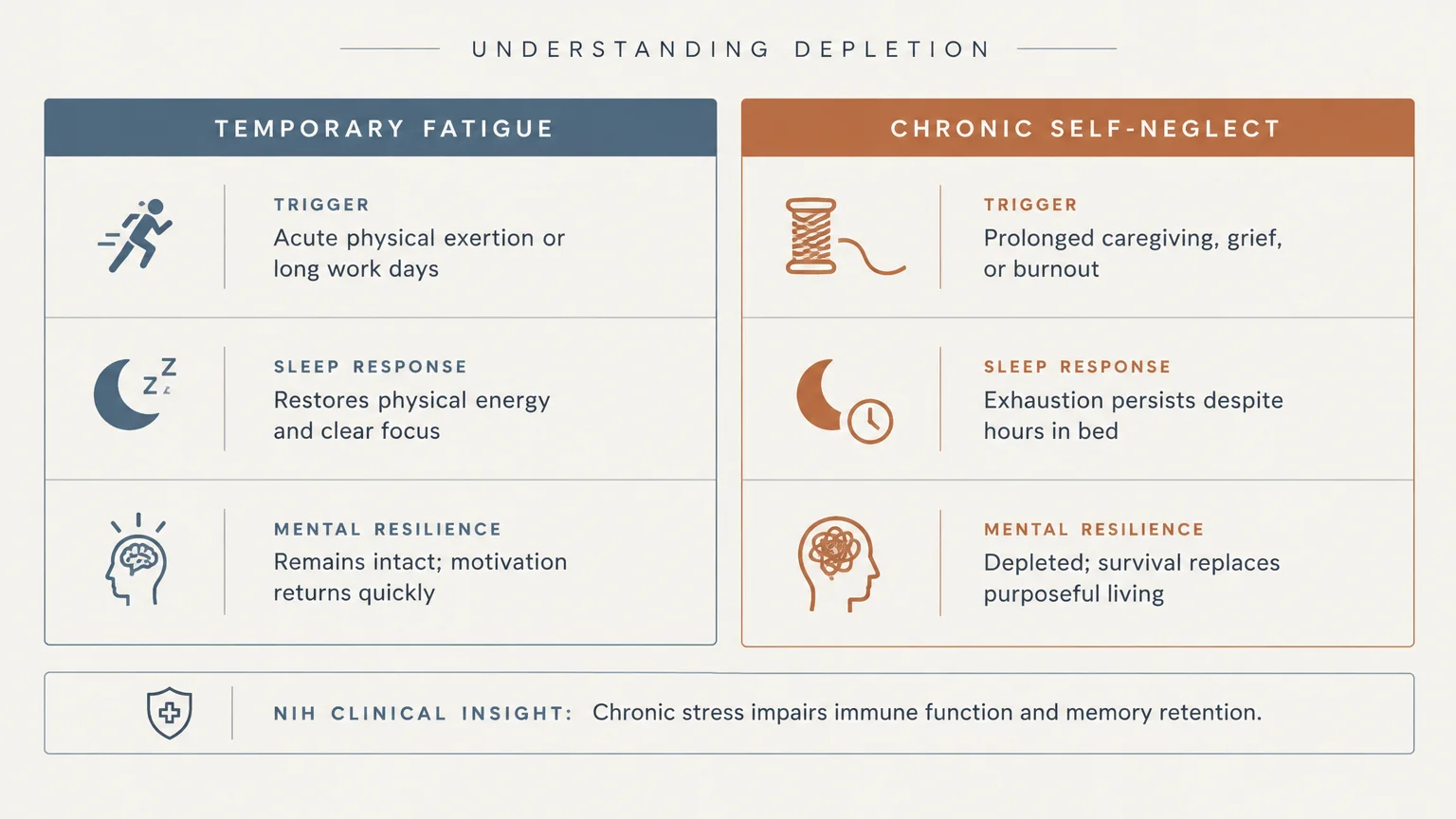
Psychologists distinguish temporary exhaustion from deeper burnout signs. Fatigue lifts with good sleep, but chronic self-neglect drains your mental resilience.
When you ignore physical cues, daily survival replaces purposeful living. Noticing this pattern is your first step toward meaningful recovery.
Research shows that chronic stress impacts immune function and memory. Caring for yourself is an essential health practice, not an indulgence.
Learn more about emotional wellness from the NIH.

7 Signs You’ve Stopped Taking Care of Yourself
Neglect wears many disguises in daily life. Here are seven distinct indicators that your personal well-being needs immediate attention.
1. Daily Routines Slip Away Unnoticed
You may start skipping basic personal habits that once brought comfort. Showering feels like a chore, and you grab whatever food sits closest.
Drinking clean water or taking your vitamins gets forgotten for days. These missed habits are classic self neglect signs that signal deep internal depletion.
Relying entirely on processed snacks rather than preparing simple meals signals creeping apathy. When physical nourishment slips, your sense of personal dignity often follows.
Actionable Practice: Choose one three-minute hygiene habit tonight. Wash your face mindfully with warm water, and acknowledge your worth.
2. Emotional Numbness and Compassion Fatigue
You might notice a strange lack of feeling during daily events. Joy feels muted, and you struggle to engage in routine conversations.
Caregivers often experience this state as compassion fatigue. Your emotional reservoir has emptied after giving too much for too long.
Numbness serves as a protective shield against prolonged overwhelm. It indicates that your mind requires quiet sanctuary rather than more stimulation.
Actionable Practice: Place a hand over your heart for sixty seconds. Silently repeat the traditional Ho’oponopono phrase: Please forgive me, thank you, I love you.
3. Physical Spaces Fill with Clutter
Unopened mail piles up on the counter, and dirty dishes linger in the sink. Your living environment often mirrors the state of your inner world.
Clutter creates constant background stress for an already tired brain. Looking at unfinished chores makes you feel defeated before your day begins.
A messy home can also prevent you from welcoming visitors. This embarrassment reinforces isolation and deepens the cycle of neglect.
Actionable Practice: Clear just one small surface today, such as a nightstand. Enjoy that clean space without feeling pressured to clean the whole room.
4. Sleep Patterns Become Fractured
You may struggle to fall asleep because your mind races through worries. Alternatively, you might sleep ten hours and still wake up exhausted.
Disrupted sleep harms your balance, mood, and immune system. It remains one of the clearest burnout signs you can observe over time.
Chronic insomnia damages cellular repair and weakens memory consolidation. Taking evening rest seriously protects cognitive vitality as you grow older.
Review healthy rest guidelines at the Sleep Foundation.
Actionable Practice: Dim all bright overhead lights one hour before bedtime. Sip warm chamomile tea while listening to soft instrumental music.
5. Quiet Social Withdrawal
You screen phone calls from dear friends and make excuses to skip gatherings. Answering a simple message feels like lifting a heavy weight.
Solitude can be healing, but prolonged isolation harms your emotional health. Pulling away hides your suffering from people who want to support you.
Canceling plans feels like temporary relief, but persistent withdrawal breeds negative self-talk. Staying connected in tiny ways keeps your support system alive.
Actionable Practice: Send a brief text to one trusted friend today. Write: Thinking of you today, resting quietly, and will catch up soon.
6. Postponing Essential Healthcare
Canceling routine doctor visits or ignoring nagging physical pain is a major warning. You convince yourself that your symptoms are trivial and can wait.
You may delay refilling necessary prescriptions or skip dental cleanings for months. This behavior is one of the most dangerous signs of neglecting self care.
Many people avoid visits because they fear receiving bad news. Addressing health questions with medical guidance reduces anxiety far better than avoidance.
Actionable Practice: Identify one overdue health appointment on your calendar today. Call the medical office tomorrow morning and secure a convenient visit time.
7. Loss of Wonder and Spiritual Connection
Activities that once lifted your spirit no longer spark interest. Morning walks, gardening, prayer, or quiet reading feel burdensome and hollow.
Spiritual dryness is a common symptom of severe personal exhaustion. Your inner spirit needs quiet time and gentle inspiration to recharge.
You can reignite your inner spark through modest sensory experiences. Nature offers restorative calm without demanding performance or physical strain.
Actionable Practice: Step outside for five minutes and observe the open sky. Notice the shapes of clouds and feel the fresh air on your skin.

Grounded Ways to Reclaim Your Well-being
Rebuilding your wellness does not require an exhausting lifestyle transformation. Small adjustments create lasting recovery without triggering panic or guilt.
Many modern trends promote costly retreats or complex supplement routines. True restoration begins with simple, dependable choices in your own home.
Explore safe mind-body approaches through the NCCIH.
The Power of Micro-Habits
Micro-habits are tiny daily actions that require minimal willpower to finish. Practicing small habits prevents the overwhelm of major life overhauls.
Placing your slippers by the bed creates immediate morning comfort. Washing a single teacup right after use maintains order effortlessly.
Over time, these modest victories restore trust in your own capability. Consistency matters far more than intensity when rebuilding your daily vitality.
A Gentle 7-Day Renewal Plan
Use this simple seven-day framework to restore your daily rhythm. Practice one focused step each day without worrying about perfection.
On Monday, drink a tall glass of cool water each morning. Notice how proper hydration awakens your physical body and clears brain fog.
On Tuesday, sit beside a sunny window for ten quiet minutes. Let the natural warmth soothe your mind and ease muscle tension.
On Wednesday, prepare a warm, nourishing meal with fresh ingredients. Chew each bite slowly to practice mindful eating and aid digestion.
On Thursday, clear off one cluttered surface in your home. Enjoy the peaceful open space you created with minimal physical effort.
On Friday, send a brief, affectionate text to an old friend. Reconnecting reminds you that you belong to a caring community.
On Saturday, spend fifteen minutes walking quietly outside in nature. Listen to bird songs and feel your feet ground firmly on the earth.
On Sunday, spend twenty quiet minutes reflecting on your personal values. Write down what matters most for your coming week, and rest without guilt.
Compassionate Journaling Prompts
Journaling provides a safe space to explore your feelings without judgment. Writing by hand helps untangle complex emotions and hidden grief.
Set a timer for five minutes and explore these simple reflections. Do not worry about neat handwriting, grammar, or spelling rules.
Prompt one: What part of my body feels most exhausted right now? Describing physical sensations helps you acknowledge and honor your true needs.
Prompt two: What is one obligation I can release this week? Giving yourself permission to say no creates immediate breathing room.
Prompt three: What brought me comfort as a young child? Rediscovering simple childhood comforts can restore your sense of peace today.

Boundaries, Safety, and Professional Care
Self-compassion requires firm boundaries around your time, energy, and finances. Recognizing when self neglect signs signal medical depression is critical for your health.
Distinguish between ordinary weariness and clinical conditions that require treatment. Professional guidance offers safety and proven tools when coping alone feels impossible.
Access psychological coping resources through the American Psychological Association (APA).
Find licensed support and crisis tools at SAMHSA.
Spotting Exploitative Wellness Promises
Vulnerable people seeking relief often encounter aggressive online wellness marketing. High-pressure sales tactics and guarantees of rapid cures are serious red flags.
Never pay large upfront fees for unlicensed spiritual guides or retreat programs. Legitimate practitioners respect your autonomy and never pressure you to isolate from family.
Complementary spiritual practices should support your medical care, never replace it. Always verify professional credentials before paying for coaching or holistic therapy.
Sample Conversation Opener with a Professional
Asking for help can feel daunting when your emotional energy is low. Having a clear script makes starting that conversation much easier.
Use these words with your doctor, counselor, or faith leader: I have stopped taking care of myself lately, my daily routines feel overwhelming, and I need guidance to regain my footing.
A compassionate provider will listen without judgment and assess your health. They will partner with you to build a safe, achievable recovery plan.
Frequently Asked Questions
How do I know if I am burned out or just tired?
Physical tiredness usually resolves after a weekend of restful sleep and quiet relaxation. Burnout signs include chronic detachment, emotional numbness, and deep exhaustion that rest alone cannot cure.
If you wake up exhausted every morning for weeks, you are likely experiencing burnout. In that case, restoring your health requires lifestyle adjustments and firm emotional boundaries.
What is the first step when I notice self neglect signs?
Begin by drinking a full glass of water and taking five slow, deep breaths. Hydration and conscious breathing immediately support your nervous system.
Pick one small physical comfort to complete before attempting anything else. Accomplishing a single manageable task breaks the paralysis of overwhelm.
Can unresolved grief cause someone to abandon self care?
Grief drains physical stamina and can make daily routines seem completely pointless. Deep sorrow often leads people to skip meals, avoid hygiene, and abandon medical appointments.
Grieving requires immense cognitive energy from your brain and body. Giving yourself permission to mourn is an essential form of self-care.
How can I practice self care on a limited budget?
Restorative self-care does not require expensive spa visits or pricey retreat bookings. Quiet walks in community parks, warm evening baths, and library visits cost nothing.
Sitting outside in morning sunlight also resets your circadian rhythm for free. True well-being comes from intentional rest rather than commercial products.
How do I talk to a loved one who has stopped caring for themselves?
Express your gentle concern without using judgment, anger, or shame. Mention specific observations calmly, such as noticing missed meals or postponed doctor visits.
Offer practical assistance instead of asking vague questions. Bringing over a nourishing meal or offering a ride to the clinic provides immediate relief.
Moving Forward with Gentle Steps
Recognizing that you have stopped taking care of yourself is an act of courage. It marks the moment you decide your health and peace still matter.
Recovery is not a rigid race toward perfection. It is a slow, loving return to your own sacred life.
Begin this week by tracking your daily water intake and sleep hours. Notice how small acts of physical care gradually lift your mood.
Verify your health status by scheduling any missed medical or dental appointments. Taking charge of your healthcare builds confidence and restores personal agency.
Treat yourself with patience and kindness as you rebuild your balance. You deserve the same compassionate care that you offer so freely to others.
This article is for informational purposes only and does not constitute medical, psychological, financial, or legal advice. If you struggle with severe self-neglect, depression, or chronic grief, please consult a licensed professional or seek urgent care.