Finding the exact words to comfort an elderly parent who feels disconnected from their purpose requires empathy and actionable care. When your once-steady guide questions their place in the world, knowing what to say to an aging parent transforms their isolation into a shared journey of rediscovery.
Aging brings a cascade of transitions—retirement, shifting physical boundaries, and the profound loss of peers—that naturally disrupt personal identity. Offering heartfelt words to seniors feeling lost validates their reality while gently anchoring them to the present moment.
The following practical phrases will help you support an aging parent through meaningful conversation, providing them crucial emotional security as they navigate life’s latter chapters with dignity, grace, and renewed connection.
Understanding Your Aging Parent’s Search for Meaning
When you encounter a lost senior parent, you witness a profound psychological and spiritual transition. The later chapters of life prompt deep reflection, causing many older adults to examine their life choices, confront mortality, and seek overarching meaning. This phase strips away previous identities tied to careers, active parenting, or physical vitality.
In this quiet void, many aging parents experience an understandable sense of dislocation, wondering what value they bring to the world now that their daily routines have vanished.
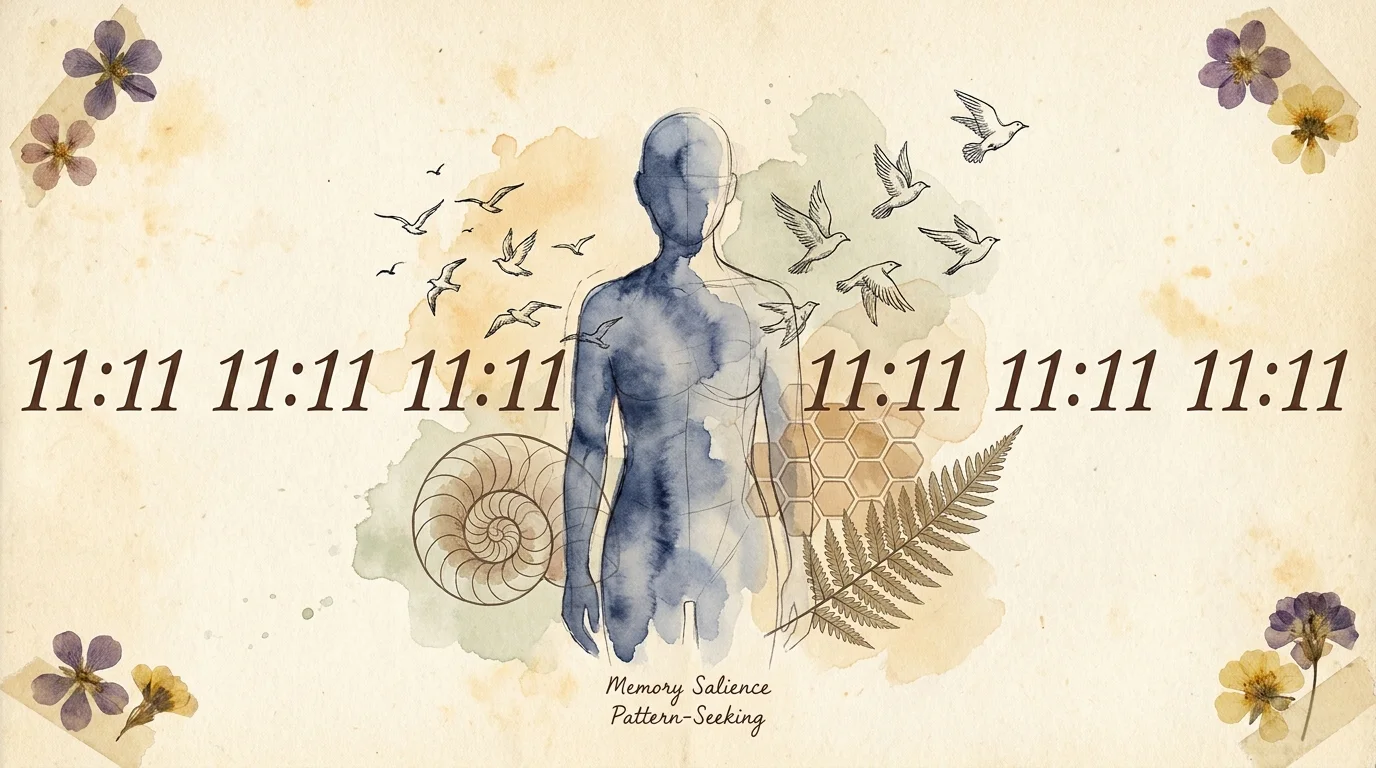
Seniors searching for connection often look to external signs or spiritual frameworks for reassurance. You might notice them talking about visitations in their dreams, profound synchronicities, or repeated patterns in nature. Historically and culturally, humans lean on these interpretations to maintain a bond with departed loved ones and find comfort in the unknown.
Science refers to some of these experiences as memory salience and pattern-seeking. Pattern-seeking is the brain’s natural tendency to notice specific details, like a particular type of bird or a repeating number sequence, that match a person’s current emotional state.
Recognizing these cognitive habits does not strip the experience of its profound emotional value; rather, it highlights how beautifully the human mind works to soothe a grieving heart. You honor their lived experience by listening without judgment, allowing their spiritual beliefs to coexist peacefully alongside rational observation.