
Understanding the biggest causes of divorce helps you protect your partnership or find closure after a difficult split. Clear insight brings calm direction and deep emotional relief to your life.
Marital distress often feels overwhelming and deeply isolating, especially for thoughtful adults over fifty. Research shows that relationship breakdowns follow recognizable patterns rather than sudden, random surprises.
Learning why marriages fail provides practical tools to protect your emotional wellbeing. Whether you seek renewed connection or a peaceful separation, grounded clarity guides your next chapter.
Understanding Why Modern Marriages End
Divorce affects millions of families each year across every demographic. Understanding these patterns removes personal shame and provides objective clarity.
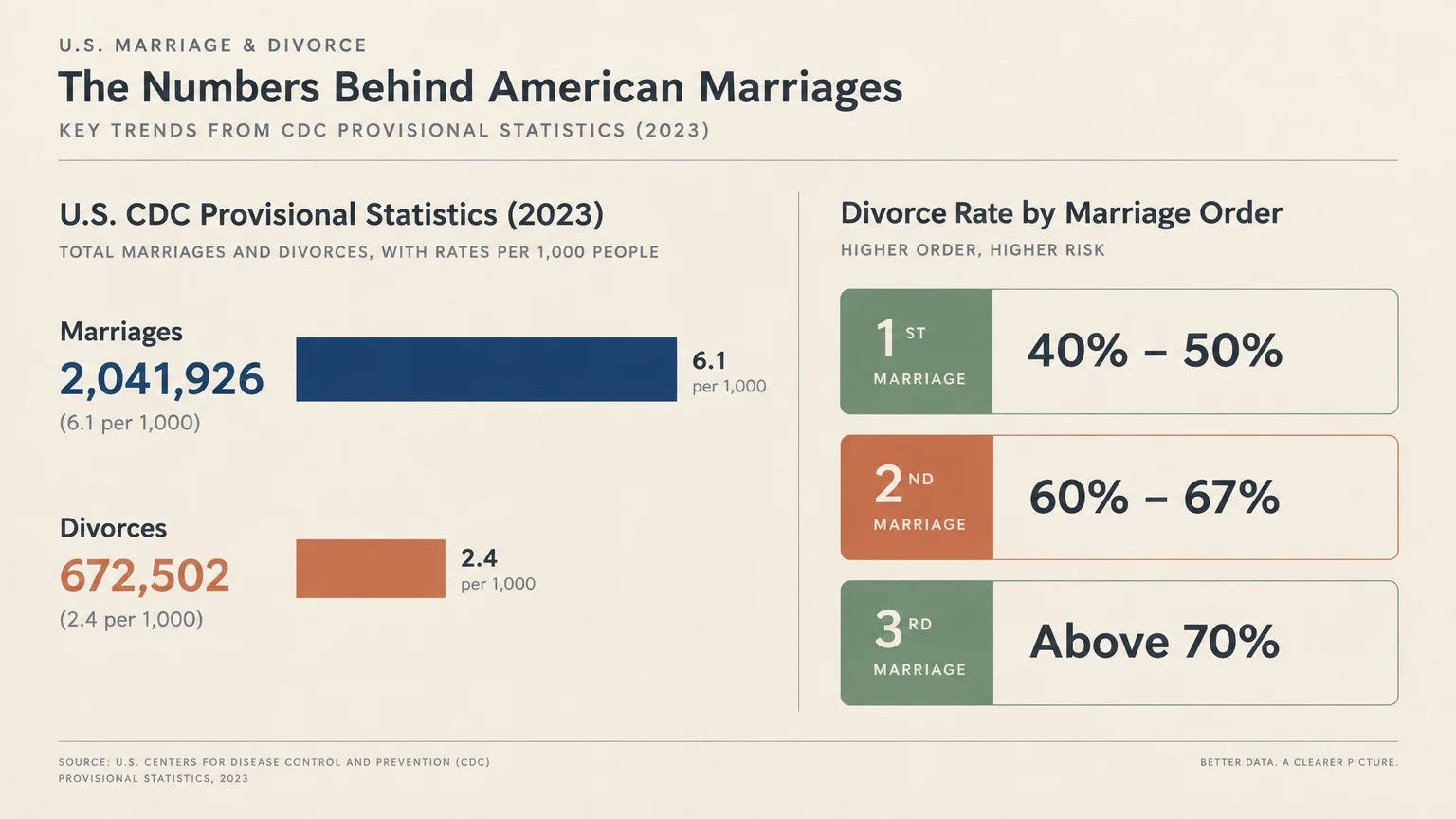
Provisional data from the Centers for Disease Control and Prevention reveals significant relationship shifts. In 2023, the United States recorded 672,502 divorces across reporting states.
This figure represents a national divorce rate of 2.4 per 1,000 individuals. During the same period, 2,041,926 marriages occurred, reflecting a marriage rate of 6.1 per 1,000.
These numbers prove that while marriage remains popular, maintaining a lifelong partnership presents profound emotional challenges. Changing economic realities and extended lifespans continuously reshape modern unions.
Cultural expectations of marriage have shifted dramatically over the past century. Couples once stayed together primarily for financial survival and social standing.
Today, people seek deep emotional reciprocity, personal fulfillment, and spiritual companionship. When these deeper needs remain unmet, partners often reconsider their long-term commitments.
Demographic research also reveals changing stability rates across successive partnerships. Roughly 40 to 50 percent of first marriages end in legal separation.
The statistical risk rises substantially during subsequent attempts at marriage. Approximately 60 to 67 percent of second marriages end in divorce.
For third marriages, the rate climbs above 70 percent. Unresolved emotional wounds and complex blended family dynamics often follow individuals into future relationships.
Recognizing these broader societal trends helps normalize your personal experiences. Relationship breakdowns rarely occur overnight; they develop through persistent, unaddressed challenges.
The Psychology of Marital Drift
Marital distress rarely begins with explosive arguments. Instead, subtle cognitive habits slowly erode warmth and mutual goodwill over many years.
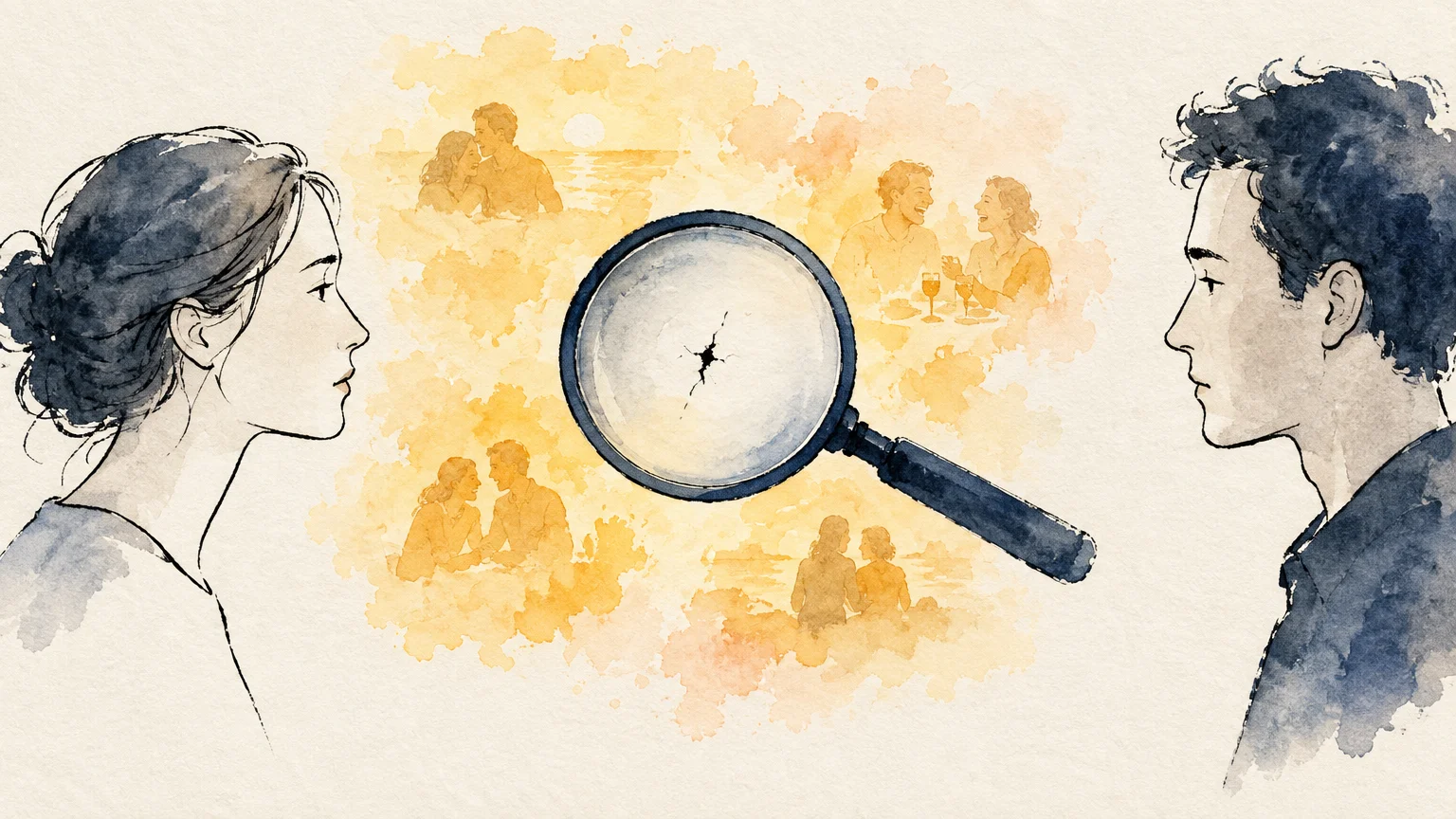
One primary pattern is confirmation bias, where your brain notices only your partner’s perceived flaws. You actively gather mental evidence to support your frustration while ignoring their positive actions.
Another common psychological experience is memory salience. The human mind naturally recalls painful arguments and insults with greater vividness than gentle, routine moments of affection.
Over time, this negative recall makes past contentment feel distant and inaccessible. Partners begin to believe that their entire marital history was miserable.
Emotional labor imbalances also drive marriages toward dissolution. The American Sociological Association found that women initiate nearly 70 percent of heterosexual divorces in the United States.
Women frequently report carrying heavy domestic and organizational burdens without adequate emotional reciprocity. When partners ignore repeated requests for change, the marriage steadily loses psychological safety.
Spiritual traditions emphasize compassion and deep listening during times of relationship strain. Practicing honest self-awareness allows you to discern whether a union can heal.
Both partners must acknowledge their internal filters before authentic repair can occur. Recognizing these cognitive traps allows you to approach your marriage with renewed objectivity.

Top 10 Things That Lead to Divorce
Couples encounter predictable obstacles that test their mutual resilience. Here are the leading causes of divorce supported by academic research and clinical observation.
1. Lack of Commitment
Academic research indexed by the National Institutes of Health identifies fading dedication as the leading factor in divorce. Between 73 and 75 percent of divorced adults report that a lack of commitment ended their marriage.
Partners gradually stop investing active effort into their shared life. Without intentional care, emotional apathy replaces mutual devotion and shared purpose.
Actionable Practice: Schedule an intentional weekly conversation with your partner. Spend twenty uninterrupted minutes discussing shared dreams and affirming your mutual commitment.
2. Infidelity and Extramarital Betrayal
Betrayal remains one of the most painful common divorce triggers. Studies show that 55 to 59.6 percent of respondents cite infidelity as a major cause of marital collapse.
Researchers also classify extramarital affairs as the single most common final straw that dissolves a partnership. Secret relationships shatter mutual trust and leave deep emotional scars.
Actionable Practice: Journal privately about your personal boundaries and emotional transparency. Assess whether outside relationships drain time and affection away from your marriage.
3. Excessive Conflict and Destructive Arguing
Daily bickering and unresolved disputes wear down foundational goodwill over time. Research shows that 56 to 57.7 percent of divorced partners cite excessive conflict as a primary factor.
Couples often repeat the same hostile disagreements without discovering constructive resolutions. Chronic defensiveness and contempt eventually destroy emotional intimacy and mutual respect.
Actionable Practice: Practice a mindful cooling pause during heated disagreements. Agree to pause difficult conversations for twenty minutes whenever anger threatens productive communication.
4. Financial Strain and Disagreements
Disagreements over money generate severe tension within modern households. Research indicates that 36 to 41 percent of couples identify economic hardship and conflicting financial values as a driving factor.
Opposing philosophies regarding saving, spending, and debt create ongoing marital resentment. Hidden purchases and financial deception frequently shatter mutual security.
Actionable Practice: Hold a calm monthly budget review together. Focus strictly on numbers, shared goals, and basic expenses without assigning personal blame.
5. Substance Abuse and Addiction
Addiction brings unpredictability, deceit, and acute distress into a marriage. Data confirms that substance abuse contributes to 34.6 percent of all divorce decisions.
Chemical dependencies drain household finances and disrupt emotional bonds. Non-addicted spouses frequently experience intense emotional burnout while attempting to maintain household stability.
Safety Cue: Establish firm personal boundaries if a spouse refuses clinical recovery programs. Protect your financial assets and personal wellbeing before considering any marital reconciliation.
6. Domestic Abuse and Intimate Partner Violence
Physical violence and emotional control eliminate the basic safety required for marriage. Between 23.5 and 25 percent of divorced individuals report abuse as a primary reason for separation.
Patterns of coercion, verbal degradation, and intimidation destroy self-esteem. Safety concerns demand immediate intervention rather than traditional relationship compromise.
Safety Cue: Seek immediate support from licensed counselors or emergency services if you face intimidation. Never compromise your personal safety for the sake of marital continuity.
7. Marrying Too Young and Diverging Paths
Entering marriage before developing emotional maturity creates substantial long-term compatibility challenges. Studies report that 45 to 46 percent of divorced adults feel they married too young.
People evolve significantly throughout their twenties and thirties. When personal values and career ambitions diverge, spouses often discover they share very little in common.
Actionable Practice: Complete a personal values inventory in your journal. Note your top five core values and reflect on how they align with your current lifestyle.
8. Emotional Disconnection and Lost Intimacy
A gradual fading of affection is among the top reasons marriages end. Spouses frequently slip into living as polite roommates rather than romantic partners.
Neglecting physical affection and emotional check-ins builds silent resentment over decades. This quiet drift often leads to grey divorce among adults over fifty.
Actionable Practice: Offer your partner one genuine expression of appreciation each day. Small verbal affirmations rebuild emotional warmth and rekindle connection.
9. Unrealistic Pre-Marital Expectations
Entering marriage with romanticized assumptions frequently causes profound disappointment. A national Forbes Advisor survey revealed that 63 percent of divorced adults believed better pre-marital preparation could have saved their marriage.
Unspoken expectations regarding household labor, parenting, and emotional support lead to bitter disillusionment. Mature partnerships require ongoing negotiation rather than assumptions.
Actionable Practice: Audit your unwritten assumptions about domestic chores and emotional care. Discuss these expectations openly with your partner to align your daily realities.
10. Boundary Erosion and Family Interference
Intrusive in-laws and poor boundaries place enormous strain on marital unity. When a spouse prioritizes extended family over their partner, trust erodes rapidly.
Interfering relatives often criticize financial decisions and parenting choices. Without healthy external boundaries, the marital bond cannot remain secure.
Actionable Practice: Create united boundaries regarding extended family involvement in your home. Agree to present a unified front when addressing external family pressures.

Ways to Navigate Relationship Strain Safely
Navigating relationship distress requires emotional grounding, patience, and clear discernment. You can explore meaningful healing practices without spending substantial money.
Mindful walks in nature calm the nervous system and clarify complicated emotions. Walking quietly for twenty minutes helps reduce acute relationship anxiety.
Spiritual traditions often rely on forgiveness mantras to release persistent bitterness. The traditional Hawaiian Ho’oponopono phrases provide gentle mental relief: I am sorry, please forgive me, thank you, I love you.
Repeating these simple phrases quietly directs compassion inward and releases heavy emotional burdens. This practice fosters internal peace regardless of your spouse’s actions.
Structured daily habits help restore your sense of personal balance during stressful periods. Here is a simple seven-day practice plan written for your personal reflection.
On day one, spend fifteen quiet minutes writing about your core personal needs. On day two, take a twenty-minute mindful walk without checking your phone.
On day three, write down three traits you genuinely appreciate about yourself. On day four, practice the Ho’oponopono phrases during a quiet morning meditation.
On day five, establish one clear emotional boundary that protects your evening rest. On day six, write a private letter expressing your grief, then safely discard the paper.
On day seven, rest quietly and evaluate your emotional clarity before taking any permanent steps. This structured week restores emotional perspective during tumultuous times.
When seeking professional support, clear communication produces the best therapeutic outcomes. Preparing your thoughts in advance makes clinical consultations far more productive.
Consider this sample conversation opener for your first meeting with a counselor: My partner and I are experiencing persistent disconnect, and I want objective guidance to understand our options.
If you pursue private counseling, plan your financial budget carefully. Professional therapy typically costs between $100 and $250 per fifty-minute clinical session.
Verify whether your insurance policy covers couples counseling or individual mental health services. Setting a clear monthly budget protects you from unexpected financial burdens.

Protecting Your Wellbeing and Emotional Boundaries
Facing marital dissolution after fifty brings unique grief and emotional adjustments. You may mourn the loss of long-held dreams, shared routines, and mutual social circles.
Give yourself permission to grieve without self-criticism or rushed timelines. Healing unfolds gradually through consistent self-compassion and grounded lifestyle choices.
Protect yourself from exploitative commercial services during moments of emotional vulnerability. Disreputable divorce coaches and predatory spiritual advisors often prey on grieving individuals.
Watch for red flags such as guaranteed reconciliation outcomes, pressure tactics, and demands for massive upfront retainers. Authentic professionals respect your autonomy and encourage careful consideration.
Avoid psychic services or commercial practitioners who promise quick spiritual fixes. Real healing requires grounded emotional work rather than magical guarantees.
Never substitute alternative practices for necessary legal, financial, or medical support. Consult credentialed family law attorneys and certified financial planners to protect your future.
Grief and coping resources at the American Psychological Association (APA) and NIH.
Sleep facts at the Sleep Foundation.
Complementary practices via NCCIH.
Mental health support and resources at SAMHSA.
Frequently Asked Questions About Divorce
Can a marriage survive emotional infidelity?
Couples can recover from emotional affairs if both partners commit to complete honesty and rebuilding trust. Professional counseling is often necessary to heal the deep betrayal.
How do I know when daily conflict becomes toxic?
Arguments become toxic when contempt, insults, and character attacks replace constructive dialogue. If disagreements threaten your emotional safety, professional guidance is essential.
Why are grey divorces increasing among older adults?
Longer life expectancies lead adults over fifty to reevaluate their happiness after children leave home. Financial independence also allows older adults to leave unfulfilling partnerships.
Can premarital counseling reduce the risk of divorce?
Yes, premarital counseling helps couples establish realistic expectations and effective communication habits. Research shows that clear premarital preparation prevents future disillusionment.
How long does emotional recovery take after divorce?
Emotional recovery varies widely, often taking one to three years of intentional personal work. Patient self-care and professional therapy accelerate healthy healing.
Moving Forward With Clarity and Peace
Navigating marital challenges requires deep courage and compassionate self-reflection. Whether you rebuild your union or begin a separate journey, you deserve peace and safety.
Remember that relationship endings do not define your personal worth or future potential. Every chapter offers opportunities for spiritual growth, self-discovery, and authentic connection.
Begin this week with small, grounded actions that support your nervous system. Prioritize your physical rest, nutritious meals, and quiet reflective moments each morning.
Track your emotional responses in a private journal to identify recurring triggers. Noticing your patterns helps you make decisions from clarity rather than acute distress.
Verify your legal and financial rights with licensed professionals before signing any formal agreements. Objective guidance removes fear and empowers confident decision-making.
Reach out to trusted friends, counselors, or faith leaders who offer unconditional support. Surrounding yourself with healthy community eases grief and renews your hope.
Take each day as a quiet step toward emotional freedom and renewal. You hold the inner strength needed to create a fulfilling life.
This article is provided for informational and educational purposes only and does not constitute medical, psychological, legal, or financial advice.
If you are experiencing severe emotional distress, domestic abuse, or a mental health crisis, please consult a licensed professional or contact local crisis support immediately.