The Psychology of Marital Drift
Marital distress rarely begins with explosive arguments. Instead, subtle cognitive habits slowly erode warmth and mutual goodwill over many years.
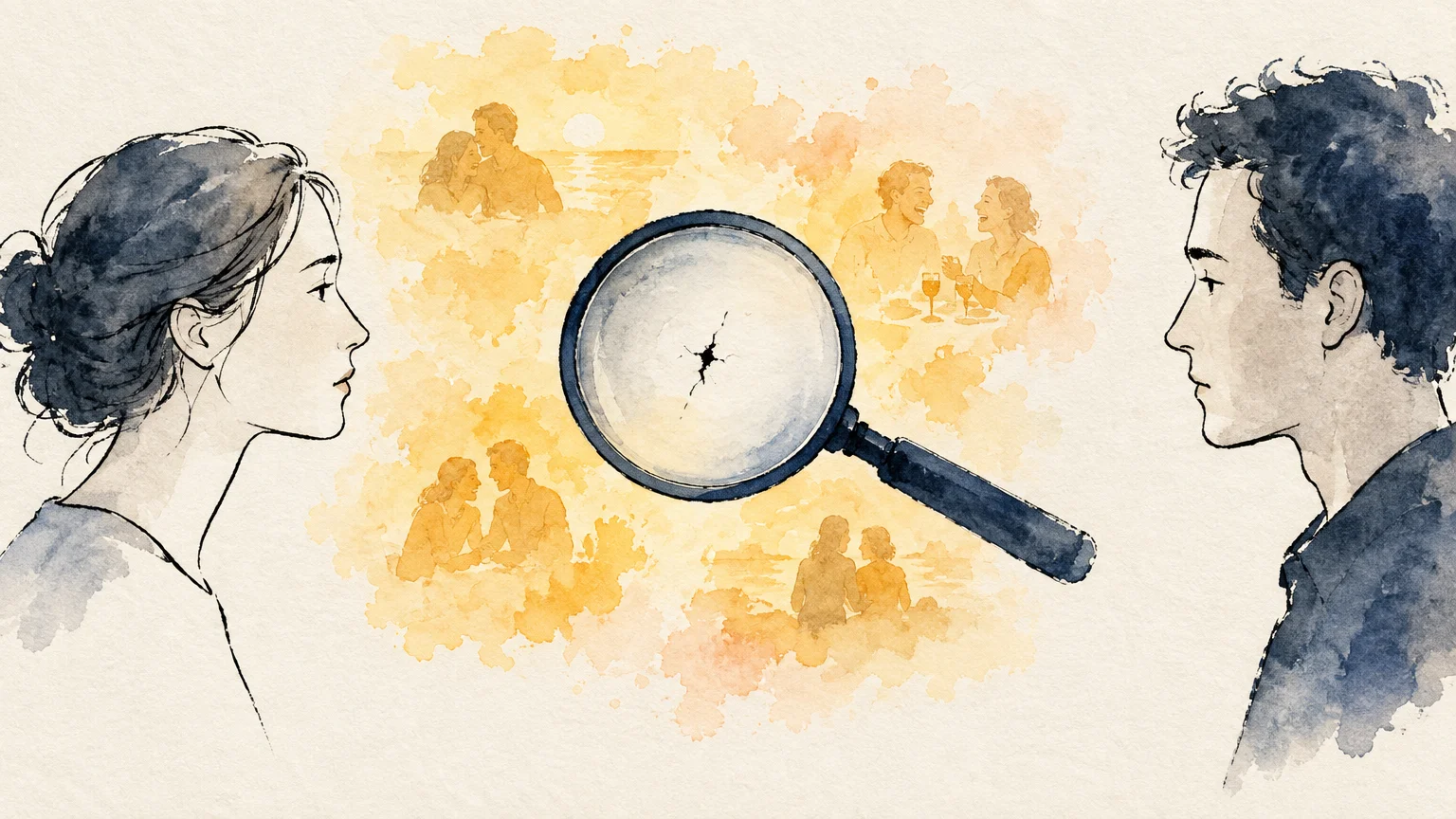
One primary pattern is confirmation bias, where your brain notices only your partner’s perceived flaws. You actively gather mental evidence to support your frustration while ignoring their positive actions.
Another common psychological experience is memory salience. The human mind naturally recalls painful arguments and insults with greater vividness than gentle, routine moments of affection.
Over time, this negative recall makes past contentment feel distant and inaccessible. Partners begin to believe that their entire marital history was miserable.
Emotional labor imbalances also drive marriages toward dissolution. The American Sociological Association found that women initiate nearly 70 percent of heterosexual divorces in the United States.
Women frequently report carrying heavy domestic and organizational burdens without adequate emotional reciprocity. When partners ignore repeated requests for change, the marriage steadily loses psychological safety.
Spiritual traditions emphasize compassion and deep listening during times of relationship strain. Practicing honest self-awareness allows you to discern whether a union can heal.
Both partners must acknowledge their internal filters before authentic repair can occur. Recognizing these cognitive traps allows you to approach your marriage with renewed objectivity.