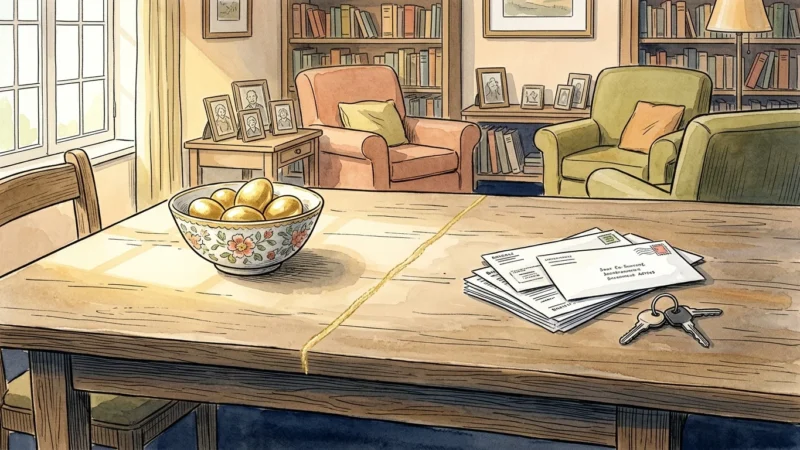
Recognizing quiet emotional neglect can protect your spirit and save you years of silent heartache. When a partner doesn’t value you, the relationship rarely ends with an explosive confrontation.
Instead, daily warmth and simple consideration slowly fade into steady indifference. You may find yourself feeling unappreciated, unseen, and oddly lonely while sitting in the exact same room with them.
You deserve emotional safety and genuine clarity in every season of your life. This guide outlines subtle warnings, grounded daily reflections, and healthy boundaries to help you reclaim your peace.

Understanding Emotional Neglect in Long-Term Relationships
Long-term relationships naturally change over time. Retirement, health shifts, and family transitions bring new pressures to daily routines.
Normal relationship stress differs from ongoing emotional neglect. Stress resolves when circumstances improve, but neglect becomes a persistent habit.
Psychologists describe emotional neglect as a sustained failure to notice your partner’s feelings. It often unfolds without shouting, insults, or open hostility.
Many people struggle with confirmation bias when evaluating their partnership. Confirmation bias means searching only for evidence that confirms your existing fears.
You must look at long-term behavioral patterns rather than isolated bad days. True companionship requires mutual investment, emotional safety, and basic human kindness.
When emotional investment vanishes, you feel a persistent quiet absence. Understanding these shifts helps you respond with wisdom instead of self-blame.
12 Subtle Signs Your Partner Doesn’t Value You
1. Your Everyday News Receives Flat Indifference
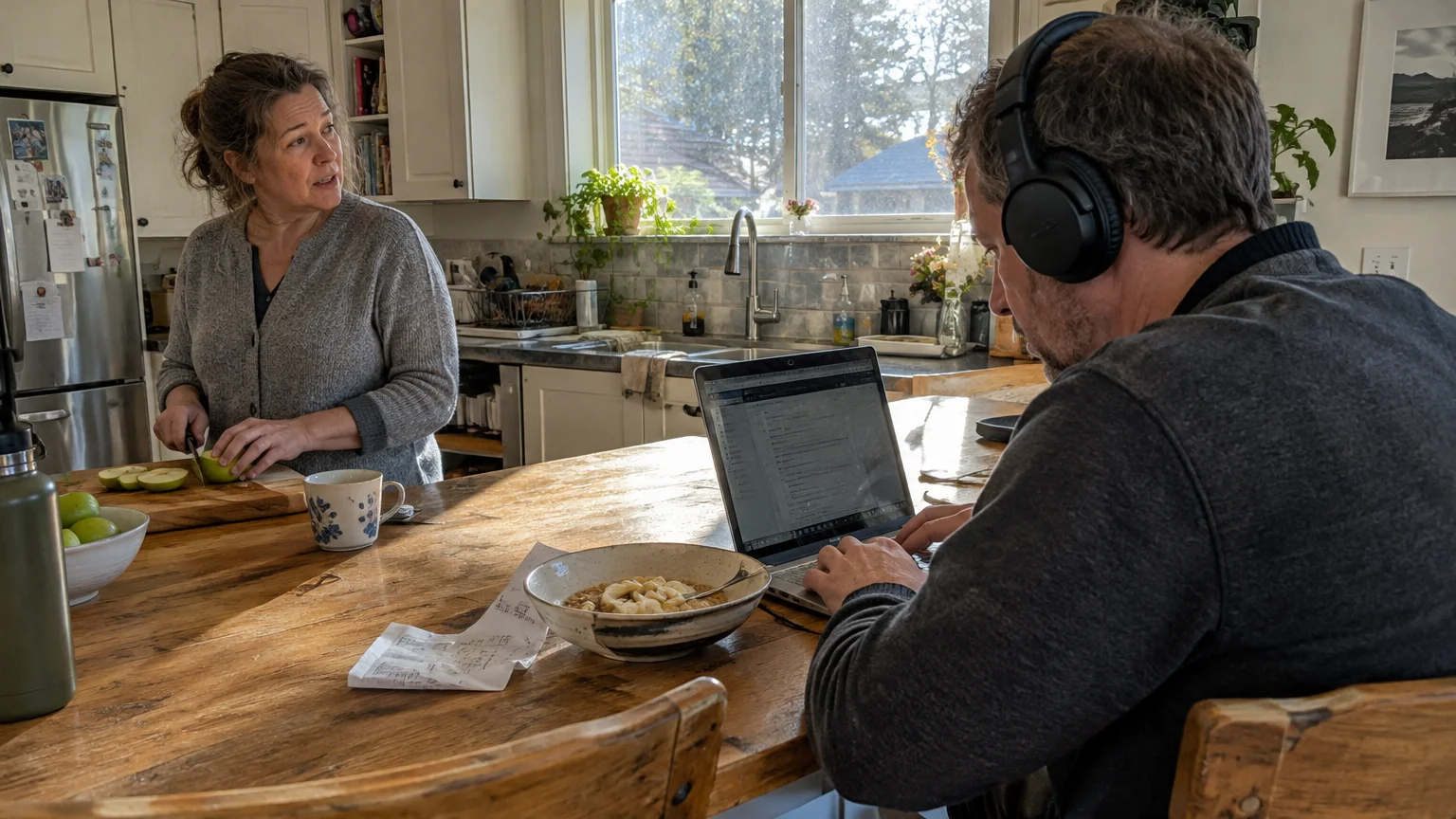
You share a small personal triumph or a simple story from your morning walk. Your partner stares at a screen, offers a quiet grunt, or changes the subject.
Healthy couples turn toward each other during ordinary moments. Persistent indifference signals that your partner no longer values your daily experiences.
Mindful Check-In: Notice your feelings right after speaking. Write one sentence in your private journal describing whether your words felt welcomed or dismissed.
2. They Consistently Dismiss Your Physical Discomfort
You mention a persistent physical ache, a restless night, or medical fatigue. Your partner minimizes your complaint or compares it to their own ailments.
This dismissive attitude reveals a troubling lack of empathy. When someone genuinely values you, your physical comfort and health matter deeply to them.
Actionable Practice: State your physical need directly once without apologizing. Observe whether your partner offers gentle assistance or obvious annoyance.
3. Important Decisions Happen Without Your Voice
Major purchases, home renovations, or travel plans occur without your input. You discover major decisions only after your partner has finalized the details.
This dynamic creates an unequal power balance in your home. In an unhealthy relationship, one person assumes total authority over shared life choices.
Safety Cue: Review your joint accounts and legal documents. Ensure you retain full visibility into your personal finances, insurance, and medical records.
4. You Bear the Entire Emotional Load
You schedule medical visits, manage social calendars, and initiate every difficult conversation. Your partner acts like a passive guest in your shared life.
Carrying total responsibility drains your mental and physical energy. A balanced relationship requires two adults who share daily organizational and emotional duties.
Actionable Practice: Pause one non-essential household responsibility this week. Notice if your partner steps up or allows the task to fail completely.
5. Conversations Revolve Solely Around Their Interests
Discussions quickly turn toward their hobbies, workplace stress, or personal grievances. When you raise a topic from your life, the dialogue stalls.
This dynamic reveals clear signs of an uncaring partner. Self-centered companions treat their partners as a captive audience rather than an equal conversation partner.
Mindful Check-In: Track the balance of speaking time during your next meal together. Note whether your partner asks a single thoughtful question about you.
6. Affection and Warmth Become Strictly Conditional
Gentle touches, kind compliments, and warm smiles appear only when your partner wants something. Once their need is met, the emotional chill returns.
Affection should flow freely as a steady expression of love. Using physical warmth as a bargaining chip erodes trust and basic human dignity.
Safety Cue: Recognize conditional kindness as a subtle manipulation tactic. Refuse to trade your personal boundaries to buy brief moments of peace.
7. They Minimize Your Past and Present Successes
You celebrate a volunteer milestone, a creative hobby, or a fitness goal. Your partner responds with mild skepticism, faint praise, or quiet mockery.
Partners who value you celebrate your personal growth. Diminishing your accomplishments often points to their own hidden insecurities or growing emotional distance.
Actionable Practice: Share your proud moments with supportive friends or family members. Cultivate sources of encouragement outside your marriage.
8. Your Boundaries Are Treated as Inconveniences
You set a reasonable limit regarding your personal schedule, energy, or privacy. Your partner rolls their eyes, ignores your request, or pouts repeatedly.
Respecting personal limits is the foundation of healthy mature love. Disregarding your boundaries signals that your partner prioritizes their comfort over your wellbeing.
Safety Cue: State your boundary clearly and hold it firmly. Say that your decision is final and step away if pressure continues.
9. Apologies Disappear or Turn Into Accusations
A rude remark or broken promise never produces a sincere apology. Instead, your partner insists that your sensitive reaction caused the dispute.
This harmful pattern is called blame-shifting. It leaves you doubting your own memory and emotions while freeing your partner from all personal accountability.
Mindful Check-In: Write down the facts right after an argument happens. Trust your written record over their attempt to rewrite history.
10. They Withhold Curiosity About Your Inner Life
Your partner never asks about your spiritual thoughts, personal dreams, or inner fears. They assume they know everything about you without asking.
Curiosity keeps relationships vibrant across long decades. A companion who stops asking questions has emotionally disengaged from your personal evolution.
Actionable Practice: Ask yourself when your partner last showed curiosity about your heart. Acknowledge that answer honestly without making excuses for them.
11. You Feel Chronic Loneliness in Their Presence
Sitting beside your partner feels lonelier than sitting in an empty home. The silence between you feels heavy, cold, and emotionally distant.
Emotional isolation inside a marriage strains your nervous system. Your intuition often registers disconnection long before your conscious mind accepts the reality.
Mindful Check-In: Spend an afternoon in nature or a quiet garden. Compare that peaceful solitude to the painful loneliness you feel at home.
12. Sarcasm and Subtle Contempt Replace Gentle Humor
Teasing comments carry a sharp edge meant to prick your self-worth. When you object, your partner insists you simply cannot take a joke.
Relationship research identifies contempt as a major predictor of relationship breakdown. Contempt signals an underlying lack of basic respect that poisons emotional safety.
Safety Cue: Name the disrespect directly when it occurs. State that sharp teasing hurts your feelings and has no place in your conversations.
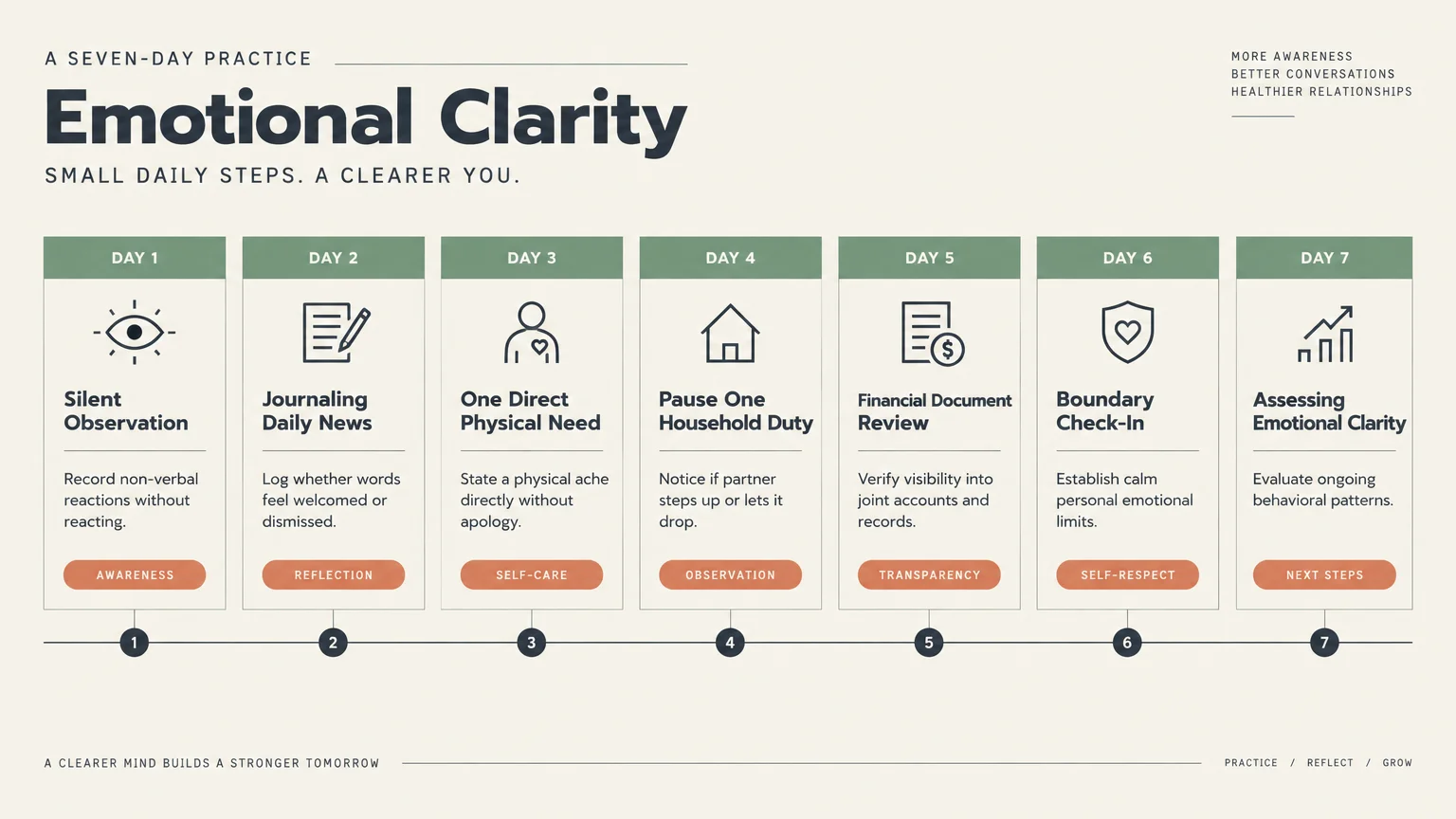
A Gentle Seven-Day Practice Plan for Clarity
Identifying relationship red flags requires a clear mind and a calm nervous system. This seven-day plan helps you assess your situation without rushing into hasty choices.
On days one and two, practice quiet observation. Watch how your partner interacts without prompting them, reminding them, or defending yourself.
Record your observations in a private journal each evening. Document facts and feelings without criticizing yourself for what you notice.
On days three and four, express your needs with calm clarity. Ask your partner for help with a specific chore or emotional concern.
Pay close attention to their initial response. A caring partner responds with cooperation, while an indifferent partner shows annoyance or resistance.
On days five and six, reconnect with your personal joy. Spend time on an independent hobby, visit beloved friends, or walk in nature.
Rebuilding your personal world reminds you of your inherent value. You are a complete person apart from your marriage or domestic role.
On day seven, review your journal reflections with honest compassion. Use your observations to decide whether this partnership supports your overall wellbeing.
Sample Conversation Openers for Difficult Talks
Speaking up about feeling unappreciated requires thoughtful preparation. Clear, measured words keep you centered during tense moments.
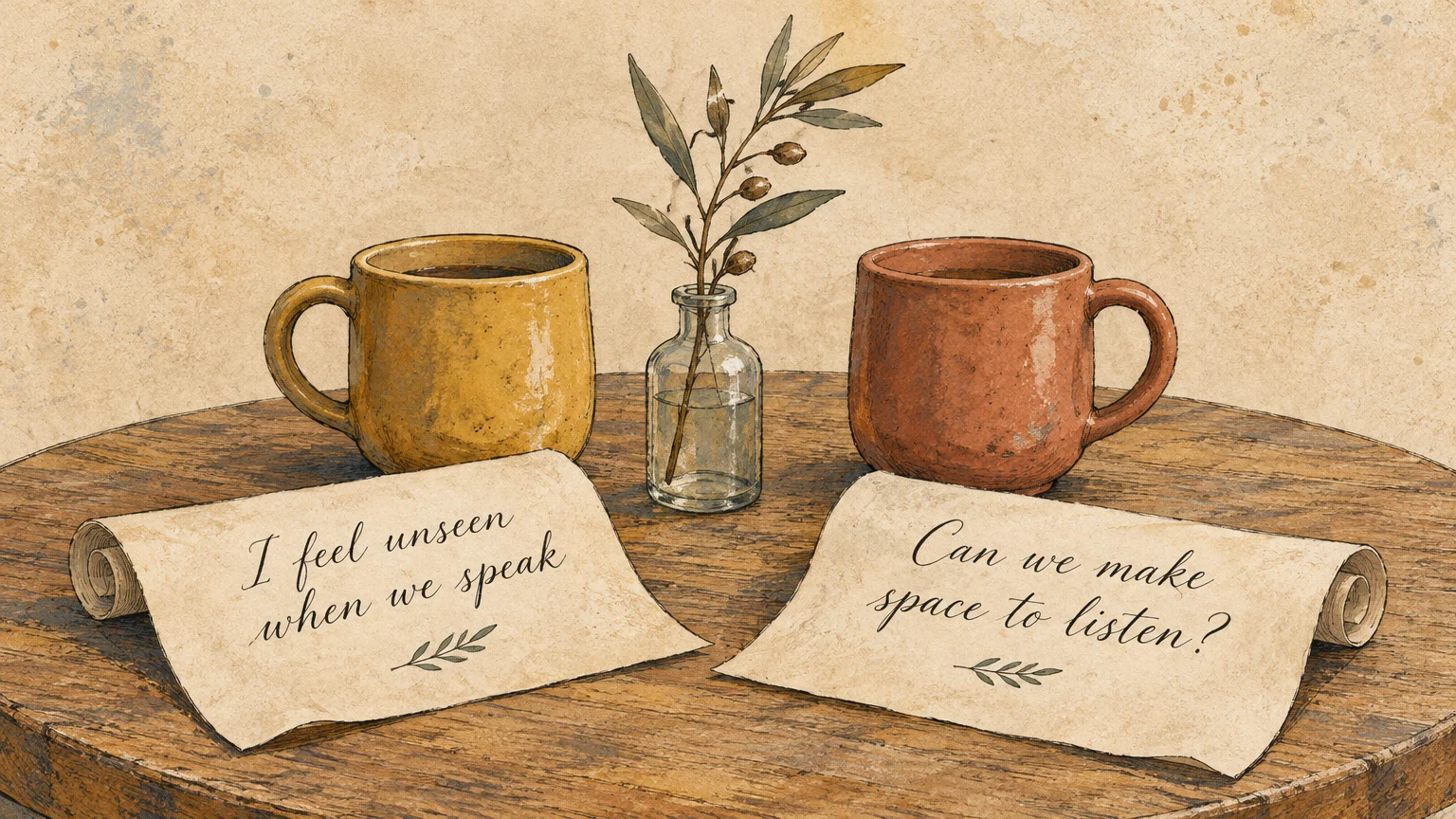
When speaking to your partner, express your personal experience rather than attacking their character. This focus reduces defensiveness and invites honest dialogue.
Partner Opener: I feel distant from you lately and miss our connection. Can we set aside quiet time this evening to talk about our relationship?
If your partner dismisses your invitation, you have your answer. Their refusal to engage reveals their unwillingness to invest in the relationship.
Reaching out to a counselor or faith leader provides objective support. A professional helps you navigate complex grief, family transitions, and personal boundaries.
Counselor Opener: I feel invisible in my marriage and need help sorting through my feelings. I want practical guidance on establishing healthy boundaries.

Boundaries, Pitfalls, and Emotional Safety
Navigating relationship struggles demands emotional safety and clear judgment. You must protect your mental wellbeing while examining your partnership.
Watch out for the sunk cost fallacy. This mental trap convinces people to remain in an unhealthy relationship simply because they invested decades into it.
Past time spent does not obligate you to accept future neglect. You have the right to seek peace, dignity, and joy at any age.
Be cautious with paid relationship coaches who offer guaranteed fixes. Avoid advisors who demand large upfront fees, push secrecy, or urge you to cut ties abruptly.
Rely on licensed therapists and established community support groups instead. Grounded professionals respect your autonomy and support your personal pacing.
Grief and coping resources at the American Psychological Association (APA) and NIH.
Mental health support and resources at SAMHSA.
Frequently Asked Questions
Can an uncaring partner change their behavior?
Change happens only when a partner acknowledges their shortcomings and commits to counseling. Words without consistent, long-term action do not signal real change.
How do I know if I am overreacting?
Track your daily interactions in a private notebook over several weeks. Journaling helps you distinguish temporary bad moods from chronic emotional neglect.
Is emotional neglect a form of emotional abuse?
Sustained neglect combined with contempt, blame-shifting, or forced isolation can become emotionally abusive. Trust how safe and respected you feel in your home.
What if my partner completely refuses couples counseling?
You can attend individual therapy to strengthen your personal boundaries and resolve grief. You do not need your partner’s consent to pursue personal health.
How does aging impact relationship communication?
Retirement, empty nests, and health issues alter daily domestic routines. While conversation topics may change, basic respect and kindness should always endure.
Moving Forward With Dignity
You deserve a life filled with kindness, mutual respect, and authentic connection. Facing painful relationship truths requires courage, but honesty restores your freedom.
Take three concrete steps this week to reclaim your peace. First, write down your core personal values and personal boundaries in your journal.
Second, track your energy levels around your partner for seven days. Notice whether their company replenishes your spirit or leaves you depleted.
Third, connect with one supportive friend, counselor, or community group. Building an external circle of support reminds you that you are valued.
Your personal value does not depend on your partner’s approval or attentiveness. Step forward with quiet confidence and honor your sacred journey.
Disclaimer: This article is for informational purposes only and does not constitute medical, psychological, financial, or legal advice. If you are struggling with severe distress, consider speaking with a licensed mental health professional or trusted community leader.