

Small social habits shape how close or distant your loved ones feel around you. Spotting these subtle patterns helps you build warmer conversations and calmer relationships without changing who you are.
Most people never mean to push friends, partners, or adult children away. Communication mistakes often slip into daily routines during busy, tiring, or stressful seasons.
When you notice these blind spots early, you protect your energy for moments that matter. You also give the people around you steady space to feel heard and valued.
Why Social Habits Matter More After Fifty
Midlife and later decades often reshape your daily social circle. Retirement, shifting family roles, or caregiving duties can shrink casual time with friends.
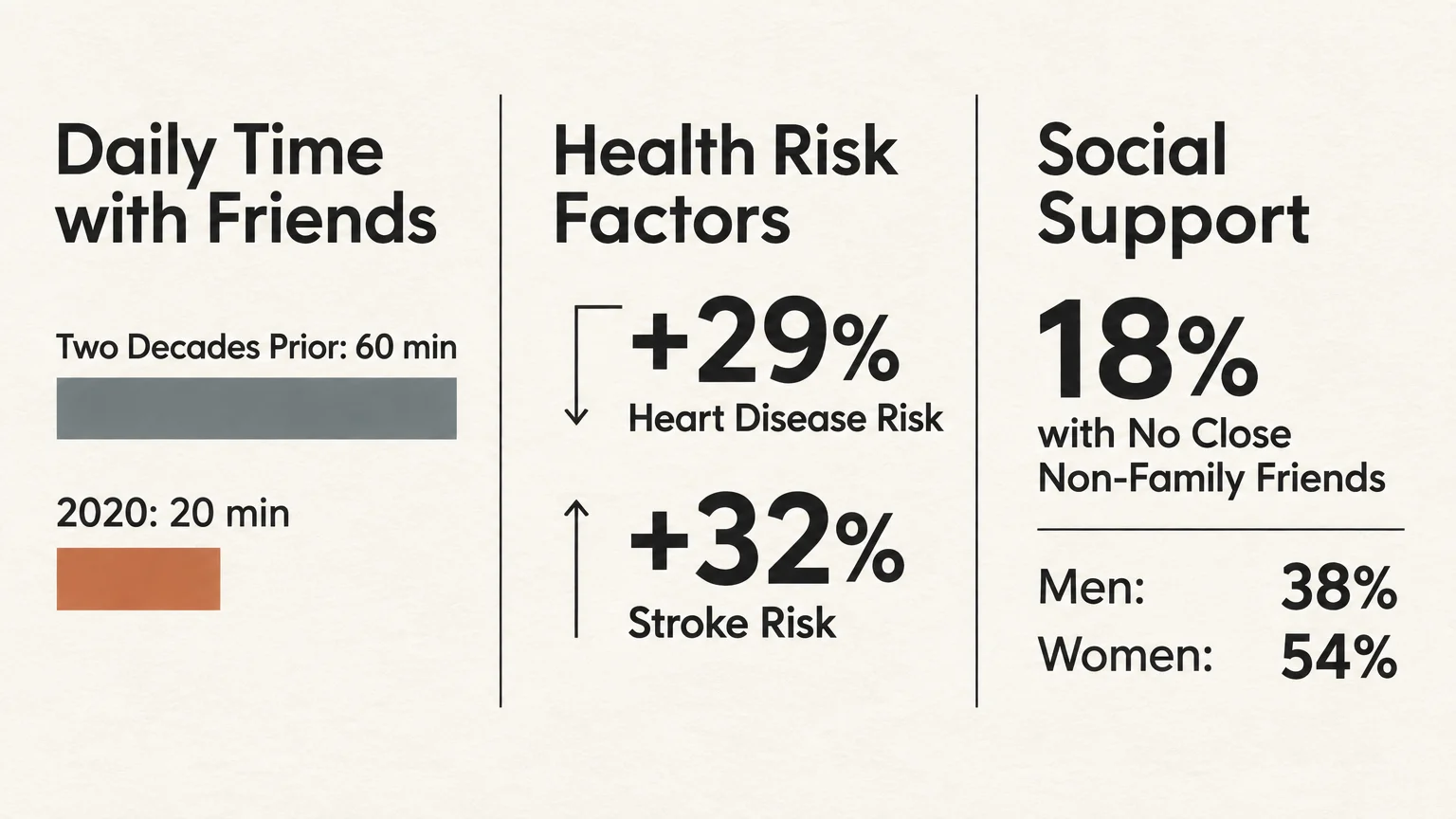
A May 2023 advisory from the U.S. Surgeon General noted that Americans spent 20 minutes daily in person with friends in 2020. Two decades earlier, people spent 60 minutes daily.
Strong ties support physical health as much as mood. The same advisory linked lacking social connection to a 29% higher risk of heart disease and a 32% higher risk of stroke.
Federal data in that advisory also compared chronic disconnection to smoking up to 15 cigarettes a day. Global health leaders see similar patterns across age groups.
A June 2025 report from the World Health Organization estimated that 15.8% of people aged 13 and older experience loneliness. That report linked loneliness to roughly 871,000 deaths each year.
Close circles often feel smaller right here at home too. A January 2025 Pew Research Center survey of 6,204 U.S. adults found that 18% have no close friends outside their family.
In that survey, 38% of men turned to a friend for emotional support, compared with 54% of women. A February 2026 Gallup Panel also found that 20% of U.S. adults felt lonely a lot the previous day.
Your social habits are the daily ways you listen, speak, and respond around others. Find healthy aging guidance at the National Institute on Aging (NIA) and broader health resources at the NIH.
How Hidden Relationship Patterns Take Hold
Most behaviors that push people away start as mental shortcuts. When you feel rushed, worried, or low on sleep, your brain defaults to fast habits to save effort.
In relationship psychology, these automatic responses often look like disinterest or harshness to the listener. You might feel tired inside, yet your tone sounds sharp outside.
Good connection relies on attention training, which means noticing where your focus drifts during a talk. It also relies on energy budgeting, or matching your social plans to your real stamina.
The American Psychological Association defines active listening across cognitive, emotional, and behavioral dimensions. That means understanding words, sensing feelings underneath, and showing steady presence with your posture and questions.
Research from Dr. John Gottman at the University of Washington shows how small moments add up. Stable couples keep at least 5 positive interactions for every 1 negative interaction during conflict.
Couples heading toward a breakup drop closer to a 1-to-1 ratio or lower. One careless habit does not ruin a bond, yet repeated slips tip that balance fast.
Knowing the difference between honest communication mistakes and deliberate toxic behaviors takes pressure off you. You do not need perfection to become an easier person to be around.

8 Behaviors That Push People Away Without You Realizing
1. Boomerasking in Everyday Conversations
Imagine asking a neighbor how their weekend went, waiting two seconds, and jumping straight into your own trip story. Researchers call this common habit boomerasking.
A March 2025 study by Alison Wood Brooks and Michael Yeomans examined this pattern in the Journal of Experimental Psychology: General. People who boomerask think they sound warm and engaging.
Listeners perceive boomeraskers as self-centered, insincere, and uninterested. Earlier research from 2017, confirmed valid in March 2025, showed that people who ask follow-up questions are liked better.
Follow-up questions show responsiveness because they prove you care about what the other person just shared. Sharing your own news works best after you finish exploring theirs.
Try the two-follow-up rule this week during one casual chat. Ask two genuine questions about their answer before you mention your own experience.
2. Checking Your Phone Mid-Conversation
Glancing at a screen while someone speaks to you is known as phubbing. Even a silent two-second check tells the speaker that a notification ranks above them.
A May 2025 meta-analysis in Frontiers in Psychology pooled 52 studies covering 19,698 participants. It linked partner phubbing to lower relationship satisfaction, higher conflict, and reduced emotional closeness.
That analysis also found that media addiction had the strongest link to phubbing behavior. Everyday surveys show how deeply these quick glances sting.
A 2015 Baylor University survey of 145 adults found that 46.3% had been phubbed by their partner. Another 22.6% said it caused conflict, and 36.6% sometimes felt depressed afterward.
Give your full attention a simple home base during meals or visits. Put your phone on silent inside a bag or another room for 20 minutes.
3. Leading With Criticism Instead of Requests
Raising a problem by attacking someone’s character puts them on edge right away. Criticism uses sweeping labels like always or never instead of naming one specific action.
Dr. John Gottman named criticism one of four habits that predict divorce with over 90% accuracy. A 14-year study using these four behaviors predicted divorce timing with 95% accuracy.
Even brief moments carry weight when talks begin harshly. A 6-year study of 124 newlywed couples predicted long-term outcomes from the first 3 minutes of a conflict discussion.
People pull back when they feel judged rather than invited to help. A calm request focuses on one clear fix you both can handle today.
Swap blame for a gentle start-up using your own perspective. Try saying, I feel overwhelmed when boxes block the hallway, so could we clear a path before dinner?
4. Letting Contempt Slip Into Your Tone
Sarcasm, mocking jokes, name-calling, and eye-rolling signal disgust rather than playful teasing. Gottman identified contempt as the single strongest predictor of divorce across decades of research.
Contempt pushes people away faster than anger because it treats the other person as beneath you. Even quiet sighs of superiority wear down trust over months.
When irritation spikes, try cognitive reappraisal before you speak. Cognitive reappraisal means pausing to rethink a frustrating moment in a fairer, calmer light.
For example, remind yourself that a spouse who forgot an errand feels stressed, not disrespectful. That mental shift keeps your 5-to-1 positive balance intact.
Whenever you feel a cutting remark rising, take one slow breath and drop the sarcasm. State the simple fact instead of a sharp joke.
5. Getting Defensive When Someone Shares Hurt
Defensiveness happens when you hear a complaint and fire back with an excuse or counterattack. You protect your pride, yet the other person feels unheard.
As one of Gottman’s four destructive habits, defensiveness stalls problem solving. Loved ones stop sharing honest feelings when every talk turns into a courtroom debate.
You do not have to agree with every detail to keep the door open. Accepting even a small slice of truth softens tension right away.
Next time someone brings up a concern, skip explaining why you meant well. Look for one accurate point you can acknowledge out loud.
Use a short grounding phrase to keep the talk steady. Say, You have a fair point about my tone earlier, and I want to hear how that landed for you.
6. Shutting Down During Hard Talks
Stonewalling looks like staring at the floor, going silent, or walking out without a word. Often it happens because your heart rate climbs and you feel overwhelmed.
While silence feels safer in the moment, it leaves the other person feeling abandoned or punished. According to the American Psychological Association, healthy bonds depend on handling disagreements well rather than avoiding conflict.
Suppressing real needs slowly hollows out authentic closeness. You can protect your calm without disappearing by setting a clear emotional boundary.
An emotional boundary defines what you need to stay respectful while keeping a commitment to return. Giving a specific time to resume prevents panic on both sides.
Practice this steady phrase before your next tense conversation. Say, I am getting overwhelmed right now, so I need 20 minutes to cool down before we finish talking at seven.
7. Turning Support Into Chronic Co-Rumination
Sharing a rough day brings relief, yet repeating the same worry for weeks wears friends down. Researchers call this endless rehashing co-rumination.
A December 2025 study of 960 adult couples in the Journal of Social and Clinical Psychology tracked this habit over 15 to 20 weeks. Co-rumination raised both anxiety and depression without improving relationship satisfaction.
A survey of 495 UK adults aged 18 to 87 found a similar trap. Even when repetitive venting felt like bonding, it was still linked to higher anxiety.
Friends want to support you, yet feeling stuck in circular complaints drains everyone’s energy. Pairing empathy with forward motion keeps friendships nourishing for both people.
Try setting a 10-minute timer when you call a friend to vent. When the timer chimes, ask together what one tiny step might help tomorrow.
8. Letting Shared Leisure Time Disappear
Sometimes nothing sounds wrong in your words, yet you drift off people’s calendars. Waiting for big holidays or free weekends starves casual friendships.
University of Kansas professor Jeffrey Hall studied 355 relocated adults and 112 students to measure friendship growth. Moving from acquaintance to casual friend takes roughly 50 hours together.
Becoming a regular friend takes about 90 hours, and close friendship requires over 200 hours. Time spent joking and talking counts far more than working side by side.
A 2023 Pew survey of 5,057 U.S. adults found 8% had no close friends at all. Another 53% had one to four, while 38% had five or more.
Keep bonds alive with low-pressure time on your normal schedule. Book a recurring 15-minute walk or morning coffee call instead of waiting for a free afternoon.
Getting Started Today: A 7-Day Social Reset
Trying to fix eight habits at once leads to burnout. Pick one gentle focus each day for a single week to build steady awareness.
On Day 1, leave a small notebook beside your kettle so you see it each morning. Spend 2 minutes jotting down one person you want to listen to well today.
On Day 2, place your phone in a coat pocket or bag whenever you sit for a meal. Notice how much calmer conversations feel without screen interruptions.
On Day 3, practice the two-follow-up rule during one phone call or porch chat. Keep the spotlight on their story before sharing your own update.
On Day 4, catch one sharp or sarcastic thought on your afternoon walk. Use cognitive reappraisal to reword it into a kind, plain request.
On Day 5, listen to a family member share a mild frustration without defending yourself. Simply repeat back the main feeling you heard.
On Day 6, notice when a tough topic heats up during your evening wind-down. Use your 20-minute break script instead of shutting down silently.
On Day 7, invite a friend for a short coffee or 15-minute walk. Keep the chat light and skip rehashing old worries.
Practices That Compound Over Time
Awareness fades without simple cues built into your routine. Small habits stick best when you pair them with things you already do every day.
An implementation intention is a clear if-then plan that turns good wishes into action. You link an everyday trigger directly to a calmer response.
For instance, decide ahead of time: if my phone buzzes during dinner, then I will ignore it until dishes are cleared. Decision fatigue drops when the plan is pre-made.
Gratitude journaling also strengthens your 5-to-1 positive ratio from behind the scenes. Gratitude journaling means writing down two or three specific things you appreciated about someone today.
Keep your journal next to your reading glasses so you see it during evening wind-down. Spending 2 minutes writing one concrete thank-you note softens resentment before sleep.
Avoid all-or-nothing thinking, which convinces you one slip ruins your progress. Also steer clear of toxic positivity, which forces fake cheerfulness over genuine grief or frustration.
Honest optimism lets you admit a day was hard while still speaking respectfully. Saying a polite no when you feel drained beats snapping at people later.
Boundaries, Safety, and When to Seek Support
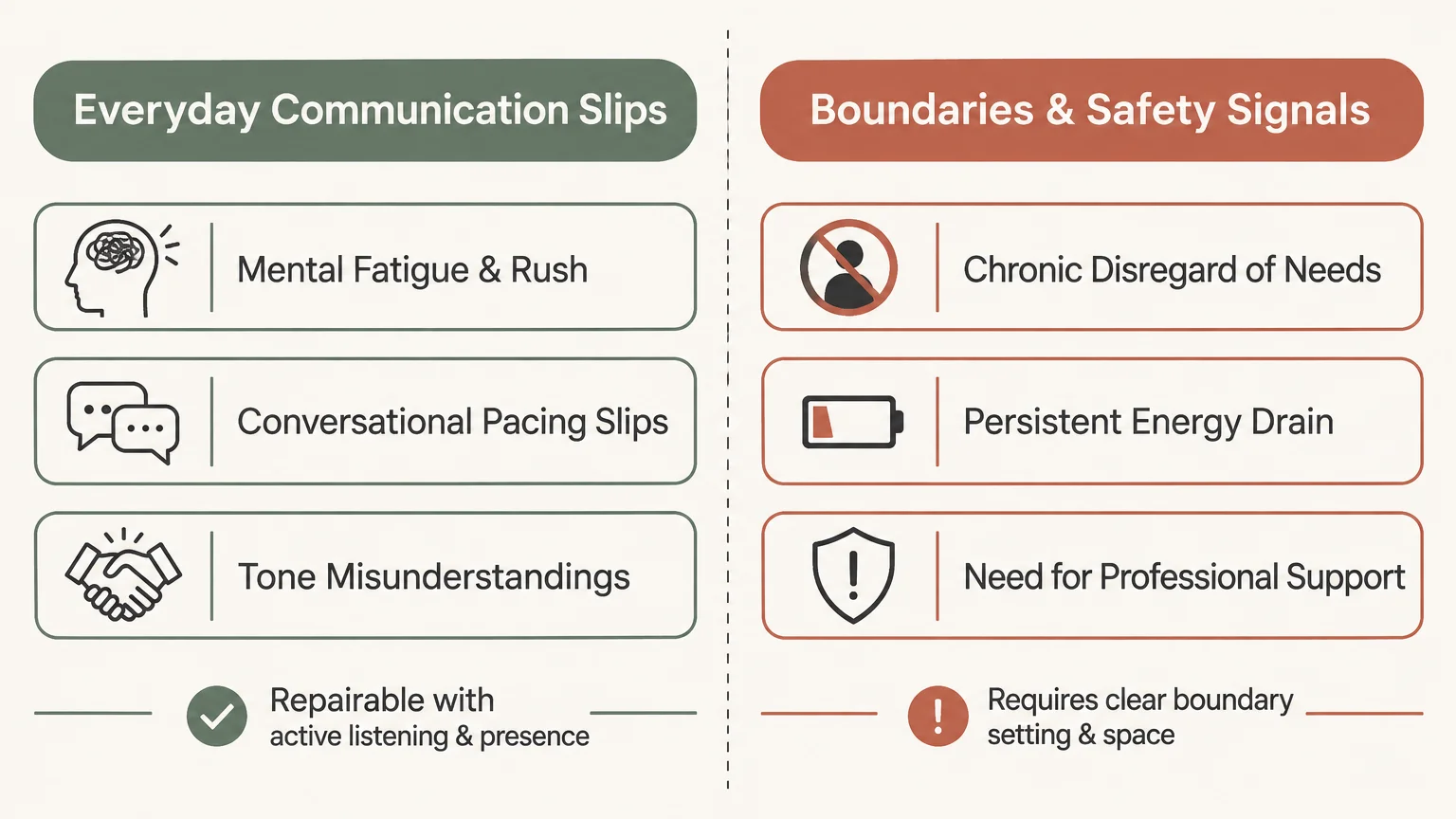
Social habits shape daily warmth, yet they cannot replace medical care or deep counseling. Be cautious of advice that treats communication tweaks as a cure for every hurt.
Skip spiritual bypassing, which uses cheerful sayings to ignore real anger, grief, or unsafe treatment. Healthy boundaries protect your wellbeing without blaming you for another person’s choices.
Physical fatigue also shrinks your patience faster than you may realize. Review trusted sleep education at the Sleep Foundation if restless nights leave you irritable.
For evidence-based mental health information, visit the American Psychological Association (APA). You can also check guidance on relaxation and complementary habits at the NCCIH.
If stress, low mood, or ongoing conflict interferes with your daily life, reach out to a licensed counselor or your primary care clinician. Urgent crisis and support resources are available anytime through SAMHSA.
This article is for informational purposes only and is not medical or psychological advice. Please seek immediate professional help if you or someone near you faces an emergency.
Tracking Momentum Without Judging Yourself
Old communication habits took decades to form, so give yourself grace as you adjust them. Treat any awkward slip as neutral data rather than proof of failure.
Keep tracking gentle so it never feels like another chore. Each night before bed, jot down two emotion words that describe your day.
Add a quick note on your sleep quality and one good social moment you shared. Over a few weeks, clear patterns will emerge on paper.
You may notice that rested mornings bring easier follow-up questions. Recognizing what helps your patience lets you protect those conditions tomorrow.
Frequently Asked Questions
How do I tell simple mistakes apart from toxic behaviors?
Honest communication mistakes happen when you feel distracted, stressed, or unaware of your tone. You feel sorry once you notice the hurt and work to repair it.
Toxic behaviors involve repeated disrespect, blame, or control with no willingness to listen or change. If someone refuses every boundary, consider speaking with a qualified therapist.
What should I do if I catch myself boomerasking mid-sentence?
Pause calmly as soon as you notice the pivot back to yourself. A brief reset keeps the moment warm without making things awkward.
Simply say, Wait, I interrupted your story, so please tell me how that wrapped up for you. People appreciate genuine course corrections right on the spot.
How can I set an emotional boundary without starting an argument?
Speak about your own limits instead of criticizing the other person’s behavior. Keep your voice steady and offer a clear time when you will reconnect.
Short, respectful statements leave far less room for defensiveness than long speeches. Saying what you can do works better than listing what they did wrong.
Can poor sleep and low energy make social habits worse?
Yes, tired brains struggle harder to pause before reacting with sarcasm or defensiveness. Protecting a full night of rest supports steadier listening and a warmer tone.
Notice which hours of the day you feel sharpest for serious talks. Save tricky conversations for morning or early afternoon instead of late evening.

Small Shifts That Bring People Closer
Warm relationships rarely depend on grand gestures or flawless speeches. Quiet changes in how you listen, pause, and make time add up across ordinary weeks.
Start this week by picking one habit from the eight above to practice gently. Keep your phone tucked away during one daily meal and ask two follow-up questions.
Watch for moments when fatigue tempts you toward sarcasm, defensiveness, or silent shutdowns. Use your calm boundary phrase or take a short walk before answering.
You will know these small shifts are working when visits feel less tense and loved ones open up sooner. Steady presence invites people closer without forcing a single word.