Identifying unhealthy patterns in your household helps you reclaim your inner peace and protect your emotional health. Clear awareness gives you the power to choose how you engage with relatives.
Many mature adults spend decades feeling drained after family gatherings without understanding the underlying cause. Learning how to recognize a toxic family brings clarity to your personal history and relieves unwarranted self-blame.
This guide reveals seven key relational patterns and practical, gentle practices for your daily life. You will find grounded steps to protect your well-being while honoring your personal dignity.
Understanding Dysfunctional Family Patterns
Families function as interconnected emotional systems. Decades of relationship research show that individual behaviors reflect the broader emotional climate of the home.
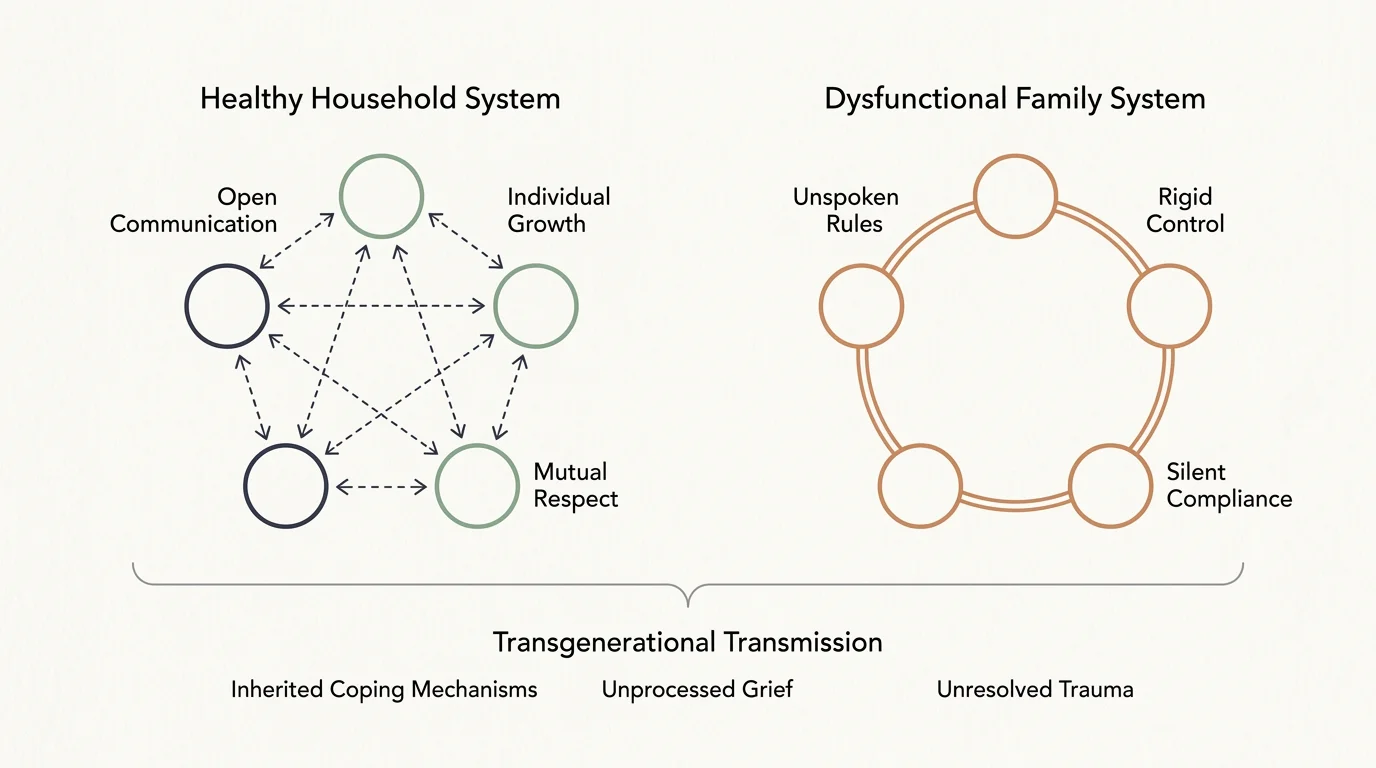
In healthy households, members encourage individual growth, open communication, and mutual respect. Everyone feels safe to express honest thoughts without fearing ridicule or abandonment.
By contrast, dysfunctional family patterns rely on unspoken rules that suppress individuality. Relatives often trade genuine connection for rigid control and silent compliance.
These patterns rarely emerge overnight. They usually pass down across generations as inherited coping mechanisms for unprocessed grief, financial hardship, or unresolved trauma.
Understanding this historical context does not excuse harmful behavior. However, it helps you view the dysfunction with emotional detachment rather than personal failure.
You can love your family while declining to participate in their harmful dynamics. Recognizing these patterns marks the first step toward genuine emotional freedom.
The Physical and Emotional Toll of Family Dysfunction
Prolonged exposure to relational discord exacts a measurable toll on your nervous system. Your body often senses tension long before your conscious mind names it.
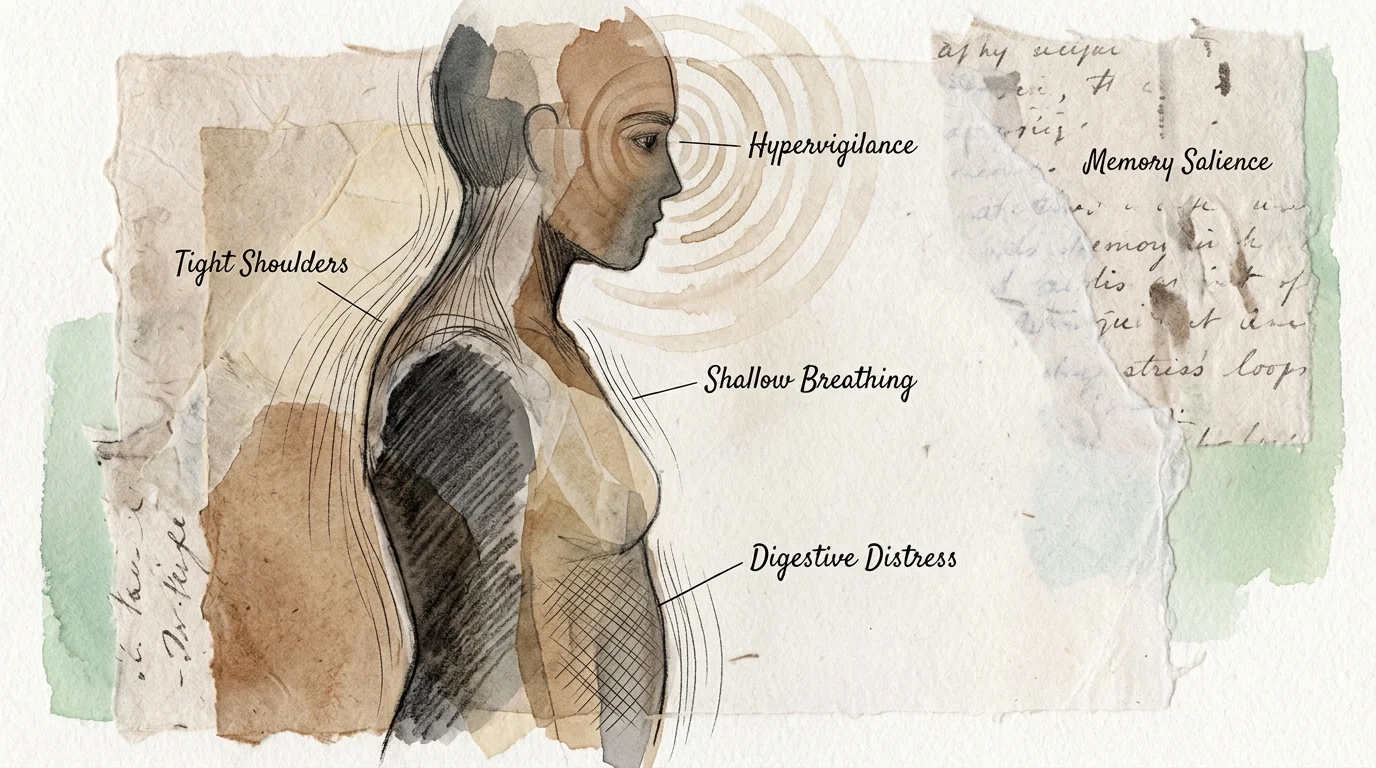
Many adults experience tight shoulders, digestive distress, or shallow breathing before family visits. Psychologists call this reaction hypervigilance, a persistent state of alertness designed to protect against perceived threats.
Over time, chronic emotional strain disrupts your physical vitality and sleep rhythms. You can review research on stress and physical health through the NIH.
Mental habits also shift under long-term stress. You may develop confirmation bias, which means you instinctively search for subtle cues that signal an impending conflict.
Another common cognitive response involves memory salience. Your mind highlights painful family memories to prepare you for future emotional harm.
These mental and physical responses represent protective mechanisms, not personal weaknesses. Honoring your body’s signals helps you establish necessary safeguards for your peace of mind.