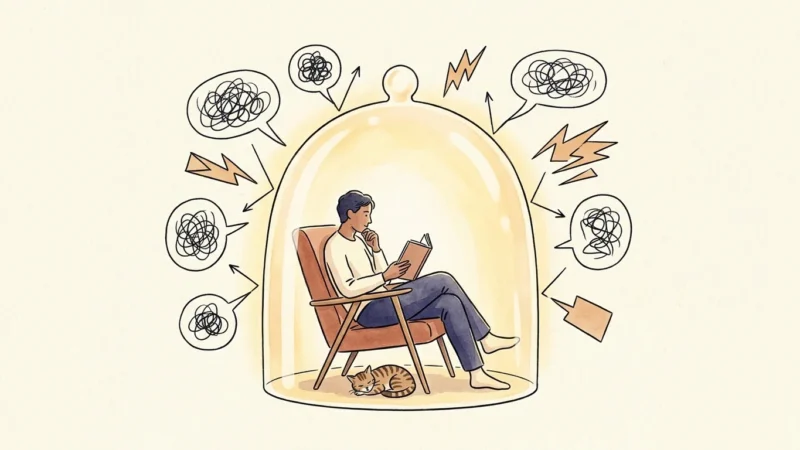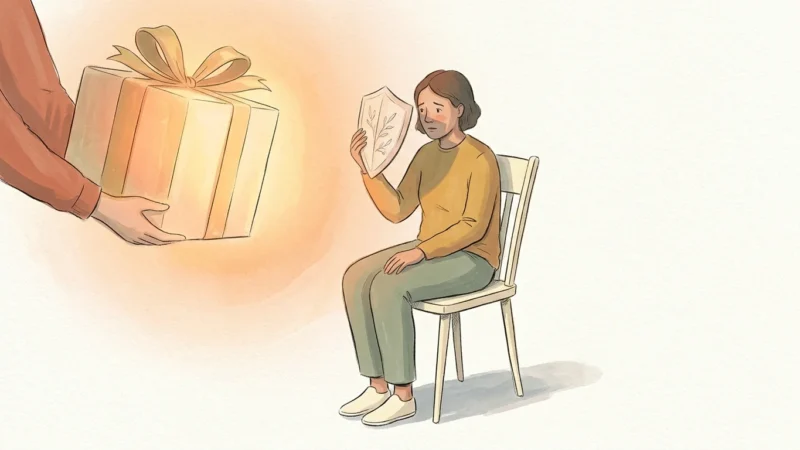
Restful sleep restores your physical energy and protects your mental clarity every day. Recognizing whether hidden worry disturbs your evening routine helps you reclaim steady nighttime comfort and emotional balance.
Many mature adults face frequent awakenings and assume broken sleep is an unavoidable part of aging. Persistent emotional strain keeps your nervous system in high alert and prevents sound, restorative rest.
Learning to identify this tension offers immediate emotional clarity and practical relief. This guide outlines nine unmistakable signs of evening distress alongside gentle, grounded methods to rebuild your sleep.
The Hidden Connection Between Anxiety and Sleep
Anxiety and sleep share an intimate biological relationship. When anxious thoughts arise, your brain releases chemicals that stimulate wakefulness.
The Centers for Disease Control and Prevention and the American Academy of Sleep Medicine recommend seven or more hours of sleep each night. Many mature adults fail to meet this benchmark due to emotional strain.
According to the National Institute of Mental Health, 19.1 percent of American adults experience an anxiety disorder each year. Furthermore, an estimated 31.1 percent face an anxiety condition at some point in life.
A survey from the American Academy of Sleep Medicine revealed that 68 percent of Americans lose sleep due to anxiety. Additionally, 74 percent report sleep disruption caused by everyday stress.
Sleep problems anxiety often affects adults over fifty due to major life transitions. Retirement, shifting family dynamics, and health changes frequently generate subtle emotional pressure.
You can explore reliable mental health data through the NIH. Their research documents how chronic stress alters biological rhythms over time.
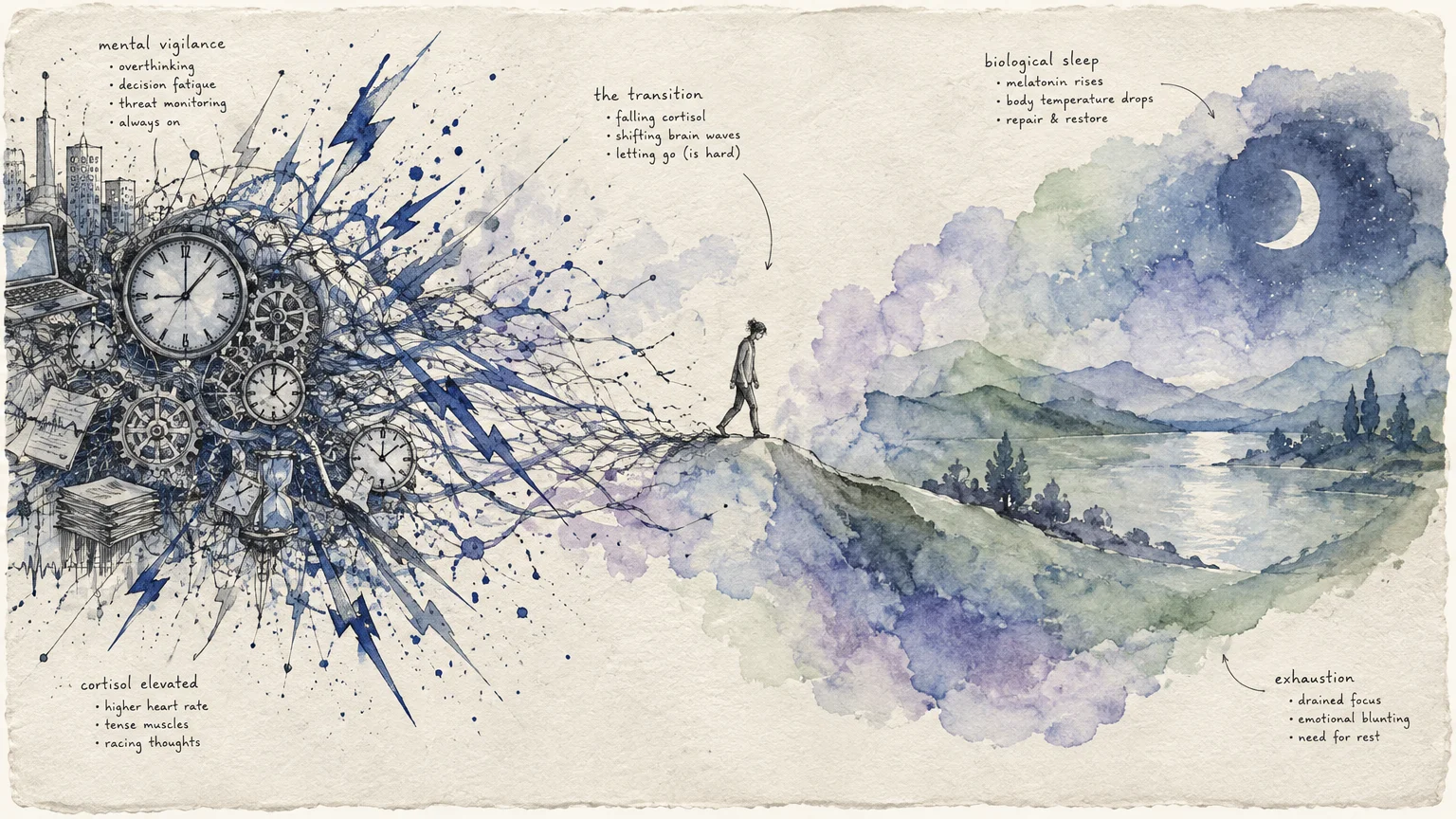
When worry lingers into the evening, your body cannot shift into natural rest mode. Your nervous system remains vigilant instead of powering down.
This sustained alertness prevents your brain from entering slow-wave deep sleep. You wake up feeling depleted even after spending eight hours in bed.
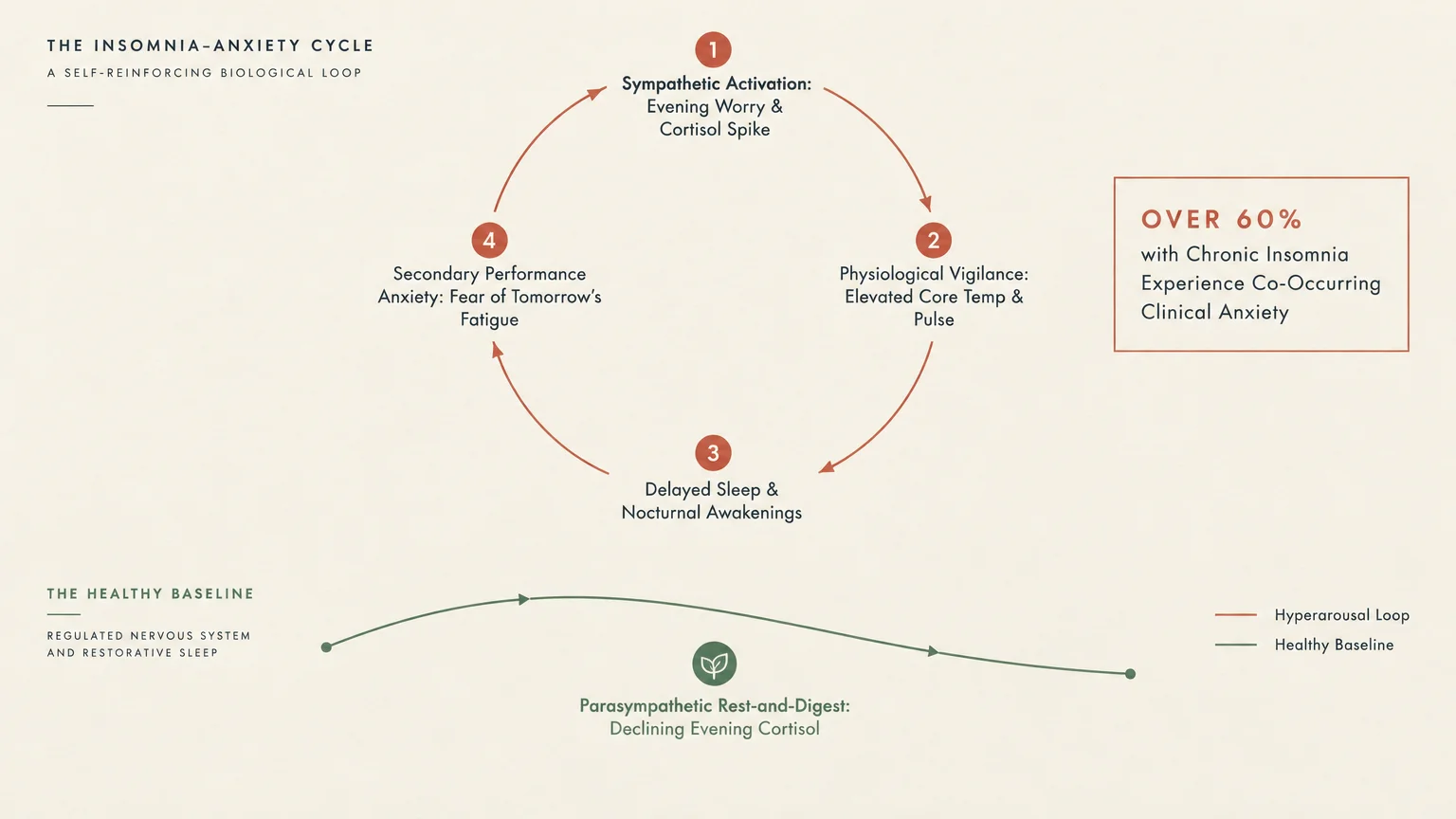
The Cycle of Nocturnal Hyperarousal
Nocturnal hyperarousal describes a state of heightened physical and mental alertness at bedtime. It turns your bed into a place of effort rather than rest.
Clinical research indicates that over 60 percent of individuals diagnosed with chronic insomnia experience co-occurring clinical anxiety. This data illustrates how worry and wakefulness reinforce each other.
Anxiety stimulates your sympathetic nervous system, which governs the fight-or-flight response. This activation floods your bloodstream with stress hormones like cortisol and adrenaline.
Under healthy conditions, cortisol levels naturally decline as evening approaches. This biological dip signals your brain that it is safe to rest.
Chronic anxiety disrupts this natural hormonal curve. Elevated nighttime cortisol elevates your core temperature and keeps your pulse fast.
True sleep requires your parasympathetic nervous system to take over. This rest-and-digest state lowers your blood pressure and allows your muscles to soften.
When you worry about sleeplessness, you generate secondary performance anxiety. The fear of being tired tomorrow triggers another wave of nervous arousal tonight.
Recognizing this physiological loop removes personal blame from the equation. Your sleeplessness is a biological response to stress, not a personal failure.

9 Signs Your Anxiety Is Affecting Your Sleep
Many people do not realize that emotional strain drives their sleep problems. You might assume your nighttime restlessness is merely a physical complaint.
Identifying your specific patterns helps you choose the right soothing practices. Here are nine clear signs that anxiety is altering your rest.
1. It Takes Longer Than Thirty Minutes to Fall Asleep
Clinicians use the term sleep latency to describe the time it takes to drift off. Healthy sleep latency typically ranges between 10 and 20 minutes.
Taking longer than 20 to 30 minutes indicates sleep-onset insomnia. Bedtime rumination and racing thoughts at night are the most common causes of this delay.
When you switch off your lamp, the quiet room removes daytime sensory input. Unresolved worries and quiet grief rush into that open mental space.
Your mind might review conversations from years ago or worry about tomorrow’s schedule. This mental work tricks your brain into believing an emergency is present.
Actionable practice: Keep a notepad in your living room for a worry dump. Spend five minutes writing your concerns before you ever step into your bedroom.
Externalizing your thoughts onto paper signals your brain that the information is safe. You can address the list tomorrow with a clear mind.
2. You Wake in the Early Morning with a Pounding Heart
Waking suddenly between two and four in the morning is a frequent pattern. You may notice your heart thumping against your ribs before you even open your eyes.
This early awakening often stems from an abnormal spike in nocturnal adrenaline. Your body experiences a surge of nervous energy during normal sleep-stage shifts.
Once conscious, your brain searches for a logical explanation for your physical panic. You quickly attach that physical sensation to your deepest personal worries.
This reaction creates a distressing association between early morning hours and panic. You struggle to return to sleep because your alarm system is buzzing.
Actionable practice: Try the physiological sigh when you wake with a racing heart. Inhale twice through your nose, then exhale slowly through your mouth.
Repeating this breathing cycle three times stimulates your vagus nerve. It physically slows your heart rate without requiring cognitive debate.
3. You Wake with a Clenched Jaw and Muscle Stiffness
Anxiety does not disappear when your conscious awareness fades at night. Unresolved emotional tension often causes your muscles to contract while you sleep.
You might wake with dull temple headaches, a sore jaw, or stiff neck muscles. These discomforts often indicate nocturnal bruxism, commonly known as teeth grinding.
Many mature adults also clench their hands or brace their shoulder blades throughout the night. This constant contraction leaves you feeling physically bruised by morning.
Your body expends immense energy holding this tension rather than recovering. As a result, you start your morning feeling physically exhausted.
Actionable practice: Perform a gentle jaw release before resting your head. Open your mouth wide, sigh softly, and let your tongue rest on the floor of your mouth.
Releasing facial tension signals your autonomic system that you are safe. This simple physical release helps prevent nighttime clenching.
4. You Experience Vivid and Stressful Dreams
Your brain uses rapid eye movement sleep to process complex daily emotions. When anxiety runs high during waking hours, your dream themes often reflect that distress.
You might dream of searching for something lost, missing travel departures, or facing confrontation. These themes mirror waking feelings of loss of control or unresolved grief.
Waking from turbulent dreams leaves your nervous system flooded with stress hormones. You may feel shaken and disoriented long after waking up.
Over time, disturbing dreams can make you dread the act of falling asleep. This bedtime fear creates another obstacle to sound, peaceful rest.
Safety cue: Keep a comforting sensory object on your nightstand, such as a smooth stone. Touch this item immediately upon waking to anchor yourself in your present physical safety.
Remind yourself gently that dreams are merely your brain clearing emotional clutter. The dream does not predict danger in your waking reality.
5. You Check the Clock Repeatedly During the Night
Clock-watching is a classic sign of nocturnal hypervigilance. You glance at the glowing numbers every time you roll over in bed.
Your brain immediately performs stressful nocturnal math. You calculate precisely how many hours remain before your morning alarm rings.
This calculation stirs panic about how poorly you will function tomorrow. You imagine fatigue ruining your plans and making your day unbearable.
The clock transforms your peaceful bedroom into an anxious testing environment. Each passing hour feels like evidence of physical failure.
Actionable practice: Turn your alarm clock toward the wall before you go to sleep. Place your mobile phone inside a drawer across the room.
Removing visible time markers eliminates nocturnal calculations. If you wake, focus entirely on the physical comfort of your soft pillows instead of the hour.
6. You Feel Growing Dread as Twilight Approaches
Sleep problems anxiety rarely begins at the moment your head hits the pillow. You may feel a subtle heaviness settle into your chest as daylight fades.
This emotional reaction is known as anticipatory sleep dread. Your brain remembers past sleepless nights and assumes tonight will bring identical struggle.
Your bedroom gradually becomes associated with frustration rather than rest. Simply looking at your bed can trigger an involuntary surge of adrenaline.
Many adults postpone bedtime by watching television late into the night. While avoidance feels soothing temporarily, it disrupts your sleep schedule and worsens exhaustion.
Actionable practice: Create a sixty-minute transition buffer between your day and bedtime. Use this hour for warm herbal tea, gentle stretching, or spiritual contemplation.
Changing your evening atmosphere helps you dismantle negative bedroom associations. You reclaim twilight as a peaceful sanctuary rather than an approaching trial.
7. Your Sleep Feels Remarkably Shallow and Broken
You might lie in bed for eight hours yet feel as if you never truly slept. You remain aware of room sounds, temperature shifts, and passing cars outside.
Clinicians refer to this disrupted pattern as sleep fragmentation. It occurs when nocturnal anxiety keeps your brain locked in light stage one and two sleep.
Your brain avoids deep delta-wave sleep because your internal alarm system senses potential threat. You stay in a semi-conscious state of environmental vigilance.
This lack of deep rest interferes with cellular repair and emotional regulation. You wake up feeling foggy, irritable, and physically stiff.
Actionable practice: Practice a gentle body scan while lying quietly on your back. Bring mindful attention to your toes, ankles, and legs without judging your sensations.
Grounding your attention in physical sensations quiets intellectual hyperarousal. It invites your central nervous system to surrender into deeper resting states.
8. You Experience the “Tired but Wired” Paradox
Anxiety and sleep disruption often produce a perplexing physical state. Your mind feels exhausted, yet your body hums with uncomfortable nervous energy.
This tired but wired feeling occurs when chronic stress hormones mask your genuine fatigue. Cortisol and adrenaline continue circulating despite extreme physical depletion.
You may struggle to concentrate on reading or conversations during the day. At the same time, sitting still or resting feels nearly impossible.
Many mature adults turn to extra coffee or caffeinated tea to combat this fog. Unfortunately, caffeine stays in your system for hours and fuels evening insomnia.
Actionable practice: Spend twenty minutes outside in bright natural morning sunlight. Morning light anchors your circadian rhythm and encourages melatonin production for the coming night.
Pair this outdoor time with gentle walking to discharge excess physical adrenaline. Physical movement releases tension without overstimulating your weary nervous system.
9. You Rely on Rigid Rituals to Feel Secure
When nighttime worry escalates, you may construct rigid rituals around bedtime. You might check locks repeatedly or demand absolute silence in your home.
You convince yourself that sleep will happen only if every environmental detail is perfect. Any minor disruption prompts immediate anger or despair.
Therapists classify these compulsive habits as nocturnal safety behaviors. While they offer fleeting reassurance, they actually reinforce underlying fears about sleep.
Relying on rigid conditions undermines faith in your body’s natural sleep drive. You begin viewing sleep as fragile rather than an automatic biological function.
Actionable practice: Soften your bedtime rules by introducing one tiny variation tonight. Allow your bedroom window to stay open, or read a novel under softer lighting.
Proving to yourself that you can rest despite small imperfections builds confidence. It shifts your mindset from anxious control toward peaceful acceptance.

Practical and Gentle Ways to Calm Nighttime Worry
Soothing nighttime worry requires gentle, steady practices rather than forceful effort. You can calm your nervous system with accessible, cost-free methods.
Scientific evidence shows that mindfulness and gentle breathwork quiet emotional distress. You can discover evidence-based complementary therapies through the NCCIH.
You can also review clinical sleep education through the Sleep Foundation. Grounding your habits in verified science protects you from misleading wellness gimmicks.
Journaling serves as an exceptional tool for processing evening grief or anxiety. Putting worries on paper externalizes them so your mind can rest.
Use this short reflection prompt tonight: What is one concern I can safely postpone until tomorrow morning? Write your answer in two concise sentences.
Consider a second gentle prompt: Where did I notice peace or goodness in my day? Remembering small gifts activates your body’s rest-and-digest response.
A structured 7-day practice plan provides a gentle framework for positive change. You can complete this progression in continuous prose without rigid rules.
On day one and day two, focus on establishing a consistent wake-up time each morning. A steady waking time stabilizes your internal circadian clock.
On day three and day four, shut off digital screens sixty minutes before bed. Spend that peaceful hour reading an uplifting spiritual text or listening to gentle acoustic music.
On day five, introduce a brief worry journaling session right after dinner. Recording concerns early prevents them from flooding your mind at bedtime.
On day six, practice slow nasal breathing for five minutes as you lie down. Allow your abdomen to rise and fall softly with each breath.
On day seven, reflect on your week with compassionate self-acceptance. Celebrate every moment of calm rest rather than demanding absolute perfection.

Boundaries, Safety, and Clinical Support
While gentle lifestyle habits offer wonderful support, persistent sleep disruption requires clinical awareness. It is essential to know when sleeplessness crosses into a chronic condition.
Clinical standards in the DSM-5 define chronic insomnia as difficulty initiating or maintaining sleep at least three nights per week for three months. This diagnosis applies even when you have ample time to rest.
If your sleeplessness meets this standard, lifestyle tips alone may prove insufficient. Partnering with a licensed healthcare provider ensures you receive structured care.
Cognitive Behavioral Therapy for Insomnia, or CBT-I, is the clinical gold standard. It addresses cognitive rumination and retrains your brain to associate bed with sleep.
Find accredited providers and coping resources through the American Psychological Association (APA). You can also access mental health support through SAMHSA.
Be cautious of unregulated commercial products that promise instant insomnia cures. Avoid online programs that charge large upfront fees or guarantee immediate results.
Genuine healing requires patience, steady habits, and personalized clinical guidance. Trustworthy practitioners always respect your pace and encourage comprehensive medical review.
If discussing sleep difficulties feels daunting, prepare a short script before your doctor visit. Clear phrasing helps you explain your situation without hesitation.
You might say: I have experienced frequent nighttime awakenings and racing thoughts that harm my daytime energy. I would like to explore evidence-based therapies to treat both my anxiety and my sleep.
This direct statement frames your symptoms clearly. It encourages your physician to collaborate on a safe, comprehensive care plan.
Frequently Asked Questions About Sleep and Anxiety
Understanding common concerns helps you navigate your rest with confidence. Here are grounded answers to frequent questions about anxiety and sleep.
Why does anxiety feel so much worse at night?
Daytime routines fill your hours with sensory input, conversations, and duties. When you enter a quiet, dark bedroom, those external distractions vanish completely.
Additionally, your brain experiences natural fatigue late in the evening. A weary prefrontal cortex struggles to regulate emotional fears, making minor concerns feel overwhelming.
Can nighttime anxiety cause physical chest tightness?
Yes, anxiety frequently produces physical chest tightness, shallow breathing, and muscle tension. These uncomfortable symptoms stem from heightened autonomic nervous system arousal.
However, you should always consult a physician to evaluate any new chest symptoms. Ruling out cardiovascular or respiratory concerns gives you true peace of mind.
How can I quiet racing thoughts without sleep medication?
Trying to suppress thoughts forcefully usually causes them to rebound with greater intensity. Instead of fighting your thoughts, give your mind a gentle anchor.
Focus on listening to calm ambient sounds, rain recordings, or a guided imagery meditation. Gentle audio occupies your auditory cortex and allows anxious loops to dissolve.
What distinguishes normal stress from anxiety insomnia?
Everyday stress usually subsides once a specific life challenge or deadline passes. Anxiety insomnia persists across months and focuses on the fear of sleeplessness itself.
Anxiety insomnia creates persistent nocturnal hyperarousal that disrupts your daytime memory and mood. It rarely resolves without intentional changes to evening habits.
Will meditating in bed help me fall asleep faster?
Meditation calms your body, but using it solely to force sleep can backfire. Turning meditation into a sleep tool creates subtle performance pressure.
Instead, practice meditation simply to offer your physical body restful ease. Accepting rest itself as valuable eliminates the anxiety of trying to sleep.
Restoring Your Natural Restful Rhythm
Rebuilding peaceful rest is a gentle process of restoring inner trust and safety. Your body has not forgotten how to rest; it is merely reacting to stress.
Meet yourself with patience as you dismantle years of nighttime tension. Every small act of nervous system care strengthens your sleep resilience over time.
This week, try one practical adjustment to protect your evening peace. You might turn your clock toward the wall or practice an evening brain dump.
Next, track your daytime ease and emotional patience rather than counting lost nighttime hours. Shifting your focus away from sleep metrics softens bedtime dread.
Finally, verify your progress by noticing when physical tension softens in your neck and jaw. Acknowledging small improvements builds lasting confidence in your body’s wisdom.
This article is for educational and informational purposes only. It does not provide medical, psychological, legal, or financial advice.
If you experience chronic insomnia or severe anxiety, consult a licensed healthcare professional or trusted counselor. Seek immediate emergency care if you face an emotional crisis.