Suppressing your needs drains your vitality and harms your long-term emotional peace. You can reclaim your daily strength by learning to recognize the subtle habits of neglecting yourself in everyday life.
Many adults over fifty spend decades caring for family members and heavy career duties. Over time, you may routinely push aside your valid emotional needs without even noticing the pattern.
Listening to your body and mind protects your mental health and strengthens your personal relationships. This guide highlights ten common people pleasing signs and provides practical tools to help you rebuild healthy balance.
Understanding Emotional Needs and Self-Neglect
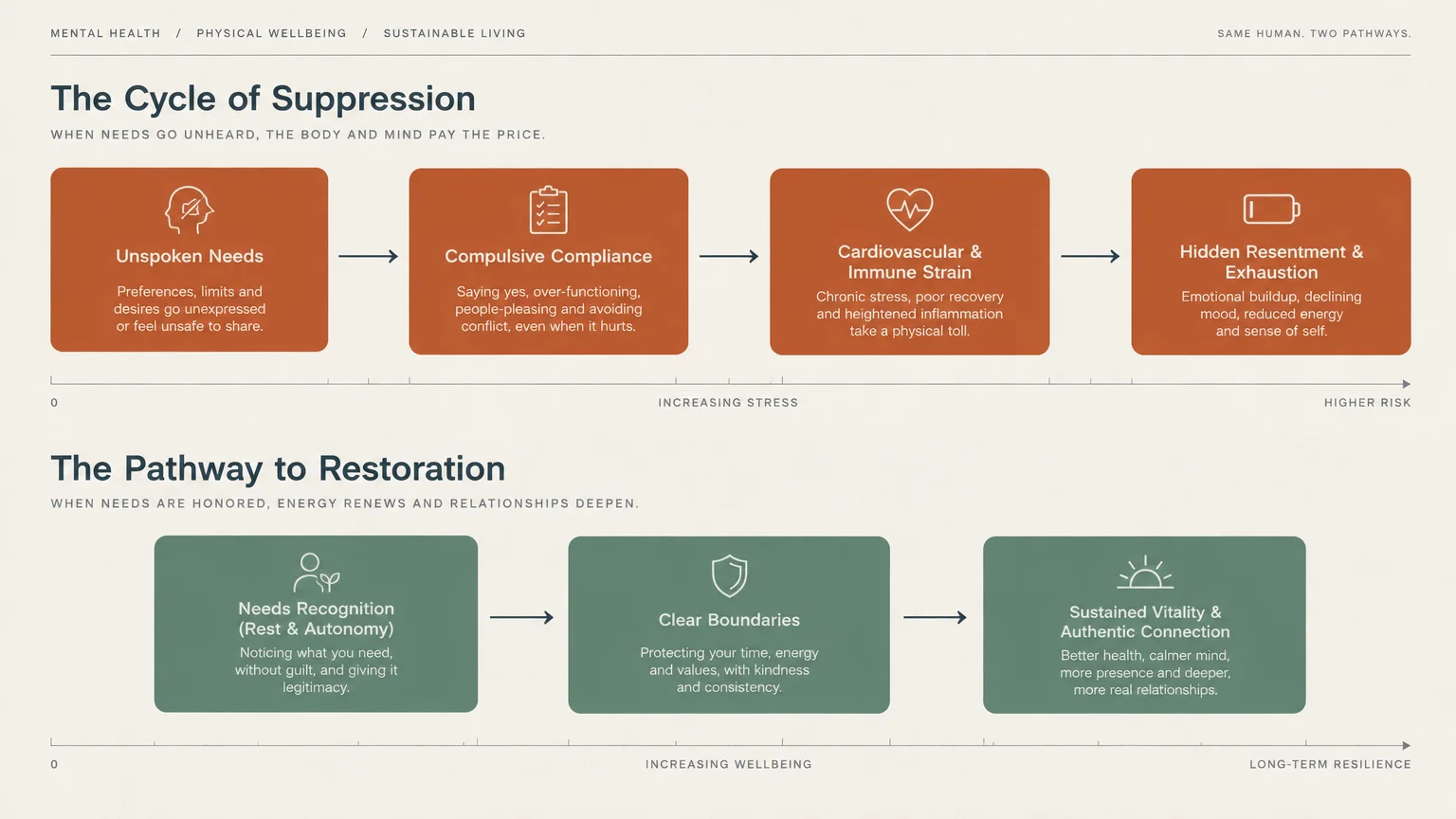
Your emotional needs are essential human requirements for rest, respect, connection, and autonomy. When you ignore these inner signals, your mind and body still register the deficit.
Many people mistake self-sacrifice for kindness. In reality, persistent self-denial often leads to chronic stress, hidden anger, and deep loneliness.
Psychological research shows that chronic emotional suppression harms both mental and physical health. Health guidance from the American Psychological Association (APA) and the NIH highlights how unaddressed stress strains your cardiovascular and immune systems.
Caring for yourself is not a selfish act. Meeting your basic personal requirements provides the foundation for genuine compassion toward others.
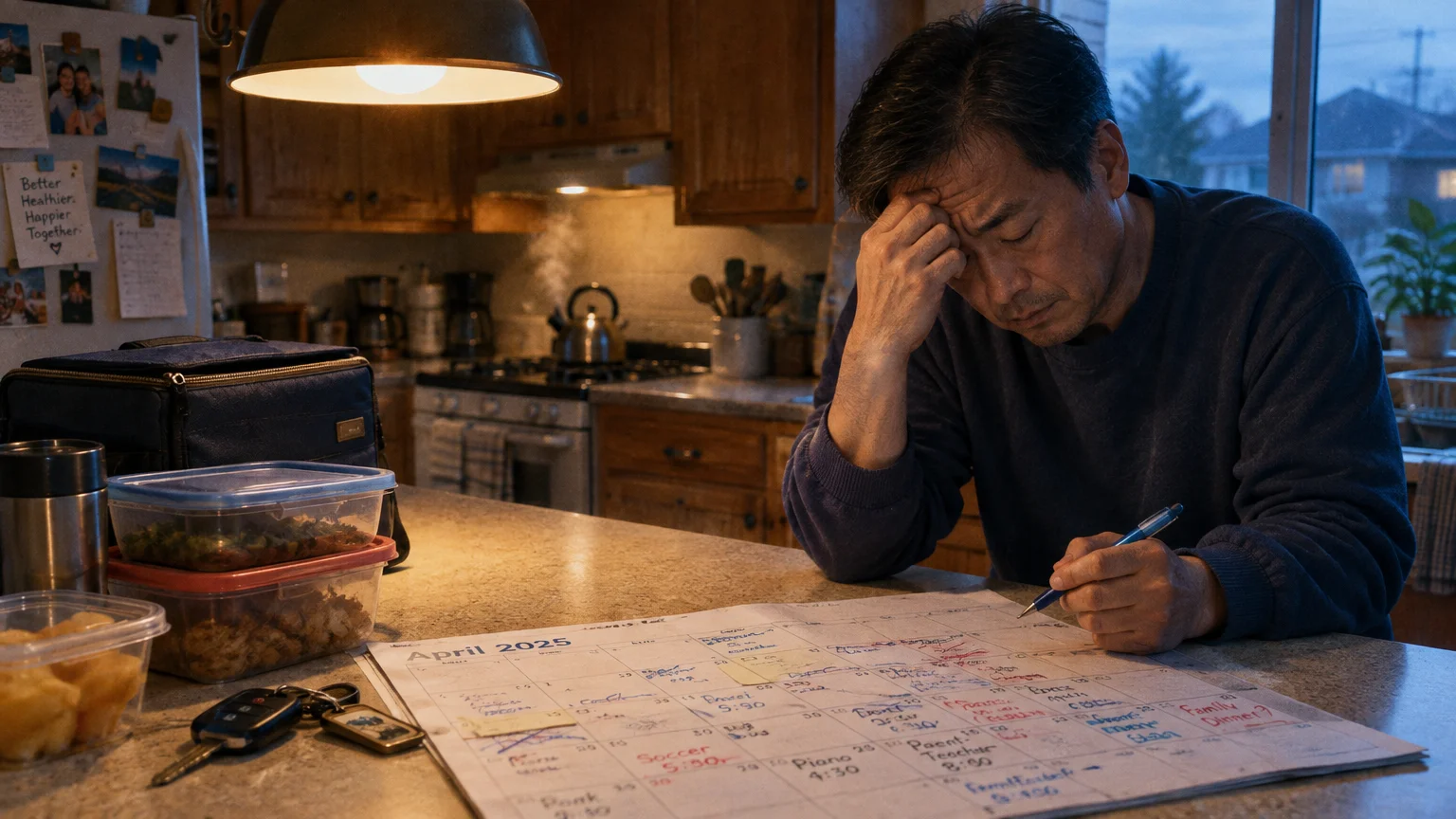
10 Signs You’re Suppressing Your Needs
1. You Say Yes When You Want to Say No
You agree to requests automatically, even when your schedule or energy is completely empty. You fear that declining an invitation will disappoint others or create conflict.
This automatic compliance is one of the classic people pleasing signs. It replaces your authentic preference with an anxious desire to keep the peace.
Practice a gentle pause before answering any new request. Tell the other person you need twenty-four hours to check your calendar before deciding.
2. Persistent Physical Fatigue
Suppressing your needs requires constant muscular and mental effort. You may wake up feeling exhausted even after a full night in bed.
Your body frequently converts unspoken emotional distress into chronic muscle tension, headaches, or digestive upset. The mind hides the burden, but your nervous system carries the physical weight.
Consult healthy rest resources at the Sleep Foundation to evaluate your sleep habits. Spend five minutes each afternoon resting quietly without looking at your phone.
3. Quiet Resentment Toward Loved Ones
Resentment appears when you give more help than you can comfortably afford. You might feel bitter that others do not notice your unspoken sacrifices.
This bitterness is not a moral failure on your part. Instead, resentment acts as an internal alarm showing that someone crossed your personal boundaries.
Write down one task this week that makes you feel resentful. Decide whether you can modify the task, share it, or stop doing it entirely.
4. Difficulty Making Simple Personal Choices
When someone asks where you want to eat, you might quickly answer that you do not care. You have silenced your personal desires for so long that your preferences feel inaccessible.
This habit reflects chronic detachment from your internal guidance system. You look outward for approval instead of looking inward for direction.
Practice making one small, definitive choice every day. Choose your evening meal, your walking path, or a book without asking anyone else for input.
5. Feeling Responsible for Everyone Else’s Mood
You monitor room tension closely and feel anxious whenever someone near you seems unhappy. You mistakenly assume that keeping everyone comfortable is your personal job.
This hyper-vigilance often begins in childhood as a way to stay emotionally secure. In adulthood, it traps you in a cycle of constant anxiety.
Silently repeat this calming truth when tension arises: Other adults own their feelings, and I own mine. Take three deep breaths and step back.
6. Dismissing Your Own Discomfort
You tell yourself that your problems are trivial compared to the suffering of others. You minimize your sadness, grief, or physical pain by calling yourself dramatic.
Minimizing your feelings does not eliminate them. It simply drives the distress deeper into your body and mind.
Validate your lived experience using honest language. Tell yourself that your pain deserves care and attention, regardless of what others experience.
7. Emotional Numbness or a Loss of Joy
You may rarely feel sharp anger, but you also rarely feel genuine delight. When you suppress uncomfortable emotions, you accidentally suppress your pleasant emotions as well.
Life begins to feel like a mechanical checklist of obligations. You go through the motions of your daily routine without feeling alive.
Spend ten minutes outside paying quiet attention to nature. Notice five distinct colors, three natural sounds, and the fresh air against your skin.
8. Neglecting Basic Self Care Signs
You skip doctor appointments, rush through meals, or cancel exercise routines to help others. You treat your own health as an optional luxury rather than a daily requirement.
Neglecting yourself compromises your physical independence over time. Small acts of daily neglect accumulate into significant health challenges.
Schedule one non-negotiable self-care appointment on your calendar this week. Treat this personal appointment with the same respect you give an urgent meeting.
9. Apologizing for Taking Up Space
You say you are sorry when asking an employee for help or when asking someone to repeat a sentence. You worry constantly that your normal human needs burden the people around you.
This frequent reflex reveals an underlying belief that your presence inconveniences the world. It teaches your mind that your voice matters less than others.
Replace unnecessary apologies with simple statements of appreciation. Say thank you for waiting instead of apologizing for being a minute late.
10. Feeling Invisible in Your Relationships
You know every detail about your friends, but they know very little about your inner life. You listen attentively to their challenges while keeping your own struggles hidden.
This dynamic creates a profound sense of isolation inside close partnerships. People cannot support your authentic self if you consistently hide your reality.
Share one honest feeling with a trusted companion this week. Let them know when you feel tired, sad, or excited about something personal.

Practical Tools to Reclaim Your Voice
Changing long-standing behavioral habits takes gentle patience. You do not need to overhaul your entire personality in a single afternoon.
Begin with a simple seven-day self-awareness practice. Spend days one and two noticing how often you say yes against your true wishes.
On days three and four, write down two physical sensations you notice during stressful conversations. On days five and six, decline one minor request that drains your personal energy.
On day seven, spend thirty peaceful minutes engaging in an activity that brings you quiet pleasure. Track your emotional state in a private journal throughout the week.
Use gentle mindfulness tools to reconnect with your nervous system. Complementary wellness methods supported by NCCIH can help you soothe stress and rediscover inner calm.
If speaking up feels frightening, prepare a simple script in advance. A prepared sentence gives you confidence when difficult conversations arise.
You can say: I value our relationship, but I cannot take on that responsibility right now. This clear statement honors both people involved.

Protecting Your Emotional Safety and Setting Boundaries
Reclaiming your life requires emotional safety and clear discernment. As you begin expressing yourself, some people may push back against your new boundaries.
People who benefited from your self-neglect may express surprise or irritation when you speak up. Their discomfort is normal, but it does not mean your boundaries are wrong.
Be cautious with paid self-improvement programs or spiritual retreats. Avoid programs that demand large upfront fees, make extreme promises, or pressure you to cut off your family.
Legitimate personal growth respects your autonomy and moves at a safe, grounded pace. Trust your common sense whenever an advisor demands absolute obedience.
Life transitions like retirement, empty nesting, or bereavement can intensify feelings of self-neglect. If grief or anxiety feels overwhelming, consider reaching out for specialized support.
Explore professional community support networks through SAMHSA. Speaking with a licensed counselor provides a secure space to unpack long-standing patterns of people pleasing.
Frequently Asked Questions
How do I know if I am being selfish or setting boundaries?
Selfishness involves taking from others without regard for their wellbeing. Boundaries simply define what you can give without harming your own health and peace of mind.
Can suppressing emotional needs cause physical illness?
Chronic emotional suppression keeps your body in an elevated state of stress. Over extended periods, this physiological strain weakens immunity and contributes to high blood pressure.
How do I start expressing needs if I fear rejection?
Start with very low-stakes preferences in safe environments. Order the meal you actually want or express an honest opinion about a movie.
What should I do if a family member gets angry at my boundaries?
Stay calm and avoid arguing or over-explaining your choice. Reiterate your decision with kindness, and give the other person time to process their reaction.
Moving Forward With Compassion
Breaking the cycle of self-denial is a gradual, sacred journey. You spent decades learning to put yourself last, so give yourself grace as you learn a new way of living.
Each time you honor your emotional needs, you build deeper self-respect. You teach your nervous system that your presence and comfort matter.
Choose one small self-honoring action to complete before this week ends. Track how your body feels when you protect your time, and verify your progress with patience.
This article is for educational purposes only and does not provide medical, psychological, or legal advice. If you face severe anxiety, depression, or emotional distress, consult a licensed mental health professional or primary care physician.