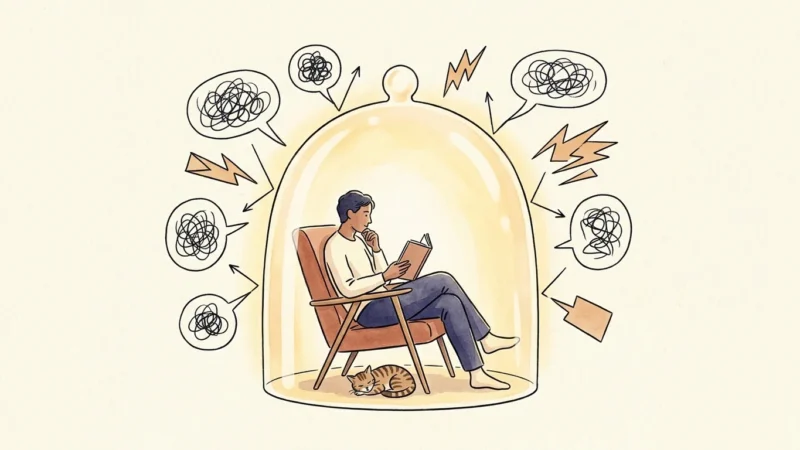
Everyday joy often slips away through quiet routines rather than sudden life crises. You can reclaim your daily peace by learning to identify these subtle behavioral patterns right now.
Many everyday happiness killers operate silently in the background of your weekly schedule. These small habits affecting mood drain your vitality and leave you feeling weary without an obvious cause.
This guide examines eight key mindset habits to avoid as you move through midlife and beyond. You will discover gentle, evidence-based practices that encourage lasting contentment and emotional ease.

Understanding Everyday Happiness Killers
Happiness does not require perpetual euphoria or excitement. True contentment represents a steady sense of inner peace and emotional grounding.
Many adults notice that daily life can slowly lose its sparkle. This change rarely happens because of a single dramatic event.
Instead, small automatic behaviors slowly erode your emotional reserves. We call these recurring routines everyday happiness killers.
These patterns often begin as reasonable responses to stress. You might distract yourself after a long day or avoid difficult conversations to keep the peace.
Over time, these coping strategies become automatic habits. They operate beneath your conscious awareness and sap your vitality.
Modern neuroscience explains how these patterns take root. The brain naturally forms neural pathways based on repeated behaviors and thoughts.
This biological process is called neuroplasticity. Whatever thoughts you repeat frequently become the easiest path for your brain to follow.
If you regularly dwell on worries, your brain strengthens its threat detection circuits. Psychologists refer to this tendency as the negativity bias.
Negativity bias evolved to protect our ancient ancestors from physical dangers. In modern life, however, it often causes chronic worry and emotional exhaustion.
For readers over fifty, major life transitions can make these habits more prominent. Retirement, children leaving home, or changing physical health disrupt familiar daily rhythms.
During major life transitions, your emotional resilience naturally fluctuates. Old habits that steal your happiness can easily fill the empty spaces in your schedule.
Society often encourages people to ignore their inner lives and stay constantly busy. When you slow down, unaddressed feelings of grief or loneliness may surface.
Recognizing these patterns does not mean you have failed. Identifying a habit is the first step toward releasing it with self-compassion.
Ancient spiritual traditions emphasize the power of mindful awareness. By observing your habits without judgment, you create space for positive transformation.
You do not need to change your entire personality to feel better. Gentle, incremental adjustments produce deep, sustainable shifts in your daily well-being.
Self-reflection allows you to reclaim agency over your routine. When you observe your thoughts with gentle curiosity, you open the door to renewal.

8 Habits That Quietly Rob You of Everyday Happiness
The following eight patterns represent the most common traps that undermine personal peace. Learning to spot them in your daily routine restores your personal power.
1. Living in Chronic Mental Distraction
Many people spend their days physically in one place while their minds wander elsewhere. You might prepare breakfast while mentally debating an unresolved issue from last week.
A landmark 2010 Harvard study investigated this common human tendency. Researchers Matthew Killingsworth and Daniel Gilbert tracked thoughts and moods in real time.
Their findings revealed that adults spend 46.9 percent of their waking hours thinking about something other than their current task.
The researchers also discovered that mind-wandering strongly predicts lower mood. Even when thoughts wander to neutral topics, people report feeling less happy than when focused.
When your mind constantly drifts, you miss the quiet beauty of ordinary moments. Presence anchors your nervous system and stops run-away anxious thoughts.
Actionable Practice: Practice the sensory check-in during routine tasks. When washing hands, focus entirely on the warmth of the water and the scent of the soap.
Safety Cue: Notice if your mind wanders toward painful past memories repeatedly. Gently guide your attention back to your immediate surroundings without self-criticism.
2. Neglecting Meaningful Social Connection
Solitude can bring restorative peace, but prolonged isolation quietly drains human spirits. Withdrawing from friends and family often feels like the path of least resistance.
In May 2023, the U.S. Surgeon General issued an advisory on loneliness and isolation. The report revealed that approximately one in two adults experiences loneliness.
The advisory highlighted a startling medical comparison. Chronic social disconnection harms physical health as significantly as smoking up to fifteen cigarettes each day.
The Harvard Study of Adult Development has tracked human lives for over 85 years. Dr. Robert Waldinger found that close relationships are the strongest predictor of lifelong happiness.
Social bonds release neurochemicals that buffer stress and promote emotional safety. Even brief, pleasant interactions with a neighbor or cashier can lift your spirits.
Actionable Practice: Schedule one weekly connection ritual. Call a friend, visit a neighbor, or share tea with someone you care about.
Safety Cue: If social interactions feel draining, start with low-pressure environments. Sitting quietly in a public library or park provides social presence without social demands.
3. Sacrificing Consistent, Restorative Sleep
Staying up late to watch television or browse the internet seems like harmless recreation. However, skimping on restorative rest directly degrades your emotional stability.
The Centers for Disease Control and Prevention recommends seven hours of sleep per night. CDC data shows that roughly one in three adults regularly sleeps less than that amount.
Sleep is not passive downtime for your body. During deep rest, your brain cleanses metabolic waste and processes complex emotional events.
Research from the Sleep Foundation explains how sleep loss amplifies negative feelings and lowers stress tolerance.
Chronic exhaustion also weakens self-control, making you more vulnerable to other unhealthy coping mechanisms. Prioritizing rest forms the foundation of daily happiness.
Actionable Practice: Establish a consistent sleep schedule by going to bed at the same time each night. Keep your bedroom cool, quiet, and dark.
Safety Cue: Consult a doctor if you struggle with chronic insomnia or wake up gasping for air. Sleep apnea and hormonal shifts require medical evaluation.
4. Consuming Digital Media Passively
Endless scrolling through social media feeds and online news offers easy distraction from boredom. Unfortunately, passive browsing quietly breeds dissatisfaction and restlessness.
Global data reports show that average internet users spend over six and a half hours looking at screens daily. Social media alone consumes roughly two and a half hours.
Algorithmic feeds prioritize alarming news and idealized lifestyle images. This constant exposure triggers comparison bias and floods your body with low-grade stress chemicals.
Furthermore, social media showcases idealized snapshots of other people’s lives. Comparing your everyday reality to someone else’s highlight reel naturally fuels feelings of inadequacy.
Reclaiming your time from digital devices creates quiet space for real-world living. Setting clear boundaries restores your attention and protects your mental peace.
Actionable Practice: Create device-free zones in your home, especially around the dining table. Leave your phone in another room during meals.
Safety Cue: Notice your physical posture while holding a screen. If your shoulders feel tense or your breathing feels shallow, put the phone down immediately.
5. Maintaining a Sedentary Routine
Resting on the couch feels soothing after a demanding day, but prolonged physical inactivity dampens your mood. Your physical body and emotional state are deeply interconnected.
The World Health Organization recommends 150 to 300 minutes of moderate aerobic activity weekly. Yet roughly 31 percent of adults globally fail to reach this baseline.
Physical stagnation slows down blood circulation and limits the release of natural mood-boosting endorphins. Movement encourages the growth of new neural connections that enhance emotional resilience.
Research supported by the NIH links regular physical activity to lower rates of anxiety and depression. Movement acts as natural medicine for your mind.
You do not need to participate in grueling workouts to experience these benefits. Gentle, daily physical engagement keeps energy flowing and clears mental fog.
Actionable Practice: Incorporate ten-minute movement breaks into your day. Walk around your garden, stretch your arms, or pace while talking on the phone.
Safety Cue: Check with your physician before beginning any new exercise routine. Honor your physical limitations and choose activities that feel gentle on your joints.
6. Ruminating on Past Regrets and Resentments
Replaying past arguments or wishing you had chosen differently keeps old wounds fresh. Rumination creates a painful loop that prevents you from enjoying the present.
Holding onto anger and bitterness keeps your body in an ongoing state of fight-or-flight. This emotional tension constricts blood vessels and drains your daily stamina.
Forgiveness is a gift you give yourself rather than an endorsement of someone’s bad behavior. Releasing resentment does not require reconciliation with people who harmed you.
Spiritual traditions often emphasize forgiveness as the ultimate path to freedom. The Hawaiian practice of Ho’oponopono uses four phrases: I am sorry, please forgive me, thank you, and I love you.
Silently directing these phrases toward difficult memories eases internal resistance. This practice acknowledges pain while consciously choosing to release the emotional burden.
Actionable Practice: Try a written release exercise. Write down a nagging regret, sit with it for a moment, and then safely shred the paper.
Safety Cue: Distinguish between harmless regret and deep trauma. If painful memories trigger severe panic or flashbacks, work with a trained professional.
7. Measuring Your Worth Through Comparison
Evaluating your life by comparing it to others is a natural human tendency. However, this habit almost always robs you of personal peace and self-worth.
Psychologists note that comparison frequently relies on confirmation bias. You notice what others have achieved while ignoring the silent struggles they endure behind closed doors.
Measuring your worth against external standards blinds you to your unique gifts. It prevents you from appreciating the quiet milestones you have reached in your life.
Contentment flourishes when you define success by your personal values. Living with integrity, kindness, and gratitude matters far more than matching anyone else’s achievements.
Comparison also breeds envy, which creates distance in relationships. Celebrating the joy of others frees your heart from unnecessary bitterness.
Actionable Practice: Keep a personal gratitude journal by your bedside. Write down two things you accomplished or appreciated about yourself each evening.
Safety Cue: Catch yourself whenever you think the words, I should be further along. Replace that critical thought with, I am walking my own path with patience.
8. Suppressing Difficult Emotions and Grief
Many people believe that staying strong means hiding sadness or pretending everything is fine. Unfortunately, suppressing painful feelings only drives them deeper into your body.
Unexpressed emotions do not disappear on their own. They often resurface as unexplained physical fatigue, sudden bursts of anger, or persistent low mood.
The American Psychological Association (APA) highlights that acknowledging feelings is essential for emotional health. Naming your sorrow helps regulate your autonomic nervous system.
Allowing yourself to feel grief or disappointment honors your shared humanity. Welcoming sorrow with gentle curiosity frees up emotional energy for future joy.
Emotional honesty also deepens your relationships with friends and family. Vulnerability invites genuine intimacy and mutual support into your life.
Actionable Practice: Dedicate five minutes to emotional stillness each day. Place your hands over your heart, breathe slowly, and welcome whatever emotion is present.
Safety Cue: Never force yourself to process traumatic emotions alone if you feel overwhelmed. Step back, ground yourself in your physical room, and seek support.
Gentle and Safe Ways to Reclaim Your Peace
Replacing draining routines requires gentle patience rather than rigid discipline. When you treat yourself with compassion, lasting changes feel natural and sustainable.
Begin by noticing your habits without self-condemnation. Awareness alone often loosens the grip of automatic reactions and creates room for conscious choice.
Research from the NCCIH shows that complementary practices like gentle meditation and mindful breathing reduce stress. These simple techniques help steady an overactive nervous system.
To help you establish positive momentum, here is a structured seven-day practice plan. Each day highlights one gentle action you can explore in prose.
Day One: Practice Sensory Grounding. When drinking water or eating a meal, focus entirely on the physical sensations.
Notice the temperature, texture, and taste without reading or watching television. This simple pause trains your mind to inhabit the present moment.
Day Two: Nurture a Friendship. Reach out to one person who brings warmth into your life.
Send a quick message or make a brief phone call to check in. Small connection points break feelings of isolation and lift your daily spirit.
Day Three: Protect Your Sleep. Turn off bright overhead lights and screens forty-five minutes before bed.
Sip herbal tea or listen to quiet music to prepare for rest. Consistent evening calm signals physical safety to your brain.
Day Four: Take a Digital Pause. Spend an afternoon hour without looking at your smartphone or computer.
Step outside and observe the trees, birds, and passing clouds. Allowing your eyes to rest on natural scenery refreshes cognitive energy.
Day Five: Move Your Body Mindfully. Take a gentle fifteen-minute walk down your street.
Focus on the rhythmic movement of your legs and the feeling of the breeze. Gentle walking promotes clarity and relieves physical stiffness.
Day Six: Practice Emotional Release. Spend ten minutes writing down any lingering worries in a journal.
Close the notebook and remind yourself that you are safe in this moment. Putting thoughts on paper keeps them from circling endlessly in your head.
Day Seven: Review with Kindness. Reflect on the past week and acknowledge any moments of calm you experienced.
Celebrate your willingness to care for your emotional well-being. Practicing self-appreciation reinforces the positive habits you are building.
Repeat this weekly cycle whenever your routines feel scattered. Small, repeated acts of self-care produce powerful, long-term changes in daily happiness.

Emotional Safety, Grief, and Professional Boundaries
Personal wellbeing practices should always feel safe, respectful, and grounded. It is important to know the boundaries between personal habits and medical needs.
Grief is a natural human response to loss, not a disorder or bad habit. If you are mourning a spouse, parent, or companion, give yourself permission to grieve.
Do not allow anyone to tell you that positive thinking will erase grief. Healing takes time, and sorrow must be felt before it can soften.
Be mindful of commercial wellness programs or self-styled gurus making extravagant claims. True emotional balance does not require expensive workshops or secret spiritual formulas.
Watch out for red flags in spiritual or coaching circles. Avoid any practitioner who guarantees rapid cures, pressures you to cut ties with family, or demands large upfront fees.
Never stop taking prescribed psychiatric medications or avoid necessary medical treatments. Lifestyle habits serve as supportive complements to medical care, not replacements.
If you experience persistent despair, emptiness, or severe anxiety, reach out to a professional. A compassionate therapist or family doctor can offer personalized guidance.
Many people find it difficult to start a conversation about their mental health. Here is a sample script you can use with your doctor or counselor.
Sample Script for Seeking Help: I have felt persistently drained and down over recent weeks. I want to discuss whether medical support or therapy could help me regain balance.
Practicing this script helps you ask for assistance clearly and without shame. Seeking help is a profound act of courage and self-respect.
You do not have to navigate difficult emotional terrain alone. Professional support provides clear diagnostic tools and evidence-based relief.
You can find credible mental health resources through the SAMHSA helpline. You may also locate licensed therapists through the American Psychological Association (APA).
Frequently Asked Questions About Daily Happiness
As you work toward improving daily happiness, questions naturally arise. Here are direct, compassionate answers to frequent questions about breaking negative routines.
Can small habit changes really help if I am grieving?
Small habits cannot remove grief, but they provide essential physical support during bereavement. Gentle routines like adequate sleep and brief outdoor walks preserve physical strength while your heart heals.
Think of healthy habits as a warm blanket that shelters you during a difficult season. They do not eliminate sorrow, but they prevent physical exhaustion from worsening your pain.
How long does it take to unlearn habits that steal your happiness?
Research shows that replacing an established behavioral pattern typically takes several months. Be patient with your progress and expect occasional setbacks along the way.
Setbacks do not mean you have failed. Each time you notice an old habit returning, you have another opportunity to practice self-compassion.
Is it selfish to prioritize my own happiness in later life?
Prioritizing your emotional health is never selfish. When you nurture your inner calm, you become more present, patient, and loving toward everyone in your life.
Your emotional well-being radiates outward to your family, friends, and community. Caring for your spirit allows you to offer genuine warmth to others.
What should I do if my spouse or friend holds negative habits?
You cannot change another adult’s thoughts or behaviors. Focus on embodying calm and healthy choices within your own daily life.
Set gentle boundaries if their complaints become overwhelming. Invite them into positive activities like walks or meals without demanding that they change their attitude.
How can I tell the difference between fatigue and clinical depression?
Normal fatigue usually lifts after a few nights of good sleep and relaxing activities. Clinical depression persists for weeks and robs you of interest in things you once loved.
Depression often brings feelings of worthlessness, hopelessness, or physical heaviness. If you suspect depression, schedule an appointment with a doctor for an evaluation.
Are paid mindfulness apps or classes necessary to build happiness?
Paid tools are completely optional. The most effective practices, such as deep breathing, quiet walks, and gratitude journaling, are entirely free of cost.
If you decide to purchase a book or app, look for affordable options with clear credentials. Genuine peace does not require expensive subscriptions.
Moving Forward with Gentle Intention
Creating a peaceful life is a gradual journey made of small, daily choices. You do not need to eliminate every negative habit at once.
Focus on gentle consistency rather than rigid perfection. Each mindful decision helps quiet the everyday happiness killers that once drained your energy.
Here are concrete next steps you can take this week to begin.
What to Try: Select one habit from this guide and practice its actionable tip for three consecutive days.
What to Track: Note your morning and evening mood in a journal using a simple scale from one to five.
What to Verify: Check in with yourself after seven days to see which practice brought you the greatest sense of calm.
Remember that you deserve peace, dignity, and contentment in every season of life. Take each step gently, knowing that small shifts create lasting transformation.
Disclaimer: This article is published for informational and educational purposes only. It does not provide medical, psychological, legal, or financial advice.
If you are experiencing severe depression, persistent anxiety, or complicated grief, please consult a qualified healthcare professional. Seek immediate medical attention if you feel in crisis.