
Recognizing shifts in your family relationships brings immediate clarity to your daily personal life. You can pinpoint emotional distance early to protect your inner peace and make deliberate, healthy choices.
Many adults over fifty notice quiet changes in how they connect with relatives. A growing desire for solitude often signals an underlying shift in personal boundaries and deeper emotional needs.
This practical guide outlines nine clear signs you are pulling away from family. You will discover grounded ways to understand your feelings, navigate emotional space, and restore personal balance.

Understanding Emotional Distance in Family Life
Family bonds evolve over decades of shared history. As your life experiences accumulate, your personal priorities and values naturally shift.
Pulling away from family does not always mean you desire a total cutoff. More often, it represents a healthy need for emotional safety and quiet recovery.
Emotional distance describes the space created when people share less vulnerability. You can love your relatives deeply while still feeling detached from them.
Research suggests that taking intentional space helps people process complex life transitions. Stepping back allows you to evaluate your connections with objective clarity.
True family estrangement involves an intentional, long-term breakdown in contact. Emotional distance, however, is often fluid and temporary.

The Psychology Behind Withdrawing From Loved Ones
Psychologists note that withdrawing from family often serves as a protective reflex. When family interactions bring chronic criticism or unresolved tension, your nervous system seeks relief.
Your mind relies on predictable cognitive patterns to evaluate these tense situations. One common pattern is confirmation bias, where you focus only on details that confirm your existing worries.
Another pattern is memory salience. This means past painful memories stand out far more vividly than calm, everyday moments.
When you feel uneasy, you naturally recall previous arguments first. Recognizing these mental habits helps you separate temporary frustration from lasting relationship damage.
Gentle self-reflection gives you space to evaluate your real needs. You can choose calm responses rather than repeating old family patterns.

9 Signs You’re Pulling Away From Family
1. Delaying Responses to Messages
You notice a text or voicemail from a relative and feel an urge to pause. Instead of replying right away, you wait hours or even days.
This delay is rarely about a busy calendar. It usually reflects an unconscious need to prepare yourself emotionally before engaging.
Mindful Practice: Take three deep breaths before opening any family message. Ask yourself what kind of emotional boundary you need before responding.
2. Keeping Conversations on the Surface
You speak only about the weather, gardening, or local news. You no longer share your genuine worries, achievements, or personal health updates.
Surface conversation functions as an invisible shield. It lets you maintain basic contact without exposing your private life to unwanted criticism.
Journal Prompt: Write down one truth you withheld from a relative this week. Reflect on why keeping that detail private felt safer.
3. Feeling Drained After Brief Interactions
A twenty-minute phone call leaves you feeling completely drained. You need quiet hours just to recover your energy and focus.
Fatigue happens when you spend entire conversations filtering your words and managing tension. Your body reacts to chronic social strain just like physical exertion.
Safety Cue: Schedule a quiet walk or warm cup of tea immediately after speaking with taxing relatives. Protect that transition window without guilt.
4. Declining Family Gatherings More Often
Holiday invitations and family celebrations start to bring dread rather than joy. You find yourself creating polite excuses to stay home.
Skipping family events is a classic sign of emotional distance. It reveals that the group dynamic no longer feels comforting or safe to you.
Mindful Practice: Decide your attendance limits in advance. If you choose to attend an event, give yourself permission to leave after one hour.
5. Sharing Important News With Others First
When major life news occurs, you reach out to friends before telling family. You realize your relatives are no longer your primary emotional circle.
Choosing outside confidants indicates an important shift in trust. You naturally seek out people who offer validation without judgment or unsolicited advice.
Journal Prompt: Name three people you trust most with good news. Reflect on what qualities make them feel emotionally safe.
6. Bracing for Criticism Before Every Call
Your shoulders tense and your stomach tightens before dialing a family member. You mentally rehearse your answers to avoid criticism or unsolicited opinions.
This physical bracing suggests that past conversations created defensive reflexes. You expect conflict, so your body prepares for a fight or flight response.
Mindful Practice: Place a hand over your heart before answering a call. Remind yourself that you are an independent adult who can end the call anytime.
7. Choosing Digital Text Over Phone Calls
You stop answering phone calls and rely entirely on brief text messages. Written notes feel far safer than hearing a family member’s voice.
Texting allows you to control the timing and emotional tone of your exchanges. It eliminates sudden arguments and gives you time to compose thoughtful replies.
Safety Cue: Use neutral, polite phrasing in text messages. Clear statements preserve your personal space while preventing unnecessary family drama.
8. Feeling Detached During Shared Moments
You sit in the same room with family members but feel entirely detached. You observe conversations like an outsider rather than an active participant.
Mental detachment often protects you from painful dynamics. When active engagement feels risky, your mind disconnects to preserve your emotional equilibrium.
Mindful Practice: Notice the physical sensation of your feet resting on the floor. Grounding yourself in the present moment reduces feeling numb.
9. Daydreaming About Relocating or Disappearing
You catch yourself daydreaming about moving to a quiet coastal town or rural cabin. You imagine a life where no relatives question your decisions.
Fantasies of moving away often reflect an urge to escape chronic family obligations. Your spirit seeks a clean slate free from inherited expectations.
Journal Prompt: Describe what a truly peaceful weekend looks like for you. Identify one small piece of that vision you can create at home today.

Exploring Your Feelings Safely
Pulling away from family can stir up complex feelings of guilt and sadness. You can explore these emotions gently without making sudden or permanent choices.
Start by observing your thoughts without harsh self-criticism. Notice when you feel relaxed and when you feel defensive during daily interactions.
Spend quiet time outdoors or take mindful walks through your neighborhood. Gentle physical movement helps release tension held in your muscles from relational stress.
Many people find comfort in simple contemplative practices like the traditional Ho’oponopono phrases. Whispering words of peace, love, and release can soften internal resentment.
You do not need expensive retreats or high-priced life coaches to find clarity. True healing begins with quiet self-honesty and steady personal reflection.
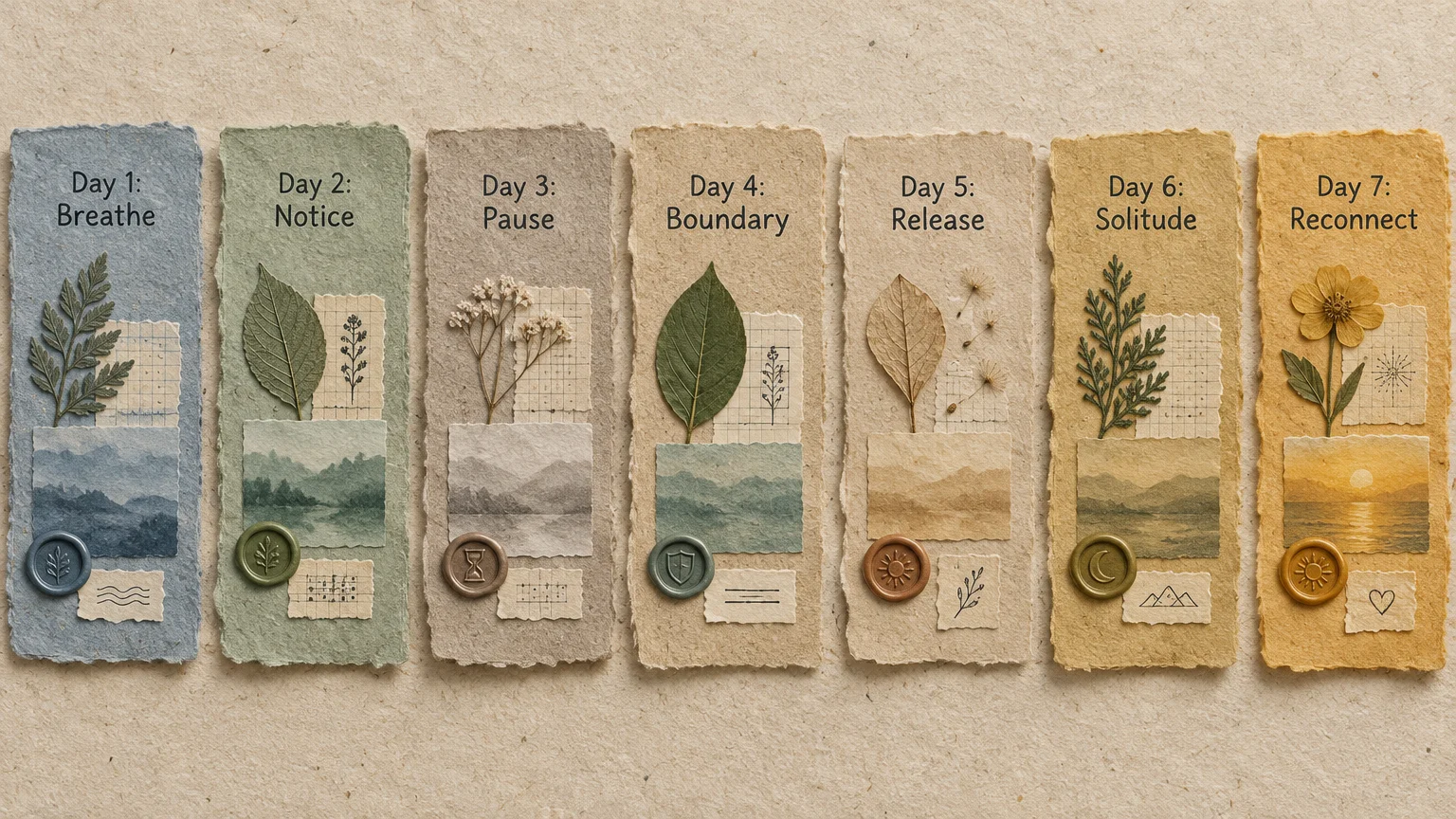
A Gentle Seven-Day Reflection Plan
Taking dedicated time to reflect can clarify your genuine relational desires. This simple seven-day plan helps you explore your boundaries in prose.
On Day 1, observe your physical reactions to family interactions. Write down in a private notebook whether your body feels open or tight.
On Day 2, identify your primary emotional triggers. Record specific conversation topics that make you want to withdraw from family conversations.
On Day 3, practice silent gratitude for your private sanctuary. Spend thirty minutes enjoying an uplifting hobby entirely by yourself without guilt.
On Day 4, examine your personal values. List three core beliefs that matter most to you during this current stage of life.
On Day 5, evaluate which family dynamics honor those values. Notice where your boundaries align with relatives and where they actively clash.
On Day 6, draft a gentle boundary script. Write a calm sentence you can speak aloud when you need to decline an invitation.
On Day 7, review your reflections with patience and self-compassion. Decide what level of family contact feels sustainable and authentic for your future.

Healthy Boundaries Versus Harmful Isolation
Taking space to heal differs completely from isolating yourself out of despair. Boundaries protect your inner peace, while harmful isolation cuts you off from community.
Healthy space gives you room to recharge so you can show up with kindness. It creates emotional breathing room for both you and your loved ones.
If you notice complete withdrawal from friends, creative hobbies, and daily routines, take note. Prolonged withdrawal can be a warning sign of clinical depression.
Grief and coping resources at the American Psychological Association (APA) and NIH.
Seek professional guidance if emotional heaviness persists for several weeks. A qualified therapist can help you navigate complicated family relationships safely.

How to Talk to a Counselor or Family Member
Discussing family distance can feel intimidating at first. Using a simple conversation opener makes the process far more manageable.
When speaking with a licensed therapist, be direct about your goals. Tell them you want to establish healthy family boundaries while protecting your mental health.
When speaking with a relative, keep your statements focused on yourself. Emphasize your personal need for rest rather than listing their past mistakes.
You might say that you care about them but need quiet time this month to recharge your energy.
Mental health support and resources at SAMHSA.
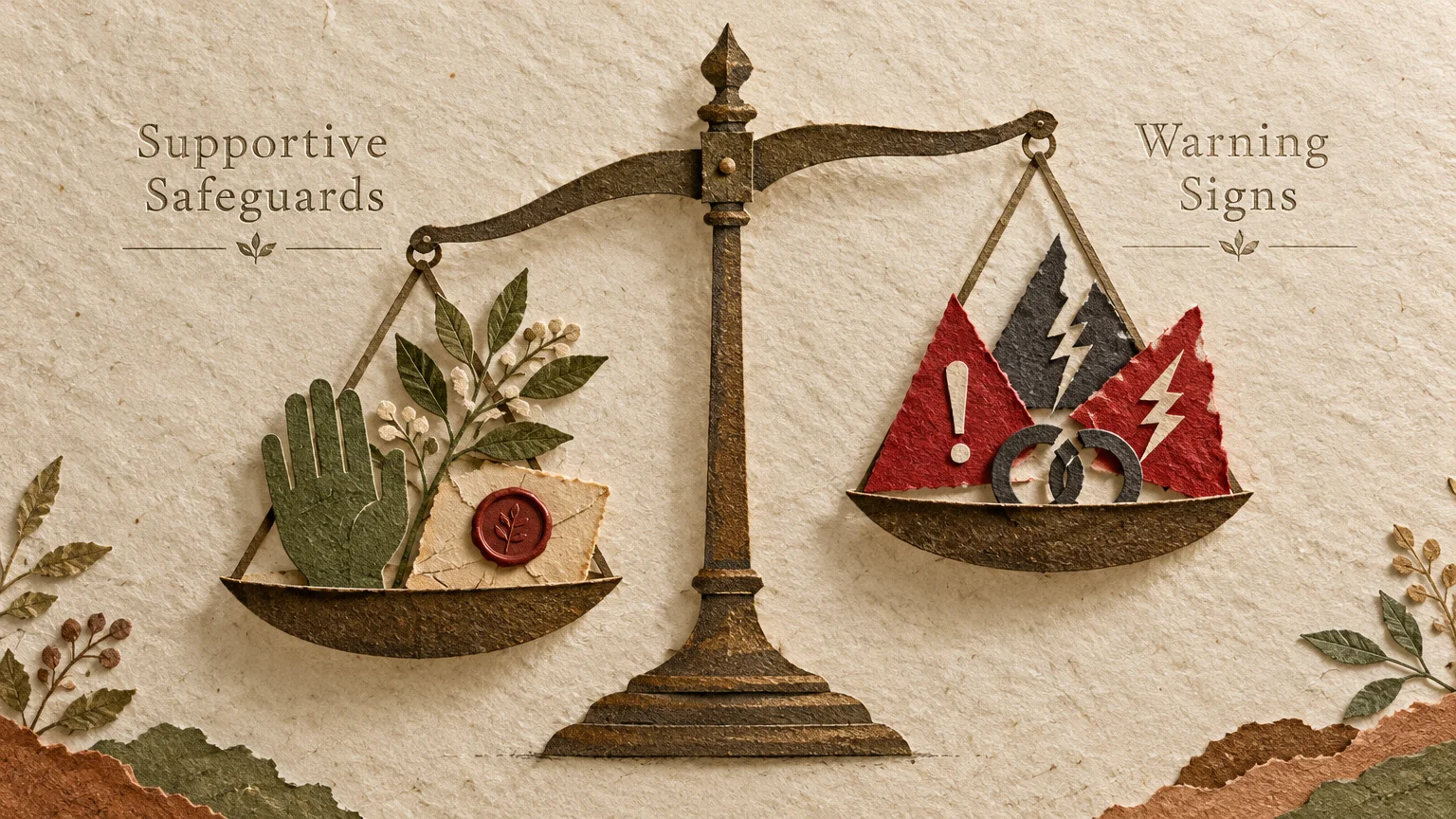
Safeguards and Red Flags in Emotional Support
When feeling estranged from relatives, people often seek support outside the family. Be mindful when exploring commercial relationship programs or online spiritual groups.
Watch out for any coach who makes absolute guarantees about reconciling family estrangement. Ethical professionals never promise easy solutions for delicate family relationships.
Avoid practitioners who demand high upfront fees or urge you to keep secrets from loved ones. Legitimate advisors encourage transparency, emotional independence, and sound medical care.
Never replace necessary healthcare or therapy with informal advice. Grounded personal growth balances spiritual reflection with reliable clinical support.
Frequently Asked Questions
Is pulling away from family normal as you get older?
Yes, many adults reassess their relationships after significant life changes. As children grow up and careers conclude, your emotional needs naturally shift.
Creating intentional distance allows you to invest your energy into relationships that offer mutual care and emotional balance.
What is the difference between boundaries and estrangement?
Boundaries define healthy rules of engagement to protect your wellbeing. Family estrangement involves stopping communication entirely for an extended period.
You can maintain healthy boundaries regarding visit lengths without choosing full estrangement.
How do I tell natural fatigue from chronic depression?
Healthy fatigue usually improves after a restful weekend and quiet personal time. Depression often brings ongoing sadness, deep numbness, and a loss of joy in favorite activities.
If quiet rest does not improve your mood, reach out to a healthcare professional for guidance.
Can strained family relationships heal after time apart?
Many families discover that taking temporary space de-escalates old conflicts. Time apart gives both sides an opportunity to reflect and mature.
Rebuilding connection succeeds best when relatives honor healthy boundaries and respect personal independence.
Moving Forward With Clarity
Recognizing the signs of emotional distance requires genuine honesty and courage. You do not need to resolve every family issue today.
Start by observing your reactions during conversations this week without judgment. Notice which interactions lift your spirit and which leave you exhausted.
Practice pausing for three steady breaths before answering family calls. Give yourself permission to enjoy quiet evenings whenever you need restorative rest.
Treat your emotional journey with steady patience and deep compassion. Protecting your peace of mind will guide your next steps with wisdom.
This article provides educational information only. It does not offer medical, psychological, financial, or legal advice.
If you struggle with severe grief or emotional distress, consult a licensed professional or trusted community leader.