
Learning how to accept compliments can restore your inner peace and strengthen your relationships. When you receive kind words with ease, you honor both yourself and the speaker.
Many adults brush off praise as polite noise or unearned attention. Over time, deflecting compliments drains your emotional energy and masks deeper questions about self worth.
Recognizing the subtle ways you reject warmth helps you build quiet confidence. This guide reveals seven common signs of this struggle alongside gentle practices to welcome praise with an open heart.
Understanding the Habit of Deflecting Praise
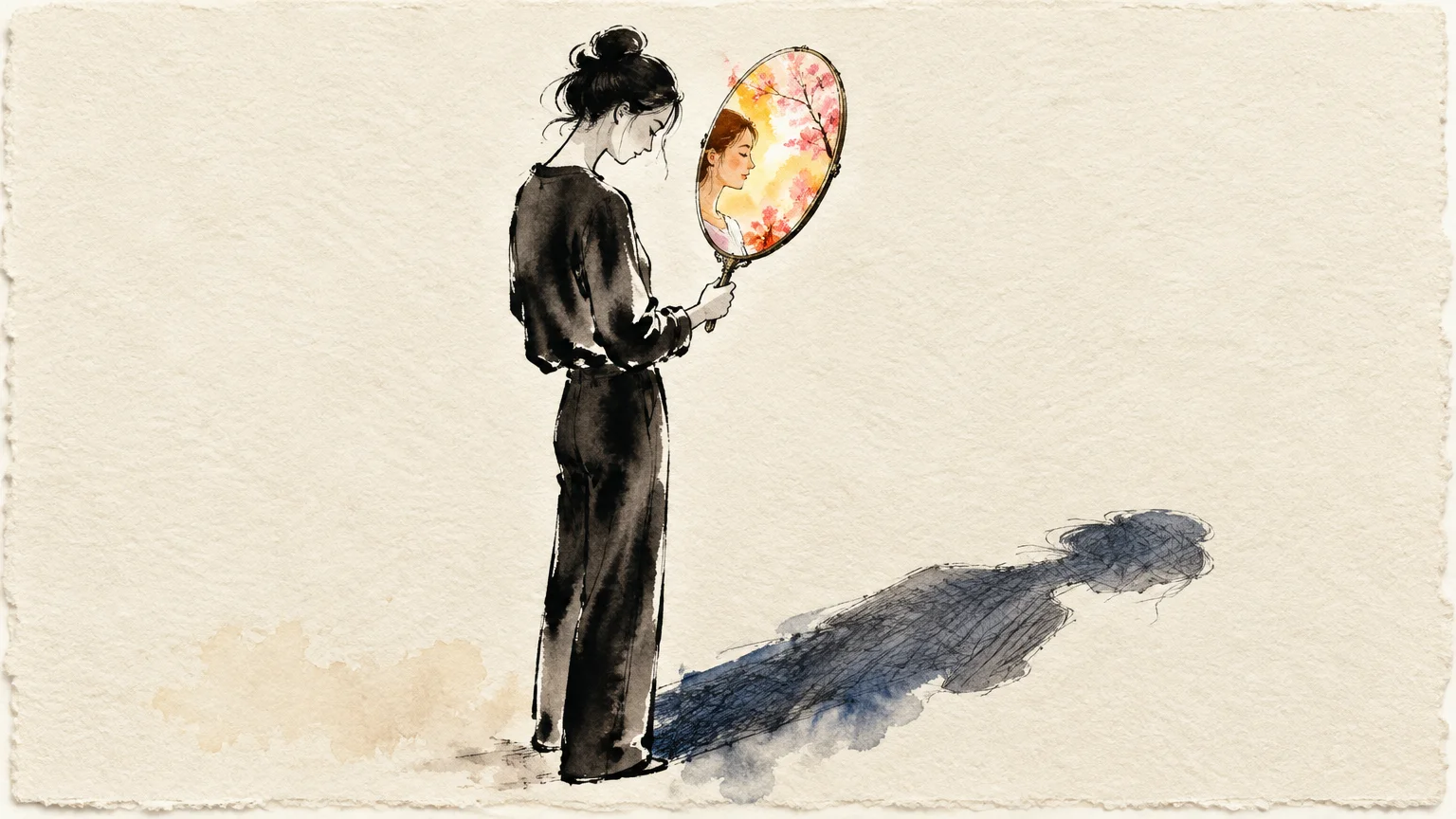
A sincere compliment acts as an emotional mirror. When someone admires your character or work, they reflect positive value back to you.
Trouble accepting compliments often starts when outside praise clashes with your private self-image. Psychologists refer to this uncomfortable mental clash as cognitive dissonance.
When someone offers praise that contradicts your inner beliefs, your mind rushes to reject it. Dismissing the words restores your familiar internal balance, even if that balance feels painful.
Generational training plays a significant role as well. Many adults over 50 learned early that self-praise is improper and humility demands silence.
You may worry that accepting approval makes you look boastful or conceited. Over time, this reflex creates habitual modesty that keeps you isolated.
Repeatedly brushing off kind remarks can reveal subtle low self esteem signs. When you reject praise, you starve yourself of emotional connection.
Acknowledging this pattern is the first step toward building genuine self worth. You can learn to receive warmth without losing your humility.

7 Signs You Have Trouble Accepting Compliments
1. You Immediately Deflect or Return the Praise
You treat kind words like a hot potato that you must throw back immediately. When someone compliments your garden, you tell them their yard looks far better.
This rapid turnaround prevents you from sitting with the appreciation. It also shifts attention away before you can absorb the feeling.
While returning kindness seems polite, immediate deflection dismisses the speaker’s intent. It denies them the simple joy of giving you a compliment.
Actionable Practice: Practice the three-second pause. When someone compliments you, breathe deeply, wait three seconds, and say a simple thank you.
2. You Attribute Every Success to Sheer Luck
When friends celebrate your accomplishments, you credit random chance or favorable timing. You insist that anyone in your position would have achieved the same result.
Attributing your outcomes entirely to luck discounts your hard-won talent and effort. It acts as an emotional defense against feeling proud.
Downplaying your skill keeps expectations low, but it weakens faith in your capabilities. You begin to view your real victories as accidents.
Actionable Practice: Write down one task you completed this week. Name two specific decisions you made that helped that task succeed.
3. You Counter Kind Words with Flaws and Mistakes
You answer approval by pointing out hidden defects that no one else noticed. If someone loves your handmade quilt, you immediately show them a crooked stitch.
This reaction attempts to correct what you view as an inaccurate assessment. You believe you are being honest, but you are highlighting insecurity.
Focusing on flaws teaches other people to look for errors in your work. It pulls attention away from your genuine craftsmanship.
Actionable Practice: Notice your urge to mention an error. Hold your tongue, smile warmly, and let the other person enjoy their admiration.
4. You Question the Speaker’s Hidden Motives
You hear praise and immediately wonder what the speaker wants from you. You scan their words for manipulation or hidden agendas.
Past relational hurts and broken trust often cause this guarded stance. If people in your past used compliments as leverage, suspicion feels protective.
However, assuming deceit blocks sincere connection with people who love you. It prevents you from experiencing genuine emotional warmth.
Safety Cue: Review your history with the speaker before judging their words. If they show consistent kindness, trust their positive words at face value.
5. You Experience Physical Tension and Guilt
Compliments trigger physical discomfort like a tight throat or a racing heartbeat. You might feel guilty, as if receiving praise harms someone else.
Your nervous system reads social visibility as an emotional danger. The body mobilizes for defense because feeling valued feels foreign.
Recognizing these sensations allows you to comfort your body instead of fleeing. You can train yourself to associate praise with safety.
Actionable Practice: Place a hand over your heart when you feel praise. Breathe slowly for five seconds to signal safety to your body.
6. You Compare Yourself to Someone Else
You measure every compliment against peers whom you consider more gifted. Instead of accepting praise, you explain that your neighbor does much better.
Comparison turns an offering of love into an imaginary contest. It assumes there is a limited supply of worth in the world.
Redirecting admiration to others robs you of your unique gifts. Your light does not depend on anyone else’s shine.
Actionable Practice: Repeat this quiet phrase during social gatherings: There is room for all of us to shine.
7. You Dismiss Your Effort as Unimportant
You brush off admiration by saying an achievement was nothing special. You claim that you threw something together without thinking.
Saying your work was nothing trivializes your preparation, time, and focus. It suggests that your personal investments have little value.
Over time, minimizing effort convinces you that your presence requires no recognition. This habit slowly erodes your everyday self worth.
Actionable Practice: Replace the phrase it was nothing with I enjoyed putting time into this.
A 7-Day Practice Plan to Welcome Praise
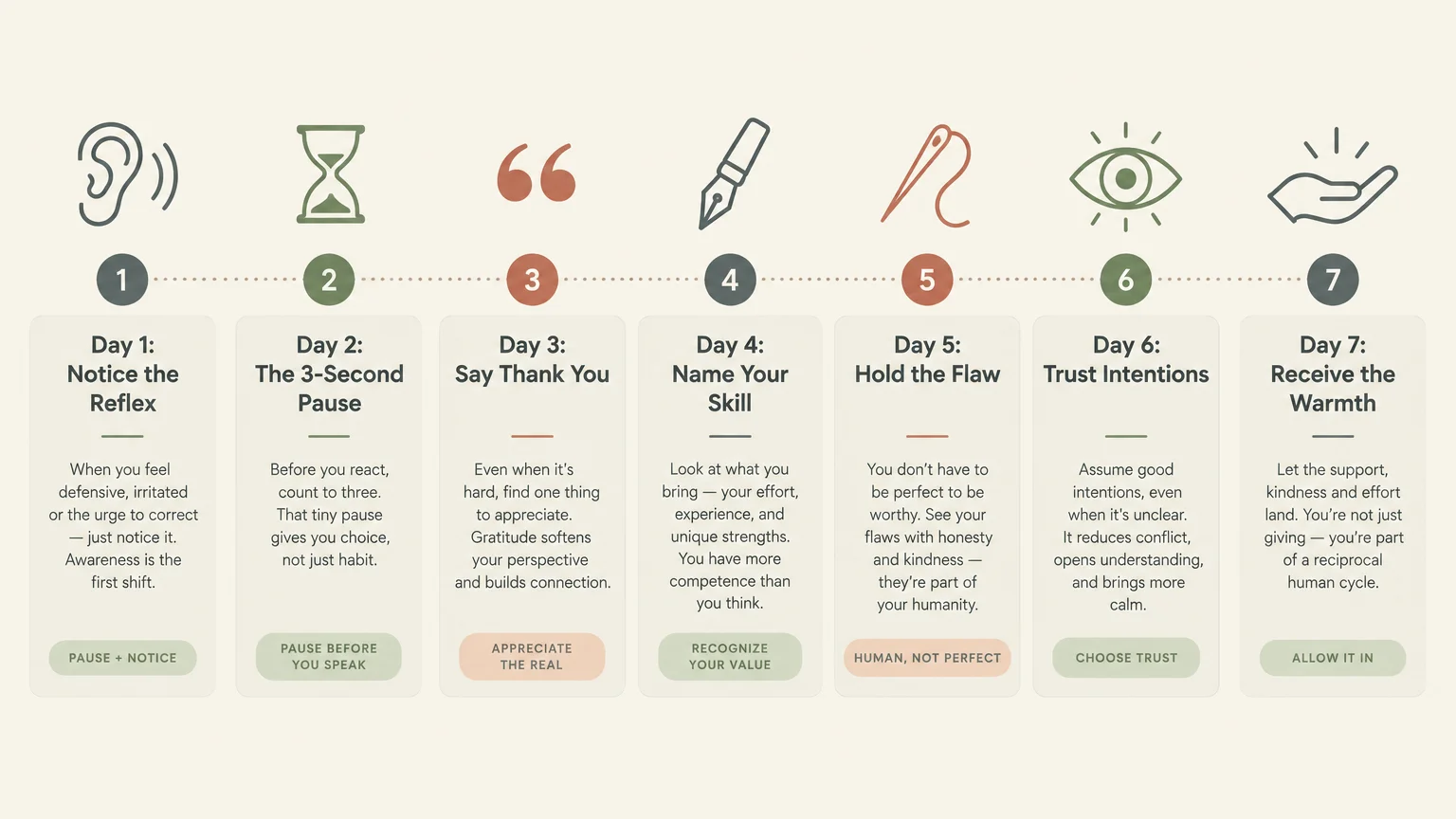
Unlearning a lifelong habit requires small, manageable steps. This gentle seven-day plan helps you build emotional comfort with everyday praise.
On days one and two, practice mindful observation without altering your spoken words. Simply notice the exact moments you deflect compliments during daily chats.
Write these instances down in an evening journal. Note the physical sensations that arose in your chest or stomach during each exchange.
On days three and four, shorten your verbal reply. When someone offers praise, look them in the eye and say, “Thank you, that means a lot.”
Do not apologize, explain, or rush to return the compliment. Allow the words to linger for a moment between you.
On days five and six, practice internal validation. Write down one compliment you received and identify why the speaker might be correct.
On day seven, celebrate your emotional progress. Review your journal entries and notice how your comfort with kindness has improved.

Healthy Boundaries and Emotional Well-Being
Learning how to accept compliments is an essential part of healthy personal boundaries. Receiving praise does not mean you have an inflated ego.
Instead, accepting approval shows that you value honest communication. You allow other people to experience the joy of blessing you with their words.
Life transitions and grief can complicate your relationship with praise. If you are mourning a loss, compliments may stir sudden sadness.
Be gentle with your heart during times of transition. You can thank a friend for kindness while giving yourself space to feel sorrow.
If deep feelings of unworthiness persist, working with a licensed counselor can bring relief. Professional guidance helps you release outdated childhood scripts about personal value.
You can begin a session with this simple opener: “I struggle to accept positive feedback, and I want to explore why.”
Find evidence-based grief and mental health resources at the American Psychological Association (APA) and the NIH.
Access free, confidential emotional support through SAMHSA.
Learn more about grounding mindfulness practices through the NCCIH.
Restorative sleep supports your emotional balance. Review healthy sleep guidance at the Sleep Foundation.

Avoiding Unsafe Support and Questionable Guarantees
As you seek personal growth, guard yourself against exploitative services. Avoid coaches or intuitive readers who promise instant self-worth cures for high upfront fees.
True healing never requires secrecy, high debt, or blind obedience. Legitimate practitioners encourage your independence and respect your personal pace.
Accessible tools like journaling, nature walks, and honest talks with friends cost nothing. These grounded practices yield lasting results without financial risk.
Frequently Asked Questions
Why do I feel so uncomfortable when someone praises me?
Praise often contradicts your private self-doubts. When incoming compliments clash with internal beliefs, your mind experiences cognitive dissonance and urges you to deflect.
Childhood lessons about modesty can also make recognition feel like forbidden pride.
Is deflecting compliments always a sign of low self esteem?
Not necessarily. Some deflection comes from cultural etiquette or simple habit.
However, if praise regularly triggers guilt, shame, or anxiety, it often reflects deeper low self esteem signs.
What is the most polite way to accept a compliment?
A warm smile and a brief “Thank you, that is very kind of you” works best. You do not need to explain your actions or return the praise.
Keeping your words simple honors the giver without putting pressure on yourself.
How can I accept compliments without seeming conceited?
True conceit involves boasting and looking down on others. Accepting a compliment with a polite thank you merely acknowledges someone else’s generosity.
Receiving appreciation with grace is an expression of quiet humility, not arrogance.
Can practicing how to accept compliments improve my relationships?
Yes. When you accept praise, you validate the observer’s viewpoint and strengthen mutual trust.
Allowing others to appreciate you fosters deeper intimacy in friendships and family bonds.
Moving Forward with Confidence
Learning how to accept compliments takes patience, compassion, and daily awareness. Each time you receive kind words without flinching, you strengthen your inner foundation.
This week, commit to three clear next steps. First, track every instance where you feel the impulse to minimize praise.
Second, practice using a direct two-word response: “Thank you.”
Third, verify your progress by noting any reduction in physical tension. With practice, you will discover that you deserve the kindness directed your way.
Disclaimer: This article is for informational purposes only. It does not provide medical, psychological, financial, or legal advice. If you struggle with severe anxiety or prolonged grief, consult a licensed healthcare professional.