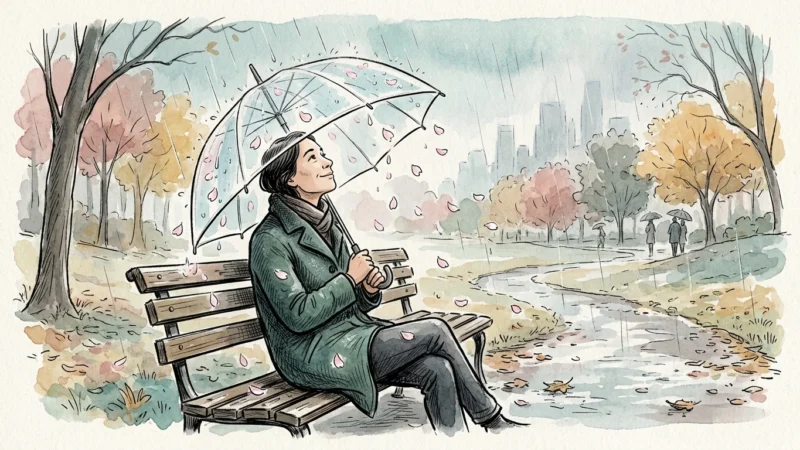
Emotional intelligence helps you navigate major life changes with calm clarity and steady self-respect. Recognizing your personal strengths brings genuine peace to your relationships and eases daily stress.
As you move through different seasons of life, your emotional needs naturally evolve. You may seek deeper personal connections, quiet reflection, and healthy spaces where your voice feels valued.
Exploring common high EQ habits shows you where you already hold profound wisdom. It also provides practical tools to support your emotional healing, personal growth, and daily peace.
Understanding Emotional Intelligence in Daily Life
Psychologists John Mayer and Peter Salovey first defined emotional intelligence in 1990. Author Daniel Goleman later popularized the concept across the globe.
Emotional intelligence describes the ability to recognize, understand, and manage emotions. It includes your own feelings as well as the feelings of other people.
Many spiritual traditions refer to this awareness as heart wisdom or discernment. Modern psychology views it as a measurable set of learnable skills.
Scientists separate emotional intelligence from general cognitive intelligence. Your IQ remains fairly stable over time, but your EQ can grow throughout your entire life.
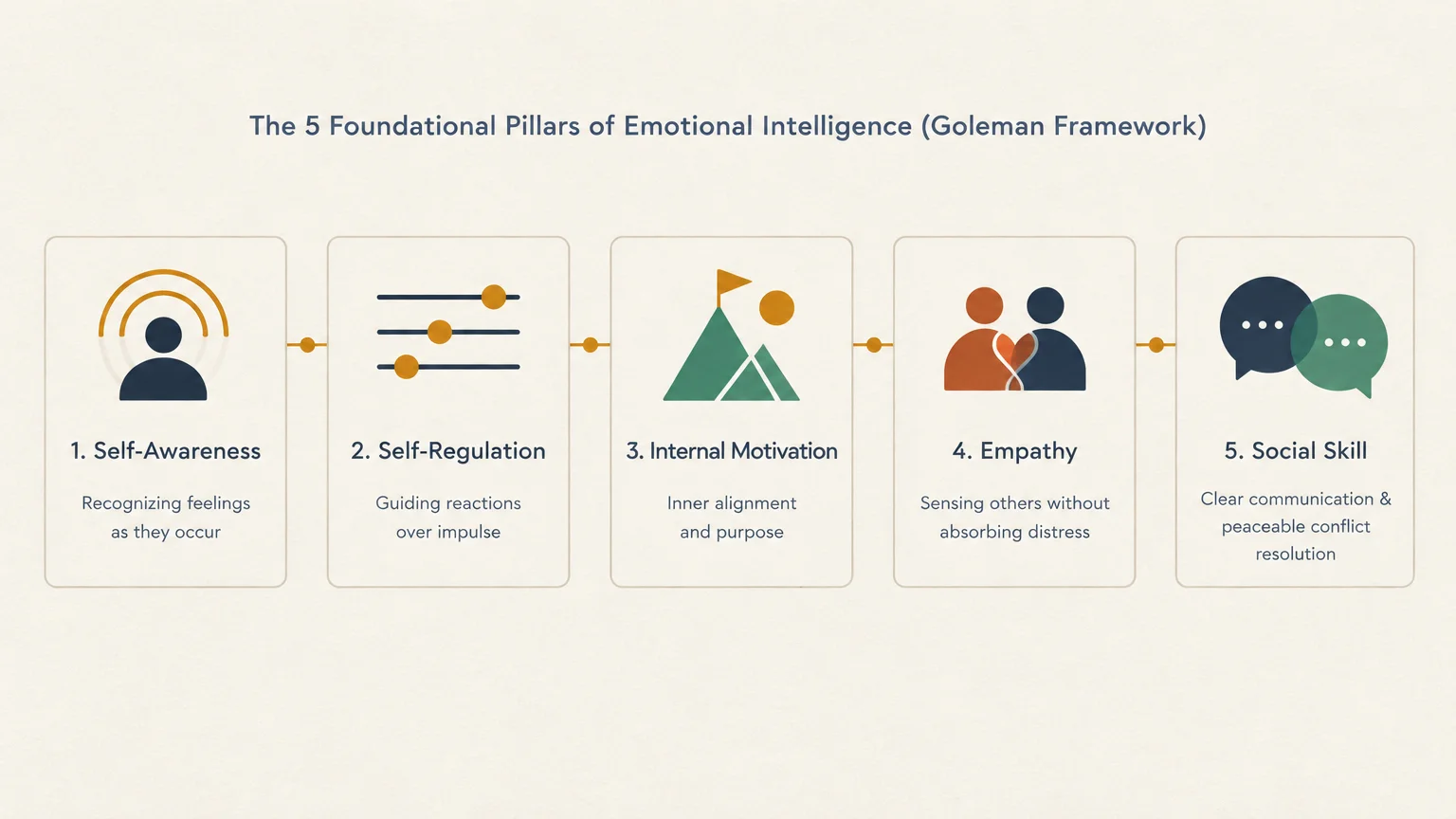
Daniel Goleman organized emotional intelligence into five foundational areas. These pillars include self-awareness, self-regulation, internal motivation, empathy, and social skill.
Self-awareness allows you to recognize your feelings as they happen. Self-regulation helps you guide your reactions rather than acting on sudden impulses.
Empathy enables you to sense the emotions of others without absorbing their distress. Social skills help you communicate clearly and resolve conflicts peacefully.
Emotionally intelligent people do not suppress their difficult feelings. Instead, they learn to observe their internal reactions without feeling overwhelmed.
This balanced awareness helps you make thoughtful choices during challenging moments. You respond to difficulties with intention rather than reacting out of habit.
Developing these skills brings emotional safety to your everyday life. You feel more grounded within yourself and more connected to those around you.

How Life Experience Shapes Your Inner Awareness
Research shows that emotional regulation often improves as you grow older. Psychologists call this positive shift socioemotional selectivity theory.
Over the decades, you learn which battles truly matter. You naturally prioritize meaningful bonds, peace of mind, and authentic interactions over unnecessary drama.
Long life experience helps you understand that intense emotions are temporary. You have weathered past hardships and survived difficult seasons before.
At the same time, life brings profound losses and major transitions. You may navigate retirement, physical health shifts, or the passing of loved ones.
These experiences deepen your empathy for others who are suffering. You recognize that everyone carries unseen burdens and tender vulnerabilities.
Our brains naturally use pattern-seeking to make sense of emotional pain. This mental habit helps us find meaning, though it can sometimes increase worry.
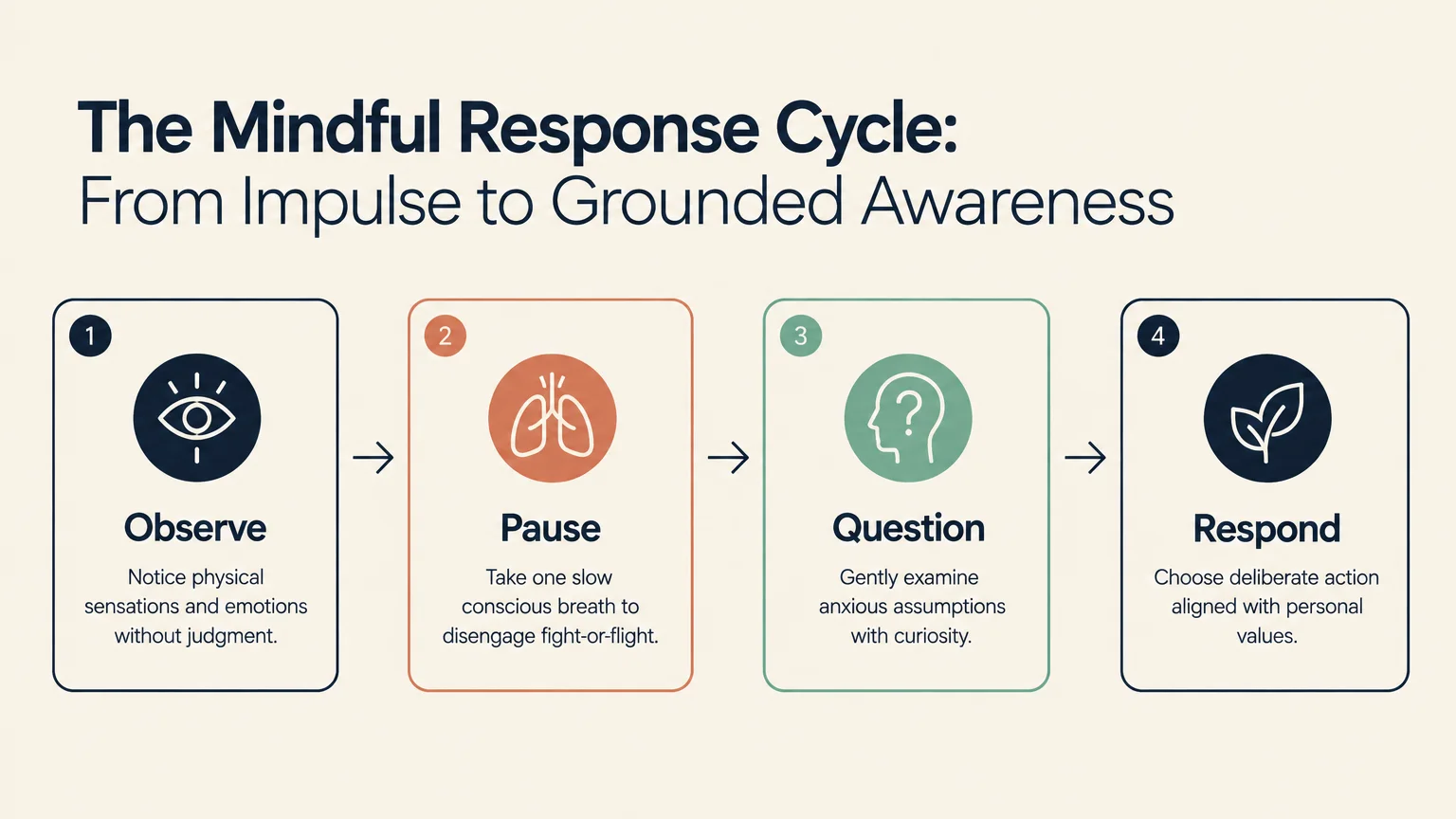
Mature self-awareness teaches you to observe your thoughts without believing every fear. You learn to question anxious assumptions with gentle curiosity.
Learning the key signs of emotional intelligence keeps your awareness grounded. You can honor your intuition while remaining anchored in present-moment reality.

12 Behaviors Common in Emotionally Intelligent People
These twelve core traits reflect both scientific research and mature self-awareness. Notice which habits you already practice and which ones you might gently cultivate.
1. Pausing Before Reacting
Emotionally intelligent people rarely jump into defensive arguments. When a tense situation arises, they take a brief step back before choosing their words.
This small pause creates vital space between an emotional stimulus and your response. In that brief interval, you regain access to your clearest thinking.
Without a pause, unconscious survival instincts can lead to regrettable words. Taking a breath allows your logical brain to guide your speech.
Try the three-breath pause whenever you feel sudden irritation. Inhale deeply through your nose, exhale slowly, and let your shoulders drop before you speak.
2. Naming Complex Emotions with Precision
Many individuals default to broad emotional labels like feeling bad or stressed. High EQ individuals identify precise feelings, such as disappointment, fatigue, or loneliness.
Scientists call this skill emotional granularity. Research demonstrates that naming specific emotions helps soothe the brain’s alarm system.
When you name a feeling accurately, its overwhelming power begins to soften. You can address the root cause rather than fighting a vague cloud of distress.
Keep an emotion journal on your bedside table. Write down two specific feeling words each evening to describe your emotional state with gentle honesty.
3. Listening Without Preparing a Defense
Active listening requires your complete presence rather than silent rebuttal preparation. Emotionally intelligent people listen to understand the speaker, not simply to win an argument.
They pay close attention to tone of voice, body posture, and unspoken feelings. This attentive presence makes loved ones feel deeply validated and respected.
Defensive listening often stems from a fear of being misunderstood. True listening sets aside that fear to create mutual trust.
Practice reflecting back what you hear in conversations. Use a simple phrase like, “It sounds like you felt unheard during that meeting.”
4. Establishing Clear and Gentle Boundaries
Healthy boundaries protect your peace without creating cold walls against others. Emotionally intelligent adults can say no without offering excessive apologies or fabricated excuses.
They understand that overextending themselves leads to resentment and physical exhaustion. Protecting your time allows you to love others from a full cup.
Boundaries are not punishments directed at other people. They are loving guidelines that define how you care for your own well-being.
Use a quiet boundary script when someone asks for too much. Say, “I care about this, but I do not have the capacity to help right now.”
5. Practicing Sincere Self-Compassion
Many people treat their friends with kindness while criticizing themselves harshly. Emotionally aware people speak to themselves with the warmth they offer a dear friend.
When they make a mistake, they avoid painful spirals of self-blame. They recognize that human errors are part of our shared learning journey.
Harsh self-criticism triggers stress hormones that drain your emotional energy. Self-compassion restores calm and encourages genuine personal growth.
Place a hand on your heart whenever you make an error. Silently repeat, “This is a moment of learning, and I am doing my best.”
6. Separating Personal Feelings from Others’ Moods
It is easy to absorb the stress or anger of family members and friends. Emotionally intelligent people maintain a clear sense of emotional differentiation.
They offer deep empathy without taking personal ownership of another person’s bad mood. They remember that someone else’s storm does not belong to them.
Absorbing someone else’s distress does not help them heal. Remaining centered provides a calm harbor for those who feel tossed by waves.
When someone near you is upset, remind yourself of this truth. Quietly whisper, “I can offer comfort, but this emotion is theirs to process.”
7. Approaching Differences with Genuine Curiosity
When confronted with opposing views, high EQ individuals ask curious questions. They seek to understand why a person holds a particular belief before disagreeing.
This curiosity dissolves hostility and opens the door for meaningful dialogue. It transforms potential arguments into calm opportunities for mutual learning.
Assuming you already know someone’s motives shuts down communication quickly. Genuine questions invite vulnerability and mutual respect.
In your next disagreement, pause your opinion. Ask the other person, “Can you share what led you to see it this way?”
8. Navigating Transitions with Acceptance
Aging inevitably introduces significant life changes and unpredictable circumstances. Emotionally intelligent adults accept that change is an unavoidable constant in life.
Instead of clinging tightly to the past, they grieve losses honestly and adapt. They discover fresh purpose in each new chapter of their lives.
Resisting change consumes enormous energy and produces inner tension. Acceptance allows you to direct that energy toward meaningful new beginnings.
Write down one major life transition you currently experience. List one quiet gift or lesson that this new stage brings into your world.
9. Taking Full Ownership of Mistakes
Defensiveness is a common reaction when we cause harm or make blunders. Emotionally mature individuals admit mistakes promptly without blaming external factors.
They offer sincere apologies that focus on the hurt experienced by the other person. They follow up their words with consistent, trustworthy behavioral change.
A defensive excuse usually deepens relational wounds. A sincere admission builds enduring trust and emotional safety.
Practice a direct apology script when you misstep. Say, “I was wrong to say that, and I am genuinely sorry for hurting your feelings.”
10. Celebrating the Joys of Other People
Comparison and subtle envy can quietly damage even long-standing friendships. People with high EQ feel authentic delight when peers, neighbors, or children succeed.
They understand that another person’s abundance does not diminish their own blessings. Celebrating others builds warm community bonds and lifts your personal spirit.
Envy contracts your heart and breeds bitter isolation. Shared joy expands your spirit and strengthens your connections with others.
Send a thoughtful handwritten note or text when someone achieves a personal goal. Express your sincere joy for their hard work and well-deserved success.
11. Discerning True Intuition from Anxious Fear
Intuition provides quiet inner guidance based on subconscious pattern recognition. Anxiety, by contrast, feels loud, urgent, and driven by fearful catastrophic thoughts.
Emotionally intelligent people pause to feel where a thought lands in their body. Fear causes chest tightness, while intuitive knowing brings steady, calm certainty.
Anxiety demands instant action to relieve unbearable tension. True intuition waits patiently until your mind is still.
Notice your physical sensations before making a significant decision. If your gut feels panicked, wait until your nervous system settles down completely.
12. Allowing Safe Space for Grief and Healing
Mature emotional intelligence recognizes that grief is a natural expression of love. High EQ individuals do not rush themselves through mourning or suppress sorrow.
They permit tears to flow and give themselves extra rest during tender periods. Honoring grief prevents emotional numbness and supports gentle healing over time.
Suppressing grief can manifest as physical fatigue, irritability, or chronic anxiety. Welcoming tears allows emotional energy to move through you safely.
Dedicate ten quiet minutes to honor a loss you carry. Place a soothing hand on your heart and welcome whatever feeling arises without judgment.
Safe Practices to Nurture Your Emotional Intelligence
You can strengthen your emotional intelligence traits at any stage of life through consistent practice. Gentle daily habits build emotional resilience and deepen your self-awareness.
Start with simple, no-cost practices that integrate easily into your existing daily routine. Consistency matters far more than intensity when reshaping long-term emotional habits.
A structured seven-day plan can help you focus on specific EQ behaviors one day at a time. This steady pace keeps growth enjoyable and prevents emotional overwhelm.
On day one, practice the three-breath pause before answering phone calls or replying to questions. Notice how this small habit calms your mind.
On day two, practice naming your exact emotions during morning and evening quiet reflection. Pay close attention to subtle feelings like anticipation or quiet contentment.
On day three, practice listening to a friend or spouse without offering unsolicited advice. Focus entirely on understanding their perspective and validating their experience.
On day four, practice setting one kind boundary around your physical energy or personal schedule. Politely decline one request that drains your emotional capacity.
On day five, replace harsh self-criticism with gentle words of understanding and patience. Treat yourself with the same tender respect you offer an old friend.
On day six, send an encouraging message celebrating a loved one’s recent effort or milestone. Share their joy with sincere warmth and an open heart.
On day seven, spend twenty peaceful minutes walking mindfully in a local park or quiet garden. Mindful walks allow your nervous system to reset in nature.
During your walk, observe the shapes of clouds, the breeze on your face, and your steady steps. Grounding your senses eases mental rumination and restores inner calm.
You can also repeat traditional Ho’oponopono phrases during quiet morning meditation. Whispering “I am sorry, please forgive me, thank you, I love you” softens old resentments.
Complementary practices via NCCIH.
These integrative approaches support relaxation and emotional regulation alongside everyday medical care. They provide grounding tools that help you remain steady through life challenges.

Setting Boundaries and Avoiding Emotional Traps
As you explore personal growth, healthy discernment protects your emotional and financial wellbeing. The self-improvement industry often includes high-pressure programs that make unrealistic promises.
Be cautious of workshops or spiritual retreats that demand large upfront fees. Reputable teachers never ask you to compromise your savings or isolate yourself from family.
Watch out for commercial programs that promise an immediate end to all human suffering. Authentic emotional maturity acknowledges sorrow as a normal and sacred part of living.
If you consider paid services like relationship coaching, evaluate costs and time commitments carefully. Books from your public library often provide comparable wisdom without financial strain.
Remember that personal growth resources should never replace necessary medical care or licensed therapy. Professional mental health support is essential when managing deep depression or complicated grief.
Grief and coping resources at the American Psychological Association (APA) and NIH.
Mental health support and resources at SAMHSA.
Sleep facts at the Sleep Foundation.
Adequate rest forms the biological foundation of emotional balance and cognitive health. When sleep is disrupted, regulating your mood becomes significantly more difficult.
If you feel ready to speak with a counselor or faith leader, prepare a simple opener. Clear words help ease the anxiety of starting a vulnerable conversation.
You might say, “I am navigating a life transition and would appreciate your guidance.” This respectful phrase opens the door to supportive, confidential dialogue.
Frequently Asked Questions About Emotional Intelligence
Can emotional intelligence be learned later in life?
Yes, emotional intelligence can be strengthened at any stage of your adult life. Research confirms that older adults often show stronger emotional regulation than younger peers.
Your brain retains neuroplasticity, allowing you to learn new cognitive and relational habits continuously. Small daily reflections yield meaningful emotional growth over time.
Is high emotional intelligence the same as being overly nice?
No, high EQ is not about people-pleasing or avoiding necessary difficult conversations. Emotionally mature individuals know how to set firm limits with gentle clarity.
They balance compassion for others with deep self-respect. They understand that saying yes when they mean no builds silent resentment over time.
How can I tell the difference between intuition and anxiety?
Intuition provides calm, quiet insight that leaves you feeling settled and clear. Anxiety feels urgent, frantic, and is accompanied by physical tightness or a racing heart.
When you feel pressured to make sudden decisions out of fear, take a pause. Allow your body to calm down before choosing your next action.
What are the clearest signs of low emotional intelligence in others?
Common signs include defensive hostility, difficulty listening, and blaming other people for personal errors. Individuals with low EQ frequently struggle to identify their own triggers.
Respond to these behaviors with healthy emotional boundaries rather than harsh criticism. You cannot change another person, but you can always protect your personal peace.
Does emotional intelligence prevent you from feeling deep grief?
No, high EQ does not numb your heart or shield you from natural sorrow. Instead, it provides the inner stability and self-compassion needed to mourn without self-judgment.
Emotionally mature people honor their tears as a natural expression of deep love. They allow mourning to take whatever time it requires to heal.
Can practicing emotional intelligence improve your physical health?
Yes, research shows that effective emotional regulation helps reduce chronic stress levels. Lowering stress hormones can support heart health, improve digestion, and strengthen your immune system.
When you process emotions effectively, your nervous system spends less time in fight-or-flight mode. This restful state promotes physical recovery and restorative sleep.
Gentle Next Steps for Your Personal Path
Nurturing your emotional intelligence traits is an ongoing act of self-care and wisdom. Celebrate the profound emotional strengths you have already developed throughout your life.
This week, pick one specific EQ behavior to practice during your daily interactions. You might focus on active listening or taking the three-breath pause before speaking.
Track your physical sensations when you notice yourself feeling stressed or overwhelmed. Noticing bodily cues helps you respond with gentle care rather than hasty reactions.
Verify your personal boundaries by checking your energy levels before making commitments. Protecting your quiet time allows you to show up with genuine presence.
Reach out to trusted companions, licensed therapists, or spiritual mentors whenever you need encouragement. Shared community provides comfort, safety, and perspective as you grow.
This article is provided for informational and educational purposes only. It does not constitute medical, psychological, financial, or legal advice.
If you struggle with persistent grief, depression, or anxiety, please consult a licensed healthcare professional. Seek urgent professional support immediately if you face a personal crisis.