Revisiting joyful memories combats feelings of isolation. Psychologists say nostalgia may be a powerful tool against loneliness. Remembering your past builds a psychological bridge to your present. This connection fosters emotional warmth and grounds your identity. Many older adults face changing social circles as they transition out of careers. These life changes can leave you feeling untethered. You can use cherished memories to restore your sense of belonging. Guided reminiscence acts as a quiet companion during lonely afternoons. You will discover practical methods to harness your memories safely. This approach helps you honor your past while staying engaged today.
Understanding the Psychology of Nostalgia
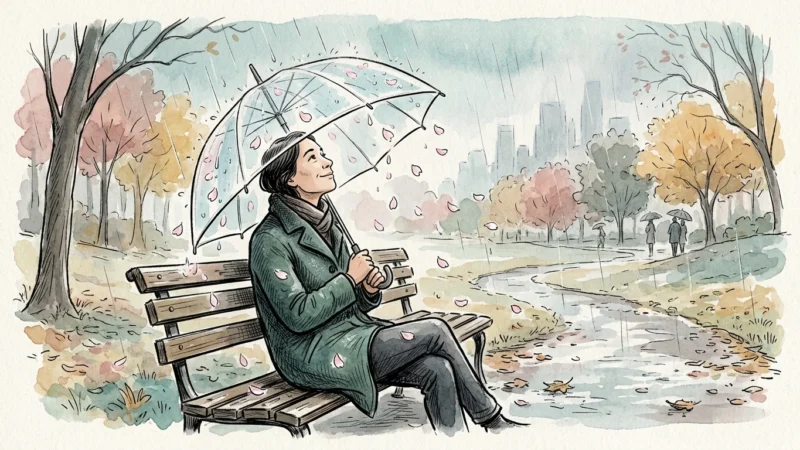
Nostalgia is a sentimental longing that surfaces during life transitions. Psychologists define this feeling as a complex emotional state. It blends fond memories with a mild sense of yearning.
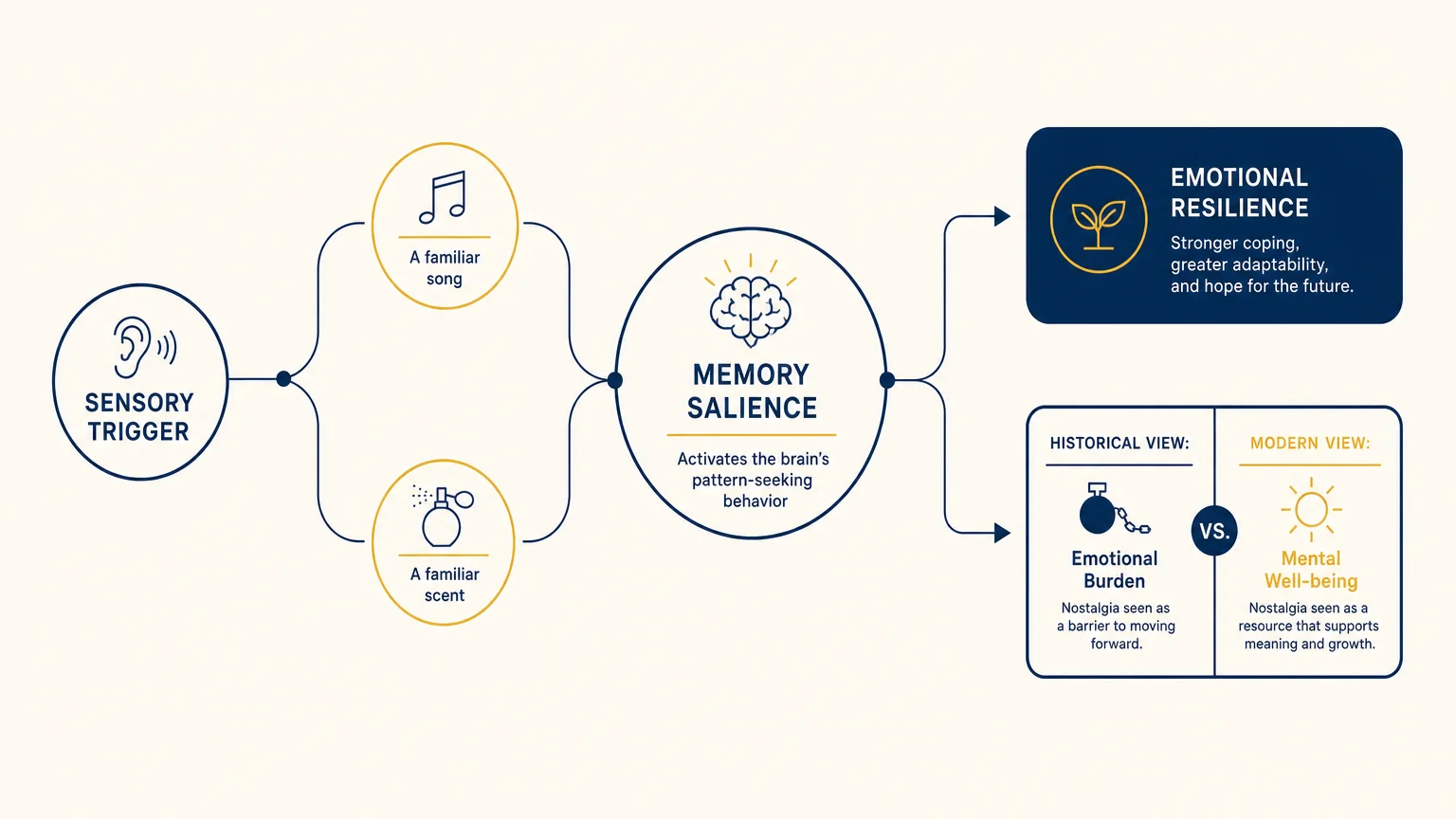
Historically, experts viewed nostalgia as an emotional burden. Modern psychology reveals a different story. Researchers now recognize its power to boost mental well-being. Looking back can fortify your emotional resilience.
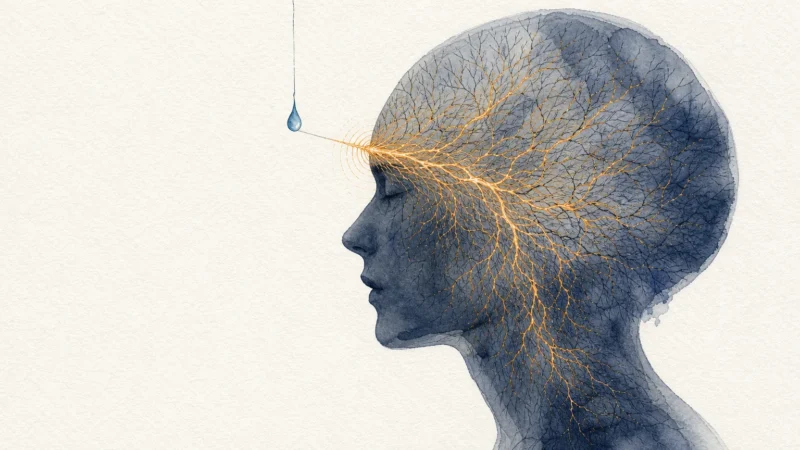
You might associate this feeling with looking through old photographs. It also happens when you hear a familiar song. These triggers activate specific pathways in your brain. This mental process is called memory salience.
Memory salience helps specific events stand out in your mind. Your brain naturally highlights moments of connection. This pattern-seeking behavior gives your life narrative meaning. Acknowledging this tendency helps you use it purposefully.