Seven Ways to Explore Nostalgia Safely
You can cultivate healthy reflection using simple practices. Focus on methods that cost nothing. Keep your exploration grounded in your daily routine. Here are seven ways to safely engage with your memories.
Start a Memory Journal
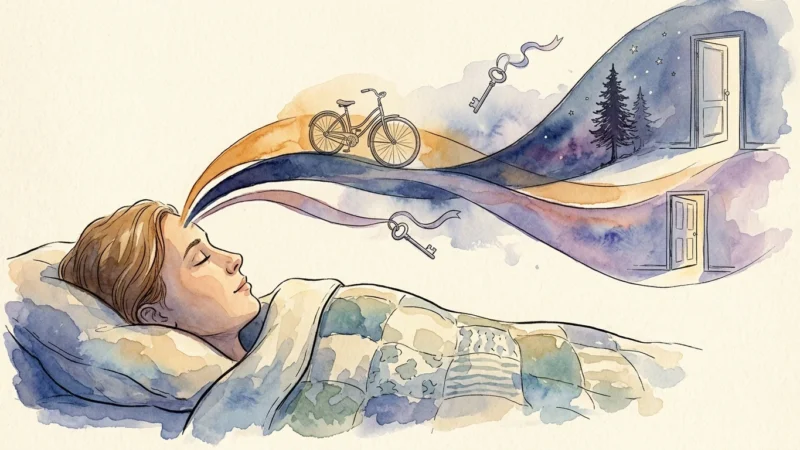
Journaling helps organize your thoughts safely. Write down one positive memory each morning. Describe the sensory details of that moment. This practice anchors your reflection in concrete reality.
Try this specific journaling prompt today. Ask yourself what past achievement makes you smile. Write three sentences about who helped you succeed. This action redirects your focus toward gratitude.
Take Mindful Walks Through Your Past
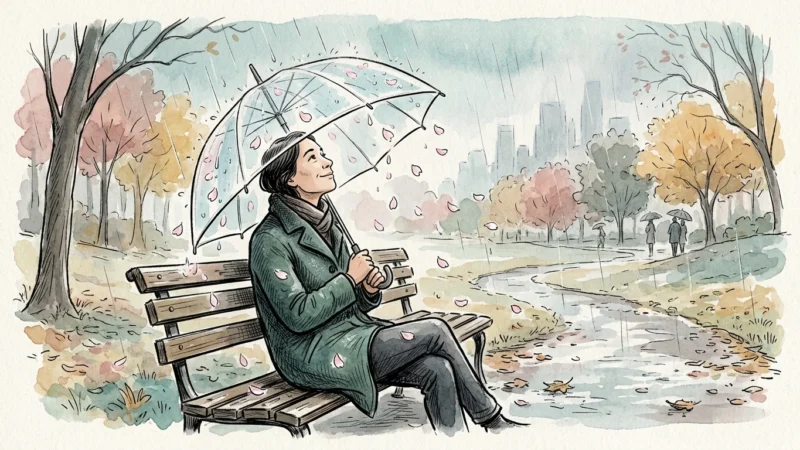
Physical movement prevents you from getting stuck in rumination. Take a short walk while thinking about a happy event. Notice your breathing as you walk. This combination connects your mind and body.
Limit these memory walks to twenty minutes. Return your focus to your surroundings afterward. Notice the trees or buildings around you. This simple safety cue keeps you grounded in the present.
Reconnect with Old Music
Music holds power to transport your mind. Create a playlist of your favorite songs from younger days. Listen to them while doing household chores. This prevents the experience from feeling heavy.
Pay attention to how the music makes you feel. Stop listening if a song brings up sharp pain. You control the boundaries of this activity. Always prioritize your emotional safety.
Share Stories with Loved Ones
Nostalgia works best when shared with others. Call a friend to discuss a mutual memory. This transforms an internal thought into a social connection. Shared reminiscence fights isolation.
Use a gentle conversation opener to begin. Say you were just thinking about a funny past event. Ask if they remember that day too. This invites them into a warm exchange without pressure.
Create a Small Memory Box
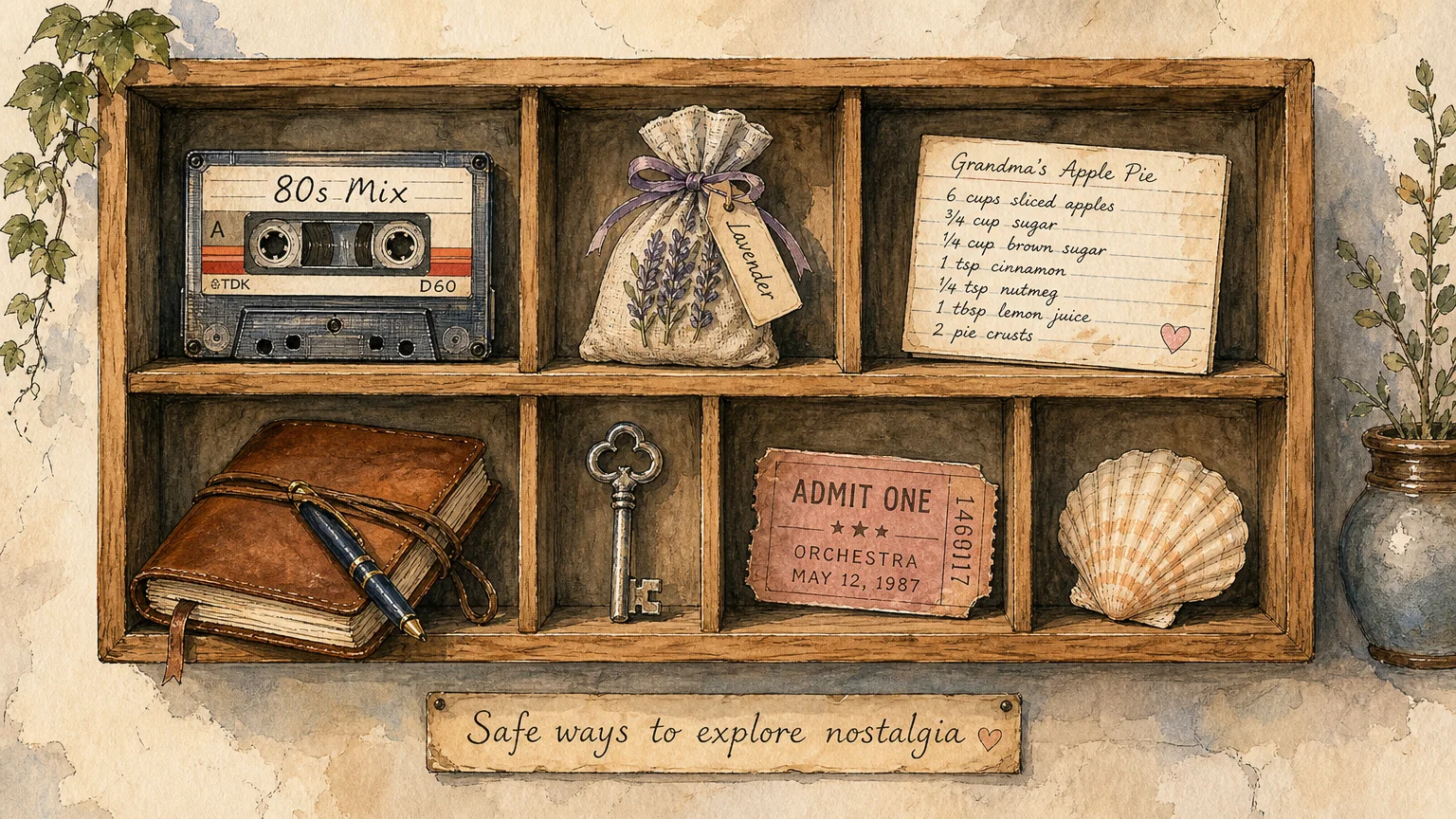
Tangible objects carry strong emotional resonance. Gather a few small items that bring you joy. Place them in a dedicated box. This gives your memories a physical home.
Open the box when you feel lonely. Hold the items and recall the associated stories. Put the box away when you feel comforted. This establishes healthy limits on your reminiscing time.
Cook a Familiar Recipe
Taste and smell trigger powerful associations. Prepare a meal that reminds you of childhood. Focus on the physical steps of cooking. This keeps you engaged in a present activity.
Savor the meal slowly once it is ready. Acknowledge the person who taught you the recipe. Send them a silent thought of thanks. This is a practical application of gratitude.
Practice Gratitude for Past Joys
Gratitude transforms passive memory into active appreciation. Think of a pleasant surprise from your past. Say thank you to yourself. This simple habit shifts your perspective upward.
You might try a Ho’oponopono phrase for closure. Say I am sorry, please forgive me, thank you, I love you. This traditional practice helps release lingering past resentments. It promotes emotional healing.