Identifying your unique emotional triggers unlocks a path to lasting mental wellness and peace. You can learn to manage rejection sensitivity and regain your emotional footing. This trait causes ordinary social interactions to feel deeply painful or alarming. You might notice heightened anxiety after casual conversations. Many adults experience this pattern without realizing it has a clinical name. Understanding these specific signs allows you to develop healthier boundaries. You will discover practical ways to protect your daily energy. This knowledge shifts your focus from perceived slights to genuine connection. We will explore safe strategies for your emotional healing.
What Rejection Sensitivity Means
Rejection sensitivity describes an intense emotional reaction to perceived criticism. This psychology concept explains why ordinary social interactions sometimes feel overwhelming. Your emotional pain is genuine.
People with this trait anticipate rejection in daily situations. Your brain actively scans your environment for signs of disapproval. This pattern-seeking behavior once kept our ancient ancestors safe.
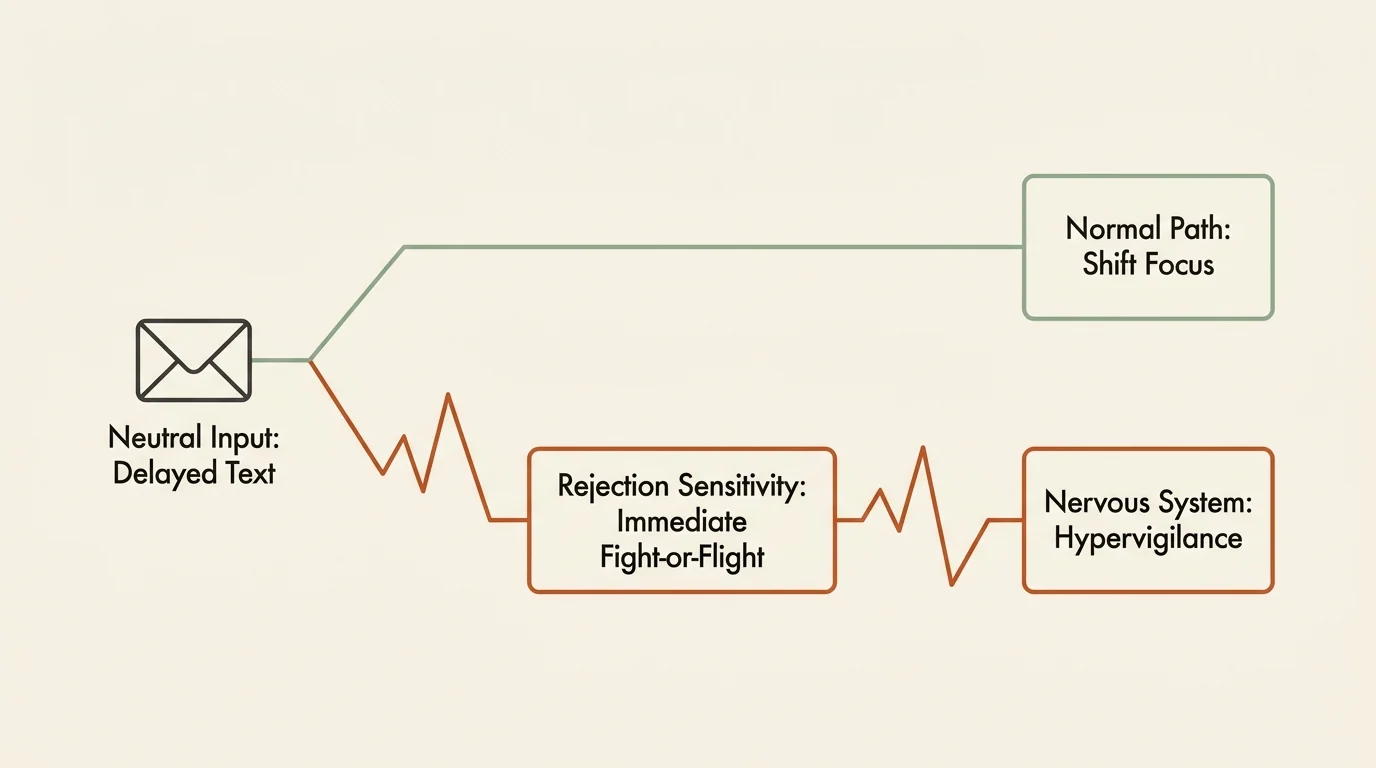
Today, this survival mechanism misfires during harmless scenarios. A delayed text message can trigger a wave of anxiety. A friend’s quiet mood feels like a direct personal attack.
Understanding this trait is a crucial step toward emotional health. You are not flawed for experiencing these intense feelings. Your nervous system is simply operating on high alert.
This concept differs from normal social disappointment. Rejection sensitivity triggers an immediate fight-or-flight response. Your physical body treats social distance as a literal threat.
Many people develop this vigilance after early life losses. Difficult childhood experiences can wire the brain for hypervigilance. Healing begins when you identify these automatic physical responses.
Researchers study these specific emotional patterns carefully. They note that this sensitivity affects adults across all ages. You can gently rewire your habitual responses over time.
Older adults often face unique social transitions. Retirement typically shrinks your daily social circles. This change makes your remaining relationships feel much more fragile.
Losing loved ones also heightens your emotional vulnerability. Grief makes the human brain more sensitive to separation. These life stages require gentle and consistent emotional care.
You can learn to observe these feelings without harsh judgment. Recognizing the biological root of your pain reduces self-blame. This new awareness creates a foundation for meaningful healing.