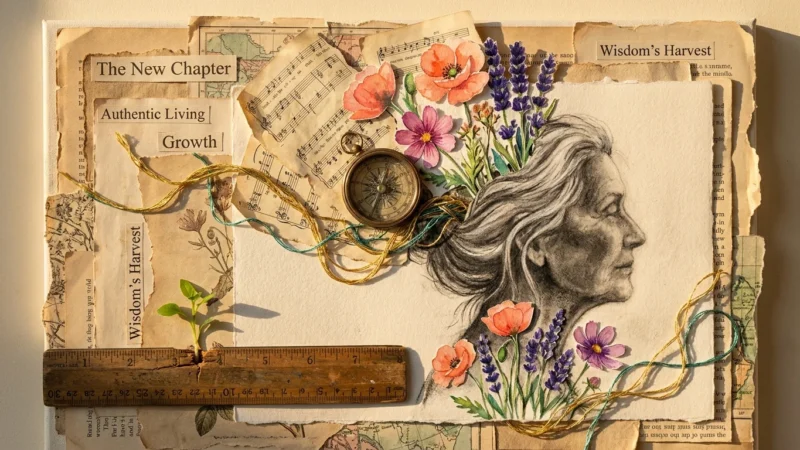
Reentering the dating world after losing a spouse requires emotional clarity and deep self-compassion. You may wonder if your heart can hold both precious memories of your late partner and space for someone new. This guide helps you identify your emotional readiness, navigate grief, and explore new relationships safely. Research shows that healthy widowhood recovery allows love and memory to coexist without guilt. By paying attention to key emotional milestones, you can make informed choices about your social life. Here are the core signs, practical strategies, and safety guidelines to help you take your next steps with confidence and peace.
Understanding Grief and Dating Readiness
Grief is not a linear path with a fixed end date. Psychologists often view grief as an ongoing process of adapting to loss. You do not need to forget your past to build a meaningful future.
Many people assume dating means you are moving on from your deceased partner. In reality, moving on after spouse death simply means opening your life to fresh experiences. You expand your capacity for connection without replacing a loved one.
Cognitive factors like memory salience can make early grief feel intense. Memory salience means recent or emotional memories easily dominate your thoughts. Over time, these intense memories soften and make room for daily curiosity.
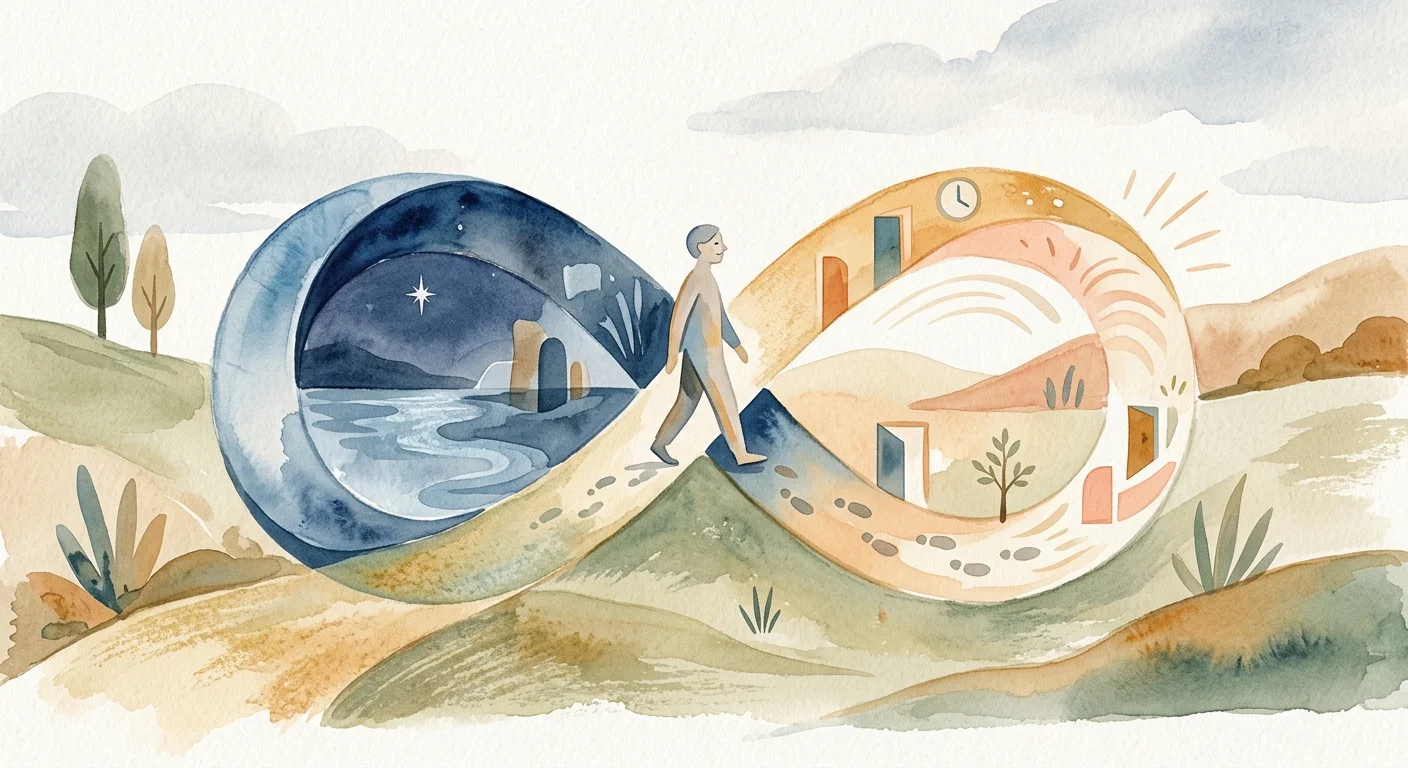
Psychologists study how widows and widowers balance loss with personal growth. The dual-process model of grief shows that people naturally alternate between processing loss and building new routines. Balancing these two states creates emotional stability over time.
Scientific research highlights the concept of psychological resilience during widowhood. The human mind can process sadness while feeling genuine joy. You can find useful coping tools at the American Psychological Association (APA).
Physical wellbeing also plays a vital role in emotional readiness. Restful sleep and routine self-care support your mental clarity. You can review health guidelines at the NIH and Sleep Foundation.
When you feel ready to date, your perspective shifts from recovery to exploration. You begin to look forward to social outings rather than dreading them. This shift marks a significant milestone in your healing journey.