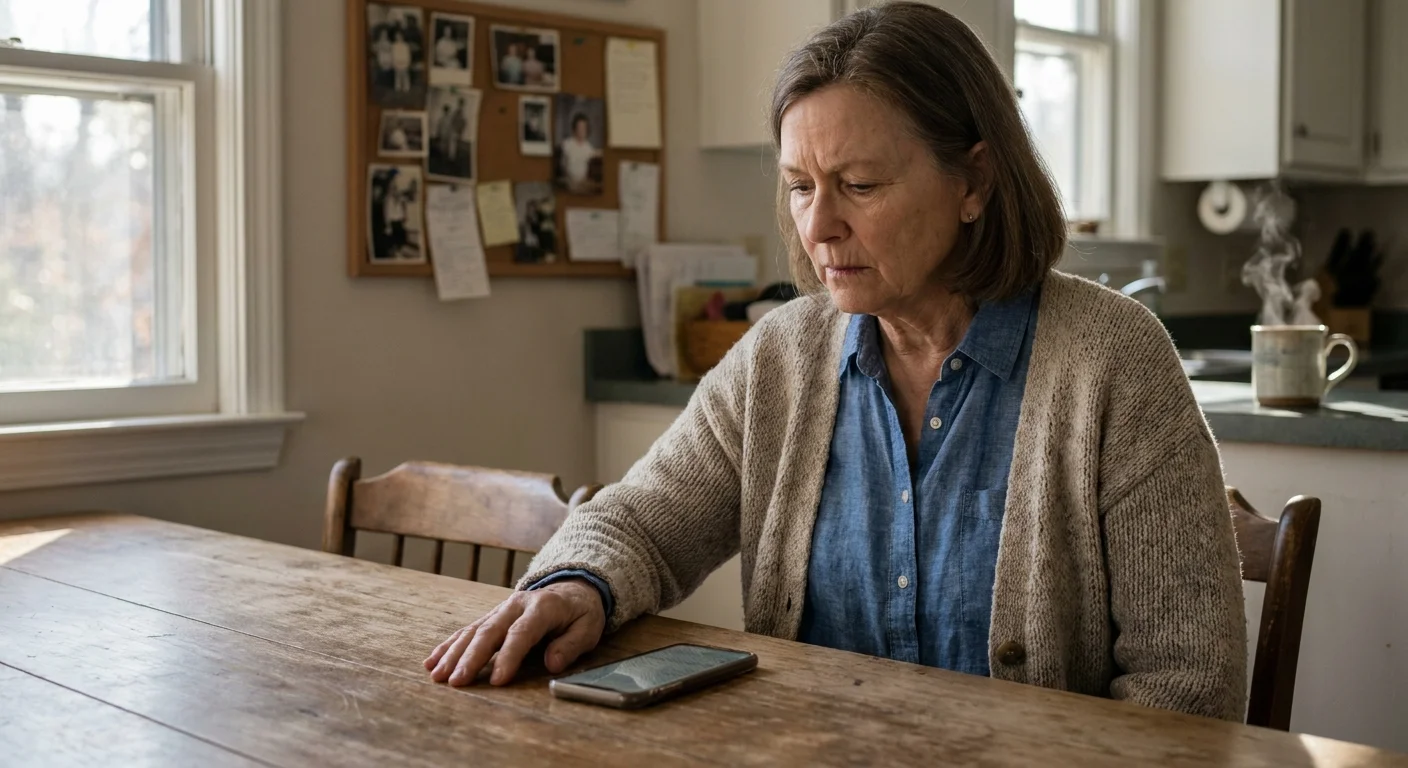
How People Experience Rejection Sensitivity
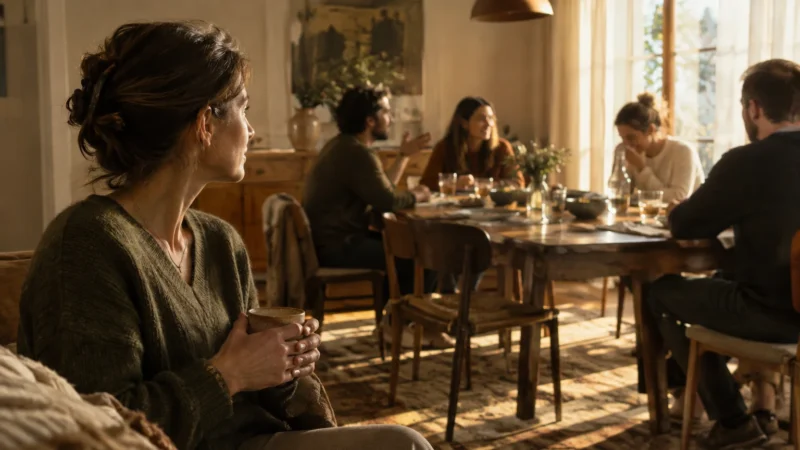
This sensitivity shapes your daily reality in subtle ways. You might plan conversations in advance to avoid mistakes. You curate your public image meticulously.
Your memory salience plays a large role here. You remember past rejections with vivid clarity. These painful memories often overshadow your past social successes.
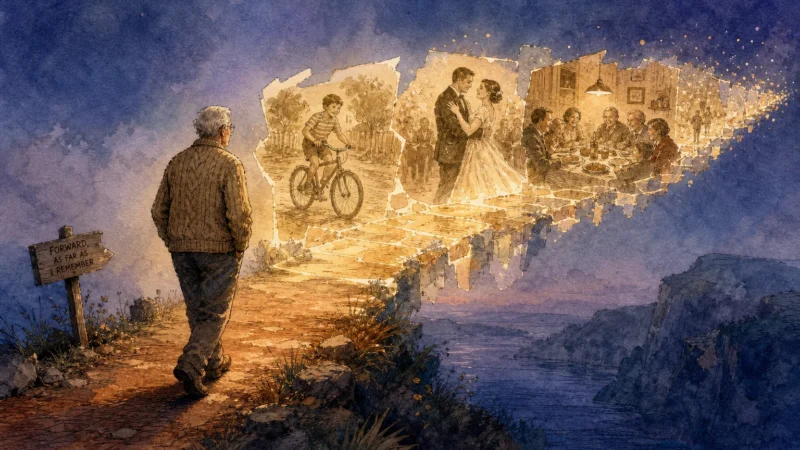
This cognitive pattern keeps you trapped in the past. You project old hurts onto new relationships. Recognizing this pattern is crucial for your mental wellness.
Many people experience intense shame alongside these feelings. You might feel foolish for reacting so strongly. This secondary shame compounds your original emotional pain.
Self-compassion is the antidote to this shame cycle. Treat your sensitive nervous system with gentle respect. You are doing your best with a hyper-vigilant brain.
Your intuition might feel confused by this sensitivity. You may struggle to distinguish a gut feeling from anxiety. Anxiety rushes loudly, while intuition speaks quietly.
You can learn to separate belief from evidence. A feeling of rejection is a belief, not a fact. Look for concrete evidence before drawing a final conclusion.
Older adults might feel this sensitivity around family dynamics. Adult children setting boundaries can feel like personal rejection. It is vital to separate their needs from your worth.
Life transitions often magnify these emotional challenges. Moving to a new community requires social vulnerability. It takes courage to forge new connections later in life.
Take these transitions one step at a time. Do not rush your emotional adjustment process. Honor your unique pace for building trust.