Navigating Belief and Evidence
Many people interpret emotional pain through a spiritual lens. You might view difficult relationships as karmic lessons. This framework can offer a sense of meaning.
However, it is vital to ground these beliefs practically. You can acknowledge spiritual ideas while addressing present-day triggers. Your daily emotional habits require concrete attention.
Some believe the universe tests our emotional boundaries. A grounded alternative view focuses on psychological conditioning. Your brain is simply repeating learned survival patterns.
Universal laws emphasize the energy you project outward. You can align this concept with cognitive behavioral principles. Changing your thoughts alters your emotional frequency.
Synchronicity might bring a helpful teacher into your life. You still must do the difficult emotional work yourself. No external sign replaces internal self-reflection.
Use your spiritual beliefs to support your mental wellness. Let your faith encourage your daily healing practices. Ensure your spirituality does not bypass genuine emotional pain.
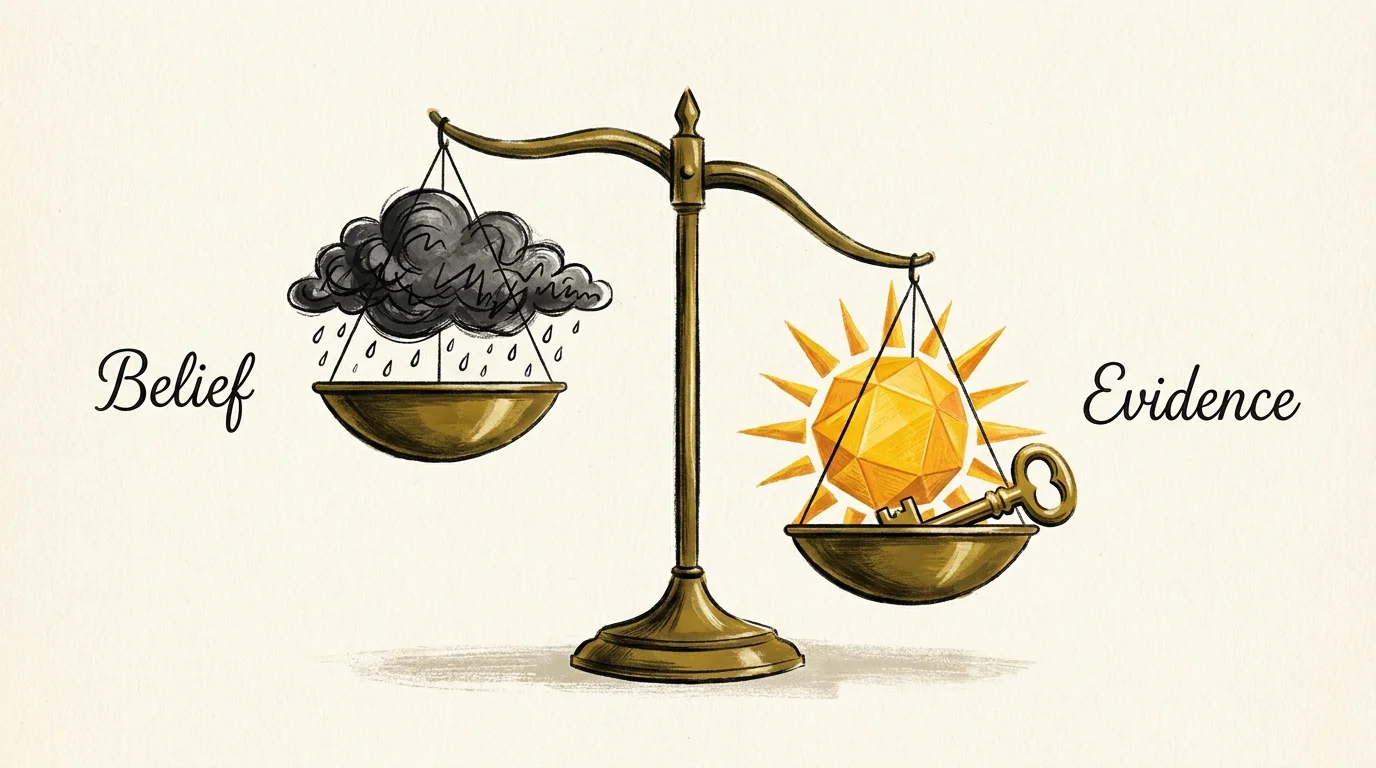
You can honor your lived experience without ignoring science. The placebo effect highlights the power of belief. A positive mindset physically alters your brain chemistry.
You might use meditation to explore your inner landscape. This practice builds a bridge between faith and psychology. It trains your brain to observe thoughts calmly.
Notice when a belief creates fear instead of peace. True spiritual growth should foster a sense of safety. Reevaluate any practice that heightens your rejection anxiety.