Healing after loss rarely feels like a steady climb upward. You might expect grief to diminish in a predictable line, yet real emotional recovery often occurs in subtle, unexpected moments. Recognizing the subtle grief recovery signs helps you trust your emotional healing process during difficult days. Small changes in your sleep, appetite, or daily thoughts show that your spirit is slowly adapting to loss. You do not need to feel happy every day to be making real progress. This gentle guide outlines seven practical signs of healing after loss and offers grounded tools to support your ongoing journey toward peace.

Understanding Grief and the Reality of Recovery
Grief affects your body, mind, and spirit simultaneously. Many adults over fifty expect grief recovery to follow rigid steps. Research shows that coping with grief happens in non-linear waves rather than fixed stages.
Psychologists often note that memory salience plays a role in how you recall painful events. Memory salience means your brain highlights intense emotional moments over quiet ones. Because of this pattern, difficult days feel louder than quiet progress.
Your brain also engages in natural pattern-seeking as it processes major life transitions. You might search for meaning in daily events or physical sensations. This mental activity is a healthy way your mind processes change.
Grief changes your daily routines and personal identity. Understanding grief stages allows you to extend grace to yourself during slow periods. Healing does not mean forgetting your loved one or ignoring pain.
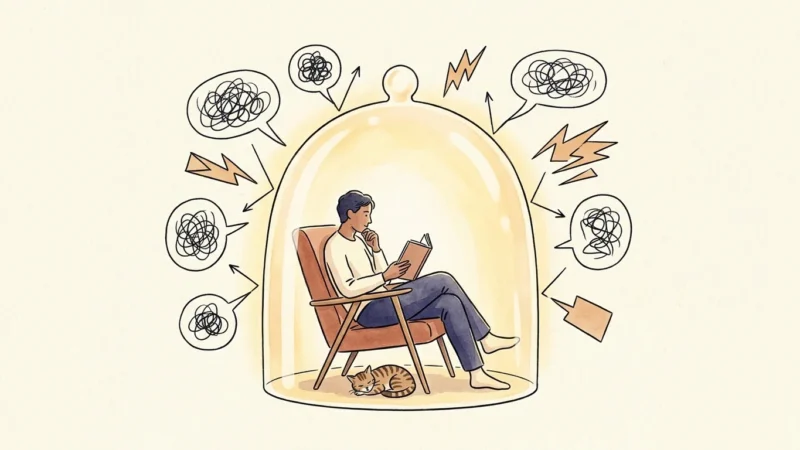
Instead, healing means building a larger container for your life experiences. Pain and peace can exist together in the same afternoon. You slowly create space for new moments of connection and quiet purpose.
Many people find that grief changes shape over time. The pain rarely disappears entirely, but it stops controlling every decision. You gain the strength to hold both memory and daily living together.
Emotional recovery requires time, self-compassion, and practical support. By honoring your personal pace, you permit your body and mind to restore balance. Every small step forward matters on this journey.
Cultural traditions across history acknowledge that grieving requires community and gentle patience. Sharing your emotional burden with trusted friends reduces feelings of isolation. Expressing feelings openly supports your physical and mental health.