Boundaries, Safeguards, and Knowing When to Seek Help
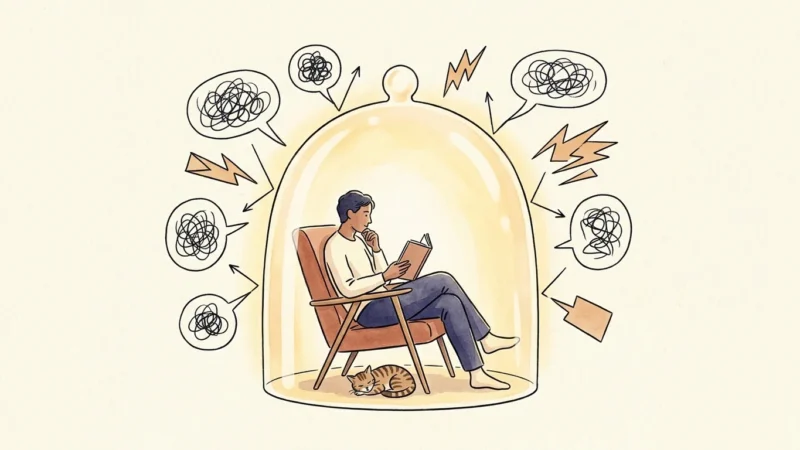
Protecting your emotional safety is essential while navigating significant personal loss. Grieving adults sometimes encounter high-pressure services or unethical spiritual advisors. Be cautious of anyone demanding large upfront fees or promising guaranteed outcomes.
Ethical guides and professional counselors always respect your personal pace and budget. Avoid practitioners who urge secrecy, create fear, or push high-cost retreat packages. Trust your instincts if a service feels demanding or manipulative.
Look out for red flags such as guaranteed healing timelines or pressure to cut off support systems. Genuine healing professionals encourage open communication with your family and doctors. Safe care protects your independence and emotional wellbeing.
Speaking with a licensed counselor or faith leader provides safe guidance during loss. Here is a sample conversation script you can use when calling a counselor: “I am navigating loss and feeling overwhelmed. I would like to schedule a session to discuss coping strategies.”
Professional support provides personalized tools that complement your personal wellness practices. Never discard ongoing medical treatment or therapy without consulting your primary doctor. Combining professional healthcare with self-care ensures physical and mental safety.
Grief and coping resources are available at the American Psychological Association (APA) and NIH. You can also find immediate mental health support and local resources through SAMHSA. Reaching out for professional assistance reflects wisdom and self-respect.