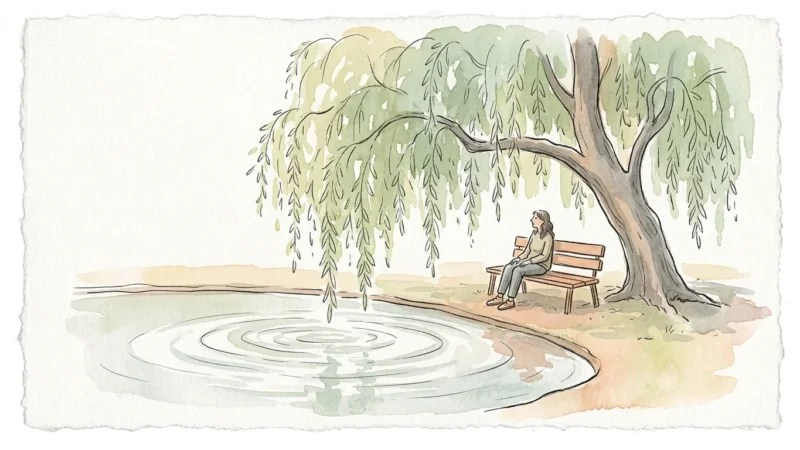
Recognizing gratitude in your life often happens in quiet, unexpected moments rather than through rigid daily exercises. You might already possess a deeply appreciative heart without keeping a formal journal or repeating daily affirmations. True gratitude shows up in how you treat your neighbors, savor your morning tea, and weather quiet afternoons. When you notice these subtle patterns, you can validate your natural emotional wisdom. Living with more appreciation helps soothe your nervous system and anchors your sense of purpose. This guide highlights the gentle signs of a grateful mindset and offers practical ways to nurture your inner peace every day.

Understanding Gratitude Beyond Daily Checklists
Many people assume gratitude requires constant cheerfulness or strict daily routines. Popular culture often frames appreciation as a task you must complete every morning. In reality, authentic appreciation operates as a quiet emotional baseline.
Philosophers and spiritual traditions have studied this gentle mindset for centuries. Stoic thinkers called it the art of desiring what you already have. Many Eastern traditions describe it as resting in present-moment awareness.
Modern psychology views gratitude as both an emotion and a lasting character trait. When you cultivate this awareness, you shift your attention toward safety and connection. You do not deny life’s hardships, but you notice supportive elements alongside them.
Your brain naturally relies on memory salience to interpret daily events. Memory salience simply means your mind remembers emotionally vivid moments more easily than neutral ones. When you develop appreciation, neutral moments begin to feel meaningful and comforting.
Practicing gratitude in daily life does not require hours of meditation. It begins when you recognize the quiet contentment already present in your daily routine. Let us explore the subtle indicators that reveal your natural sense of appreciation.