7 Signs You’re Living With More Gratitude Than You Realize
You may express appreciation in ways you rarely notice or celebrate. The following signs highlight how a grateful outlook manifests in ordinary thoughts and actions. Each sign includes a simple reflection to help you honor your personal growth.
1. You Pause to Savor Ordinary Sensory Moments
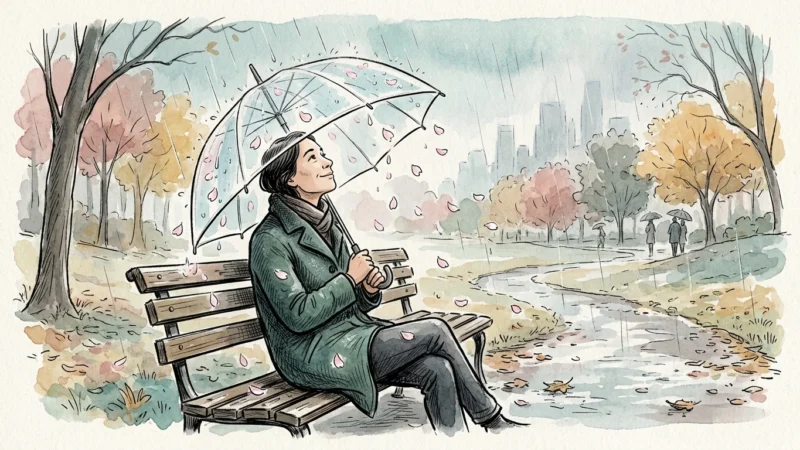
You frequently stop to enjoy the warmth of sunlight through a window. You notice the rich aroma of fresh coffee or the sound of rain against the glass. These small pauses show that your nervous system feels safe enough to rest in the present.
Research shows that savoring positive sensory input helps regulate emotional stress. You do not rush past these moments to chase the next task. Instead, you allow simple physical comforts to nourish your spirit.
Actionable Practice: Practice a thirty-second sensory check-in during your afternoon routine. Notice two distinct textures and one pleasant scent around you. Take one slow breath as you acknowledge these simple gifts.
2. You Rebound With Perspective After Minor Disruptions
Spilled coffee or unexpected traffic may frustrate you for a brief moment. However, you quickly regain your composure and remember the bigger picture. You recognize that small inconveniences do not define your entire day.
This quick recovery reflects emotional resilience rather than emotional suppression. You allow yourself to feel temporary irritation without letting it sour your outlook. You naturally balance life’s minor hassles against your broader wellbeing.
Actionable Practice: When a minor disruption occurs, speak a calming phrase aloud. You can say, “This is inconvenient, but my foundation remains steady.” This simple habit reinforces your natural resilience.
3. You Express Sincere Appreciation Without Expectation
You thank the grocery clerk, the delivery driver, or a neighbor with genuine warmth. You do not offer these thanks out of mere social obligation. You truly see the effort another person makes on your behalf.
Recognizing the contributions of others reveals a connected and generous worldview. You understand that daily life relies on countless unseen acts of kindness. This relational awareness strengthens your social bonds and uplifts those around you.
Actionable Practice: Send one unexpected message of appreciation to a friend this week. Mention a specific memory or quality you admire in them. Expect nothing in return except the joy of sharing kindness.
4. You Discover Comfort in Familiar Routines
You no longer feel the constant urge to seek novel distractions or thrills. You find deep comfort in watering your garden, reading a book, or folding warm laundry. These everyday rhythms provide your mind with a steady sense of sanctuary.
Finding joy in ordinary habits indicates high life satisfaction. You have moved past the belief that life must be exciting to be meaningful. You treat your daily home life as a worthy and peaceful destination.
Actionable Practice: Choose one routine chore today and perform it with full attention. Notice the warmth of the dishwater or the soft fabric in your hands. Thank your home for providing shelter and comfort.
5. You Feel Less Need to Compare Your Journey
You scroll through social media or talk with peers without feeling diminished. Another person’s success or material wealth does not trigger envy in your heart. You feel secure in your own values, timeline, and personal history.
Freedom from comparison marks a major milestone in spiritual and emotional maturity. You recognize that life is not a competitive race with winners and losers. You celebrate the good fortune of others while remaining rooted in your own path.
Actionable Practice: When you notice another person’s success, offer a silent blessing. Silently say, “May your joy continue, and may my heart remain at peace.” This thought pattern protects your inner contentment.
6. You Hold Space for Both Grief and Joy Together
You can miss a departed loved one while still enjoying a sunny afternoon. You understand that sadness and gratitude can occupy your heart at the exact same time. You do not force yourself to choose between mourning and living.
This emotional complexity represents deep spiritual resilience. You honor your losses without allowing sorrow to eclipse the beauty that remains. Your gratitude does not erase grief; it gently softens its sharpest edges.
Actionable Practice: Place a hand over your heart when grief arises during a pleasant moment. Acknowledge both emotions by whispering, “I remember with love, and I receive this moment with peace.” Allow both feelings to coexist gently.
7. You Experience a Quiet Sense of “Enough”
You rarely obsess over what you lack in possessions, status, or achievements. When you look around your living space, you feel an abiding sense of sufficiency. You recognize that your worth rests in who you are, not what you accumulate.
This feeling of enoughness shields you from modern consumer anxiety. It creates mental clarity and frees up your energy for meaningful relationships. You move through your days with the calm confidence of a fulfilled spirit.
Actionable Practice: Walk through your living room and identify three objects that bring you steady comfort. Spend a moment appreciating the service they provide in your daily life. Let that feeling of sufficiency fill your chest.