
Genuine curiosity keeps your mind sharp and expands your emotional world at any age. Psychologists view active inquiry as a vital foundation for long-term cognitive health and personal fulfillment.
As you navigate life transitions, your drive to learn often shifts toward deeper wisdom and self-understanding. You might wonder how authentic inquiry differs from restless distraction or casual novelty-seeking.
This guide reveals eleven distinct traits of curious people, supported by modern psychological science. You will discover practical, gentle ways to nurture this quiet strength in your everyday routine.
Understanding the Psychology of Curiosity
Psychologists define curiosity as the recognition and desire to explore new knowledge. It involves a willingness to engage with unfamiliar ideas.
Research separates curiosity into distinct operational styles. Early psychologists like Daniel Berlyne identified diversive and epistemic forms of inquiry.
Diversive curiosity seeks quick stimulation to escape boredom. Epistemic curiosity, however, drives deep understanding and sustained learning over time.
Contemporary research views curiosity as both an emotional state and a personality trait. The psychology of curiosity focuses on how people handle novelty and change.
When you approach life with genuine interest, your nervous system relaxes. You shift away from defensive reactions toward open engagement.
This stance allows you to process complex life events with greater balance. It softens rigid judgments about yourself and the world around you.

How Curiosity Shows Up Across the Lifespan
Curiosity shifts noticeably as you move through adulthood. Young adults often pursue information to build careers or establish social standing.
In mature adulthood, curiosity turns toward personal meaning and reflection. You explore subjects because they enrich your inner life.
Many older adults report a renewed desire to study history, arts, or philosophy. This phase of life offers the perspective needed for deep contemplation.
Cognitive patterns like confirmation bias can limit this natural impulse. Confirmation bias is the habit of favoring data that supports existing beliefs.
Genuine inquiry invites you to notice when this bias appears. You can gently examine your assumptions without feeling that your identity is threatened.
Another common mental habit is pattern-seeking. While noticing patterns helps us organize memories, it can sometimes lead to hasty conclusions.
Studies supported by the National Institutes of Health suggest that mental activity supports cognitive health. Keeping your curiosity active strengthens neural connections throughout your later years.

11 Traits Psychologists Say Point to Genuine Curiosity
Psychologists look for specific markers that distinguish authentic interest from surface-level attention. Here are the core curious personality characteristics observed by experts.
1. Comfort with Ambiguity
Inquisitive individuals do not panic when immediate answers are unavailable. They can sit with unresolved questions without demanding premature closure.
Psychologists call this tolerance for ambiguity. People with this trait view unknown territory as an invitation rather than a personal threat.
In our fast-paced culture, people often rush toward simplistic answers. This haste can lead to rash decisions and distorted conclusions.
Remaining curious gives your mind the necessary time to gather balanced facts. It allows deeper insights to emerge at their natural pace.
Actionable practice: When faced with an uncertain situation today, pause for three breaths. Write the sentence “I can wait for clarity” in your daily journal.
2. Active and Attentive Listening
Genuine curiosity reveals itself in the focused quality of your attention. You listen to understand another person rather than planning your next reply.
Inquisitive listeners do not interrupt or dismiss unexpected viewpoints. They ask thoughtful follow-up questions to understand the speaker’s lived experience.
This compassionate habit creates deep emotional safety in your personal relationships. Friends and family feel valued when you offer your undivided presence.
It also frees you from the exhausting need to appear clever. When your focus stays on the other person, conversational tension dissolves quickly.
Mindful check-in: In your next conversation, listen without offering unsolicited advice. Ask one gentle question, such as “What was that experience like for you?”
3. Intellectual Humility
Intellectual humility is the honest awareness that your knowledge has limits. It means recognizing that your personal perspective does not capture every truth.
Curious people do not treat their opinions as unshakeable facts. They readily accept constructive corrections when presented with solid, reliable evidence.
This trait protects you from intellectual pride and stubborn conflict. It keeps your mind receptive to fresh discoveries at every age.
When you let go of being right, you gain freedom to learn. Every interaction becomes a chance to update your understanding of life.
Actionable habit: Reflect on a belief you held twenty years ago that changed. Notice how changing your mind helped you mature as a person.
4. Deep Fascination with Everyday Details
Authentic inquiry does not require exotic travels or expensive experiences. Truly curious people find rich meaning in the ordinary routines of life.
You might study the structure of an autumn leaf during a morning walk. You might observe how natural light patterns change across your kitchen table.
Psychologists note that noticing small details builds emotional groundedness. It pulls your focus away from anxious thoughts and anchors you in sensory reality.
This mindful presence transforms daily chores into peaceful sensory practices. Folding laundry or washing dishes becomes an exercise in quiet appreciation.
Grounded practice: Choose a simple object in your home today. Spend three quiet minutes examining its color, texture, shape, and physical origin.
5. Consistent Use of Open Questions
The phrasing of your inquiries reveals the depth of your interest. Curious individuals naturally ask open-ended questions that invite thorough answers.
Closed questions produce brief yes or no responses. Open questions begin with “how” or “what” and encourage meaningful dialogue.
This communication style reduces defensiveness during difficult family conversations. It shows that you care about mutual understanding rather than winning an argument.
Open questions also stimulate the other person’s thinking. They often help the speaker discover new clarity within their own situation.
Conversational prompt: In your next family discussion, replace closed queries with open prompts. Try asking “What felt most meaningful about your day?”
6. High Cognitive Flexibility
Cognitive flexibility is the mental ability to adjust your thinking when conditions change. It allows you to consider several viewpoints simultaneously.
People who possess this trait adapt smoothly to unexpected disruptions. They do not cling to rigid routines when reality requires a different response.
Research suggests that mental adaptability buffers against chronic emotional stress. When plans go wrong, a flexible mind calmly seeks alternative paths.
This quality helps you navigate generational shifts with grace and good humor. You can respect modern viewpoints while honoring your personal heritage.
Safety cue: Notice when you feel strong internal resistance to a minor change. Ask yourself whether holding on tightly serves your peace of mind.
7. Willingness to Look Foolish
The fear of embarrassment keeps many adults from exploring new hobbies. Curious individuals accept the awkwardness of being a beginner.
They do not mind asking elementary questions when learning a skill. Their desire to understand matters more than protecting a flawless social image.
Embracing the beginner mindset unlocks tremendous creative freedom. It removes the heavy pressure to perform perfectly on your first attempt.
Psychologists find that this humility keeps the brain youthful and responsive. Trying unfamiliar tasks forces your brain to build fresh neural pathways.
Actionable practice: Attempt a creative task that you have never tried before. Give yourself full permission to make mistakes without harsh self-criticism.
8. Natural Resistance to Boredom
People with genuine curiosity rarely feel stranded by boredom. Their active inner lives provide steady engagement in almost any setting.
While waiting in a quiet room, they observe human behavior or ponder memories. They treat unoccupied time as an opportunity for peaceful reflection.
This internal resourcefulness guards against the impulse to seek mindless digital distraction. It helps you build a calm relationship with solitary quiet.
Curious minds treat downtime as a welcome respite for contemplation. Even a quiet waiting area can become a laboratory of gentle observation.
Mindful habit: Leave your smartphone behind during your next brief waiting period. Use that quiet interval to observe the room around you.
9. Genuine Appreciation for Divergent Views
Disagreement often provokes anger or emotional withdrawal. Curious people respond to contrasting opinions with calm, respectful interest.
They seek to understand the background and values that shaped another person’s stance. This posture builds empathy without requiring you to abandon your own principles.
Exploring different viewpoints broadens your understanding of human nature. It prevents ideological isolation and strengthens community ties.
Listening to opposing views does not mean agreeing with every statement. It simply means recognizing that human perspectives are complex and diverse.
Boundary cue: Curiosity does not mean tolerating verbal abuse or disrespect. You can remain interested in human nature while walking away from mistreatment.
10. Intrinsic Drive for Knowledge
Extrinsic motivation relies on external rewards like status, money, or praise. Genuine curiosity operates primarily on intrinsic motivation.
You explore a subject because the discovery itself feels deeply rewarding. The quiet joy of understanding brings its own sustainable fulfillment.
In retirement, intrinsic learning helps maintain daily structure and purpose. You study gardening, local history, or philosophy simply for the love of learning.
This inner drive keeps your spirits buoyant without depending on social applause. Your private curiosity becomes a rich sanctuary of personal interest.
Daily reflection: Select a subject that has zero practical use in your daily work. Spend thirty minutes reading about it purely for pleasure.
11. Non-Judgmental Observation
Inquisitive individuals observe their own emotions without harsh moral judgment. They watch sadness, joy, or frustration with compassionate neutrality.
This self-compassion prevents painful feelings from turning into chronic distress. It allows grief and life changes to move through you naturally.
Observing yourself with curiosity creates space for healthy emotional regulation. You become a gentle witness to your own lived experience.
When you replace self-criticism with inquiry, your emotional burdens lighten. You begin to treat yourself with the kindness you offer a friend.
Mindful exercise: When an uncomfortable emotion arises today, do not push it away. Whisper to yourself, “I notice this feeling, and I am curious about it.”
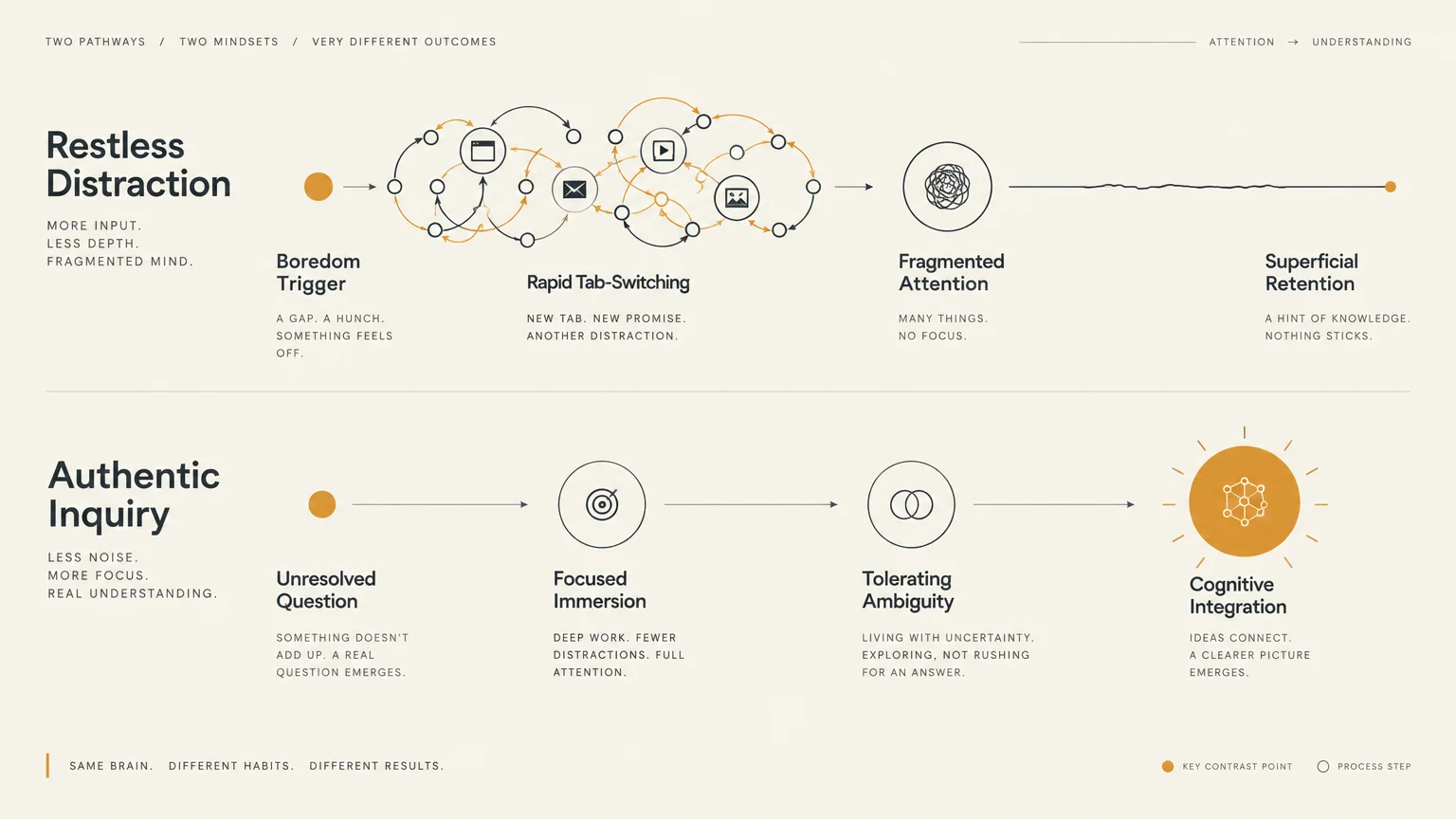
Distinguishing Genuine Curiosity from Common Distractions
Not all questioning comes from a healthy psychological place. Sometimes, repetitive questioning stems from anxious rumination rather than authentic wonder.
Rumination circles the same worries without producing insight. It leaves you feeling drained, unsettled, and emotionally guarded.
Genuine curiosity, by contrast, feels expansive and calm. It opens doors to fresh understanding instead of looping through past regrets.
Gossip is another common substitute for true curiosity. Gossip focuses on judgment and social drama rather than authentic human understanding.
When you catch yourself indulging in gossip, pause gently. Redirect your attention toward understanding the emotions underlying the situation.
Learning to recognize this difference protects your emotional energy. It ensures your inquiry nurtures your spirit rather than feeding anxiety.
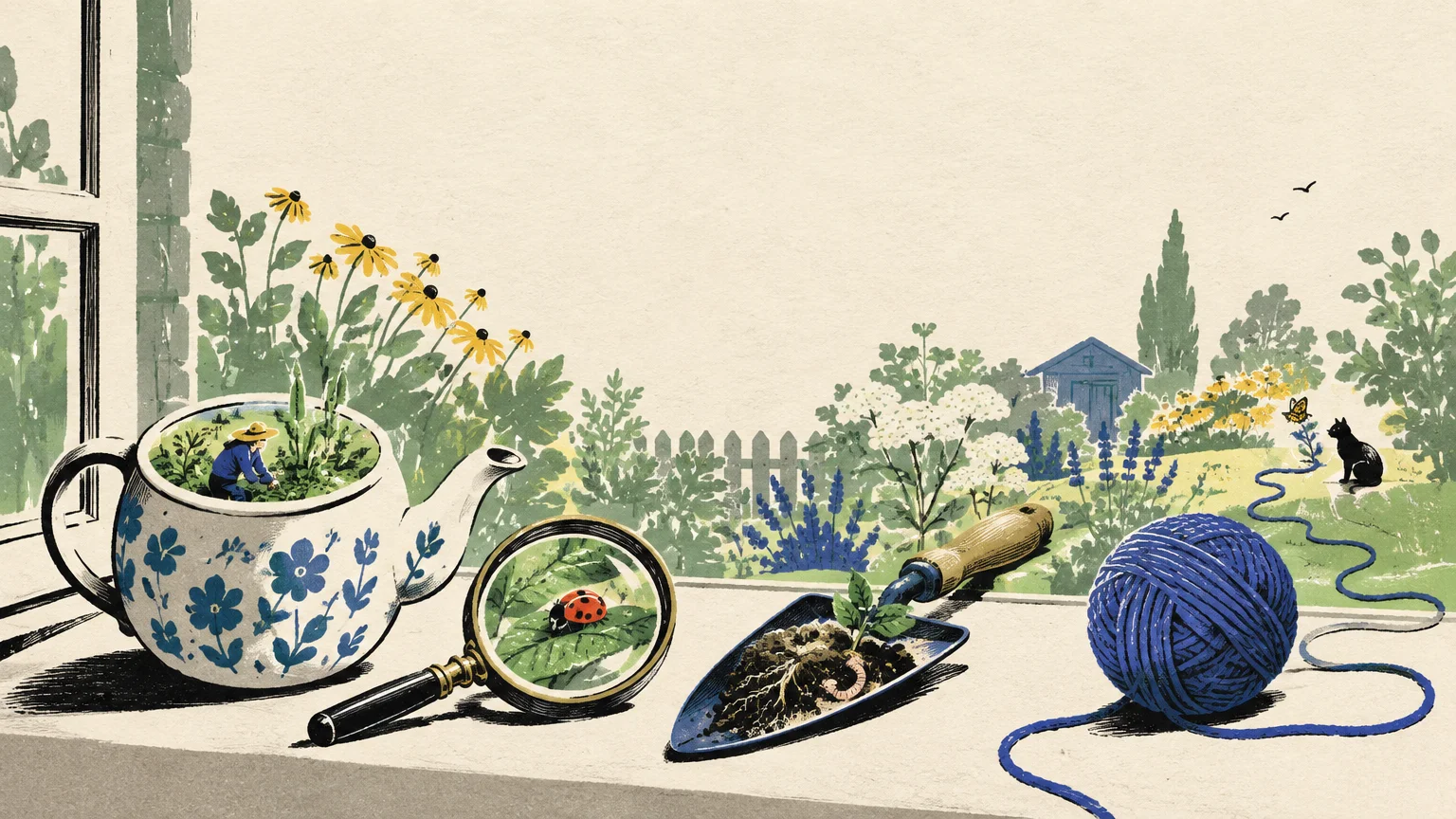
Safe and Accessible Ways to Cultivate Inquiry
You do not need expensive classes or specialized equipment to practice curiosity. Simple daily habits can awaken your natural sense of wonder.
Mindful walking offers an immediate way to reconnect with your surroundings. Notice seasonal changes in your neighborhood trees and gardens.
Journaling provides a safe container for your emerging thoughts and questions. Writing by hand slows your thinking and invites deeper reflection.
You can also explore complementary practices like guided imagery or slow breathwork. Guided imagery uses quiet mental visualization to relax the body and clear the mind.
The National Center for Complementary and Integrative Health reviews evidence on how complementary practices support emotional calm. A relaxed body helps your mind feel safe enough to explore.
Forgiveness exercises and simple phrases can also soften persistent emotional defensiveness. When internal resistance drops, genuine curiosity flourishes naturally.
Consider borrowing books from your local library before buying expensive courses. Free community resources offer endless paths for personal growth without financial strain.
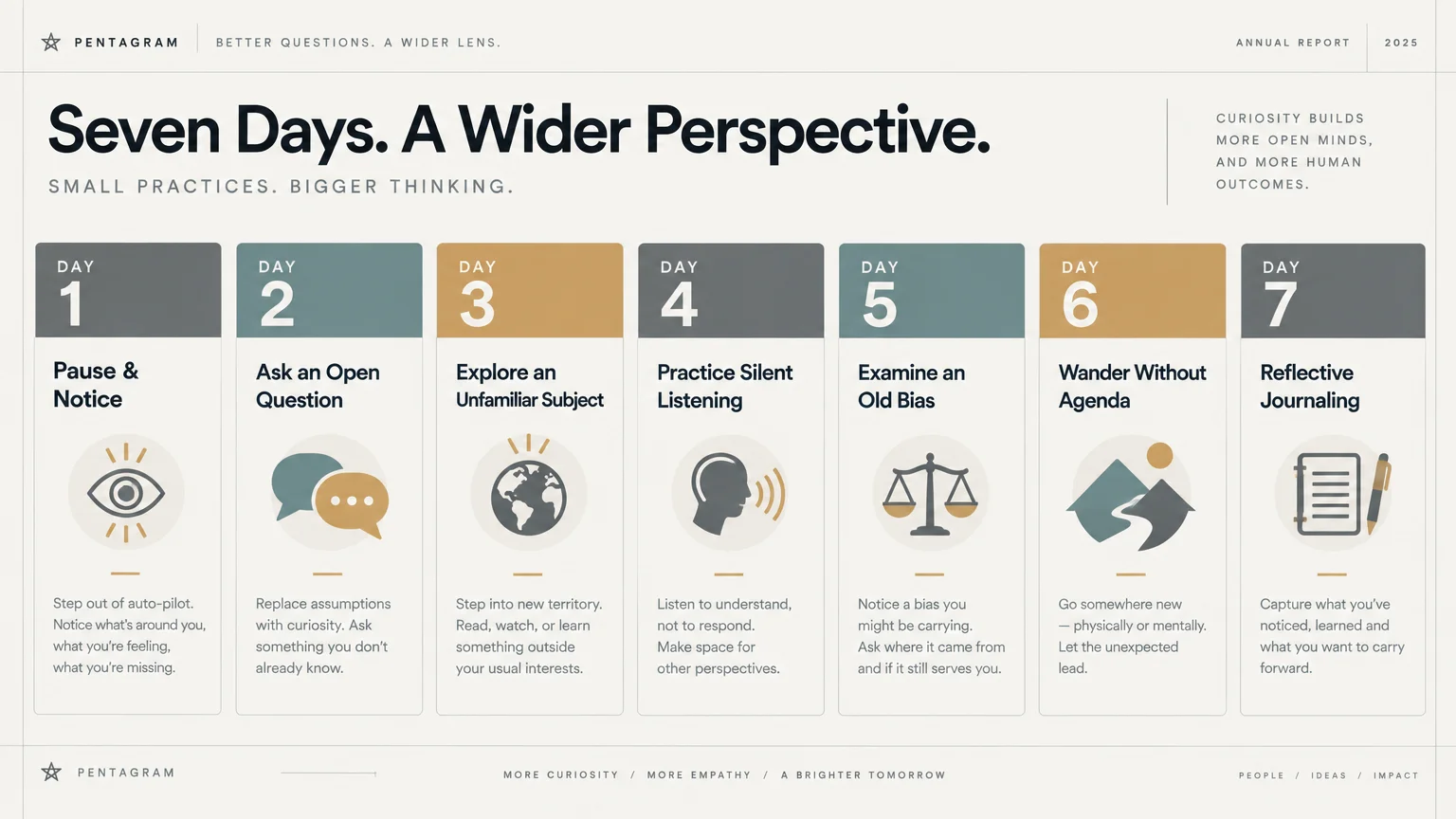
A Seven-Day Curiosity Practice Plan
This seven-day plan invites you to build your curiosity muscle through simple daily exercises. Each step requires ten minutes or less of your time.
On day one, focus on your morning sensory experiences. Notice the aroma of your tea or coffee, the temperature of the air, and ambient sounds.
On day two, bring curiosity to your personal conversations. Ask one open-ended question to someone you encounter and listen to their entire answer.
On day three, step outside your usual reading habits. Pick up an article or book about a subject you know very little about.
On day four, focus on physical rest and body awareness. Better rest restores mental stamina, as noted by the Sleep Foundation.
On day five, explore a nostalgic memory with gentle detachment. Ask yourself what that past season taught you about your enduring personal values.
On day six, engage in a creative activity without concern for the final result. Doodle on paper or arrange garden flowers with playful freedom.
On day seven, sit quietly with your journal to review your week. Note which moments sparked unexpected interest and write down what you learned.

Boundaries, Emotional Safety, and Warning Signs
While curiosity is a healthy trait, it requires healthy emotional boundaries. Spiritual curiosity, in particular, requires careful discernment and self-protection.
Many adults over fifty explore spiritual philosophies or personal growth workshops. Most communities offer sincere support, but exploitative groups also exist.
Watch for organizations that demand large upfront financial investments. Reputable teachers never pressure you to purchase expensive courses to gain insight.
Beware of practitioners who insist on secrecy or isolate you from loved ones. Healthy exploration always respects your family ties and independent thinking.
Another serious warning sign is any guarantee of absolute physical or emotional healing. Authentic educators acknowledge the complex reality of human suffering.
Never abandon conventional medical care or mental health treatment for unverified promises. Genuine curiosity works alongside evidence-based healthcare, not against it.
Grief also requires special gentleness when exploring new philosophical ideas. Be cautious with high-cost readings or services that claim contact with departed loved ones.
If emotional distress feels overwhelming, seek professional guidance. You can find licensed support through the American Psychological Association or Substance Abuse and Mental Health Services Administration.

How to Discuss Your Growth with a Counselor or Mentor
Sharing your inner reflections with a trusted guide can accelerate personal growth. A therapist, counselor, or faith leader provides a safe sounding board.
You might wonder how to start this conversation without feeling awkward. A simple, direct opening works best when sharing your desire for change.
You can say, “I have been reflecting on my habits and want to approach life with greater curiosity.” This statement clearly establishes your positive intention.
You can add, “I want to explore new perspectives while keeping healthy boundaries.” This sentence invites the counselor to help you stay grounded.
A skilled guide will help you examine old assumptions safely. They can help you separate genuine inquiry from anxiety or emotional avoidance.
Frequently Asked Questions About Genuine Curiosity
Can someone cultivate curiosity later in life?
Yes, curiosity is a flexible mindset that can be strengthened at any age. Neuroplasticity allows your brain to form new pathways throughout adulthood.
Engaging in novel activities and reading diverse topics stimulates cognitive growth. Mature adults often bring deeper life experience to their learning.
How does curiosity differ from intrusive nosiness?
Genuine curiosity seeks understanding and empathy without violating personal boundaries. It respects privacy and honors the dignity of other people.
Nosiness, however, aims to gather personal gossip or exert social control. Authentic inquiry asks permission and always respects personal limits.
How does curiosity protect brain function?
Mental stimulation builds cognitive reserve, which helps the brain withstand age-related changes. Curious people regularly challenge their brains with novel problems.
This active engagement keeps neural networks flexible and resilient over time. It transforms daily routines into opportunities for subtle cognitive exercise.
Can anxious overthinking masquerade as curiosity?
Yes, anxiety often drives compulsive information gathering to create an illusion of control. This behavior feels frantic and rarely brings lasting peace.
Genuine curiosity feels open, calm, and grounded in the present moment. It allows you to accept uncertainty without demanding immediate reassurance.
What should I do if new information feels overwhelming?
Information overload occurs when you absorb more input than your nervous system can process. When this happens, take a deliberate step back.
Turn off digital devices and spend time in quiet reflection or gentle movement. Give your mind adequate silence to digest what you have learned.
Moving Forward with Gentle Inquiry
Cultivating genuine curiosity is a quiet, lifelong practice. It does not require dramatic life changes or sudden ideological shifts.
Instead, it unfolds through small daily choices to listen, observe, and question. Each gentle pause expands your emotional resilience and mental clarity.
To begin this week, choose one simple habit from this guide to explore. Notice how slowing down to observe affects your daily stress levels.
Track your daily observations in a dedicated notebook for seven days. Record moments when you replaced immediate judgment with calm interest.
Finally, verify the sources of any new information you encounter. Grounding your open mind in solid facts protects your peace of mind.
Trust that your capacity for wonder remains vibrant throughout every season of life. Approach each new sunrise with quiet interest and a receptive heart.
Health and Safety Disclaimer
This article is provided for informational and educational purposes only. It does not constitute professional medical, psychological, legal, or financial advice.
If you are experiencing persistent anxiety, depression, or severe grief, consult a qualified mental health professional or physician. Seek immediate support if in crisis.