Frequently Asked Questions About Recognizing Gratitude
Can I experience genuine gratitude while processing deep grief?
Yes, grief and gratitude frequently coexist in the human heart. You can appreciate a shared memory or a friend’s kindness while feeling profound sorrow over a loss. Gratitude does not cancel your grief; it provides gentle comfort as you mourn.
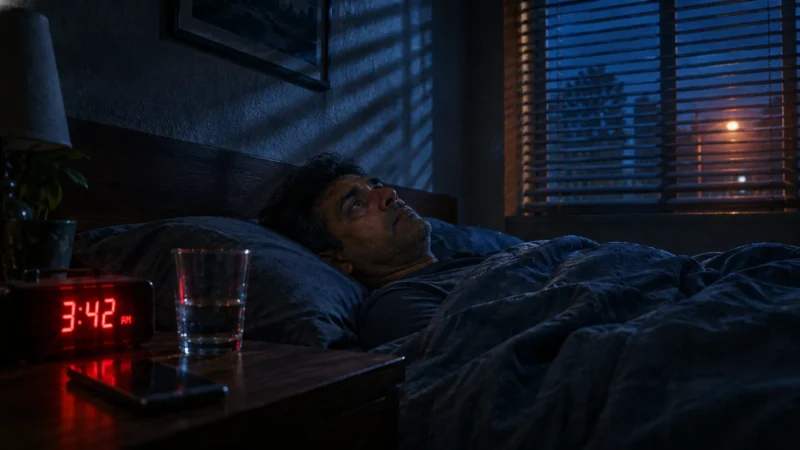
What if I struggle to feel appreciative on difficult days?
Emotional numbness and low energy are normal human experiences. Do not judge yourself when warm feelings feel out of reach. Simply focus on meeting your basic physical needs, such as drinking water and resting quietly.
Do I need to write in a journal to practice gratitude effectively?
Journaling is a helpful tool, but it is not mandatory. You can practice appreciation through silent reflections, whispered thanks, mindful walks, or meaningful conversations. Choose the expressive method that feels most natural and restorative to you.
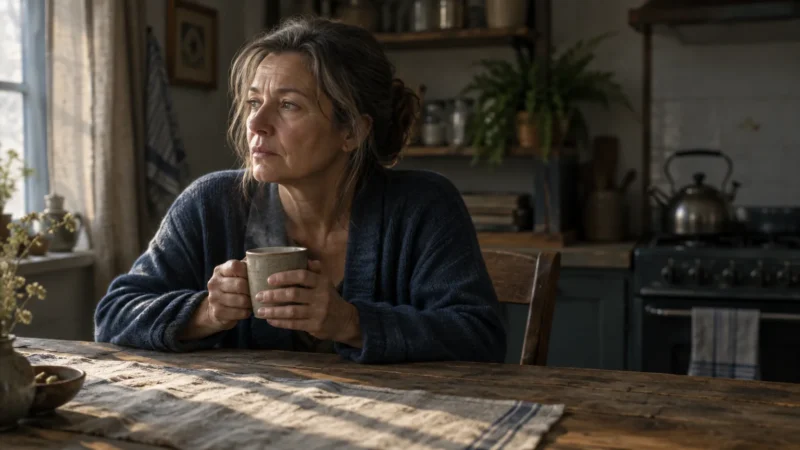
How does gratitude change as we grow older?
Mature gratitude often shifts away from material accumulation toward emotional depth and simplicity. Older adults frequently appreciate ordinary moments, peaceful relationships, and personal autonomy more than status symbols. This shift represents natural emotional wisdom.
How can I tell the difference between healthy gratitude and denial?
Healthy gratitude acknowledges life’s difficulties while noticing supportive resources alongside them. Denial pretends that problems do not exist and suppresses uncomfortable emotions. True appreciation gives you the strength to face reality with a calm and grounded heart.