Frequently Asked Questions About Nostalgia
Many older adults have questions about memory exploration. It is natural to seek clarity on these concepts. Clear answers help you navigate your emotional journey safely. Here are answers to common questions.
Is nostalgia just living in the past?
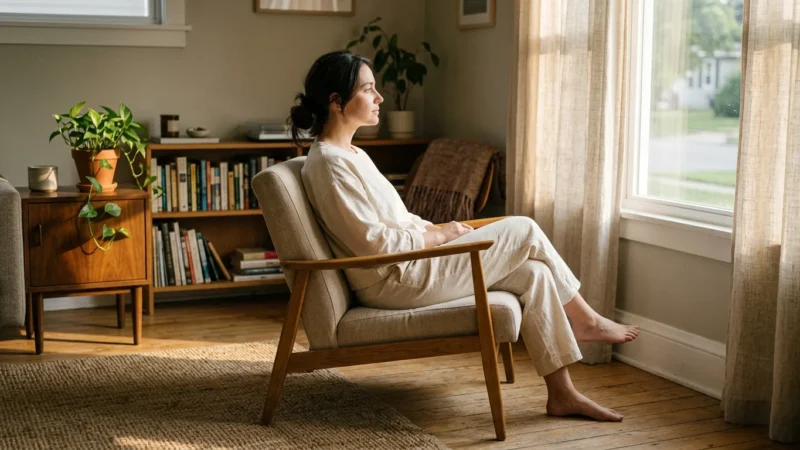
Healthy nostalgia does not mean living in the past. It means visiting the past for emotional nourishment. You use those warm feelings to enrich your current life. It acts as an emotional anchor.
Living in the past prevents future growth. It often involves regret or a refusal to accept change. Healthy reflection always brings you back to the present. It helps you move forward.
Can nostalgia make me feel sadder?
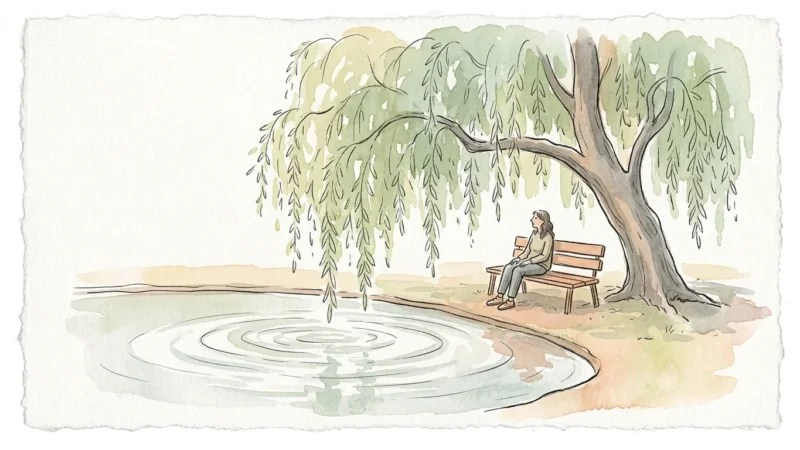
Reflecting on the past can sometimes trigger sadness. This is often called bittersweet nostalgia. The sweetness comes from the joy of the memory. The bitterness arises from knowing that moment is gone.
You must monitor your emotional reactions closely. If the sadness outweighs the joy, stop the activity. Switch to a grounding exercise like a mindful walk. Protect your mood actively.
How does healthy aging relate to memory?
Healthy aging involves adapting to continuous life changes. Your memories provide a stable sense of identity. They remind you of your core values. This stability helps you weather the challenges of aging.
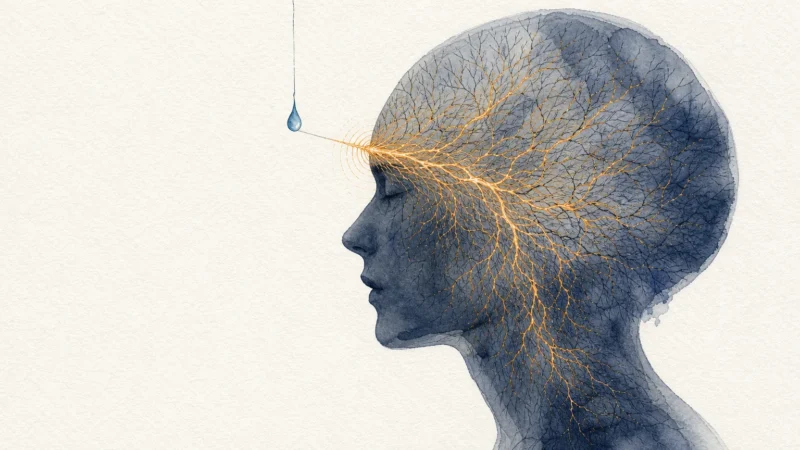
Utilizing memories purposefully supports cognitive health. It keeps neural pathways active and engaged. Sharing stories also maintains crucial social bonds. These factors contribute to a vibrant older age.
What if my memories are painful?
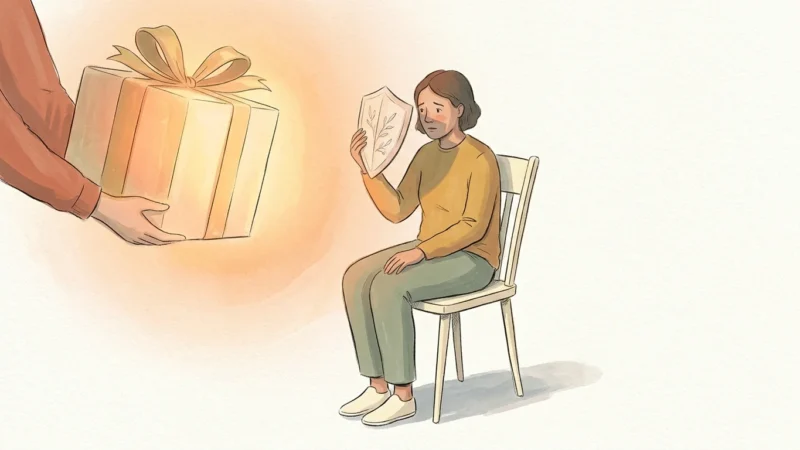
Painful memories require a delicate approach. Do not force yourself to revisit traumatic events alone. Your brain buries some things to protect you. Respect your mind’s natural defenses.
Focus only on neutral or positive memories initially. A trained therapist can help you process difficult events. Never attempt to resolve deep trauma without support. Healing takes time and proper guidance.
How do I tell healthy reflection from rumination?
Healthy reflection makes you feel warm and connected. It leaves you with a sense of peace. Rumination makes you feel anxious and stuck. It involves obsessing over past mistakes.
Notice how your body feels after reflecting. A relaxed jaw indicates healthy reflection. A tight chest suggests negative rumination. Use these physical cues to guide your habits.