Learning to spot hidden habits can instantly free you from quiet emotional exhaustion. When you understand why you appease others, you can protect your peace without abandoning genuine kindness.
Many mature adults carry a persistent fear of disappointing others after decades of caregiving, parenting, or demanding careers. This silent pressure often masks itself as ordinary devotion or generosity.
Recognizing these common habits allows you to reclaim your precious energy and build honest relationships. You will discover clear, practical steps to honor your personal needs with steady confidence.

Understanding the Roots of People Pleasing Behavior
A deep fear of disappointing others usually begins as an adaptive survival strategy. In early life, keeping the peace may have protected you from conflict or emotional withdrawal.
Over time, this coping tool transforms into habitual people pleasing behavior. You learn to monitor the room and anticipate emotional shifts before they happen.
Psychologists describe this state as hypervigilance. You scan faces, vocal tones, and subtle gestures to ensure everyone remains content.
Research on social connection from the NIH shows that human beings naturally crave belonging. The human brain processes social rejection through the same neural pathways as physical pain.
When you fear letting people down, you are attempting to avoid that painful sting of rejection. It is an instinctual survival mechanism, not a personal character defect.
Many people interpret this impulse as natural kindness or generosity. However, sacrificing your own needs to soothe others creates deep emotional strain.
Confirmation bias also strengthens this pattern. You easily recall times when someone reacted poorly to a boundary, while forgetting the times people respected your limits.
Acknowledging the origin of your actions is the first step toward true relief. You can honor your compassionate nature while establishing healthy limits for your daily life.
How Approval Seeking Behavior Affects the Nervous System
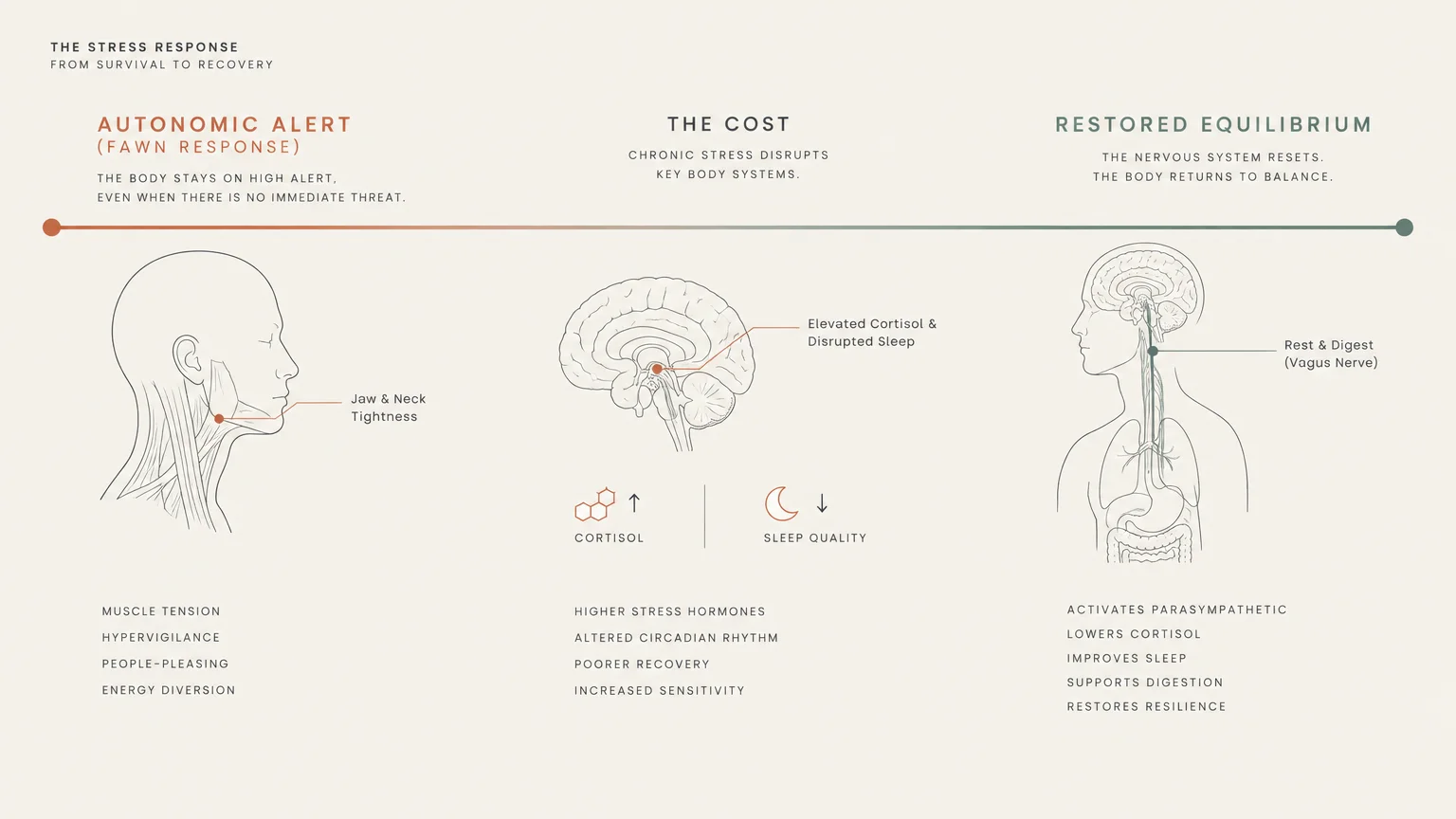
Living under constant social pressure places your autonomic nervous system on continuous alert. You might spend hours rehearsing conversations or worrying about minor misunderstandings.
Therapists often refer to this response as the fawn response. Instead of fighting or fleeing from tension, you appease others to eliminate perceived interpersonal danger.
This ongoing stress disrupts your sleep patterns and raises cortisol levels. Sleep experts at the Sleep Foundation note that emotional anxiety directly impairs nighttime physical recovery.
When your body stays in high gear, your digestive and immune systems suffer. Your nervous system treats everyday social interactions as critical emergencies.
Approval seeking behavior drains your mental battery long before your day ends. You expend immense internal energy calculating what people want to hear.
Clinical experts at the American Psychological Association (APA) highlight how prolonged social stress reduces emotional resilience. Over time, persistent compliance leads directly to exhaustion.
You may feel physical tightness in your neck, jaw, or chest. These bodily signals are clear requests for relief from chronic accommodation.
Rebalancing your system begins when you step off the emotional treadmill. Simple breathing exercises and intentional pauses help restore your nervous system to balance.
9 Behaviors Linked to a Fear of Disappointing Others
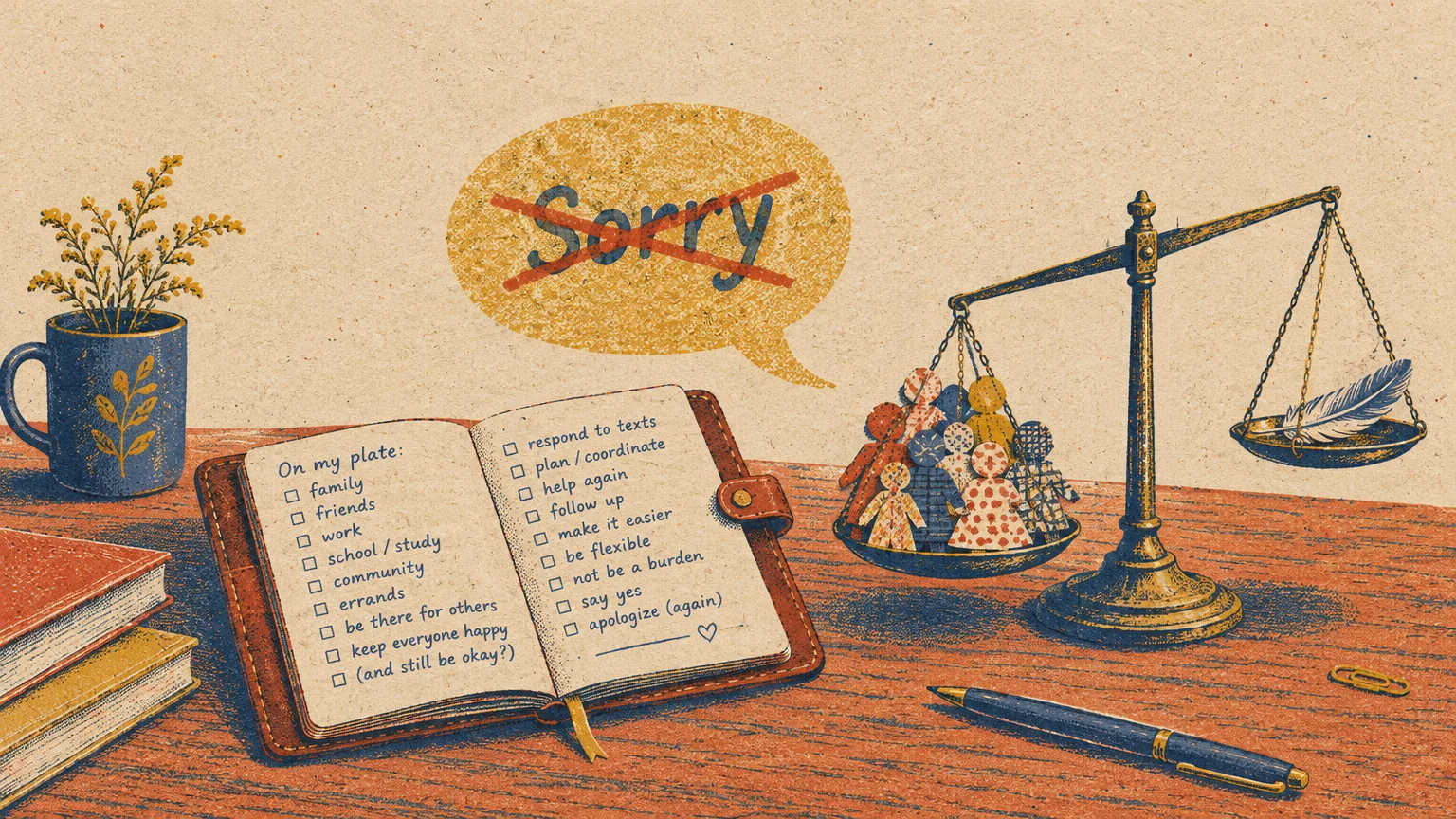
Identifying specific people pleaser signs helps you recognize your automatic reactions. Here are nine common behaviors that reveal an underlying fear of letting people down.
1. Apologizing for Situations You Did Not Cause
You might apologize when someone bumps into you at the store. You also say sorry for rainy weather, delayed emails, or another person’s foul mood.
This automatic reflex is a bid to neutralize tension before it grows. You apologize to show you are harmless and eager to cooperate.
By accepting responsibility for neutral events, you diminish your personal authority. You silently teach others that you will gladly absorb their discomfort.
Actionable Practice: Replace automatic apologies with simple gratitude. Instead of saying sorry for being late, say thank you for waiting for me.
2. Saying Yes When You Long to Say No
When someone asks for your help, you agree before checking your schedule. You fear that saying no will trigger immediate disappointment or quiet anger.
Later, you feel trapped, resentful, and completely drained by your commitment. You fulfill your promise with a heavy heart and diminished joy.
This habit steals your necessary rest, personal hobbies, and family time. You end up trading your health for someone else’s minor convenience.
Actionable Practice: Use a mandatory twenty-four-hour pause before answering requests. Tell the person, let me check my calendar tonight and reply tomorrow morning.
3. Constantly Monitoring the Moods of Other People
You walk into a room and instantly scan faces, postures, and tones. A quiet sigh or a delayed response sends your mind into anxious speculation.
You assume you caused the other person’s coldness or frustration. You replay previous conversations in your head to find your supposed mistake.
This hypervigilance consumes immense mental energy every single day. Most of the time, other people are simply preoccupied with their own troubles.
Actionable Practice: When you notice someone seems unhappy, repeat a grounding mantra silently. Tell yourself, their mood belongs to them, and I do not need to fix it.
4. Hiding Your Authentic Opinions to Keep the Peace
In group conversations, you often agree with viewpoints that contradict your values. You remain silent because you fear disagreement might damage the relationship.
Suppressing your true thoughts erodes your personal sense of identity over time. You might eventually forget your own genuine preferences and passions.
Genuine relationships require mutual honesty rather than artificial harmony. Real friends appreciate your authentic thoughts, even when your views diverge from theirs.
Actionable Practice: Practice expressing mild preferences in safe settings. When choosing a restaurant with a close friend, name the cuisine you actually crave.
5. Feeling Overwhelming Guilt During Moments of Rest
Sitting down with a book or taking a nap triggers sudden anxiety. A harsh inner voice tells you that you are being lazy or selfish.
You link your self-worth entirely to how productive you are for others. Idle moments feel unsafe because you are not actively earning approval.
Rest is a vital biological necessity, not an earned luxury. Depriving yourself of quiet downtime harms your immune system and emotional clarity.
Actionable Practice: Add fifteen minutes of rest to your calendar as an official appointment. Treat that rest time with the same respect you give doctor visits.
6. Over-Explaining Your Everyday Decisions
When you decline an invitation, you offer an elaborate, multi-layered explanation. You list several excuses to justify your simple decision.
This defensive habit stems from an intense fear of judgment. You hope an airtight excuse will shield you from the other person’s disappointment.
Over-explaining invites other people to debate your choices or negotiate your limits. A clear, polite boundary stands firmly on its own merit.
Actionable Practice: Use concise language when stating boundaries. Simply say, thank you for the invitation, but I am unable to attend this event.
7. Refusing to Ask for Help When Overwhelmed
Even when dealing with illness or grief, you avoid asking for help. You worry that asking for assistance turns you into an unwanted burden.
You pride yourself on being the dependable caregiver for everyone around you. Beneath that strong facade, however, you feel deeply lonely and unsupported.
Accepting help is an essential act of relational trust. It allows other people to experience the joy of supporting you in return.
Safety Cue: Reach out for professional care if prolonged self-reliance causes depressive symptoms. You can find free support resources through SAMHSA anytime.
8. Taking Total Responsibility for Other People’s Happiness
If a social gathering feels flat or someone looks upset, you blame yourself. You scramble to tell jokes, offer advice, or fix the emotional atmosphere.
This pattern confuses genuine empathy with unhealthy emotional enmeshment. Enmeshment occurs when your internal peace depends on another person’s emotional state.
Every adult must learn to manage their own emotional weather. Trying to rescue people from discomfort deprives them of personal maturity and resilience.
Actionable Practice: Offer supportive presence rather than quick fixes when someone vents. Ask them gently, do you want me to listen, or do you want help solving this?
9. Shifting Your Personality to Match the Room
You act like an emotional chameleon depending on your social surroundings. You alter your laugh, opinions, and energy to match the people around you.
While adaptability is useful, chronic shapeshifting disconnects you from your authentic self. You may eventually wonder who you are when you are entirely alone.
This behavior reflects a deep fear that your true self is unlovable. Learning to stay grounded in your own identity brings lasting peace.
Actionable Practice: Take three deep breaths before entering any social gathering. Place your hand on your heart and affirm that your authentic presence is enough.
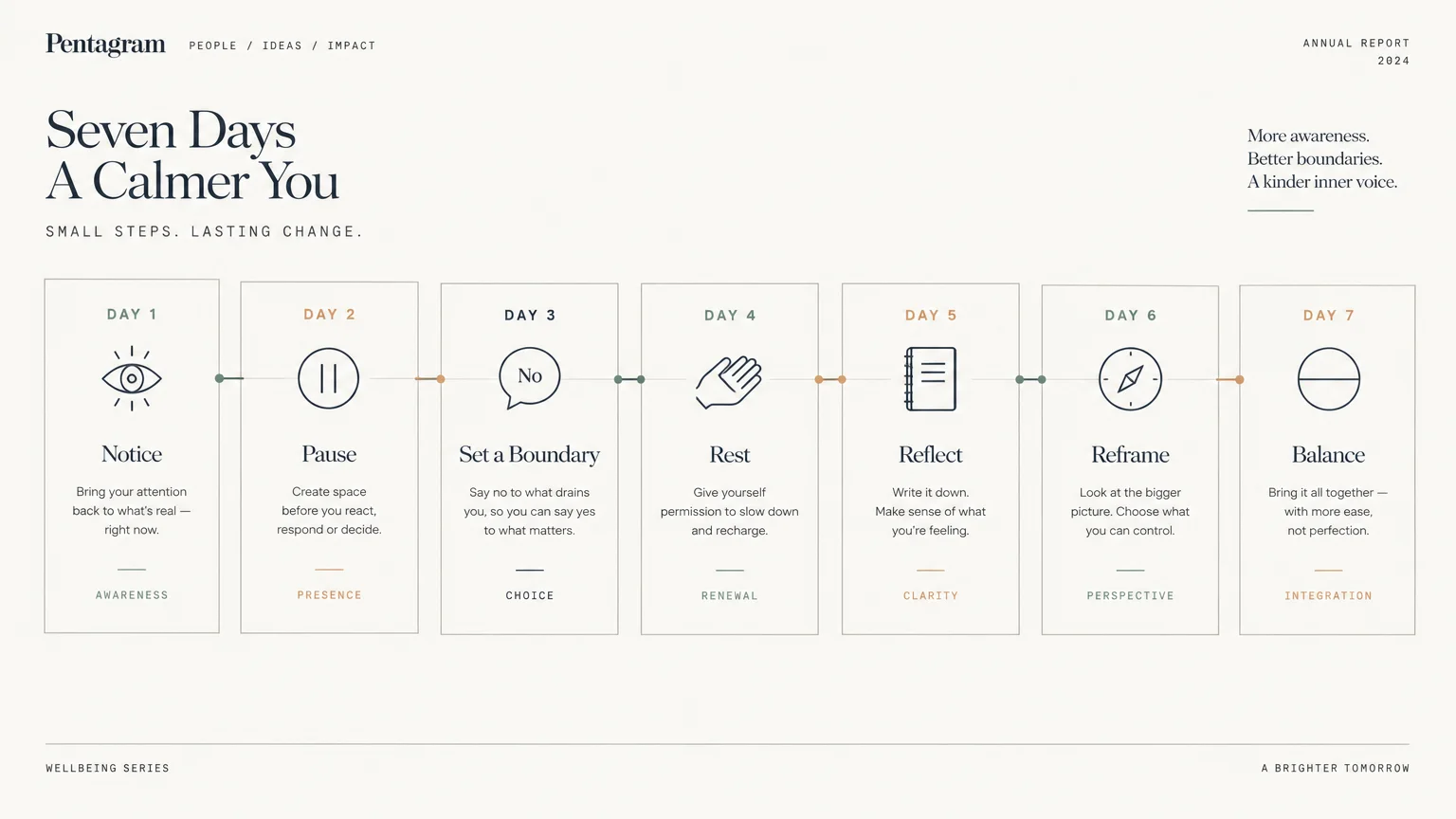
A Gentle 7-Day Plan to Release the Need to Please
Unlearning a lifelong fear of disappointing others takes steady, deliberate practice. This structured seven-day plan guides you through small, manageable exercises in your everyday life.
Each daily step focuses on internal awareness rather than dramatic confrontation. Small shifts build steady confidence without overwhelming your nervous system.
Day 1: Observe Without Judgment. Spend your day noticing how often you agree to things out of habit. Simply observe your impulses without criticizing yourself.
Write down any physical sensations that accompany these moments. You might notice a tight throat, an upset stomach, or shallow breathing.
Day 2: Practice the Five-Second Pause. When someone asks for your time or assistance, wait five seconds before responding. Use that quiet pause to notice your gut reaction.
This simple gap interrupts your automatic compliance reflex. It creates room for conscious decision-making rather than fearful acquiescence.
Day 3: Deliver a Low-Stakes No. Practice declining one minor request that carries zero major consequences. Decline an optional store receipt or turn down a flyer on the street.
Notice that the world continues spinning smoothly after you say no. Your nervous system learns that declining requests is safe and ordinary.
Day 4: Shift from Apology to Gratitude. Replace every unnecessary apology with an expression of appreciation. If you need time to review a message, thank the sender for their patience.
This verbal adjustment reframes the entire interaction positively. It honors the other person while preserving your personal dignity.
Day 5: Reclaim Twenty Minutes of Rest. Dedicate twenty minutes to pure leisure without completing any chores. Read a novel, sit in your garden, or listen to relaxing music.
When guilt arises, greet it with gentle compassion. Remind yourself that rest restores your spirit and strengthens your physical well-being.
Day 6: Voice an Honest Preference. Express an authentic opinion during a casual conversation. Share your true preference regarding a meal, a television show, or a weekend activity.
Speak your preference clearly without apologizing or minimizing your desire. Notice how comfortable honest communication can feel with supportive people.
Day 7: Write a Self-Forgiveness Letter. Spend ten minutes writing a compassionate note to your past self. Thank your people-pleasing habits for keeping you safe in earlier years.
Gently release those outdated habits as you embrace this new chapter of life. Reaffirm your commitment to honor your boundaries moving forward.

Mindful Practices and Complementary Wellness Steps
Healing from chronic people pleasing requires balancing the mind, body, and spirit. Somatic practices help release physical patterns of tension stored from years of accommodation.
Gentle movement, mindful breathing, and quiet nature walks soothe an overactive nervous system. Clinical reviews from the NCCIH confirm that mind-body practices reduce chronic psychological stress.
You can also integrate traditional Ho’oponopono phrases into your morning routine. This Hawaiian practice uses four statements: I am sorry, please forgive me, thank you, and I love you.
Direct these healing phrases inward toward yourself rather than outward to others. They cultivate self-forgiveness for the times you abandoned your own needs.
Daily journaling provides another private, grounded method to clarify your values. Writing without self-censorship reveals what you truly want out of your relationships.
Try this prompt: Where in my life am I giving from an empty cup? Write your thoughts honestly without worrying about grammar or neatness.
If you choose to pursue paid wellness workshops or coaching, proceed with careful discernment. Ensure the facilitator possesses verified credentials, clear ethical boundaries, and transparent pricing.
Avoid programs that promise rapid emotional cures or demand substantial upfront financial commitments. Genuine healing unfolds gradually with respect for your personal pace.

Safeguarding Your Emotional Health and Setting Boundaries
Establishing boundaries often creates temporary discomfort in your existing relationships. People who benefited from your lack of limits may express surprise or confusion at first.
This initial friction is completely normal and expected. It does not mean you made a mistake or behaved cruelly.
Many people mistakenly equate firm boundaries with selfish hostility. In truth, clear boundaries preserve relationships by preventing silent bitterness and emotional burnout.
If you are experiencing grief or navigating major life transitions, your capacity is naturally reduced. Give yourself permission to decline non-essential demands during times of loss.
Use simple conversation openers when setting boundaries with friends or relatives. You can say, I love spending time with you, but I need a quiet evening at home tonight.
When discussing people pleasing with a counselor or faith leader, be direct. Say clearly, I struggle with a constant fear of letting people down, and I need guidance.
Stay vigilant against exploitative services that promise to cure social anxiety overnight. Reputable professionals will never pressure you into secrecy, dependence, or high-cost packages.
Never discontinue necessary medical care or mental health therapy for unverified wellness practices. Your health and emotional safety must always remain your highest priorities.
Frequently Asked Questions About People Pleasing
Is people pleasing considered a formal mental health disorder?
No, people pleasing is not classified as a distinct psychiatric disorder. It is a learned behavioral pattern and coping strategy shaped by life experiences and social expectations.
However, chronic people pleasing can contribute to generalized anxiety and severe emotional burnout. Therapy can help you unravel these patterns effectively.
How can I tell the difference between kindness and people pleasing?
Authentic kindness arises from a desire to give without expecting anything in return. It feels light, joyful, and aligned with your personal values.
In contrast, people pleasing is driven by fear, guilt, or a desire to avoid conflict. It consistently leaves you feeling resentful, depleted, and anxious.
Will setting boundaries ruin my close relationships?
Healthy relationships actually grow stronger when you communicate your limits clearly. Clear boundaries remove hidden resentment and build deeper mutual respect.
If someone abandons you because you set gentle boundaries, their connection depended on your compliance. You deserve relationships based on mutual care, not convenient self-sacrifice.
Why do I feel so guilty every time I say no?
Your nervous system interprets declining a request as a threat to your social belonging. The resulting guilt is simply an automatic neurological echo from old conditioning.
Feeling guilt does not mean you made a wrong or selfish choice. With consistent practice, that uncomfortable guilty feeling will diminish over time.
Can I change these habits after decades of people pleasing?
Yes, your brain maintains the ability to learn new habits at any stage of life. Adults over fifty regularly rebuild their personal boundaries with great success.
Every time you speak your truth or take needed rest, you reinforce healthy neural pathways. Patience and self-compassion make lifelong transformation entirely possible.
Practical Next Steps for Your Personal Healing
Releasing the fear of disappointing others is a gentle process of unlearning. You do not need to overhaul your entire lifestyle overnight to make meaningful progress.
Start by paying close attention to your body whenever someone makes a request. Your physical sensations will tell you whether you truly want to help.
This week, commit to three grounded actions to nurture your emotional independence. First, practice a deliberate five-second pause before answering any social invitation.
Second, track your daily energy in a notebook each evening. Make note of activities that nourished your spirit and those that drained your vitality.
Third, verify that your weekly schedule includes dedicated time for personal relaxation. Protect this quiet window with the same loyalty you show to your friends.
You deserve the same patience, warmth, and care that you extend to others. Your worth is inherent, and it does not depend on how many people you please.
Disclaimer: This article is published for informational and educational purposes only. It is not intended as medical, psychological, financial, or legal advice.
If you are struggling with severe emotional distress or prolonged grief, speak with a licensed professional or trusted spiritual leader. Seek urgent help immediately if you are in crisis.