Learning to accept support can preserve your health and bring peace to your daily life. When you carry every responsibility alone, your physical and emotional reserves quickly wear thin.
Many mature adults pride themselves on self-reliance, yet extreme independence often hides an unspoken fear of vulnerability. You can break this exhausting cycle by learning the patterns behind your hesitation.
This guide reveals eleven traits common in people who avoid asking for support. You will discover gentle, practical steps to welcome help while keeping your personal boundaries safe.
The Meaning of Extreme Self-Reliance
Self-reliance is an admirable quality in modern life. It helps you build resilience and navigate personal challenges with steady confidence.
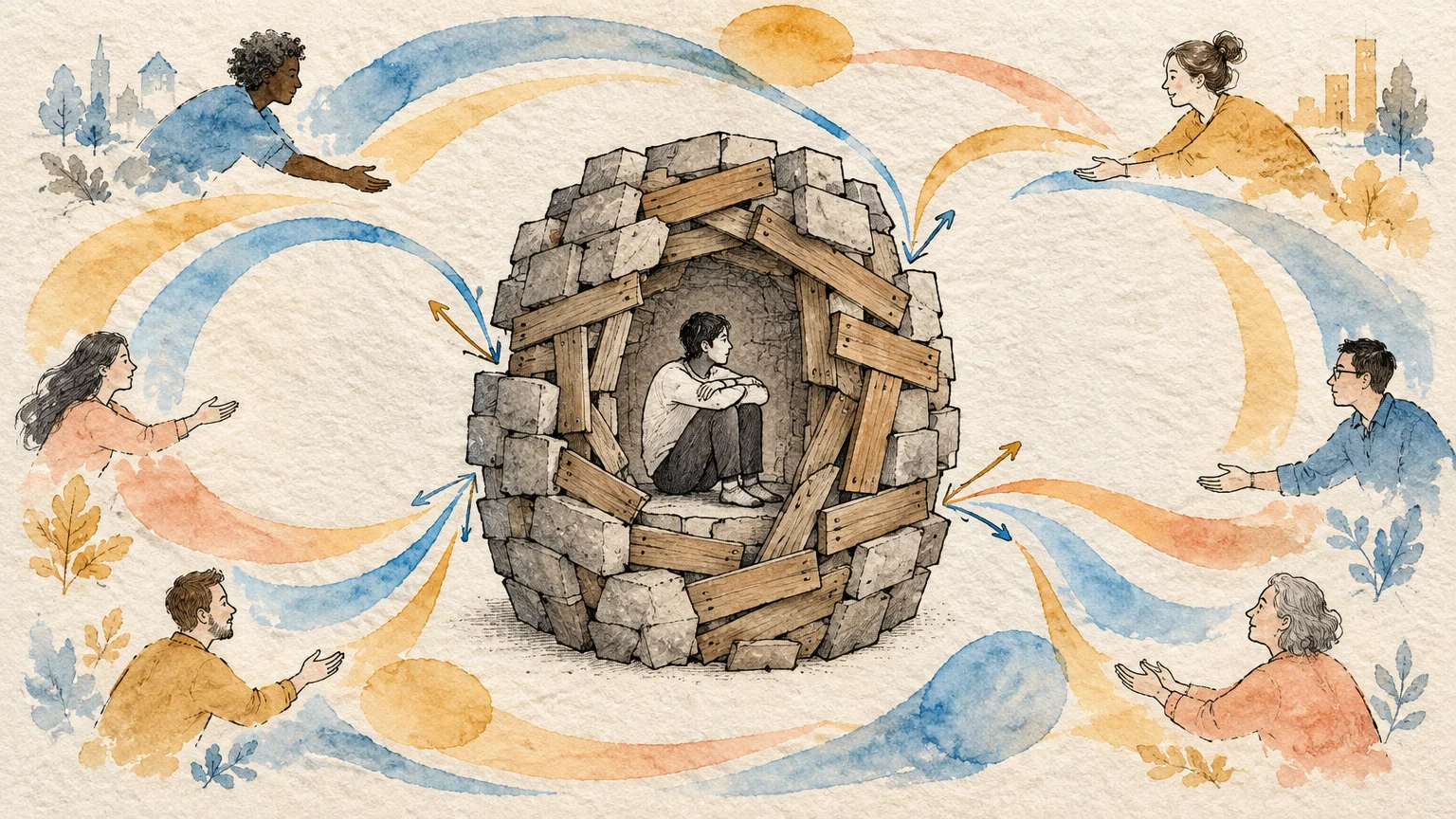
However, healthy self-reliance can turn into hyper-independence when you reject all outside assistance. In psychology, hyper-independence refers to a defensive pattern where a person refuses support, even during intense crises.
This pattern rarely develops out of arrogance. Instead, it often stems from past experiences where relying on other people brought disappointment or criticism.
When you learn that others might let you down, your mind creates a protective rule. That mental rule insists that safety requires total personal control.
Many spiritual traditions view mutual support as a sacred practice. In these traditions, giving and receiving are two sides of the same continuous circle.
When you refuse all help, you accidentally break that natural rhythm. You deny other people the spiritual joy of expressing compassion.
As you age, life brings transitions that require mutual cooperation. Trying to carry every burden alone can strain your body and quiet your spirit.
Recognizing the difference between healthy strength and defensive self-protection is your first step toward relief. You do not have to abandon your capabilities to welcome comfort into your life.
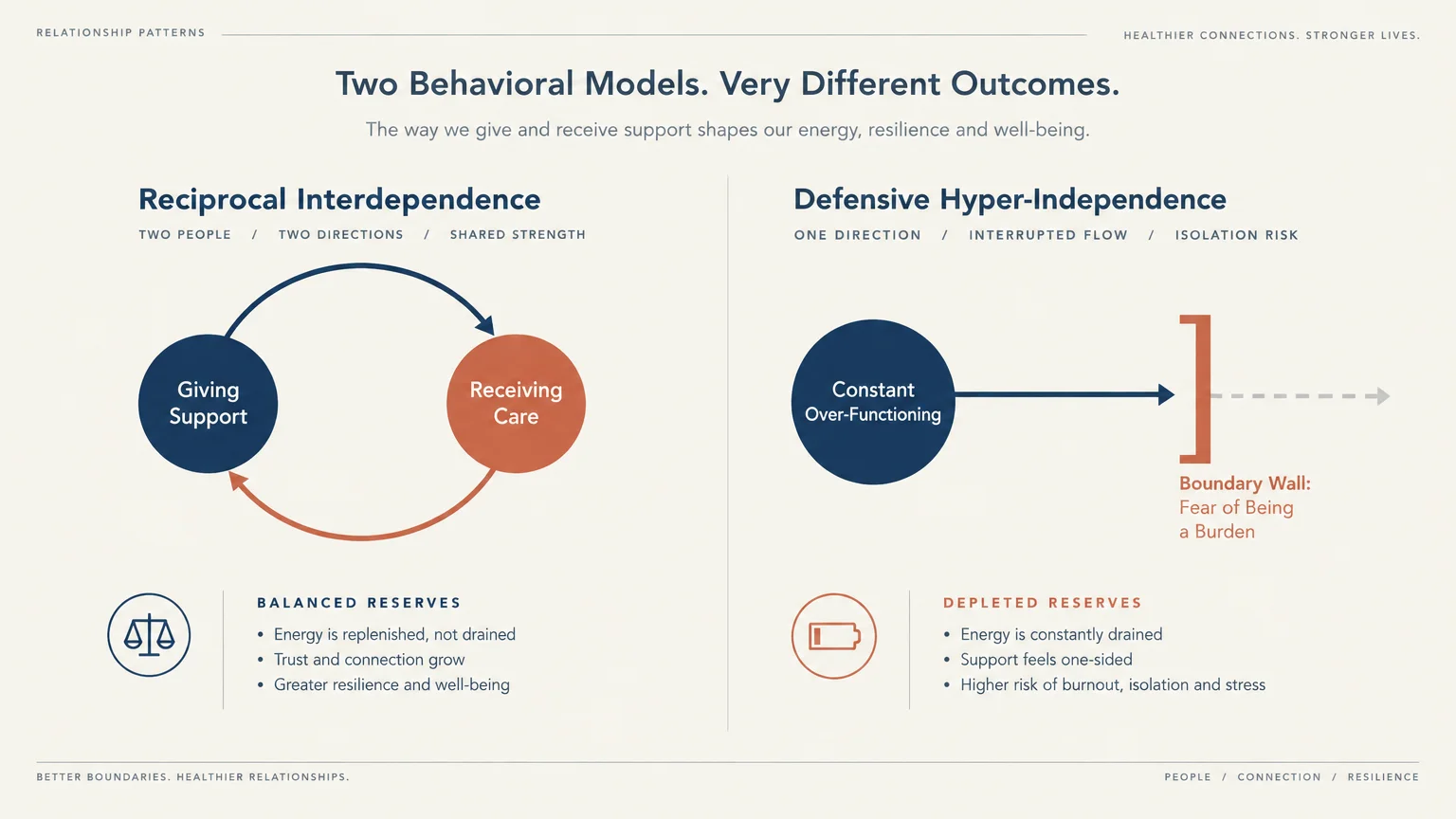
11 Traits Common in People Who Struggle to Ask for Help
Many adults live with signs of hyper-independence without realizing it. These behaviors often look like competence and efficiency on the outside.
Beneath the surface, these habits can create chronic stress and emotional fatigue. Review these eleven common traits to understand your own daily tendencies.
1. Over-functioning in Relationships
You often step forward to manage problems for your family and friends. When a crisis occurs, you naturally take charge of the logistics.
While you support everyone else, you rarely share your personal challenges. This dynamic creates an unequal partnership where you give constantly without receiving.
Over time, this imbalance depletes your emotional reserves. It also prevents the people in your life from showing you genuine care.
Actionable Practice: When a loved one faces a minor problem, pause before offering a solution. Practice listening with warm attention instead of fixing the issue for them.
2. A Fear of Being a Burden
A deep fear of asking for help often keeps you silent during difficult moments. You might worry that your needs will inconvenience your children or neighbors.
You assume everyone is already too busy or overwhelmed. Therefore, you decide that handling things in secret is the kindest option for everyone.
This thought pattern is usually an assumption rather than a current reality. Loved ones frequently want to assist you, but they need an invitation.
Actionable Practice: Notice when you assume you are an inconvenience. Replace that thought with a simple reminder: allowing others to help gives them an opportunity to show love.
3. Discomfort When Receiving Gifts or Favors
When someone offers you a gift, you may feel an immediate urge to deflect it. You might explain away your achievements or rush to return the gesture.
This reaction reveals trouble asking for support and receiving goodness. You may feel that accepting a gift creates an unpaid debt that threatens your autonomy.
Healthy relationships thrive on a gentle exchange of generosity. Accepting kindness is an act of trust, not a sign of personal weakness.
Actionable Practice: When someone pays you a compliment this week, say only “Thank you.” Resist the urge to minimize your effort or immediately return the praise.
4. Rigid Perfectionism and Need for Control
You might believe that if you want something done correctly, you must do it yourself. This mindset often leads to intense frustration with team projects or household chores.
Perfectionism can serve as a shield against anxiety. When you manage every moving part, you believe you can prevent surprises, criticism, or mistakes.
Unfortunately, this mindset leads directly to exhaustion. It leaves no room for other people to contribute their unique skills and perspectives.
Safety Cue: Notice when your high standards create unnecessary pressure. Remind yourself that a task completed adequately by someone else is often the healthiest choice for your well-being.
5. Minimizing Personal Pain or Illness
People with hyper-independence traits frequently downplay physical illness or emotional grief. You might delay scheduling doctor visits or refuse to rest during a fever.
You may tell yourself that other people suffer far worse situations. This comparison invalidates your real distress and prolongs your physical recovery.
Suppressing pain can lead to chronic inflammation and emotional burnout. Your body requires attentive care, especially as the years advance.
Actionable Practice: Write down your current physical symptoms or emotional hurts in a private journal. Acknowledge them honestly without judging yourself for feeling vulnerable.
6. Extreme Difficulty Delegating Simple Tasks
Delegating requires communication, patience, and vulnerability. For many self-reliant individuals, asking someone to run an errand feels more exhausting than doing it alone.
You might worry that the other person will secretly resent the chore. You might also worry that explaining the steps will take too much time.
This habit keeps your schedule crowded with minor obligations. It steals time that you could spend resting, praying, or pursuing creative hobbies.
Actionable Practice: Choose one low-stakes task today, such as picking up mail or preparing tea. Ask a companion or family member to handle it for you.
7. Chronic Physical Fatigue and Tension
Carrying every life responsibility produces noticeable physical sensations. You might experience chronic tension in your shoulders, clenched jaws, or disturbed sleep patterns.
When you cannot lean on anyone, your nervous system remains on alert. Your body acts as though it must defend your safety around the clock.
Rest requires a basic sense of security. You cannot fully relax if you believe dropping a single ball will cause immediate disaster.
Safety Cue: Perform a gentle body scan twice each day. Notice where you hold muscular tension, and intentionally drop your shoulders while taking three slow breaths.
8. Hidden Resentment Toward Others
Even though you refuse help, you may quietly feel irritated when nobody offers it. You might look at resting peers and wonder why no one notices your exhaustion.
This dynamic creates a painful emotional loop. You project total competence, which leads people to assume that you never need assistance.
Resentment is often an indicator of unmet needs and silent boundaries. It signals that your self-imposed isolation has reached an unsustainable level.
Actionable Practice: When you feel annoyed that someone is not helping, ask yourself an honest question. Have you clearly voiced what you need, or did you expect them to guess?
9. Tying Self-Worth to Constant Usefulness
Many adults were taught that being valuable means being useful. If you are not serving, cleaning, or producing, you may feel an uncomfortable wave of guilt.
This belief reduces your human dignity to mere productivity. It makes rest feel dangerous because inactivity threatens your sense of self-esteem.
Your worth exists outside of your daily output. You deserve care, rest, and peace simply because you exist as a human being.
Actionable Practice: Schedule thirty minutes of quiet time this week. Spend this time sitting in a garden or listening to calm music without multitasking.
10. Early Conditioning of Strict Self-Reliance
Many independent adults developed their habits during childhood. You may have had to mature quickly due to family illness, emotional absence, or unpredictability.
In those early environments, self-reliance was an intelligent survival tool. It protected you from painful disappointment and helped you navigate neglect.
However, protective strategies from childhood can become restrictive barriers in adulthood. What once kept you safe may now keep you isolated.
Actionable Practice: Spend five minutes journaling about the first time you realized you had to rely solely on yourself. Note what you needed in that moment, and remind yourself that your present environment offers more safety.
11. Emotional Seclusion Behind a Strong Exterior
People often describe you as a dependable rock for the family. Friends rely on your steady composure during life transitions and difficult times.
While dependability is an admirable quality, maintaining that mask can feel like an exhausting chore. Behind that calm exterior, you might feel unseen and alone.
True intimacy requires letting people see you when you feel uncertain or weary. Vulnerability is the bridge that creates genuine emotional connection.
Safety Cue: When a trusted friend asks how you are doing, avoid saying “I am fine.” Share one honest feeling, even if it feels slightly uncomfortable.

Why People Struggle to Ask for Help
Understanding why people struggle to ask for help can soften self-criticism. This behavior is not a personal failure or a moral flaw.
Psychologists often link hyper-independence to attachment styles and learned behavior. When emotional caretakers were inconsistent, children learned that asking for care invited rejection.
Cultural expectations also play a significant role. Society frequently praises self-made individuals and equates self-sufficiency with moral strength.
For mature adults, life transitions can intensify these self-reliant habits. Retirement, physical changes, or the loss of a spouse can create deep vulnerability.
During these significant passages, asking for support can feel like admitting a loss of competence. You might fight to prove that you can still manage everything without aid.
Cognitive patterns like confirmation bias also sustain this pattern. Confirmation bias occurs when your mind remembers instances of unreliability and forgets times when people showed genuine loyalty.
Memory salience can also distort your perception. A single painful experience of abandonment in your past can cast a long shadow over present relationships.
By identifying these internal dynamics, you can begin to question your reflexive defenses. You can gently test the belief that asking for support always leads to regret.
Practical Exercises to Welcome Daily Support
Changing lifelong habits requires patience and small, steady steps. You do not need to overhaul your entire personality in a single afternoon.
Instead, you can expand your comfort zone by inviting manageable levels of assistance into your routine. Here is a structured seven-day plan designed to build healthy trust.
A Seven-Day Gentle Practice Plan
On Monday, observe your internal reactions when someone offers a minor courtesy. Accept a held door or an elevator button press with a warm nod.
Notice if your mind rushes to apologize for being in the way. Gently release that impulse and simply enjoy the small kindness.
On Tuesday, delegate one tiny practical task at home or work. Ask a family member to pick up a single grocery item or carry a package.
Resist the urge to supervise their work or double-check their choice. Allow them to complete the chore in their own unique way.
On Wednesday, express an honest preference about a shared choice. If someone asks what you want for lunch, name a specific dish instead of deflecting.
Voicing your personal taste teaches your mind that your desires matter. It is a subtle but potent form of emotional self-advocacy.
On Thursday, practice resting for twenty minutes while minor chores remain unfinished. Allow yourself to pause even if laundry sits in the basket.
Notice any feelings of discomfort or restlessness that emerge during your rest. Breathe through those emotions without jumping up to work.
On Friday, reach out to a trusted friend with a simple check-in message. Share one real highlight and one minor challenge from your week.
Notice how sharing an ordinary struggle invites your friend to respond with warmth. This builds mutual empathy and dissolves isolation.
On Saturday, accept an offer of assistance without apologizing. If a neighbor offers to carry garden soil, say yes and offer simple thanks.
Notice that accepting help did not create an emergency or lower your dignity. It simply made your afternoon lighter and faster.
On Sunday, reflect in your journal on the past seven days. Note any moments of relief you experienced when you allowed others to share the load.
Write down three sentences describing how your body felt when you accepted support. Notice whether your shoulders or breathing felt easier.
Sample Conversation Openers for Seeking Support
Starting a conversation about your needs can feel daunting if you are out of practice. Having prepared words can ease your nervous system.
If you want to speak with a friend or adult child, try this gentle script. “I am used to handling things alone, but I am feeling stretched lately. Would you have thirty minutes this week to listen while I talk?”
Notice that this request is specific and bounded by time. It gives the other person a clear task without placing an open-ended demand on their schedule.
If you prefer speaking with a counselor, consider this approach. “I struggle to accept help, and it is draining my energy, so I would value guidance on learning to receive support.”
This opener clearly identifies your goal. It allows the professional to provide tailored support that respects your autonomy.
The Ho’oponopono Reconciliation Practice
You can also use gentle reflective practices to soften inner defenses. The traditional Hawaiian practice of Ho’oponopono offers four phrases that cultivate forgiveness and inner peace.
Sit quietly in a comfortable chair and place your hands in your lap. Repeat these phrases silently for yourself: “I am sorry. Please forgive me. Thank you. I love you.”
Use these words to release the harsh expectations you have placed on your own shoulders. Forgive yourself for carrying burdens that were too heavy to bear alone.

Safety, Boundaries, and Professional Care
Opening yourself to support does not mean ignoring common sense or giving away personal control. Healthy vulnerability requires thoughtful boundaries.
Choose carefully who you confide in during vulnerable moments. Share your inner world only with individuals who have demonstrated consistency, respect, and kindness over time.
Not everyone has the emotional maturity to handle your vulnerabilities with care. It is wise to test the waters with small disclosures before sharing deep personal hurts.
Be cautious of individuals that offer guaranteed emotional cures for high fees. Beware of any practitioner that encourages isolation from your family or demands total secrecy.
Red flags include practitioners who pressure you for large upfront payments or claim to hold exclusive healing wisdom. Ethical helpers always empower your autonomy and encourage transparent decisions.
Complementary practices like mindful breathing, guided imagery, or gentle prayer can provide emotional solace. However, these practices should never replace conventional medical care or established mental health treatments.
Find grief and coping resources at the American Psychological Association (APA) and the NIH.
Explore research on restorative rest at the Sleep Foundation.
Read about evidence-informed complementary wellness practices via NCCIH.
Find local mental health support and counseling resources at SAMHSA.
If you hire a life coach or wellness counselor, check their credentials carefully. Legitimate providers respect your pace, uphold clear ethical guidelines, and never pressure you into recurring payments.
Frequently Asked Questions About Asking for Help
Is hyper-independence considered a formal mental health disorder?
Hyper-independence is not a formal mental health diagnosis in clinical manuals. Instead, therapists recognize it as a coping mechanism or trauma response.
It often develops after an individual experiences prolonged stress or relational betrayal. While it is not an illness, addressing it can improve your overall mental wellness.
How can I tell the difference between healthy self-reliance and hyper-independence?
Healthy self-reliance involves solving problems while remaining open to outside help when tasks exceed your capacity. It feels calm, flexible, and practical.
In contrast, hyper-independence involves a rigid refusal to accept aid, accompanied by anxiety, shame, or fear. It feels tense, guarded, and isolating.
What should I do if someone lets me down after I ask for help?
Experiencing disappointment is a normal part of human relationships. If someone cannot support you, try not to view it as proof that asking is always unsafe.
Acknowledge your hurt feelings with kindness toward yourself. Then, remind yourself that one person’s limitation does not represent the willingness of everyone around you.
Why do I feel intense guilt whenever I accept assistance?
Guilt usually arises from early beliefs that your needs are burdensome or wrong. When you act against an old mental habit, your brain sends an alarm signal.
This guilt is often an echo of past conditioning rather than a reflection of present truth. With consistent practice, that uncomfortable feeling will gradually fade.
How can I ask for help without feeling weak?
Shift your perspective on what asking represents. Reaching out requires emotional courage, clear self-awareness, and honest communication.
Acknowledging your limits demonstrates maturity rather than inadequacy. Strong individuals recognize when a task requires more than one pair of hands.
Can spiritual practices help me become more receptive to support?
Contemplative traditions often emphasize interconnection and the mutual giving of grace. Practices like meditation and silent prayer can help you surrender the urge to control every outcome.
Focusing on gratitude can remind you that life is a shared journey. We are meant to support one another through life’s changing seasons.
Moving Toward Healthy Interdependence
Living without support is like trying to sail a ship across an ocean entirely by yourself. It requires exhausting effort that leaves you vulnerable to storms.
Healthy interdependence is the balance between taking responsibility for yourself and allowing others to walk alongside you. It honors your dignity while enriching your life with community.
You do not have to change your habits overnight. Lasting growth happens through small, gentle experiments in trusting safe people.
This week, identify one minor responsibility you can share with someone you trust. Notice any tension in your body, and take a slow breath as you make the request.
Track your feelings in a notebook over the coming days. Celebrate every small moment where you chose connection over isolation.
You have carried enough on your own. It is safe to rest your hands and allow the community around you to offer its strength.
Disclaimer: This article is for informational and educational purposes only. It does not provide medical, psychological, financial, or legal advice.
If you are struggling with severe grief, anxiety, or distress, consider speaking with a licensed mental health professional. If you are experiencing an emergency, contact local crisis services immediately.