
Depression often hides behind physical fatigue and quiet routines rather than overt sorrow. Recognizing depression early allows you to protect your overall health and reclaim your emotional vitality.
Many adults over fifty dismiss these gradual changes as ordinary aging or passing grief. Yet subtle depression symptoms can steadily drain your daily joy without displaying dramatic or obvious warning flags.
Understanding these easy to miss depression signs offers you practical pathways toward personal renewal. You can restore your inner harmony through thoughtful self-compassion, grounded wisdom, and steady daily practices.
Understanding Subtle Depression in Mature Adults
Depression rarely looks like a sudden collapse. Instead, it frequently creeps in as a quiet erosion of energy, patience, and motivation.
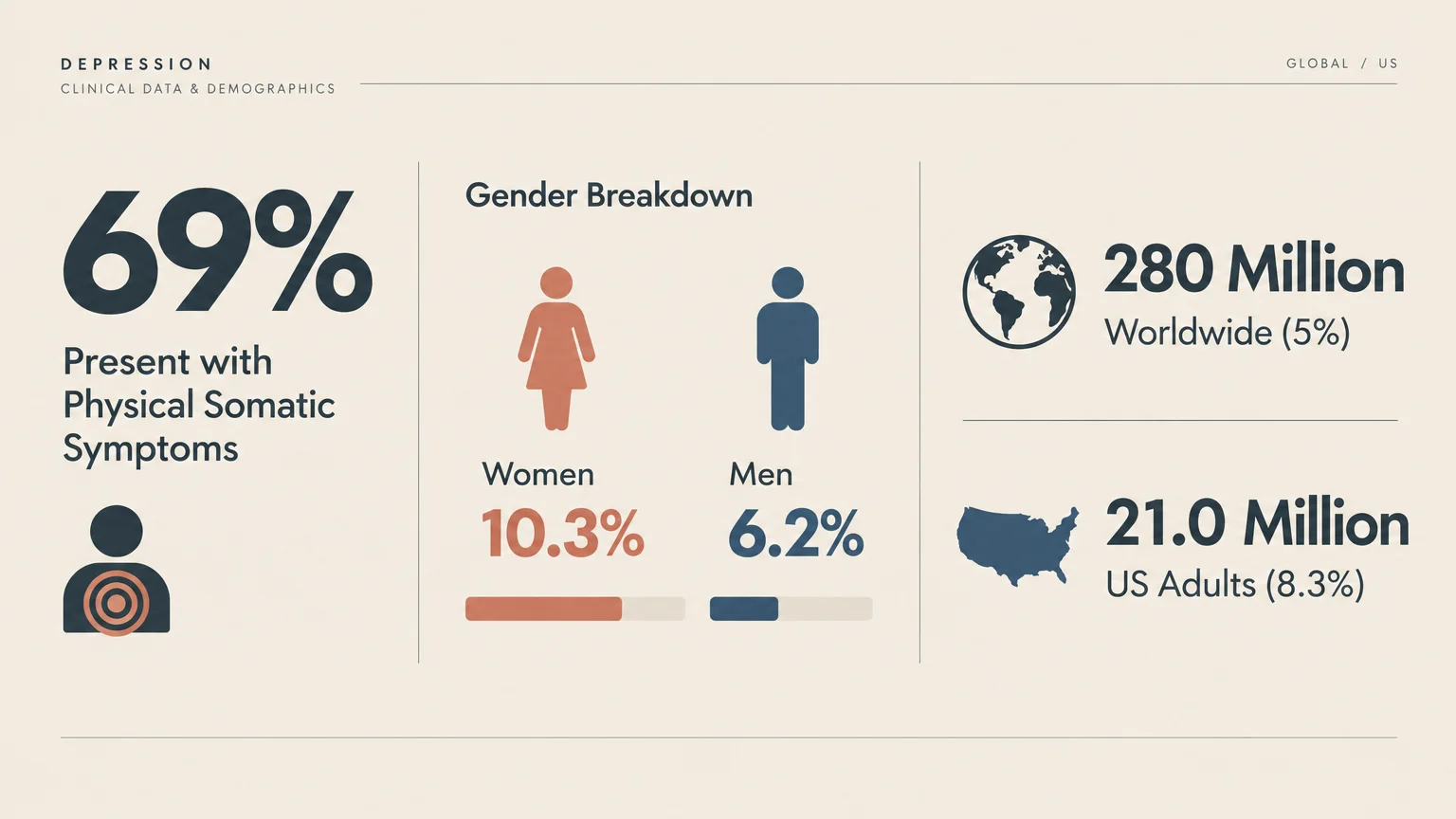
Globally, approximately 280 million people live with depressive disorders. According to the World Health Organization, this total represents roughly 5% of the adult population worldwide.
In the United States, depressive episodes affect roughly 21.0 million adults. Data from SAMHSA shows this figure accounts for 8.3% of the nation’s adult population.
Depression also impacts genders at different rates. Major depressive episodes occur in roughly 10.3% of women, compared to 6.2% of men.
Clinical providers rely on specific diagnostic standards to identify major depression. The American Psychiatric Association defines these criteria in its Diagnostic and Statistical Manual of Mental Disorders.
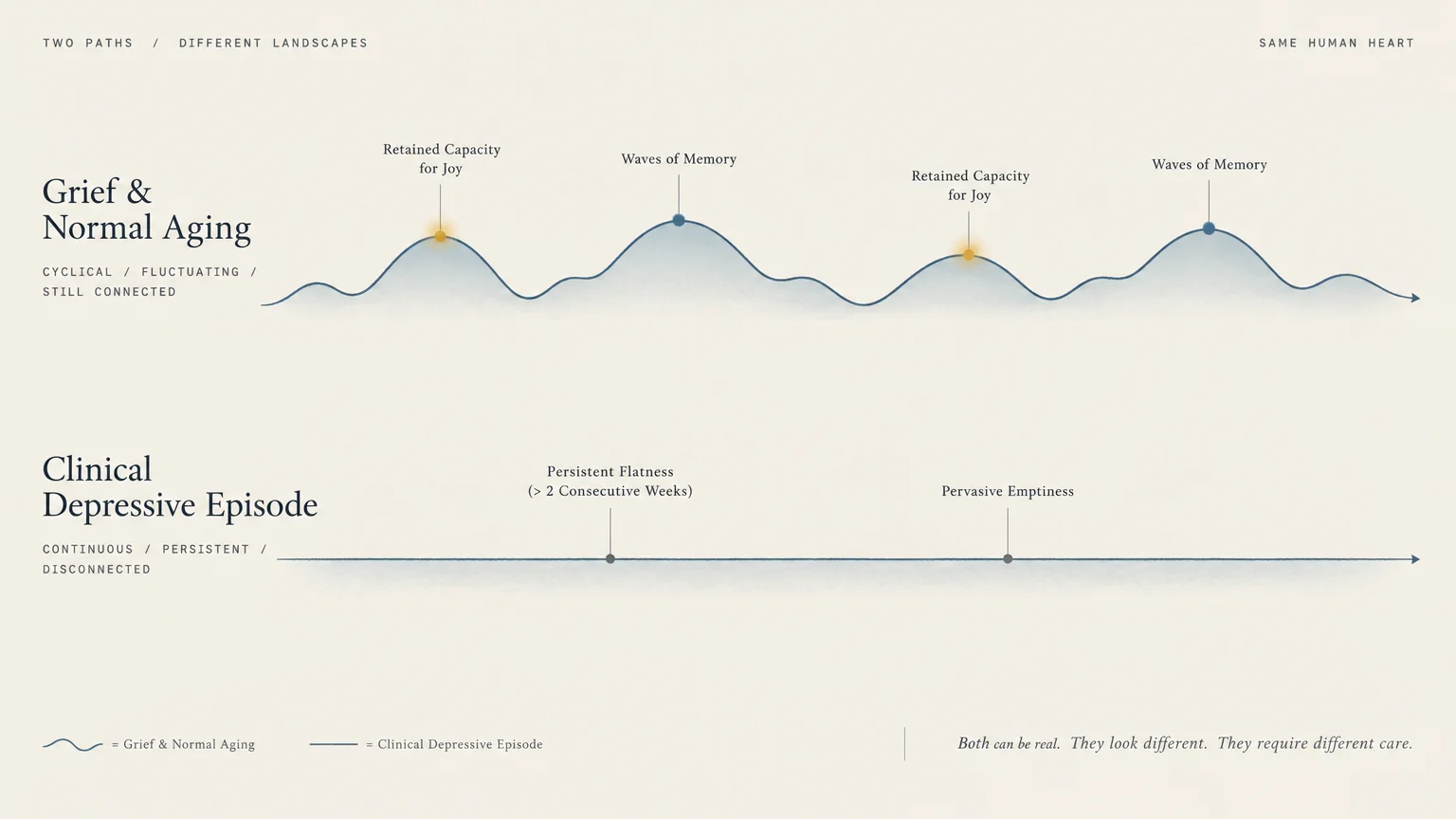
Under these guidelines, symptoms must persist for most of the day, nearly every day, for at least two consecutive weeks. This duration threshold separates temporary sadness from a clinical depressive episode.
Adults over fifty often experience depression through physical discomfort rather than tearful sadness. Clinicians call these bodily complaints somatic symptoms.
In primary care clinics, roughly 69% of depressed patients present exclusively with physical ailments. They often report chronic digestive issues, tension headaches, or joint pain to their family doctors.
Because these bodily aches mimic ordinary aging, healthcare providers frequently miss the underlying emotional distress. Recognizing depression warning signs adults experience helps you address the true root cause.
11 Warning Signs of Depression That Are Easy to Miss
Depressive symptoms can masquerade as normal fatigue, stress, or mild burnout. Paying attention to subtle behavioural shifts helps you identify hidden distress before it deepens.
1. Unexplained Aches and Somatic Tension
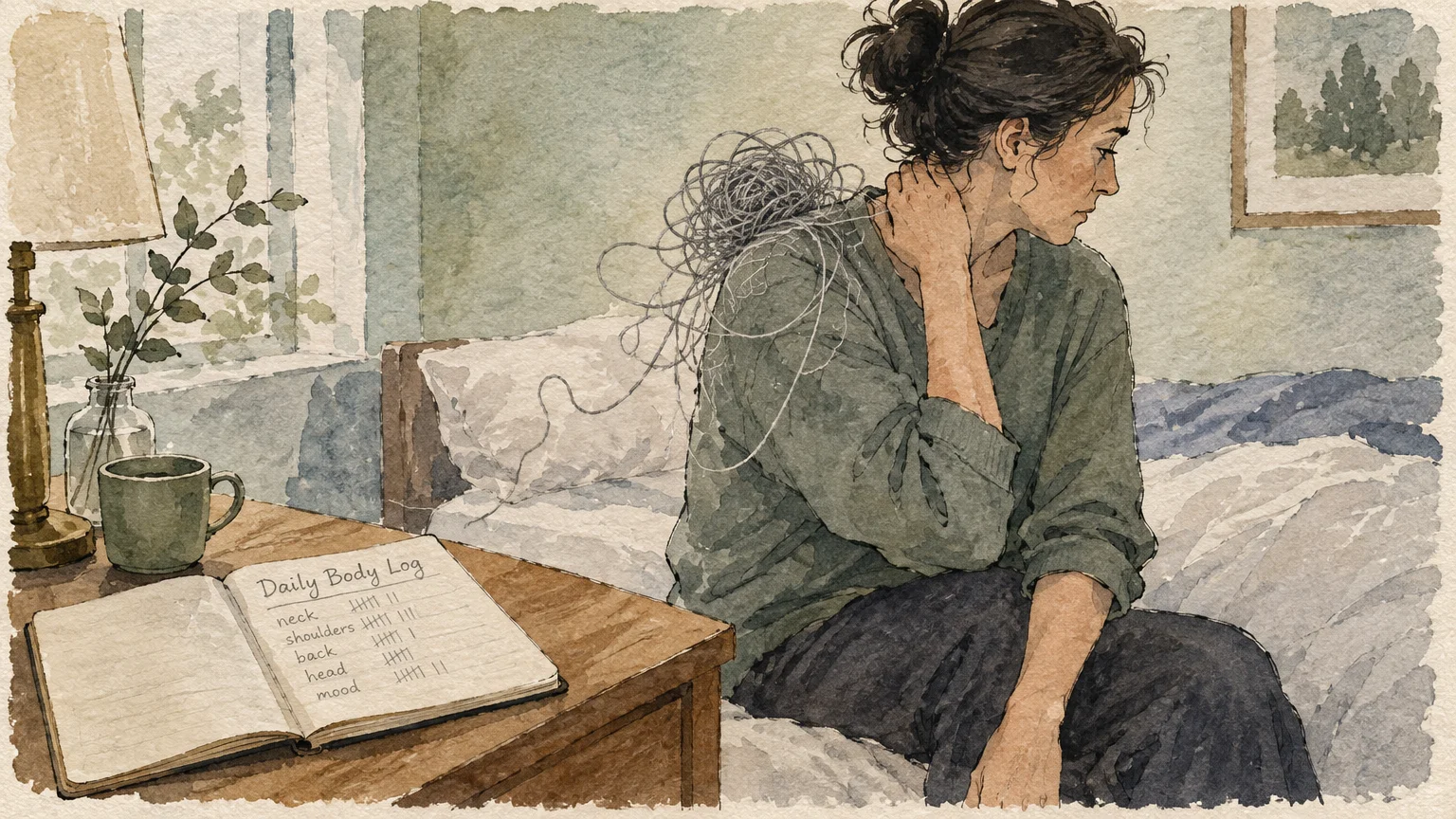
Depression alters neurochemical pathways that process physical sensation and bodily discomfort. As a result, emotional distress often translates into back stiffness, shoulder tension, or persistent digestive problems.
You might visit multiple doctors for chronic pain without finding a clear structural cause. These unexplained physical aches frequently serve as the body’s distress signal for hidden emotional strain.
Actionable practice: Keep a five-minute daily body log. Write down when your neck or stomach feels tight, and notice if emotional frustration accompanied that physical sensation.
2. Chronic Low-Grade Irritability
Depression does not always show up as weeping or obvious despair. In many mature adults, it manifests as persistent impatience, frustration, or a remarkably short temper.
You might find yourself snapping at family members over minor household mishaps. This continuous irritation often emerges because your internal emotional reserves are completely depleted.
Actionable practice: Practice the three-breath pause whenever irritation flares up. Inhale through your nose for four counts and exhale slowly for six counts before speaking.
3. Emotional Flatness and Anhedonia
You might notice that activities that once brought you deep joy now feel meaningless. Clinicians refer to this total loss of pleasure as anhedonia.
Rather than feeling intense sorrow, your emotional landscape may feel entirely gray and neutral. You might tend your garden or read a favorite book without feeling any genuine satisfaction.
Actionable practice: Try sensory micro-savoring for two minutes each afternoon. Focus your complete attention on the warmth of your tea mug or the fragrance of a blooming flower.
4. Subtle Disruptions in Sleep Architecture
Sleep changes represent one of the most reliable indicators of depressive illness. Data from the Sleep Foundation shows roughly 75% to 80% of individuals with depression experience chronic sleep disruption.
You might fall asleep easily but wake up at three in the morning with racing thoughts. Alternatively, you might sleep ten hours every night and still awaken feeling profoundly exhausted.
Actionable practice: Establish a consistent digital sunset one hour before bedtime. Turn off television screens and smartphones to protect your natural melatonin production.
5. Involuntary Shifts in Weight or Appetite
Depression directly impacts the hormones that regulate hunger, satiety, and metabolism. You might notice that food has lost its flavor, leading to skipped meals and unintentional weight loss.
Conversely, some people experience intense cravings for dense carbohydrates to soothe distressing emotions. Clinical benchmarks consider an involuntary weight shift of more than 5% within a month clinically significant.
Actionable practice: Anchor your nutrition with scheduled nourishment windows. Eat a balanced snack at the same time each day, regardless of whether your appetite feels active.
6. Clouded Focus and Lingering Indecision
Depression affects the executive control network of your brain. Consequently, making routine decisions—such as selecting a dinner recipe or paying a utility bill—can feel paralyzing.
Many mature adults mistakenly fear that this cognitive slowing signals early dementia. In many cases, treating the underlying depressive episode restores clear mental focus and memory recall.
Actionable practice: Use the “Rule of Two” when everyday choices overwhelm you. Limit your options strictly to two possibilities, set a sixty-second timer, and choose the first option.
7. Gradual Social Slipping
Hidden signs of depression rarely trigger sudden, dramatic isolation. Instead, they usually unfold as a quiet, gradual withdrawal from friends, family, and beloved social groups.
You might decline dinner invitations or let incoming telephone calls ring through to voicemail. You tell yourself you are simply tired, but this pattern slowly cuts off your support systems.
Actionable practice: Send one low-effort connection text each morning. A short message wishing a friend a peaceful day maintains your social bond without draining your energy reserves.
8. Heavy Guilt and Chronic Self-Blame
An internal barrage of self-criticism often marks subtle depression symptoms. You may find yourself constantly apologizing for minor inconveniences or feeling responsible for other people’s bad moods.
This disproportionate guilt distorts your past memories and magnifies small mistakes from decades ago. You may begin viewing yourself as an emotional or financial burden to your loved ones.
Actionable practice: Write down your self-critical thought and reframe it with gentle compassion. Ask yourself if you would ever direct that harsh statement toward a beloved lifelong friend.
9. Compulsive Busyness and Work Distraction
Some adults respond to internal distress by cramming their schedules with endless tasks. You might volunteer for extra committee projects, clean obsessively, or run constant errands.
This relentless activity serves as an avoidance strategy. Keeping your mind occupied prevents uncomfortable feelings of emptiness, grief, or dread from rising into conscious awareness.
Safety cue: Schedule a daily ten-minute window of quiet stillness. Sit in a comfortable chair without phones, books, or chores to check in honestly with your emotional state.
10. Slumping Personal Care and Home Maintenance
Easy to miss depression signs often show up quietly in your living environment. You might leave clean laundry unfolded for weeks or let dirty dishes accumulate in the sink.
Personal grooming habits might also slide without you realizing it. These delays do not indicate personal laziness; rather, they reveal that your brain lacks the energy required for task initiation.
Actionable practice: Practice the “Single Surface” technique every morning. Clear and wipe down just one countertop or side table to create a small island of visual calm.
11. A Lost Sense of Spiritual Vitality
For spiritually minded adults, depression frequently feels like a profound existential void. Sacred practices that once provided deep solace—such as silent prayer or nature walks—may suddenly feel completely hollow.
You might feel abandoned by your higher power or question whether your life holds enduring value. Recognizing this spiritual dryness as a symptom of depression prevents you from abandoning your core values.
Actionable practice: Try a five-minute sensory grounding walk outdoors. Step slowly on the lawn or garden path, feeling the stable earth beneath your feet without forcing any spiritual expectations.
Distinguishing Depression from Grief and Ordinary Aging
Mature adults often find it difficult to tell the difference between normal aging, bereavement, and clinical depression. Teasing these experiences apart ensures you receive appropriate care and support.
Grief typically arrives in waves, triggered by specific memories, dates, or personal reminders. Between these waves of sorrow, grieving individuals still retain their capacity for laughter, warmth, and connection.
In contrast, clinical depression casts a constant, static gloom over all daily experiences. Self-esteem remains largely intact during healthy bereavement, whereas depression attacks your self-worth with harsh criticism.
Normal aging changes physical stamina, but it does not diminish your fundamental curiosity or zest for living. Depression robs you of your vital spark regardless of your chronological age.
Depressed thinking is heavily influenced by a cognitive pattern known as confirmation bias. Confirmation bias is the brain’s tendency to notice information that confirms negative beliefs while ignoring positive evidence.
Another common cognitive pattern involves memory salience. When you feel emotionally low, your mind effortlessly pulls painful memories into focus while obscuring joyful recollections.
Grief and coping resources at the American Psychological Association and NIH offer research-backed guidance on emotional health. Consulting these organizations provides clear benchmarks for normal emotional transitions.

Gentle Daily Practices to Support Mind and Spirit
Supporting your mental wellbeing does not require dramatic lifestyle overhauls. Small, consistent rituals can ground your nervous system and gently restore emotional equilibrium.
You can weave gentle practices into your routine using a simple seven-day framework. This approach requires no financial investment and respects your daily physical limits.
On Monday, step outdoors within thirty minutes of waking. Expose your eyes to gentle natural sunlight for ten minutes to reset your circadian clock.
On Tuesday, practice intentional breath regulation. Breathe in through your nose for four counts, pause briefly, and release your breath through parted lips for six counts.
On Wednesday, take a slow mindfulness stroll through your neighborhood or local park. Notice three distinct shapes, colors, or textures in nature that you usually overlook.
On Thursday, engage in supportive reflective writing. Complete the prompt: What is one small, kind action I can offer my body today?
On Friday, reach out to a trusted companion for a short conversation. Share a pleasant memory or simply ask how their week unfolded.
On Saturday, explore the traditional Hawaiian practice known as Ho’oponopono. Silently repeat the four grounding phrases toward yourself: I am sorry; please forgive me; thank you; I love you.
On Sunday, honor your need for restorative rest. Drink a warm mug of herbal tea, reduce your obligations, and let your body recover without guilt.
Complementary practices via NCCIH offer evidence-based insights into mindfulness, gentle yoga, and meditation. Exploring these resources ensures your personal wellness habits rest on credible scientific foundations.
Daily journaling also provides emotional clarity when feelings become overwhelming. Try answering this prompt: When did I feel most safe and grounded during this past week?

Boundaries, Safety, and Seeking Professional Guidance
Navigating emotional vulnerability requires strong personal boundaries. Many commercial programs target hurting people with expensive retreats, unverified cleanses, and grand spiritual promises.
Protect your emotional and financial safety by watching for clear warning signs. Be cautious of practitioners who pressure you for large upfront payments or demand absolute secrecy.
Legitimate healers and counselors never ask you to stop prescribed medical treatments. Spiritual exploration must complement evidence-based medical care rather than replace it.
Budget-conscious seekers should prioritize accessible options. Local community centers, public libraries, and faith organizations frequently host free support groups and educational workshops.
If you suspect you are experiencing depression, schedule an appointment with your primary care physician. Preparing a conversation script ahead of time can make opening up much easier.
Here is a sample conversation opener: Doctor, I have noticed persistent fatigue, irritability, and sleep trouble over the past month. I would like to explore whether these symptoms could stem from depression.
Your doctor can perform basic blood tests to rule out thyroid imbalances or vitamin deficiencies. These routine lab panels ensure that physical illnesses do not masquerade as emotional conditions.
Mental health support and resources at SAMHSA can help you locate licensed therapists in your area. They provide confidential directories for counseling options suited to your financial situation.
If you or someone you love experiences acute emotional distress or thoughts of self-harm, immediate help is available. Dialing or texting 988 connects you directly to the Suicide and Crisis Lifeline.
This free service operates 24 hours a day across the United States and Canada. Compassionate crisis counselors stand ready to provide immediate, confidential support at any hour.
Frequently Asked Questions About Hidden Depression
Can depression cause severe physical pain without feelings of sadness?
Yes, somatic symptoms are common. Neurotransmitters like serotonin and norepinephrine regulate both mood and physical pain signals, so emotional distress frequently manifests as chronic backaches or stomach distress.
How can I tell the difference between normal aging fatigue and depression?
Physical fatigue from normal aging improves after adequate rest, sound sleep, and good nutrition. Depressive exhaustion remains heavy and persistent regardless of rest, often accompanied by emotional detachment or irritability.
Is anhedonia a permanent condition?
No, anhedonia is not permanent. It reflects temporary neurochemical dysregulation within your brain’s reward processing pathways, which typically recovers as the underlying depressive condition receives appropriate treatment.
Why do men over fifty experience irritability rather than tears when depressed?
Social conditioning often leads men to suppress feelings of sadness, vulnerability, or grief. Consequently, their emotional pain frequently channels outward as frustration, impatience, or compulsive busyness.
How can I support a spouse who displays these subtle signs?
Approach your partner with gentle, non-judgmental curiosity rather than clinical labels. Mention specific observations kindly, and offer to accompany them to a routine medical checkup.
Next Steps for Your Emotional and Spiritual Wellness
Recognizing depression warning signs adults experience is an act of courage and self-compassion. You do not have to carry unexplained fatigue, numbness, or chronic frustration alone.
Begin by tracking your daily physical sensations and emotional patterns for seven days. Notice whether your energy dips at particular hours or after specific activities.
Schedule a routine consultation with your primary physician to discuss your physical symptoms openly. Rule out underlying physiological conditions like thyroid dysfunction or severe vitamin D deficiency.
Choose one small grounding habit to practice every day, such as morning sunlight or mindful breathing. Small, steady routines build a reliable foundation for nervous system renewal.
Reach out to a trusted companion, licensed therapist, or faith leader to share your internal experience. Speaking your truth aloud dissolves isolation and invites comforting support into your life.
Medical Disclaimer: This article is provided for informational and educational purposes only and does not constitute medical, psychological, financial, or legal advice.
If you are struggling with persistent emotional distress, grief, or sleep disturbances, consult a licensed healthcare professional. In the event of a mental health crisis, call or text 988 immediately.