7 Signs of a Toxic Family Dynamic
Recognizing the warning signs of family dysfunction allows you to assess your relationships with objective clarity. The following seven patterns highlight systemic relational problems rather than ordinary, temporary disagreements.
Review each pattern with self-compassion. Each sign includes an actionable practice to help you restore balance and self-respect in your daily routine.
1. Chronic Boundary Violations
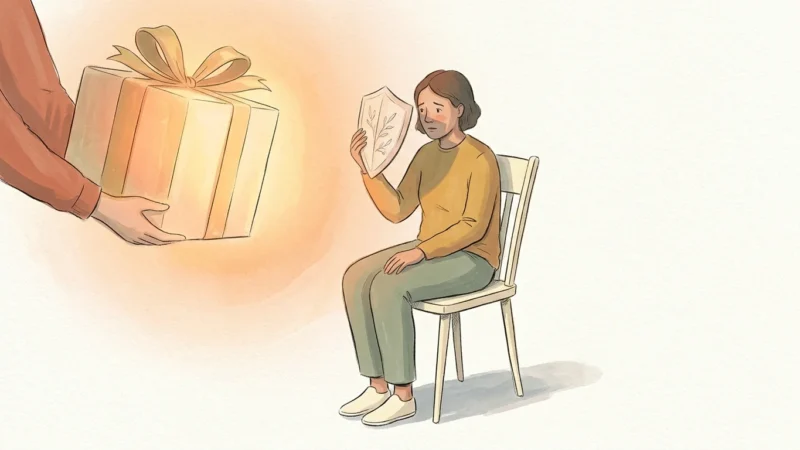
Unhealthy families often treat personal boundaries as acts of betrayal or hostility. Family members may drop by uninvited, demand access to your private finances, or share your confidential stories.
In these systems, independence threatens the collective control of the group. Relatives may mock your privacy or insist that family members should never keep personal secrets.
Healthy relationships always adapt when someone requests space or privacy. Chronic violators ignore your polite requests and continue to overstep your clear limits.
Actionable Practice: Use a clear and direct boundary statement during your next interaction. Say calmly: I am not available to discuss this topic, so let us talk about something else.
Observe your internal emotional state after you speak. Notice that stating your limit requires no justification, debate, or apology.