Frequently Asked Questions About Letting Go
Does letting go mean I stop caring about my life?
No, letting go does not mean emotional detachment or apathy. It means you stop tying your self-worth and happiness to specific outcomes. You still care deeply, but you act without desperate attachment.
You take responsible steps toward your goals while accepting that unexpected factors exist. This healthy perspective frees you from chronic disappointment. You engage with life with open curiosity.
How do I know the difference between healthy planning and control?
Healthy planning brings clarity, calm focus, and flexibility. It prepares you for future steps while leaving room for change. Controlling behavior stems from anxiety and feels rigid, urgent, and emotionally heavy.
When a plan changes, a healthy planner adapts without losing their temper. A controlling person feels angry, panics, or forces their original plan. Monitoring your emotional reaction reveals your underlying motivation.
Why does releasing control feel uncomfortable at first?
Your nervous system often perceives control as a protective survival mechanism. When you begin to let go, your brain may interpret uncertainty as a potential danger. This natural discomfort is simply an adjustment phase.
With consistent practice, your body learns that uncertainty is not an emergency. You discover that you can remain safe even when outcomes remain unknown. The initial discomfort gradually transforms into deep peace.
Can relinquishing control improve my relationships?
Yes, stepping back from controlling others dramatically improves communication and intimacy. When you stop giving unsolicited advice, friends and family feel respected and valued. This respect fosters genuine emotional closeness.
Allowing others to take ownership of their choices eliminates hidden power struggles. You share authentic moments rather than managing logistics. Relationships become a source of mutual joy rather than exhaustion.
What should I do if my anxiety returns?
Emotional growth is rarely a straight line. When old habits of control return, observe them without self-judgment. Acknowledge your fear and return to simple grounding breaths.
Remind yourself that healing takes time and gentle repetition. If anxiety continues to interfere with your daily routine, consider speaking with a licensed therapist. Professional support provides tailored tools for long-term emotional balance.
How does letting go affect physical health?
Releasing chronic control reduces the continuous production of stress hormones like cortisol and adrenaline. Lower stress levels support cardiovascular health and boost your immune function. Your body naturally enters a state of restoration.
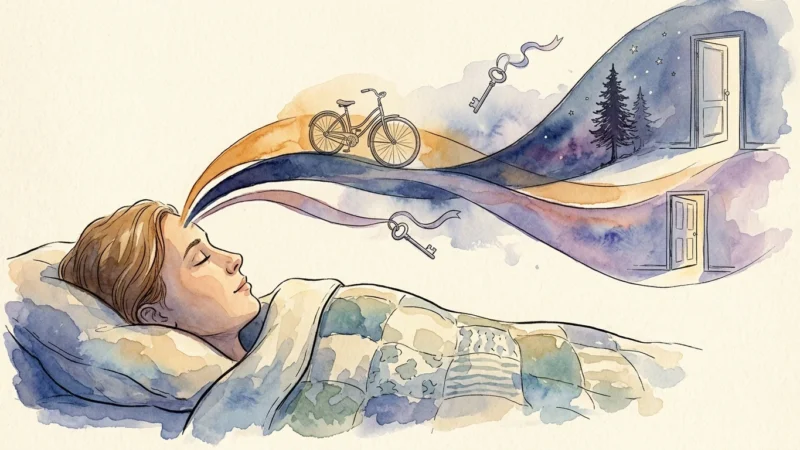
Many people report fewer tension headaches, improved digestion, and more restful sleep. Relaxing your mental grip directly benefits your physical body. Emotional surrender supports whole-body vitality.