9 Signs You’re Releasing the Need to Control
Maturing emotionally brings quiet changes to your daily thoughts and habits. You might not notice these subtle shifts right away. Recognizing these letting go of control signs validates your ongoing inner growth.
1. You Pause Before Reacting
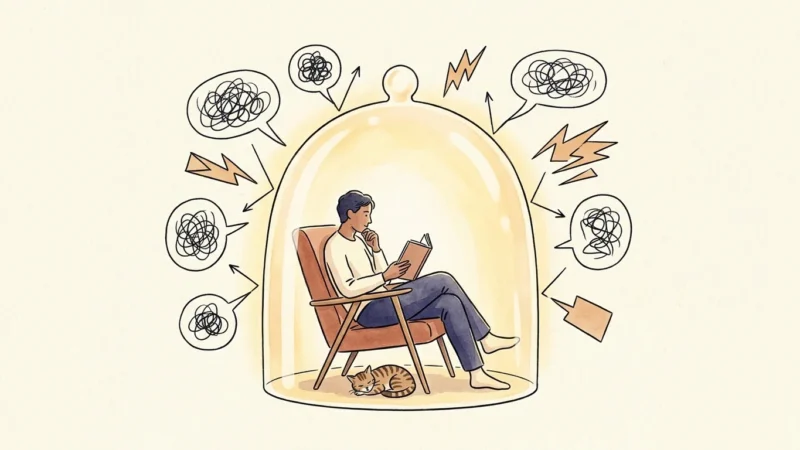
In earlier years, sudden news might have triggered an urgent rush to intervene. You felt responsible for fixing disruptions immediately. Now, you take a deliberate breath before offering an opinion or taking action.
This intentional pause breaks the cycle of automatic reactivity. You realize that most situations do not require an instant solution. Stepping back allows you to respond with wisdom rather than anxiety.
This calm hesitation protects your nervous system from unnecessary stress spikes. You preserve your energy by observing before you engage. Over time, this habit creates a profound sense of inner composure.
Mindful Check-In: When unexpected news arrives, place one hand over your heart. Count four slow breaths before you speak or send a message.
2. You Allow Others to Solve Their Own Problems
You no longer feel compelled to rescue adult children, partners, or friends from challenges. You recognize that difficult moments provide essential opportunities for their personal growth. Allowing others to manage their responsibilities shows deep respect for their capabilities.
Stepping back can feel uncomfortable when you care deeply about someone. However, managing other people creates hidden resentment and emotional fatigue. Healthy boundaries protect your wellbeing while honoring their autonomy.
You now offer supportive listening instead of uninvited advice. You trust that loved ones possess the strength to find their own solutions. This hands-off approach strengthens your relationships.
Actionable Practice: When a friend shares a dilemma, ask a clarifying question. Try asking, “Would you like my advice, or would you prefer a listening ear?”
3. Your Body Holds Less Daily Tension
The physical body keeps a clear record of your emotional demands. When you attempt to control everything, your shoulders rise and your jaw clenches. As you release the need to manage outcomes, physical tightness begins to dissipate.
You may notice deeper breathing throughout the day and softer muscles at rest. Your sleep often becomes more restful and restorative. Physical ease is one of the clearest signs you’re releasing the need to control.
Chronic stress hormones decline when you stop anticipating every possible problem. Your digestive system functions more smoothly, and your blood pressure stabilizes. Emotional release brings tangible physical healing to your daily life.
Body Scan Habit: Pause every afternoon to check your posture. Drop your shoulders away from your ears, relax your jaw, and exhale completely.
4. You Make Space for Imperfect Plans
Life rarely follows a rigid schedule. In the past, a canceled reservation or unexpected traffic might have ruined your entire day. Today, you navigate schedule changes with gentle flexibility.
You understand that rigid expectations create unnecessary distress. When circumstances shift, you adjust your plans rather than fighting reality. This flexibility keeps your mood light and steady.
Letting go of perfectionism allows you to discover unexpected joys. A detour often leads to a pleasant surprise or a memorable conversation. You welcome the beauty of life’s unscripted moments.
Journal Prompt: Write about a recent plan that fell apart. Note how your calm response helped you find an alternative path forward.
5. You Stay Centered During Unexpected Delays
Waiting in long lines or sitting in slow traffic once caused sharp irritation. You felt that every delay robbed you of valuable time. Now, you view these pauses as natural moments of quiet.
You no longer waste vital energy fighting situations you cannot alter. Instead, you use the waiting time to observe your surroundings or enjoy quiet contemplation. Impatience fades as acceptance deepens.
This inner calm signals that you are no longer chained to rigid timelines. You trust that you will arrive when you need to arrive. Your day flows with far less friction.
Safety Cue: When irritation surfaces during a delay, remind yourself that the delay is neutral. Your emotional reaction is the only factor within your control.
6. You Choose Quiet Peace Over Being Right
Defending your viewpoint in every conversation is emotionally draining. As you relinquish control, you lose the urge to win every minor debate. You value personal tranquility far more than proving a point.
You can hear differing perspectives without feeling attacked or defensive. Allowing other people to hold their own beliefs brings immense relief. You save your energy for constructive interactions.
This shift reflects a secure self-worth that does not depend on external validation. You let others have the last word without feeling diminished. Peace becomes your highest relational priority.
Reflective Habit: In a disagreement, repeat this silent phrase: “My peace of mind is worth more than this argument.” Notice the instant relief in your chest.
7. You Welcome Life in the Present Moment
A controlling mindset lives constantly in the future, anticipating potential problems. When you let go, your attention settles gently into the present hour. You notice the warmth of your morning tea and the sounds of nature.
Staying present silences the anxious mental habit of constant forecasting. You experience life as it actually happens rather than through imagined worries. Each day feels richer and more grounded.
Mindfulness research shows that present-moment awareness significantly lowers emotional distress. By living here and now, you engage fully with the people around you. Gratitude emerges naturally from this attentive state.
Grounding Exercise: Name five objects you see, four textures you feel, and three sounds you hear. This simple exercise pulls your focus right back to the present moment.
8. You Ask for Support Without Hesitation
Believing you must handle every burden alone is a subtle form of control. When you release this exhausting habit, asking for assistance feels natural and healthy. You welcome support from friends, family, and professionals.
Accepting help does not make you a burden to others. Instead, it invites authentic community and relieves excessive daily pressure. You recognize that human beings are designed for mutual cooperation.
Stepping out of self-reliance allows others to express their generosity. It creates balance in your relationships and prevents burnout. You receive support with an open and thankful heart.
Action Step: Choose one household task or errand that feels heavy this week. Ask a friend, family member, or neighbor to assist you with it.
9. You Rely on Your Resilience Instead of Certainty
You cannot predict every twist in the road ahead. However, you know you possess the inner resources to face whatever unfolds. This self-trust replaces the anxious hunger for absolute certainty.
You have survived painful losses and difficult seasons in the past. Remembering your past resilience reminds you of your inherent strength. You move forward with quiet confidence rather than fear.
Living without absolute guarantees becomes an opportunity for courage. You trade the illusion of control for genuine self-reliance. This trust is the ultimate foundation of enduring peace.
Affirmation Prompt: Write in your daily journal: “I do not need to control the future. I trust my ability to navigate the next step.”