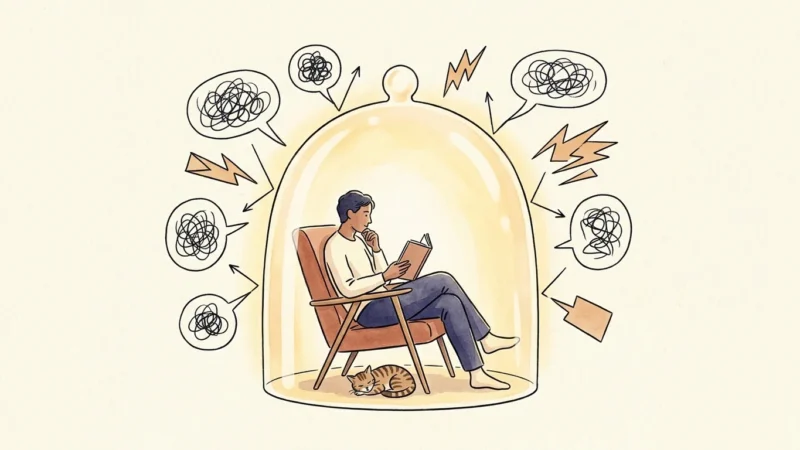
Healthy Boundaries and Emotional Safeguards
Major life transitions often trigger an intense desire to grip circumstances tightly. Bereavement, illness, or major lifestyle changes make life feel fragile and unpredictable. Treating yourself with patience during these seasons is essential for healing.
Be cautious with spiritual workshops or coaching programs that offer absolute guarantees. Avoid practitioners who demand large upfront fees, enforce secrecy, or claim to fix all life problems. Authentic guidance always respects your personal boundaries and common sense.
Never replace necessary medical care or mental health treatment with informal wellbeing techniques. Emotional release practices work best alongside professional clinical care. Protecting your physical and psychological safety is always your top priority.
You can find dependable grief and coping resources at the American Psychological Association (APA) and NIH. These organizations offer evidence-based materials for managing difficult life transitions.
If persistent worry disrupts your nightly rest, review sleep facts at the Sleep Foundation. Quality sleep restores your brain’s capacity to regulate intense emotions.
For safe wellness practices, consult the NCCIH. You can also access confidential mental health support and resources at SAMHSA.
If you feel overwhelmed by the need to control, reach out to a professional counselor or trusted faith leader. You can begin the conversation with a simple script. Try saying: “I have been carrying excessive stress lately, and I want help learning to let go emotionally.”