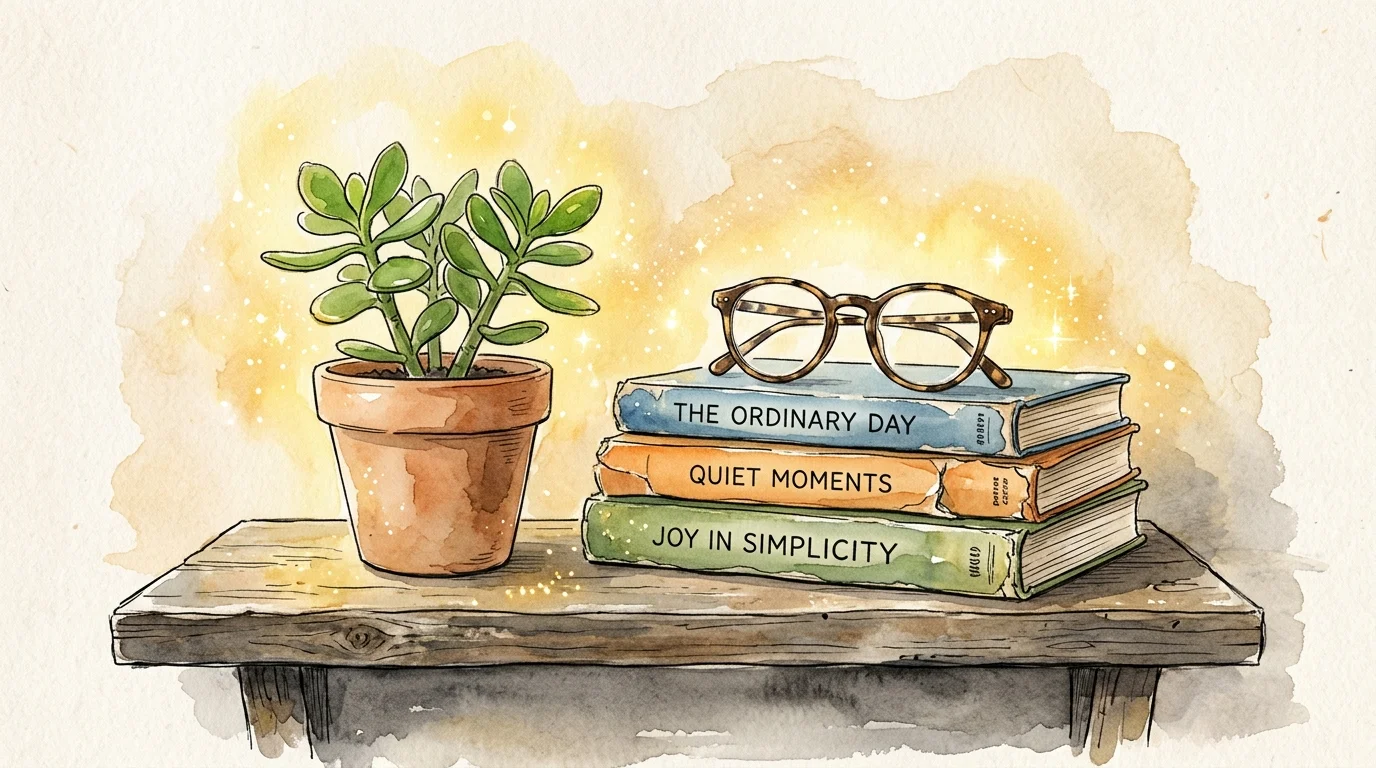
9 Signs You’re Exactly Where You’re Supposed to Be Right Now August 6, 2026 · Mind & Body A potted plant and stacked books with glasses remind us to find joy in simplicity. 9 Signs You’re Exactly Where You’re Supposed to Be Right Now Pages: 1 2 3 4 5 6 7 8 9 10 11 12 13 14 15 16 17 18 19 20 Share this article Facebook Twitter Pinterest LinkedIn Email
Feeling Like You Don’t Belong Anywhere? Here Are 8 Reasons Why! Here are the most common reasons you feel you don’t belong anywhere! It’s so hard… Read More →
8 Habits That Quietly Rob You of Everyday Happiness Learn how to identify 8 habits that quietly rob you of everyday happiness and discover… Read More →
8 Traits of People Who Are Hard to Read Discover the 8 psychological traits of hard to read people and learn practical, gentle ways… Read More →
7 Traits of People Who Read a Room Well Discover the seven key traits of people who read a room well, along with gentle… Read More →
8 Common Stereotypes About Introverts That Aren’t True Discover the truth behind 8 common stereotypes about introverts, grounded in science, with practical steps… Read More →
9 Signs of Passive-Aggressive Behavior Discover 9 signs of passive-aggressive behavior and learn practical ways to set boundaries, protect your… Read More →
8 Body Parts Where Moles Bring Good Fortune Did you know that moles bring good fortune? You’ve probably noticed a mole on your… Read More →
What’s The Deal With Spirit Animals? 8 Facts Explained How Do You Find Your Spirit Animal? Keep an eye out for the animal or… Read More →
7 Signs You’re Living With More Gratitude Than You Realize Discover 7 subtle signs you are living with more gratitude than you realize, along with… Read More →