Interpreting Body Language Cues
Nonverbal signals often reveal more than spoken words. Your body reacts automatically to internal stress. These physical responses can contradict a verbal message.
Observing body language requires a calm and attentive mindset. You should look for clusters of behaviors rather than isolated gestures. A single fidget does not automatically indicate deceit.
Establishing a Baseline
You must understand how a person behaves normally. This normal behavior is their physical baseline. Everyone has unique quirks and conversational rhythms.
Some people are naturally restless or avoid eye contact. You should not judge these natural traits as signs of dishonesty. Changes from their baseline are the true indicators.
Notice how they act when discussing neutral topics. Compare this behavior to their reactions during difficult conversations. Significant deviations suggest internal discomfort or stress.
Eye Contact and Facial Expressions
Eye contact is a complex element of detecting lies. Many people believe liars cannot look you in the eye. A skilled deceiver might maintain rigid eye contact instead.
You should watch for natural breaks in eye contact. Honest people look away to gather their thoughts. Unnatural staring can indicate a rehearsed performance.
Micro-expressions offer fleeting glimpses of true emotion. These brief facial movements occur before a person can control them. You might catch a flash of anxiety masking a reassuring smile.
Posture and Gestures
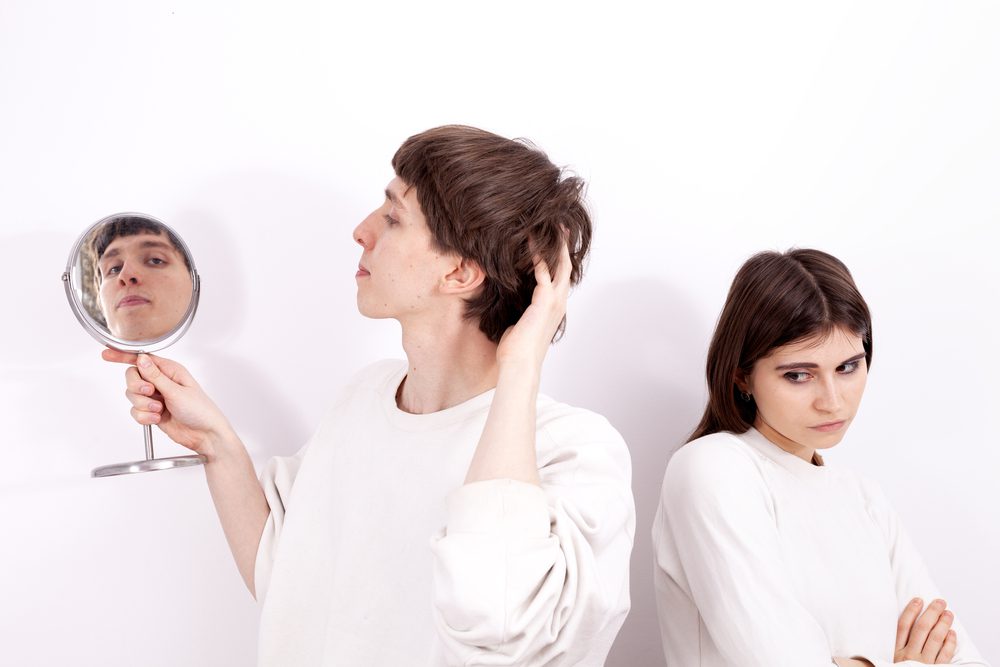
Physical tension often accompanies an altered truth. A person might cross their arms or turn their body away. This closed posture signals a subconscious desire to protect themselves.
Honest individuals usually display an open and relaxed posture. They lean forward and engage physically with the conversation. Their gestures naturally match their spoken words.
Watch for pacifying behaviors during stressful moments. A person might touch their neck or adjust their clothing frequently. These actions help them soothe their own nervous energy.