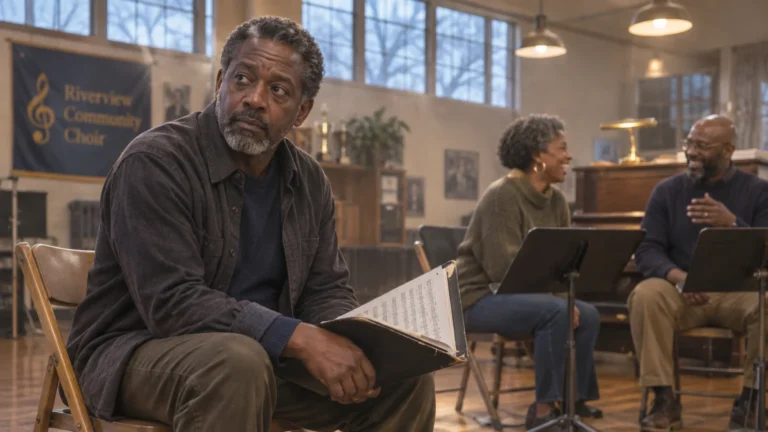
Final Reflections and Grounded Actions
Learning to navigate honesty is a lifelong personal journey. You will encounter moments of confusion and moments of profound clarity. Be patient with yourself as you develop these observational skills.
True connection thrives in the space between compassion and truth. You can protect your heart while remaining open to authentic relationships. Honor your need for both reality and gentle care.
Your Next Steps
You can begin applying these insights today with a few concrete actions. First, start a simple observation journal this evening. Note one conversation where you felt someone offered false reassurance.
Second, practice establishing a baseline with one close friend this week. Watch their posture and eye contact during a relaxed chat. Do not analyze their words; simply observe their natural rhythm.
Third, prepare a safe conversation opener for future use. Write down a phrase that invites honesty without pressure. Memorize this phrase so it feels natural when you need it.
Finally, track your own emotional triggers around difficult truths. Notice when you feel tempted to accept a comforting lie. Awareness of your own vulnerability is a profound strength.
A Note on Your Well-being
This article is for informational purposes only. It does not replace professional medical, psychological, financial, or legal advice. Navigating trust and relationship dynamics can be emotionally taxing.
If you are struggling with intense grief or anxiety, seek support. Consider speaking with a licensed mental health professional or a trusted faith leader. Seek urgent help immediately if you are in crisis.