Recognizing Verbal Honesty Signs
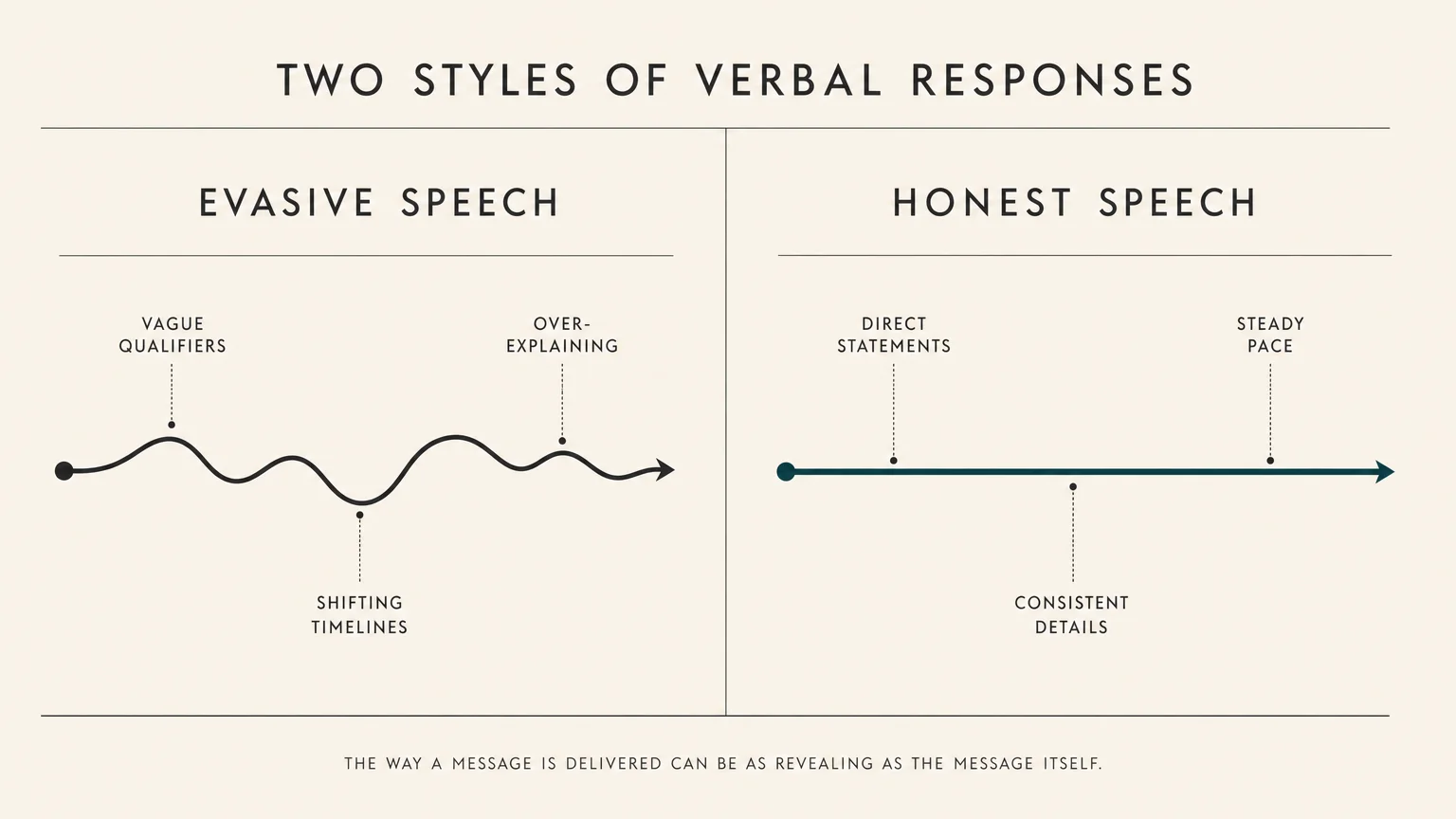
The words people choose offer clues about their sincerity. Honest individuals generally use clear and direct language. They do not rely on vague or ambiguous statements.
You can listen for specific patterns in their speech. Genuine communication usually flows at a steady pace. A person speaking the truth does not need to overthink their narrative.
Consistency in Details
A truthful account remains consistent over time. The core facts of a genuine story rarely change. You will notice that honest people repeat details naturally.
Fabricated stories often lack a solid foundation. The speaker might forget what they said previously. They could alter key elements when retelling the event.
You can gently ask follow-up questions to clarify points. An honest person welcomes these inquiries. Someone bending the truth might become defensive or evasive.
Accountability and Ownership
Honest people take responsibility for their actions and words. They use first-person pronouns like “I” frequently. This usage shows personal ownership of their statements.
Those hiding the truth often distance themselves from the narrative. They might use passive voice or shift blame to others. This linguistic distancing is a common psychological defense.
You should observe how they handle mistakes. A genuine friend will admit when they are wrong. They prioritize the relationship over their ego.
The Absence of Over-Selling
Truthful statements stand on their own merit. They do not require excessive convincing or dramatic flair. Honest communicators state the facts plainly.
People telling you what you want to hear might over-explain. They use intense qualifiers to make their point seem more credible. You might hear repeated phrases asserting their absolute honesty.
This over-selling often stems from internal guilt. They know they are not being entirely factual. Their exaggerated delivery attempts to mask this internal conflict.