9 Quiet Signs You Are Mentally Stronger Than Most People
Mental strength rarely looks like an action movie. It appears in the quiet choices you make daily. You might not even recognize your own fortitude.
We will explore nine subtle indicators of resilience. You can use these signs to assess your own progress. Acknowledging your growth builds lasting confidence.
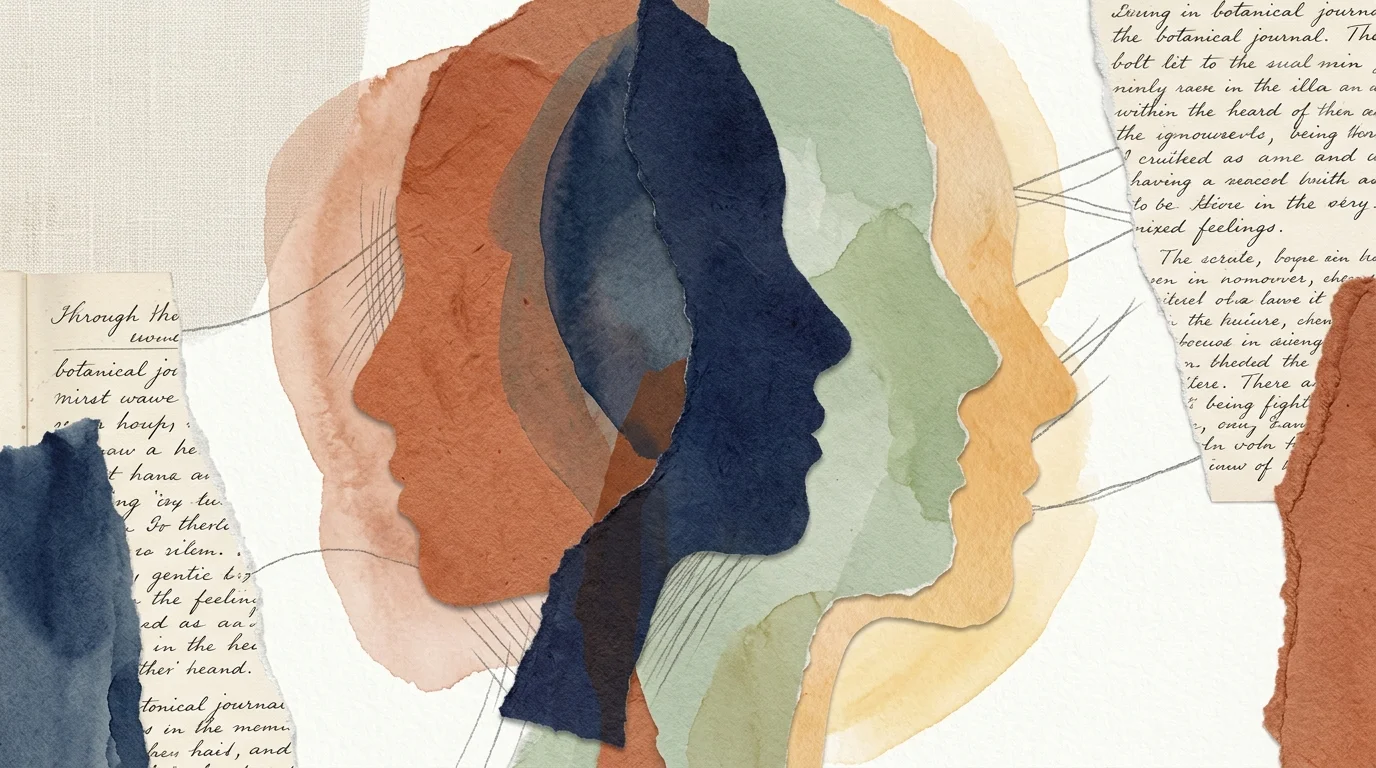
1. You Allow Yourself to Feel Complex Emotions
Mentally strong people do not suppress their feelings. You recognize that sadness and joy can coexist. Denying grief only prolongs the natural healing process.
You permit yourself to experience the full spectrum of emotion. This gentle acceptance prevents psychological burnout. Many older adults face compounded losses.
You might mourn a loved one while celebrating a grandchild. Holding two contrasting feelings requires immense emotional capacity. It demonstrates a sophisticated understanding of life.
You do not force yourself to project artificial happiness. You can practice feeling your emotions through daily journaling. Set a timer for five minutes each morning.
Write down everything you feel without editing yourself. This daily brain dump clears frustrating mental clutter. It creates space for genuine peace.
Observe your physical sensations during this exercise. Notice exactly where you carry your muscular tension. Breathing into that tension provides gentle relief.
This simple practice builds emotional awareness over time. You slowly learn to trust your internal responses. Your feelings become helpful guides rather than enemies.