
Reading about ancient biblical murders can trouble your spirit and challenge your faith. Exploring these dark accounts helps you understand human nature and cultivate lasting emotional peace.
Scripture rarely hides the painful reality of human jealousy, betrayal, and sudden violence. By examining these stories with calm discernment, you can gain moral clarity without carrying lingering distress.
This guide offers gentle context and grounded wellbeing practices for mature, thoughtful readers. You will discover how to process these challenging sacred texts while protecting your own emotional health.
Why Sacred Texts Record Grievous Wrongs
Many readers feel uneasy when they encounter Old Testament violence. You might wonder why sacred scriptures contain such severe accounts of human cruelty.
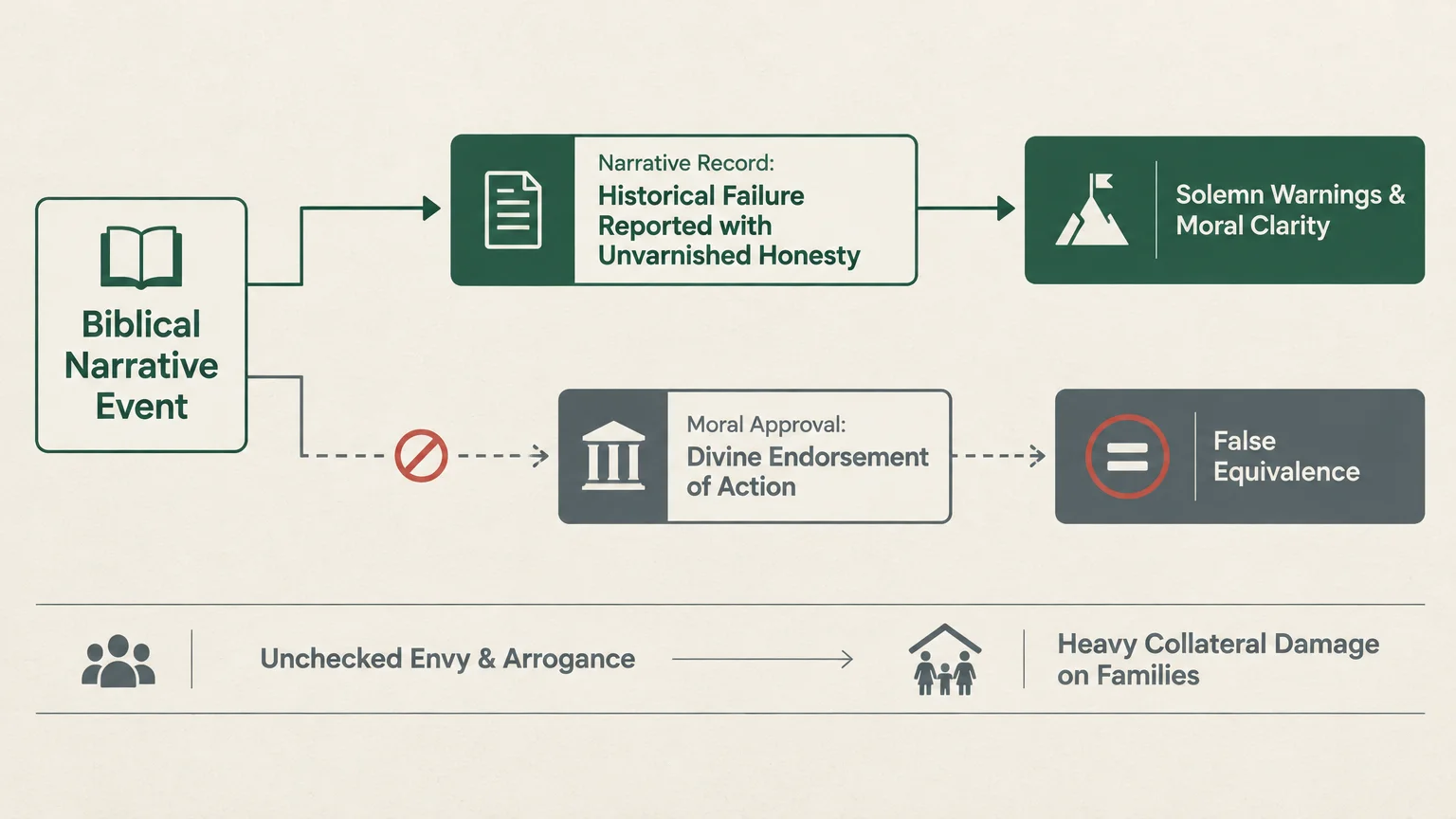
Ancient scribes recorded historical conflicts and moral failures with unvarnished honesty. These bible stories demonstrate what happens when unchecked envy and arrogance guide human choices.
Scripture does not endorse every tragic action it describes. A narrative record of a crime differs entirely from moral approval.
Theologians view these painful passages as solemn warnings rather than positive moral guides. They expose the heavy collateral damage that personal sin inflicts on innocent families.
When you read these accounts, you see the devastating trajectory of unrestrained human emotion. This perspective allows you to value compassion, justice, and personal peace more deeply today.
Five Notorious Biblical Murders and Their Moral Echoes
The First Fratricide: Cain and Abel
The story of Cain and Abel in Genesis stands as the first of all biblical murders. Cain became deeply resentful when God accepted Abel’s sincere gift instead of his own.
Instead of examining his personal shortcomings, Cain allowed silent anger to fester. He coaxed his brother into an isolated field and took his life.
When God asked about Abel, Cain deflected responsibility with a callous question. He asked whether he was obligated to act as his brother’s keeper.
The narrative makes clear that humanity carries a shared responsibility for community safety. When Cain ended his brother’s life, he fractured his own relationship with the surrounding world.
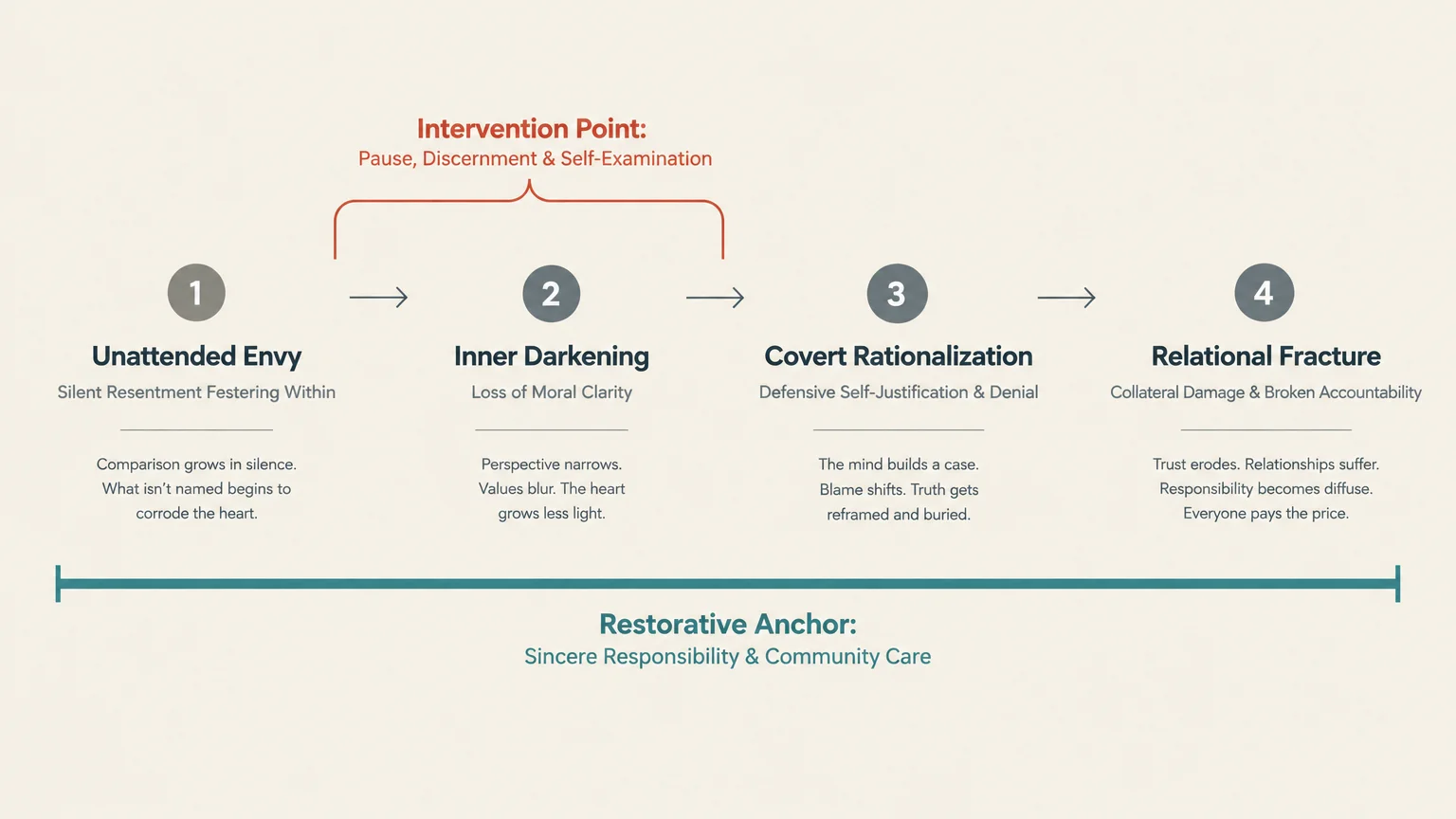
This ancient crime reminds us that unattended envy poisons the human spirit over time. Bitterness darkens inner clarity long before it manifests in destructive behavior.
Actionable reflection: Notice where unvoiced resentment might dwell in your thoughts today. Take three long, quiet breaths and release that tension before you speak with family members.
Abuse of Royal Power: King David and Uriah
King David orchestrated one of the most calculated bible crimes in ancient history. After committing adultery with Bathsheba, David discovered she was expecting a child.
David attempted to conceal his misconduct by summoning Bathsheba’s husband, Uriah, from military combat. Uriah possessed such steadfast loyalty that he refused to sleep at home while his comrades suffered.
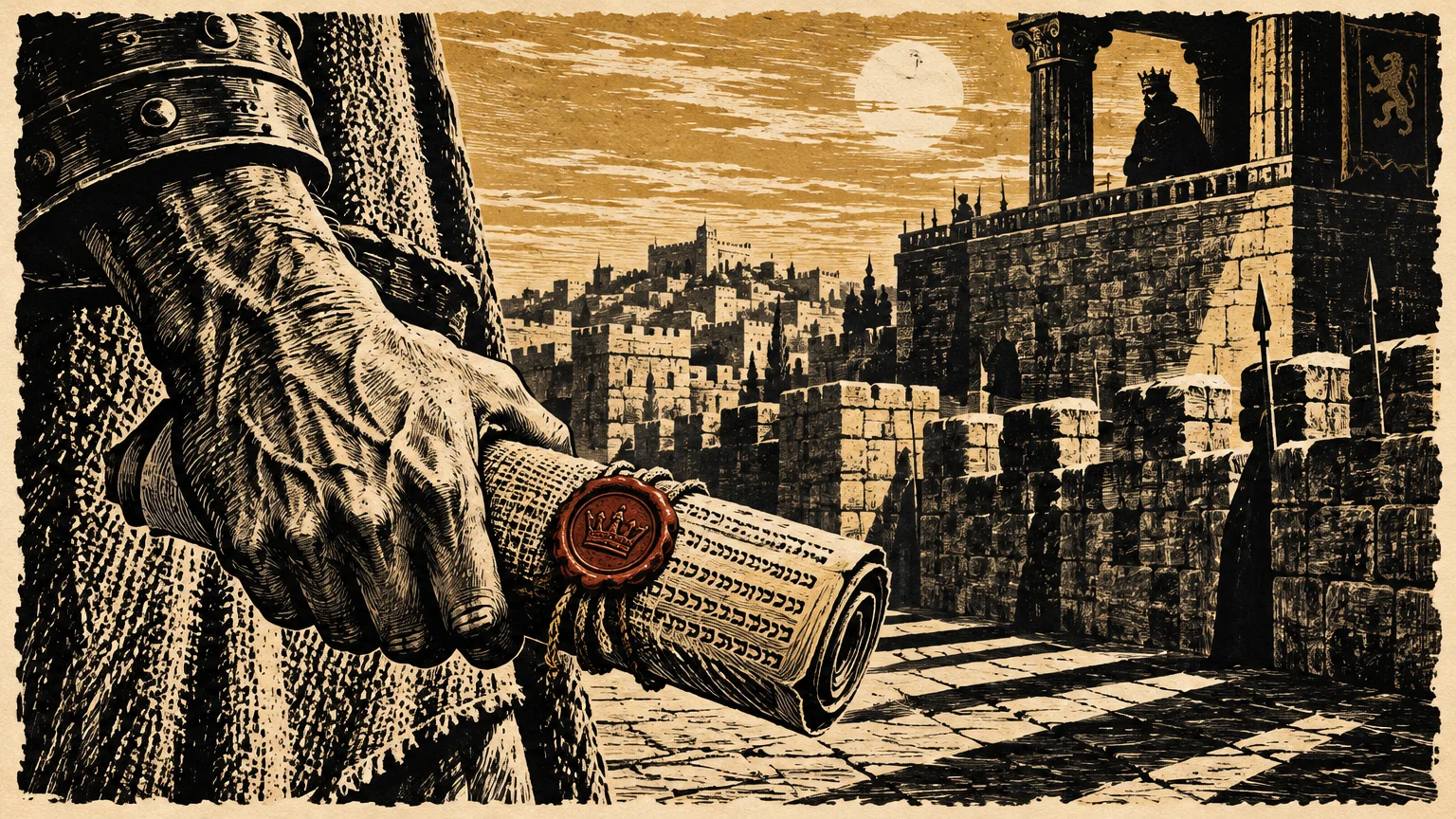
Fearing public exposure, David handed Uriah a sealed parchment to deliver to his general. The message ordered the commander to position Uriah where battle violence proved deadliest.
Uriah died defending an earthly sovereign who had covertly signed his execution order. The prophet Nathan later rebuked David, forcing the monarch to face his grave moral guilt.
This solemn account demonstrates that elevated social standing never shields anyone from accountability. True integrity demands transparent honesty, especially when a leader makes a serious mistake.
Actionable reflection: Review your interactions with those who rely on your authority or guidance. Choose absolute honesty over defensive rationalizations whenever an error occurs.
Corrupted Courts and Greed: Jezebel and Naboth
The murder of Naboth in the First Book of Kings reveals how predatory greed corrupts justice. King Ahab coveted Naboth’s ancestral vineyard to plant a personal vegetable garden.
Naboth politely declined because religious statutes prohibited transferring ancestral land away from family heirs. Ahab retreated to his royal bedchamber and sulked in childish frustration.
Queen Jezebel mocked Ahab’s passivity and organized a ruthless conspiracy against Naboth. She wrote official letters bearing the royal seal to stage a fraudulent trial.
Suborned witnesses falsely swore that Naboth had blasphemed against God and the crown. Community elders accepted the manufactured testimony and stoned the innocent property owner to death outside the gates.
Ahab immediately seized the parcel of land without facing standard judicial inquiry. This ancient crime highlights the profound evil of turning judicial apparatuses into instruments of private theft.
Actionable reflection: Stand for truth and fairness whenever you observe unfair gossip or administrative abuse. A quiet voice of integrity can help protect vulnerable neighbors from unwarranted blame.
Unresolved Family Trauma: Absalom and Amnon
The royal house of David suffered tragic fractures due to domestic abuse and silence. David’s eldest son Amnon assaulted his half-sister Tamar, leaving her emotionally devastated and isolated.
King David felt intense anger but imposed no meaningful discipline on his firstborn son. Tamar’s brother Absalom harbored bitter fury over the injustice for two full years.
Absalom masked his deadly intentions until he hosted an annual rural festival. When Amnon became intoxicated, Absalom commanded his servants to execute his half-brother on the spot.
This tragic killing fractured the royal family and eventually ignited a bloody civil war. The text illustrates the destructive chain reaction that occurs when authority figures ignore domestic violations.
Painful family wounds never dissolve when adults sweep them under the rug. Emotional healing requires transparent communication, courageous boundaries, and genuine justice.
Actionable reflection: Observe whether unaddressed family grievances are draining your emotional energy. Consider establishing firm personal boundaries rather than letting private resentment simmer in silence.
Pride and Rash Vows: John the Baptist
The New Testament details an infamous execution fueled by pride and political insecurity. John the Baptist criticized Herod Antipas for unlawfully marrying his brother’s former wife.
Herodias nursed a bitter vendetta against the prophet for his moral challenge. During a royal birthday banquet, her young daughter danced before the assembled dignitaries.
An enchanted Herod impulsively promised the young woman anything she requested. After consulting her mother, she demanded the severed head of John on a wooden platter.
Herod felt distressed by the gruesome request. Yet he feared losing face before his noble guests and ordered the beheading.
This tragic murder shows how social embarrassment can push weak leaders into terrible cruelty. Maintaining moral conviction matters most when surrounding crowds urge you to compromise your conscience.
Actionable reflection: Never make significant promises when you feel swept up by fleeting social flattery. Take time to evaluate every major commitment in a calm, private setting.
Psychological Patterns and Moral Processing
Reading accounts of ancient violence often stirs quiet psychological tension in sensitive readers. Your nervous system instinctively recoils when you process stories depicting deliberate cruelty and loss.
Cognitive researchers often describe confirmation bias during historical study. This mental pattern occurs when your attention focuses exclusively on dark details while overlooking messages of peace.
A related human trait is the negativity bias. Our minds naturally prioritize threatening information over harmonious experiences to protect us from perceived danger.
When you explore difficult bible stories, recognize that these evolutionary tendencies influence your feelings. Acknowledging these patterns helps you maintain emotional balance while reading challenging literature.
You do not have to absorb ancient brutality into your daily emotional life. Observing past crimes with neutral detachment allows you to protect your inner tranquility.
Practical Methods for Processing Difficult Scriptures
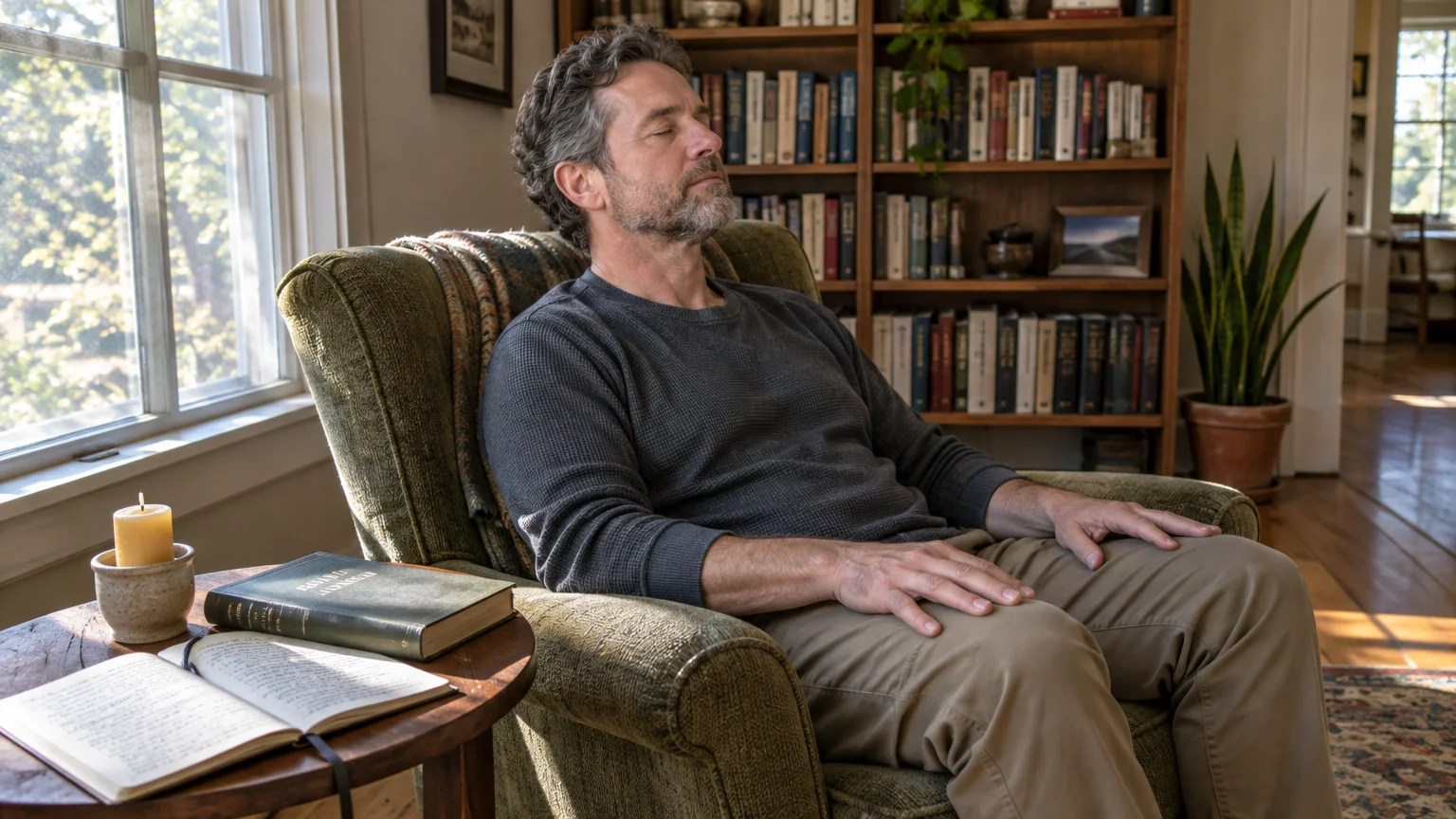
You can explore challenging religious narratives without compromising your mental wellbeing. Approaching old testament violence requires measured pacing, self-compassion, and gentle emotional boundaries.
Reflective journaling provides a constructive container for your complex thoughts. Writing by hand helps your brain organize disturbing themes and release unnecessary internal tension.
A Seven-Day Grounding Practice Plan
You can integrate these complex themes through a gentle, week-long contemplation routine. Dedicate ten unhurried minutes each morning to practice these simple, structured steps.
On day one, select a single historical narrative and read it slowly. Inhale deeply whenever you encounter descriptions of sharp human conflict.
On day two, write three concise sentences detailing the emotions the reading evoked. Name your internal feelings clearly without evaluating them as right or wrong.
On day three, take a ten-minute mindful stroll outdoors. Pay deliberate attention to the firm ground beneath your feet to steady your active thoughts.
On day four, reflect on the ethical lesson contained within the ancient narrative. Consider how that moral insight can inspire greater generosity in your current relationships.
On day five, repeat the four traditional Ho’oponopono phrases softly to yourself. Whisper: I am sorry, please forgive me, thank you, and I love you.
On day six, send an affectionate note to a steadfast friend or family member. Expressing gratitude redirects your neurological focus toward safety, loyalty, and human warmth.
On day seven, rest your attention by reading a comforting, poetic psalm. Allow your nervous system to settle into deep, restorative peace as your practice completes.
Approaching a Pastor or Mental Health Counselor
Sharing your spiritual confusion with a seasoned professional brings welcome relief. Many adults over fifty find that open dialogue dissolves long-held religious anxieties.
You might wonder how to initiate a conversation about distressing sacred texts. Using a prepared opening script can help you communicate your concerns with steady confidence.
You can introduce the topic with this simple opening statement. I feel troubled by historical violence in scripture, and I want to explore these passages with compassion.
A compassionate faith leader or licensed therapist will validate your thoughtful questions. They will help you distinguish ancient historical records from your personal spiritual walk.
Emotional Boundaries and Safeguards
Your ongoing peace of mind should remain paramount during any spiritual inquiry. Never allow religious literature or community leaders to impose persistent dread or distress.
Exercise caution if a spiritual mentor uses violent scriptures to demand unquestioned obedience. Unscrupulous groups frequently leverage ancient stories of retribution to exploit vulnerable seekers.
Notice common warning flags when investing in spiritual seminars or study materials. Be wary of organizations demanding steep upfront payments, mandatory secrecy, or absolute personal compliance.
Authentic spiritual wisdom encourages personal freedom, mutual respect, and emotional safety. If a religious environment causes chronic anxiety, give yourself permission to step away.
Protect your wellbeing by accessing evidence-backed mental health organizations. Explore reputable psychological research through the American Psychological Association (APA) and the NIH.
If violent narratives bring unresolved grief or trauma to the surface, seek compassionate support. You can reach confidential care specialists through SAMHSA without delay.
Complementary mindfulness routines can further soothe your nervous system during periods of study. Discover evidence-based relaxation strategies through NCCIH.
Sound physical sleep also renews your emotional resilience when exploring difficult topics. Learn practical rest guidelines through the Sleep Foundation.
Frequently Asked Questions About Biblical Crimes
Why does the Bible record so much severe violence?
Ancient scribes recorded human events with unvarnished realism. They included grievous crimes to illustrate the painful consequences of moral failure throughout human history.
Does the Bible approve of these violent acts?
No, recording an ancient event does not imply moral approval. Biblical narratives consistently condemn murder, treachery, and corrupt judicial abuse.
How can I protect my emotional calm while studying these stories?
Limit your reading sessions to short intervals. Alternate challenging historical chapters with peaceful passages that emphasize mercy, hope, and inner restoration.
What should I do if these narratives trigger personal anxiety?
Set the text aside immediately and focus on deep, steady breaths. Reach out to a licensed counselor if feelings of unease persist.
Can studying biblical murders help my personal development today?
Yes, these stories spotlight dangerous human tendencies like unchecked jealousy and pride. Examining them encourages you to practice greater empathy and cultivate ethical integrity in daily life.
Moving Forward with Clarity and Peace
Encountering the darker narratives of scripture can strengthen your moral discernment. You learn to confront painful human realities without losing your dedication to goodness.
Mature spirituality welcomes honest inquiries rather than passive agreement. By learning from ancient tragedies, you gain practical wisdom for fostering harmony within your family and community.
Begin this week by implementing three concrete steps in your personal routine. First, reflect on an uplifting passage to restore mental balance.
Second, monitor your inner emotional reactions whenever difficult topics arise in conversation. Third, verify that your daily actions align with kindness, humility, and steady compassion.
Compliance and Safety Notice
Disclaimer: This article serves educational and informational purposes only. It does not provide medical, psychological, legal, or financial advice.
If you experience prolonged grief or emotional distress, consult a licensed healthcare professional. Please contact local emergency services immediately if you face an urgent crisis.