The Psychology of Accepting Compliments
The psychology of accepting compliments centers on how your brain processes self-image. Psychologists refer to the tension between praise and inner beliefs as cognitive dissonance.
Cognitive dissonance occurs when new information conflicts with an established belief. If you view yourself as flawed, positive feedback creates mental discomfort.
Your brain works constantly to maintain a consistent self-image. To eliminate internal tension, you might dismiss praise as polite flattery or exaggeration.
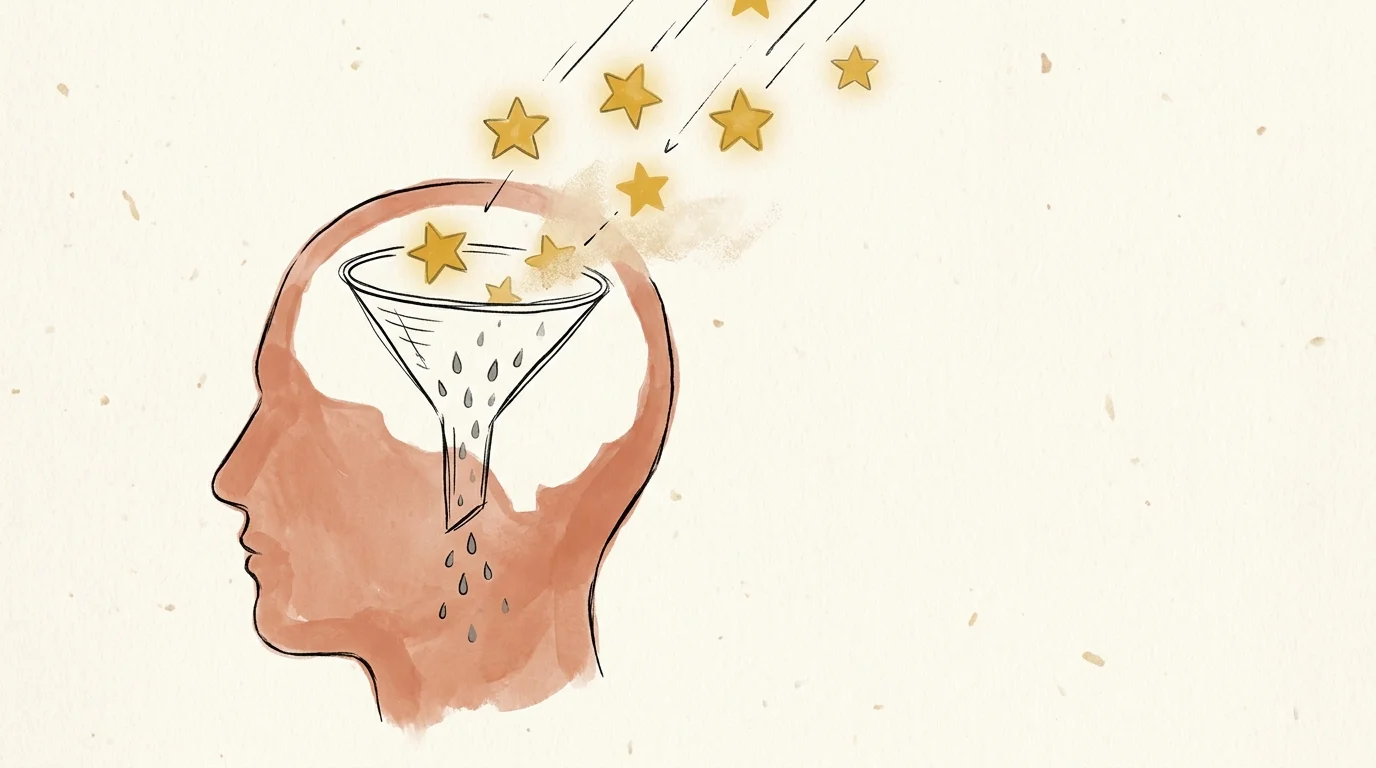
Another common mental pattern involves confirmation bias. Confirmation bias is the habit of noticing information that matches your existing views while ignoring opposite facts.
If you believe you lack talent, your mind filters out positive statements. You easily recall minor mistakes while forgetting genuine personal accomplishments.
Over time, confirmation bias reinforces low self-esteem compliments and self-doubt. You train your mind to ignore kindness from those around you.
Imposter syndrome also drives difficulty accepting praise in daily life. You might fear that accepting a compliment will raise expectations too high for the future.
You may worry that people will eventually discover your perceived shortcomings. Rejection of praise acts as a shield against potential future disappointment.
Self-verification theory explains our deep desire for others to see us as we see ourselves. When praise contradicts your self-concept, it creates psychological instability.
Attachment patterns formed early in life affect how you experience praise today. Secure attachment allows you to receive validation with ease and trust.
Insecure attachment can make kind words feel transactional or unsafe. You might suspect hidden motives behind warm compliments from acquaintances.
Understanding these mental patterns helps you view your responses without self-judgment. You can explore cognitive health resources provided by the NIH.