The Brain Science of Quiet Energy
Science shows that introversion relies on real neurological differences. Your brain simply processes internal and external information through distinct pathways. These physiological traits shape how you navigate daily social events.
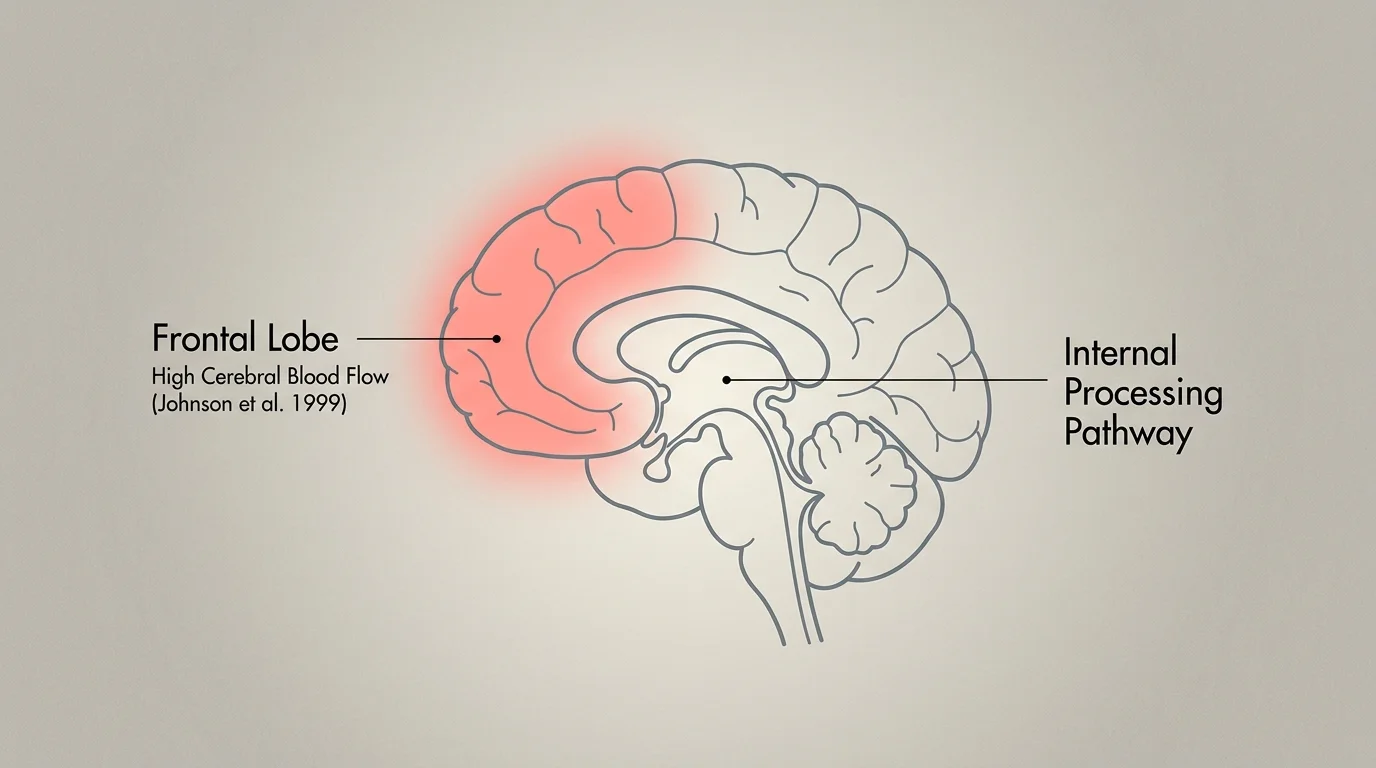
A landmark 1999 study by Johnson and colleagues investigated these biological patterns. Researchers published their findings in the American Journal of Psychiatry using PET scan technology. The scans showed distinct cerebral blood flow patterns in introverted participants.
Introverts showed significantly higher blood flow in the frontal lobe of the brain. This area manages complex problem solving, planning, and memory retrieval. Your brain naturally spends more energy processing deep internal thoughts.
Neurotransmitters also play a major role in your daily social energy. A 2013 Cornell University study published in Frontiers in Human Neuroscience analyzed dopamine response. Dopamine is the chemical that triggers feelings of reward and excitement.
Extroverts experience a strong dopamine surge from busy environments and large crowds. In contrast, introverts have a lower dopamine threshold. Loud or crowded places can quickly overstimulate your nervous system.
Introverts rely more heavily on acetylcholine, a different neurotransmitter. Acetylcholine creates pleasant feelings when you read, reflect, or engage in quiet study. This chemical pathway rewards deep focus and peaceful activities.
Brain imaging technology reveals that introverts process sensory input through complex pathways. These pathways pass through areas responsible for deep contemplation and emotional regulation. This internal route takes more time but results in thorough understanding.
Understanding these biological mechanisms provides comfort when navigating a noisy world. Your body simply requires a different environment to function at its best. Knowing your biological baseline helps you make healthy lifestyle choices daily.
Understanding these biological facts helps eliminate self-criticism. Your need for quiet breaks is a physical requirement rather than a personal weakness. Honoring your nervous system allows you to thrive without burnout.