Practical Daily Exercises for Deepening Peace
Deepening your emotional peace requires gentle, consistent habits rather than sudden intense efforts. Simple daily reflection practices help settle your nervous system over time. You can integrate these low-stress methods into your existing routines.
One practical method is the traditional Hawaiian forgiveness practice known as Ho’oponopono. This exercise uses four simple phrases: I am sorry, please forgive me, thank you, I love you. Repeating these words offers a calm framework for releasing regret.
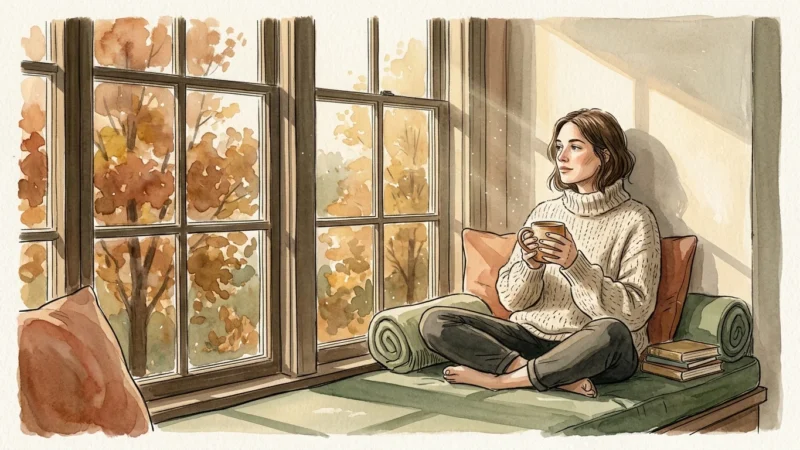
Mindful walks in natural settings also support emotional reframing and quiet thought. Physical movement outdoors reduces stress hormones and helps quiet rumination in your brain. Pay attention to sight and sound around you during twenty-minute walks.
You can use a structured 7-day practice plan to build healing momentum safely. On day one, write down one lingering regret on paper and acknowledge your current feelings. On day two, practice five minutes of diaphragmatic breathing while focusing on safety.
On day three, write a thank-you note to yourself for surviving past challenges. On day four, take a silent thirty-minute walk outside without listening to phone calls. Focus entirely on surrounding trees, sky, and sensory details.
On day five, practice the Ho’oponopono phrases during ten quiet evening minutes. On day six, organize a clean personal space in your home to represent fresh starts. On day seven, write three current life goals that inspire practical hope.
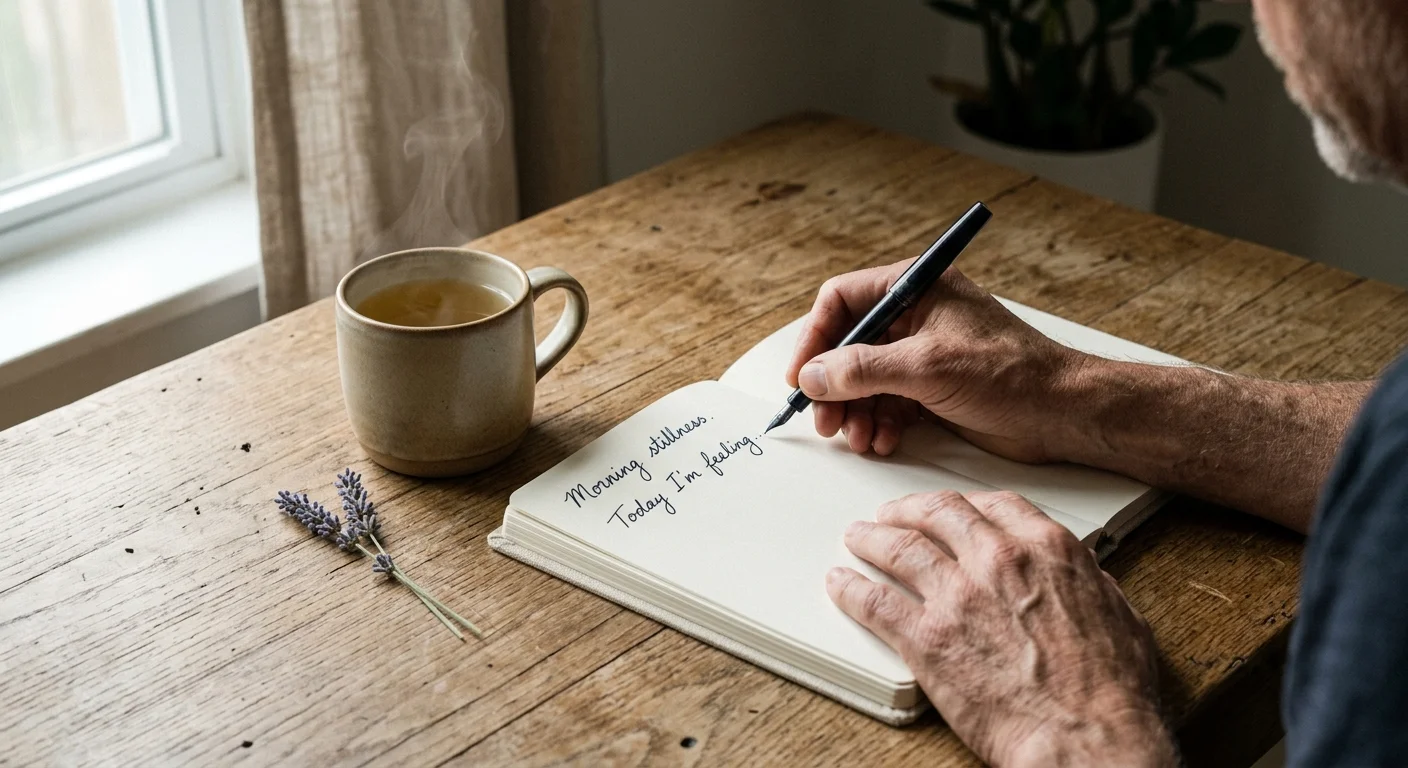
Regular journaling provides another safe space for processing old memories without judgment. Set aside ten minutes each morning to write freely about your current state. Avoid editing your prose or worrying about spelling and grammar.
Consider these targeted journaling prompts for your morning writing sessions. First prompt: What life lesson am I most grateful for learning during difficult years? Second prompt: What burden am I ready to lay down today to make room for joy?
Establishing these routines creates a reliable rhythm for long-term emotional well-being. Small daily actions teach your brain that present life is stable and peaceful. You build resilience that protects you during future stress.
Good rest also plays a major role in processing emotional memories. Quality sleep helps your brain consolidate memories and regulate emotional intensity. Review evidence-based sleep information at the Sleep Foundation to improve bedtime rest.