
Genuine respect forms the essential foundation of emotional safety and lasting peace in any partnership. When your partner honors your inner voice, your connection feels steady rather than draining.
Spotting healthy relationship signs helps you protect your personal dignity and cultivate mutual trust. True consideration appears through quiet everyday actions and consistent care rather than rare grand gestures.
This guide outlines eight vital signs your partner respects you across shared daily life. You will discover practical ways to nurture emotional balance and bring deep peace to your companionship.
Understanding Mutual Respect in Mature Love
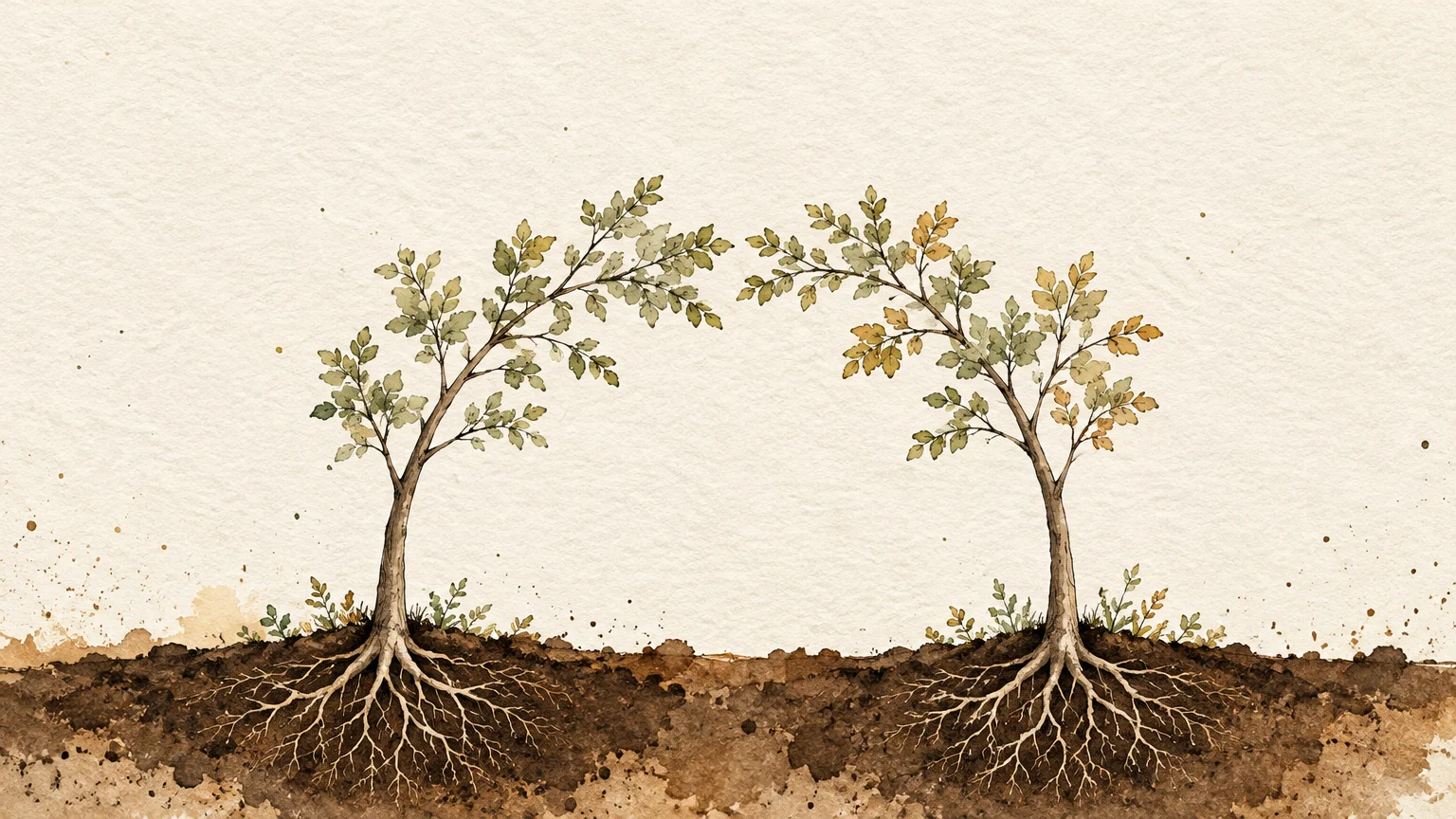
Respect means honoring another human being as a distinct, equal person. It requires seeing your partner clearly without attempting to reshape them into your own image.
In mature love, respect moves beyond simple politeness. It provides emotional safety so both partners can rest without fear of judgment.
Many adults over fifty navigate major life transitions like retirement, health changes, or profound grief. A respectful partner supports your shifting needs during these vulnerable seasons.
Historically, many cultures viewed partnership through traditional duties and social expectations. Today, healthy companionship emphasizes mutual emotional freedom and shared dignity.
When mutual respect partner dynamics guide your home, affection feels peaceful rather than demanding. You can share your authentic truth without dreading rejection.
Couples often discover that mutual priorities shift as decades pass. Honoring these natural changes prevents quiet bitterness from taking root.
A companion who honors you welcomes your evolving wisdom. They view your changing viewpoints as natural signs of personal maturity.
Respect honors individual sovereignty while maintaining intimate connection. This gentle balance preserves your self-worth through every stage of life.
How We Experience and Perceive Respect
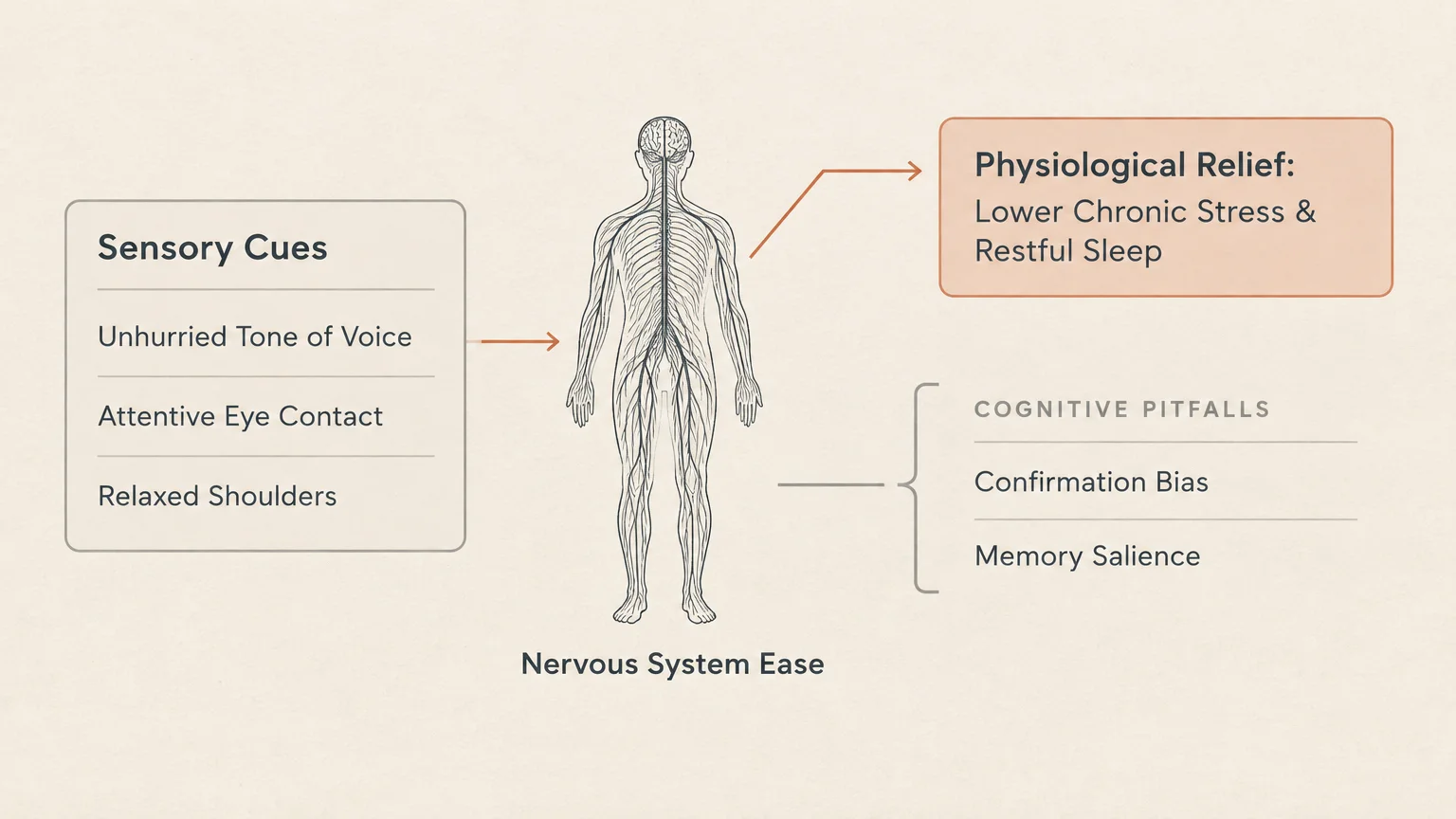
Our bodies recognize respect through subtle sensory cues. An unhurried tone of voice, attentive eye contact, and relaxed shoulders communicate safety to your nervous system.
Human minds naturally look for patterns in daily interactions. Psychologists call confirmation bias the human tendency to seek information that confirms existing assumptions.
If you fear abandonment, you might interpret a quiet evening as cold detachment. Recognizing this mental habit helps you evaluate your partner with greater fairness.
Another common cognitive pattern involves memory salience, which gives dramatic memories more weight than ordinary moments. You might remember one tense dispute while forgetting weeks of quiet kindness.
Spiritual intuition also plays a vital role in how you perceive respect. Your gut feeling often senses tension or insincerity before your conscious mind does.
Pay close attention to how you feel when your partner enters the room. A feeling of immediate ease signals authentic safety.
Consistent, daily respect brings profound physiological relief. Calm partnerships lower chronic stress and support restful sleep over time.
Review comprehensive sleep facts at the Sleep Foundation.
Genuine respect builds an unshakeable sense of emotional security. It allows your nervous system to relax deeply at home.
8 Signs Your Partner Truly Respects You
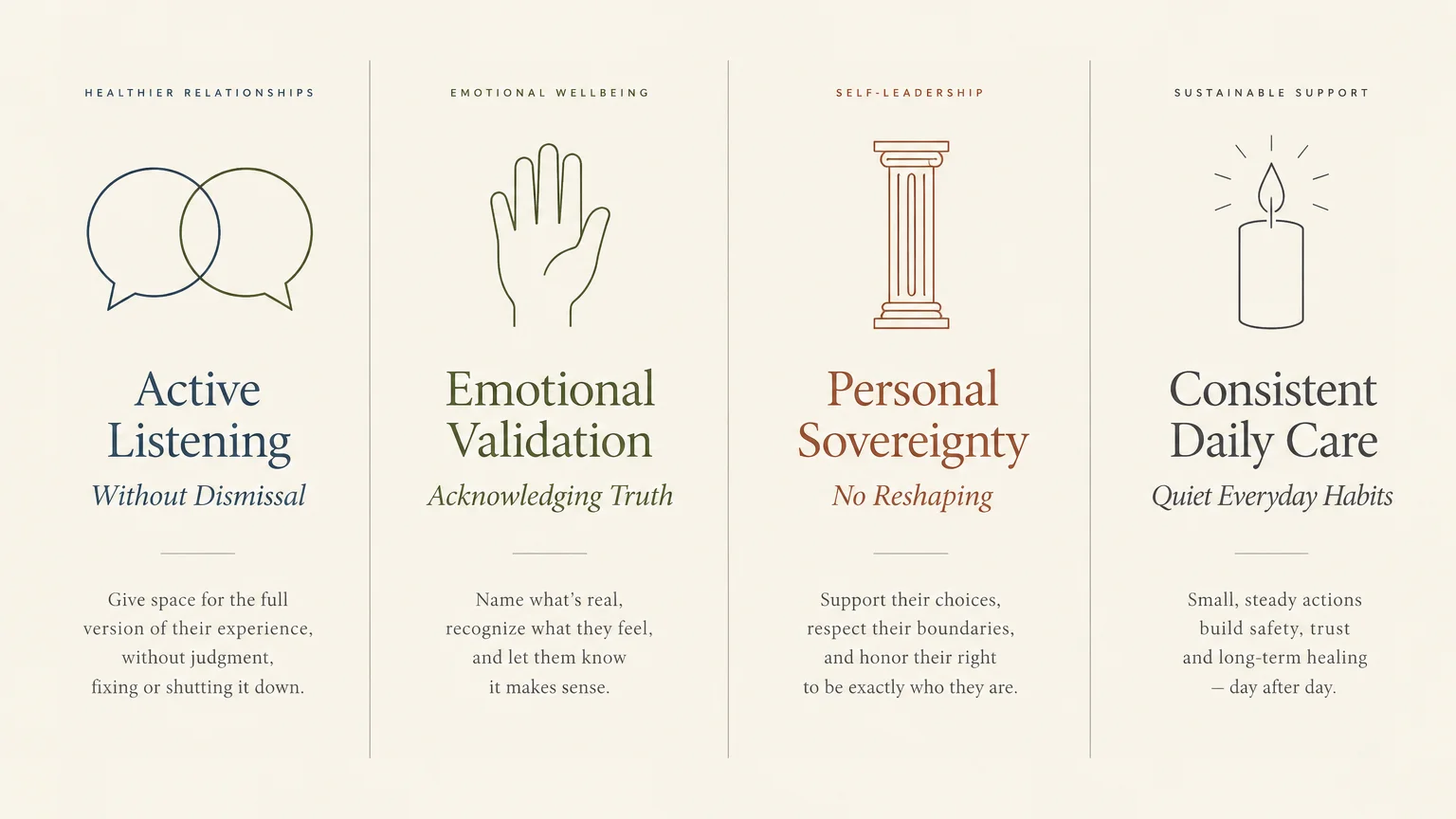
True regard reveals itself through steady habits rather than dramatic promises. Look for these eight signs partner respects you in everyday life.
1. Active Listening Without Dismissal
A respectful partner listens to understand your inner world. They set aside phones and distractions when you share meaningful thoughts.
They do not minimize your feelings or interrupt your sentences. Instead, they validate your experiences before offering their own point of view.
Inattentive partners often formulate replies while you are still speaking. In contrast, respectful companions hold quiet space until you finish your thought completely.
Try this simple communication habit tonight. Pause for two full seconds after your partner finishes speaking before you respond.
2. Honoring Your Boundaries and Personal Space
Healthy boundaries define where your personal identity begins and ends. A loving companion honors your limits without resentment or guilt trips.
They understand when you need solitary time for reading, prayer, or rest. Your independence enriches the relationship rather than threatening your bond.
Respectful partners never demand access to private journals or insist on constant togetherness. They view your personal solitude as healthy self-care.
Write this reflection prompt in your journal today: How comfortably do I express my personal limits to my companion?
3. Speaking Kindly During Disagreements
Conflict arises in every relationship, but cruelty remains a personal choice. A partner who respects you avoids name-calling, harsh sarcasm, and insults.
They address the specific problem rather than attacking your character. They work toward mutual resolution instead of personal victory.
Healthy couples can express anger without resorting to verbal aggression. A respectful tone protects mutual dignity even during heated discussions.
Notice your physical cues during your next disagreement. Feeling safe to disagree openly confirms strong respect in relationships.
4. Supporting Your Personal Growth and Joy
A caring partner celebrates your evolving spiritual path, friendships, and creative hobbies. They never compete with your personal joy.
They encourage you to attend workshops, explore nature, or read new literature. Your ongoing personal growth brings them genuine delight.
Insecure partners often discourage new interests out of fear. A confident, respectful companion walks beside you as you explore fresh passions.
Share a fresh personal goal with your companion this week. A warm, encouraging response serves as an excellent relationship green flag.
5. Sharing Decisions and Power Equally
Equitable power sharing shows deep regard for your intelligence and agency. Your partner consults you on major financial choices, domestic plans, and schedules.
They treat your perspective as equal to their own in every negotiation. Neither partner controls the other through unilateral demands.
Financial transparency provides a clear example of equal power. A respectful partner never conceals joint resources or makes large purchases without agreement.
Practice balanced decision-making during simple daily moments. Choose weekend meals or entertainment together through honest, mutual compromise.
6. Taking Ownership and Offering Sincere Apologies
Accountable partners take full responsibility when they cause emotional hurt. They do not deflect blame, make excuses, or play the victim.
A sincere apology pairs genuine regret with lasting behavioral change. Your partner works actively to avoid repeating the hurtful mistake.
Dismissive apologies like claiming to be sorry you feel that way shift blame onto you. True accountability focuses on the speaker’s own actions and impact.
Notice how your companion handles minor errors this week. Prompt, unforced apologies reveal high emotional maturity and deep respect.
7. Valuing Your Time, Energy, and Physical Limits
Respect honors your daily energy levels and physical health. A thoughtful companion never expects you to carry unreasonable domestic or emotional burdens.
They honor commitments promptly and notify you when plans change unexpectedly. They also share everyday chores without waiting for reminders.
As our bodies age, physical pacing becomes essential for wellbeing. A loving partner adapts shared activities to match your comfort and stamina.
Check in with your body when you feel tired. A respectful partner supports your need to rest without expressing frustration.
8. Protecting Your Vulnerability Without Judgment
True intimacy requires exposing your tender fears, past losses, and uncertainties. A partner with deep regard treats your vulnerability with gentle reverence.
They never weaponize your private disclosures during future arguments. Instead, they hold your sacred confidence with steady warmth and protective loyalty.
Mocking someone’s grief or physical insecurity breaks emotional trust instantly. A respectful companion guards your sensitive memories like precious treasures.
Reflect on how safe you feel weeping in your partner’s presence. Emotional safety represents the crowning jewel of authentic mutual regard.
Safe Ways to Explore and Deepen Mutual Regard
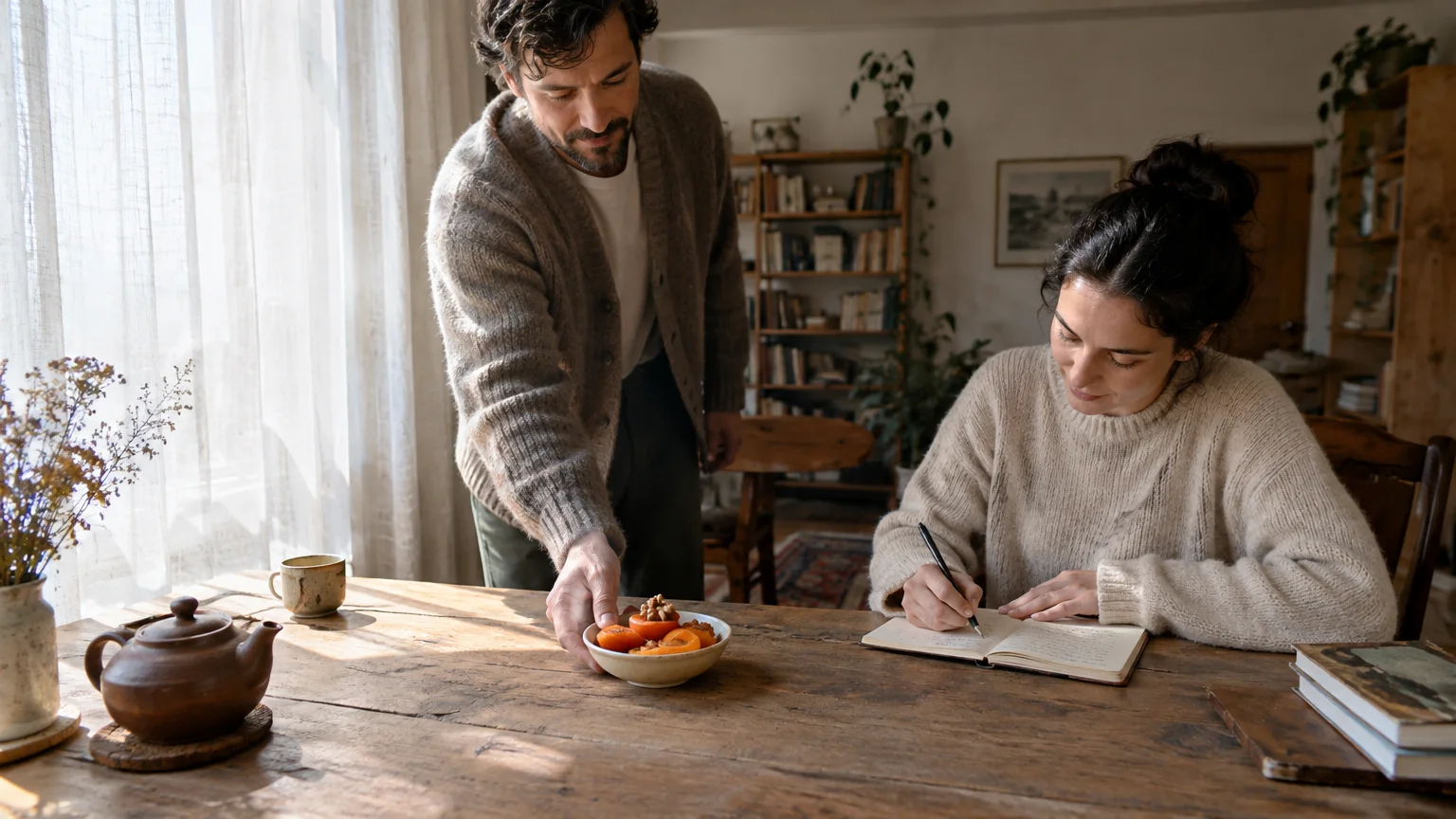
Nurturing respect in relationships requires intentional daily habits and quiet reflection. You can cultivate harmony using simple, accessible practices.
Take mindful walks together in quiet natural spaces. Strolling without phones encourages companionable silence and gentle conversation.
Mindful breathing exercises also help partners release interpersonal tension. Explore grounded complementary practices via NCCIH.
You can also adopt the traditional Hawaiian Ho’oponopono concept of mutual reconciliation. Reflect silently on four calming phrases: I am sorry, please forgive me, thank you, and I love you.
Repeating these phrases during quiet meditation cleanses lingering resentment. It softens your inner dialogue and opens space for compassionate listening.
A structured seven-day appreciation plan can also restore mutual warmth. On day one, journal three specific character traits you admire in your companion.
On day two, express direct gratitude for one small chore your partner performed. On day three, offer fifteen minutes of fully attentive listening.
On day four, prepare a simple nourishing beverage for your partner. On day five, share a fond memory from the early years of your bond.
On day six, give each other two hours of uninterrupted personal solitude. On day seven, discuss your shared spiritual values over a quiet dinner.
This gentle cycle replaces daily friction with intentional appreciation. It builds lasting goodwill through low-pressure actions.

Emotional Safety, Boundaries, and Red Flags
Healthy love enriches your spirit, while persistent disrespect damages emotional health. Distinguishing normal human friction from destructive behavior protects your dignity.
Watch out for severe red flags such as regular mockery, gaslighting, or explosive rage. Coercive control and financial manipulation indicate dangerous relationship patterns.
Gaslighting occurs when someone manipulates you into questioning your own sanity or memory. Such tactics undermine your self-trust and require immediate boundary setting.
Never tolerate behavior that makes you fear for your physical or emotional safety. When toxic dynamics appear, seeking professional intervention becomes essential.
Find grief and coping resources at the American Psychological Association (APA) and NIH.
Access immediate mental health support and resources at SAMHSA.
If recurring conflict drains your joy, consider working with a licensed marriage counselor. Professional therapy often ranges from one hundred to two hundred dollars per session.
Many local churches and community clinics also provide free or sliding-scale pastoral care. Seeking support early prevents emotional exhaustion.
You can initiate this help with a simple script: We care for each other, but we need professional tools to communicate with deeper mutual respect.
Frequently Asked Questions About Respect in Relationships
Can a relationship survive without mutual respect?
A relationship cannot thrive without mutual respect. Affection fades into resentment when partners treat each other with chronic disregard.
What is the difference between love and respect?
Love is an emotional feeling of attraction and affection. Respect is the deliberate choice to honor someone’s dignity, autonomy, and boundaries.
Can an inconsiderate partner learn to show respect?
A partner can change if they recognize their shortcomings and desire growth. Lasting transformation requires dedicated therapy, honest reflection, and consistent daily practice.
How does grief impact mutual respect between partners?
Grief can exhaust emotional energy and strain communication. Respectful companions allow each other to mourn at their own unique pace without judgment.
Does mutual respect prevent all relationship conflict?
Respect does not eliminate disagreements or differing opinions. It simply ensures that couples resolve disputes with kindness, patience, and fair communication.
Moving Forward in Mutual Harmony
Recognizing the signs partner respects you brings clarity to your personal journey. A peaceful companionship remains one of life’s greatest blessings.
Take three practical steps this week to nurture mutual regard. First, write down two non-negotiable boundaries that safeguard your daily peace.
Second, track how your body feels after discussions with your partner. Third, verify that your daily interactions encourage mutual kindness and emotional safety.
Trust your inner wisdom as you cultivate your relationship. You deserve a supportive bond that honors your spirit every single day.
Informational Disclaimer
This article provides educational information only and does not substitute for clinical, legal, or psychological advice. If you face severe distress or relationship abuse, contact a licensed professional or crisis counselor immediately.