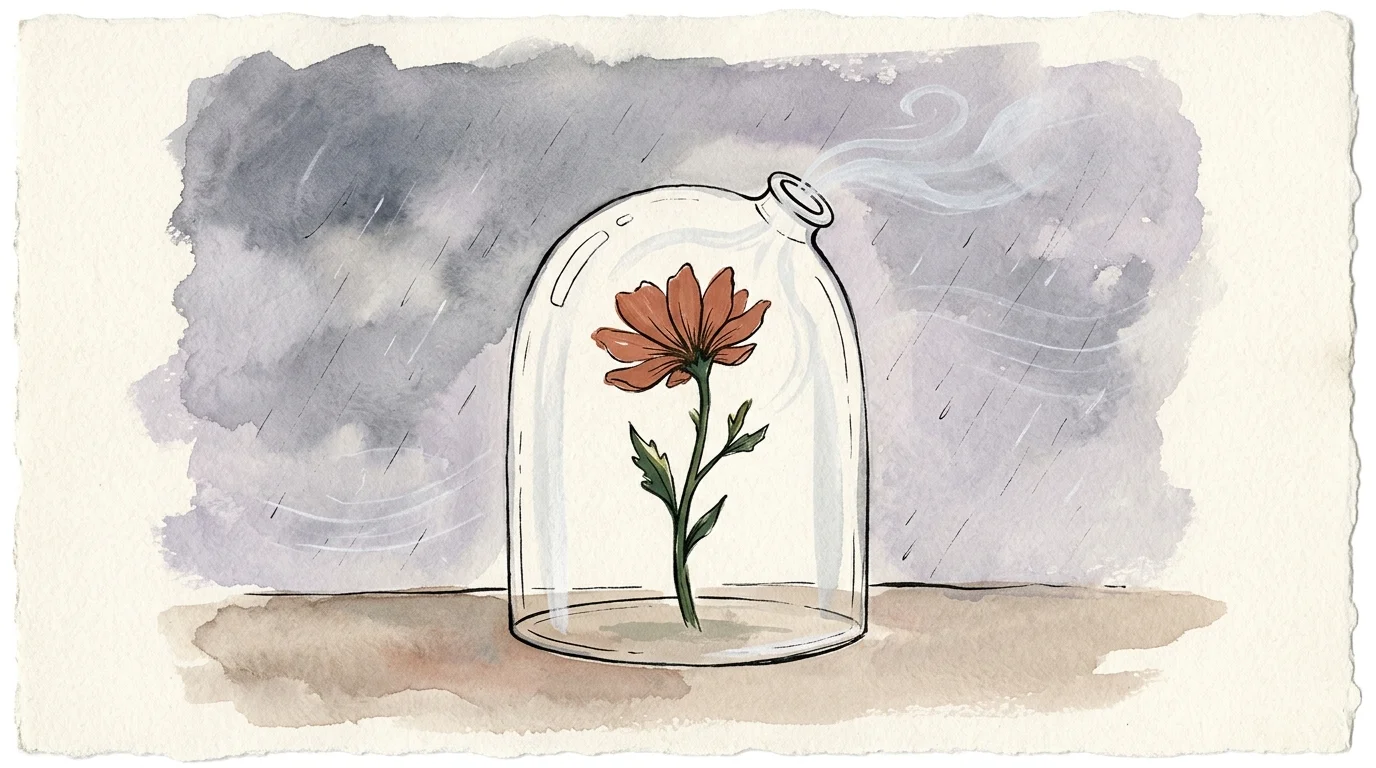
Healthy Boundaries, Grief, and Emotional Safety
Personal growth often occurs alongside grief and major life transitions. You may mourn the loss of a spouse, a career, or former physical abilities. Acknowledging these losses is an essential part of honest living.
Grief does not mean that your personal progress has stalled. Healing and self-discovery move in waves rather than a straight line. Give yourself grace when heavy emotions surface.
Physical health forms the foundation of your emotional wellbeing. Restful sleep, proper nutrition, and routine medical checkups support a clear mind. Never replace necessary medical care with spiritual practices or lifestyle trends.
Explore trusted health and mental wellbeing resources through established organizations. You can review grief and coping support at the American Psychological Association (APA) and the NIH. Learn about healthy rest habits through the Sleep Foundation.
Review complementary wellness practices safely through the NCCIH. If you experience severe emotional distress, access guidance through SAMHSA. Professional support provides a safe container for deep personal work.
Protect your financial and emotional resources from predatory services. Be cautious of life coaches or spiritual guides who promise guaranteed transformations. High upfront fees, pressure tactics, and secrecy are serious red flags.
Legitimate professionals encourage your autonomy and critical thinking. They do not ask you to isolate yourself from loved ones or make hasty financial investments. Trust your common sense whenever evaluating paid workshops or books.
If you wish to discuss your life direction with a professional, use a simple conversation script. You might say, “I am reviewing my priorities at this stage of life and want guidance on setting healthy boundaries.” A qualified counselor will respect your pace and goals.